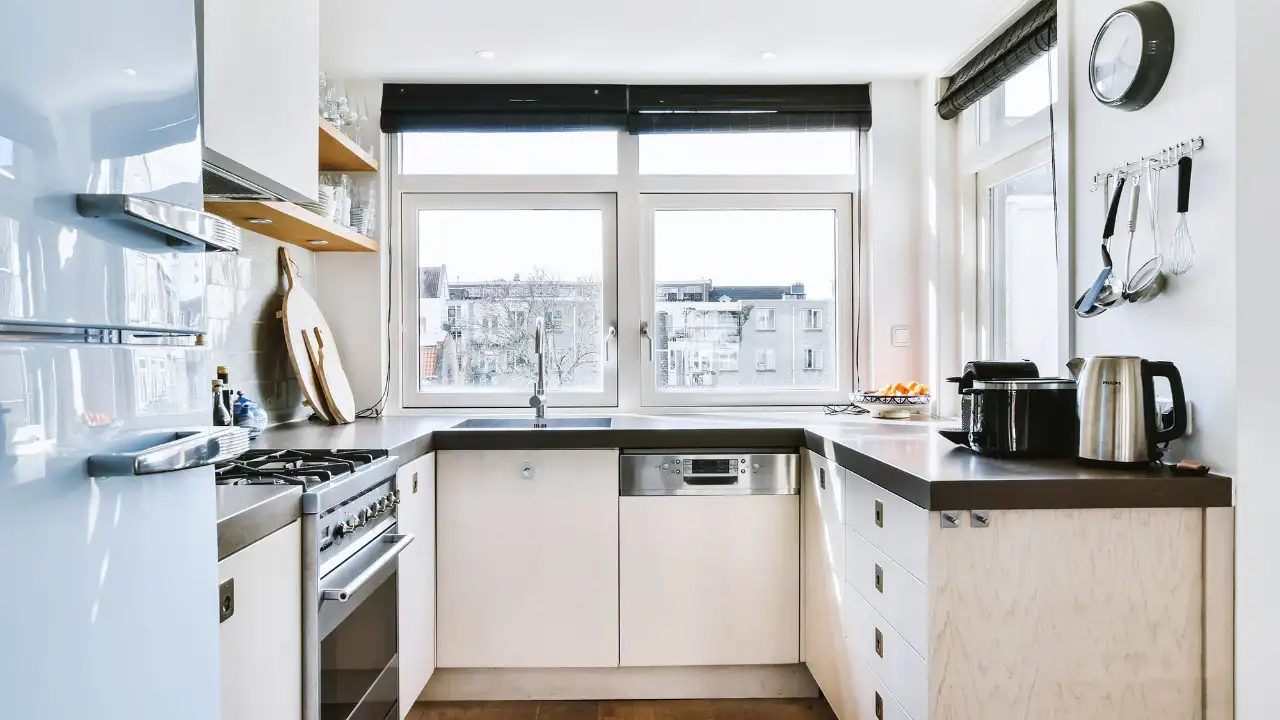
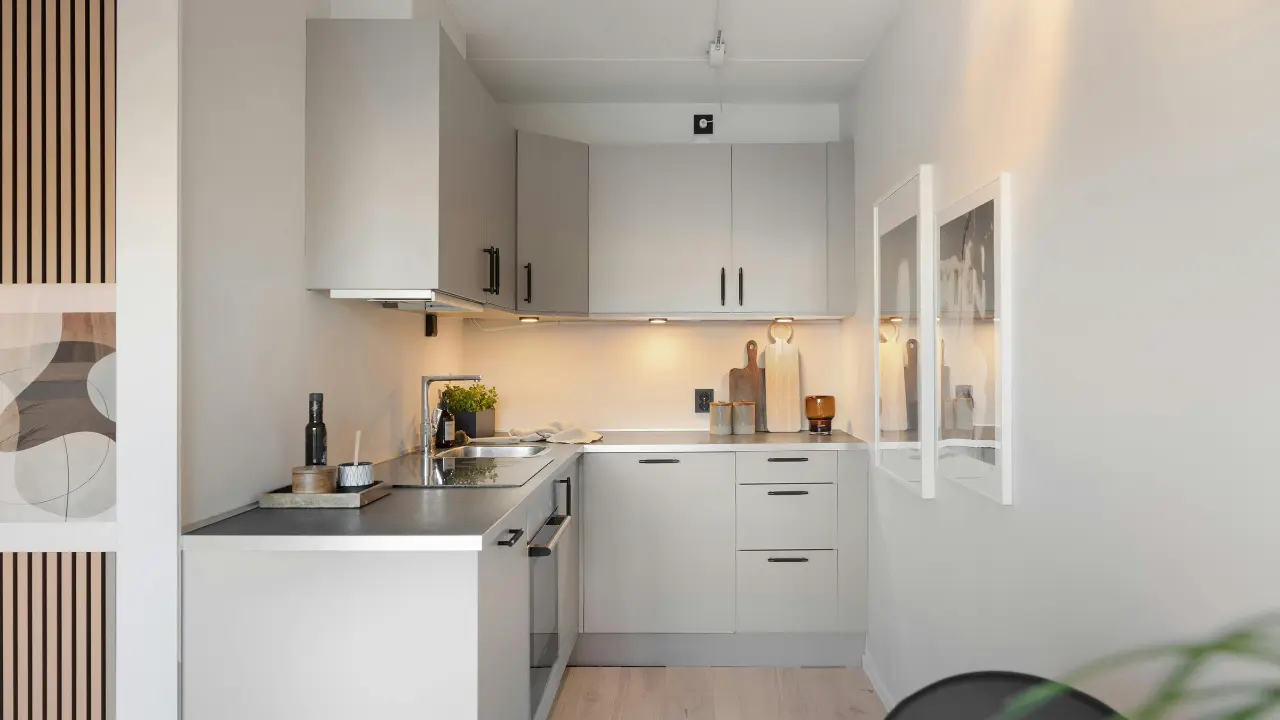
Open kitchen shelves can completely change the feeling of a kitchen. Instead of making every wall look like a solid block of cabinetry, open shelving introduces space, texture, and opportunities to display the things you actually use.
But there is a catch: open shelves can also become cluttered quickly.
The difference between an attractive shelf and a messy one usually comes down to styling, proportion, color, and organization. The goal of aesthetic open shelving kitchen decor is not to fill every inch with decorative objects. It is to create a useful display that feels intentional while still working for everyday kitchen life.

In this guide, you’ll find practical open shelving ideas for modern, minimalist, farmhouse, Scandinavian, Japandi, cottage, and organic-modern kitchens. You’ll also learn what to display, which materials and colors work well, how to style shelves without clutter, and when open shelving may not be the right choice.
What Is Aesthetic Open Shelving Kitchen Decor?
Aesthetic open shelving kitchen decor combines open storage with intentional interior styling.
Unlike a basic shelf that simply provides storage, an aesthetically styled shelf considers the relationship between the objects, the kitchen cabinets, backsplash, countertop, lighting, and overall color palette.
The best shelves usually combine useful items with a small amount of decoration.
How Aesthetic Open Shelving Differs From Basic Kitchen Shelves
A basic kitchen shelf answers one question:
Where can I put this?
A thoughtfully styled open shelf asks several more:
- Does the item fit the overall color palette?
- Does the arrangement have enough visual breathing room?
- Are different heights and textures represented?
- Are frequently used objects easy to reach?
- Does the shelf complement the rest of the kitchen?
This is why a shelf with five carefully selected objects can look more sophisticated than one packed with fifteen unrelated items.
Why Open Shelving Works in Modern Kitchens
Open shelving can make a kitchen wall feel visually lighter because it breaks up large areas of closed cabinetry.
It can also:
- keep everyday items within easy reach
- showcase attractive ceramics and glassware
- introduce natural wood and other textures
- create a focal point
- make a small kitchen feel less visually enclosed
- add personality without requiring a full renovation
Open shelving above countertops is also being used as a practical storage solution in contemporary kitchens, particularly for accessible everyday items.
The Balance Between Decor and Function
A useful styling framework is the 70/30 principle: think of roughly 70% functional or everyday pieces and 30% decorative accents.
This is not a strict interior-design rule.
It simply encourages you to avoid turning an open shelf into a display case filled with objects that have no relationship to your daily kitchen routine.
For example, plates, bowls, mugs, glasses, and cutting boards can provide the functional foundation. A vase, plant, artwork, or vintage container can then provide the decorative layer.
Is Open Kitchen Shelving Still Popular in 2026?
Open shelving remains relevant, but the way designers use it has become more intentional.
Rather than covering an entire kitchen with exposed storage, many contemporary designs use open shelves selectively alongside closed cabinets and integrated storage.
Current kitchen design coverage also points toward storage that feels integrated into the architecture, while open shelving is used strategically to provide accessibility and visual interest.
The Shift Toward More Personal Kitchens
Kitchen design in 2026 is moving toward spaces that feel less sterile and more connected to the rest of the home.
Common characteristics include:
- warmer wood tones
- natural materials
- tactile finishes
- furniture-like cabinetry
- layered textures
- personalized accessories
- a mixture of open and concealed storage
This makes open shelving particularly useful because it gives homeowners somewhere to display objects that make the kitchen feel personal rather than purely functional.
Why Homeowners Still Choose Open Shelving
Open shelves can be appealing because they offer:
Easy access: Frequently used dishes and mugs are immediately visible.
Visual openness: Shelves can feel lighter than another row of solid cabinets.
Decorative flexibility: You can change the display without remodeling the kitchen.
Personality: Ceramics, artwork, plants, and vintage objects can reflect your taste.
Potential affordability: A simple shelf installation can sometimes provide storage and visual impact without the expense of a full cabinet installation.
When Open Shelving May Not Be the Best Choice
Open shelving is not automatically better than cabinets.
Consider closed storage if your kitchen produces a lot of grease, you dislike frequent dusting, or you prefer countertops and walls to look visually quiet.
Other drawbacks include:
- visible clutter
- more frequent cleaning
- limited concealed storage
- objects exposed to kitchen grease
- the need for more intentional organization
Designers have also pointed out that open shelves can work best when they hold a select number of attractive or useful pieces rather than becoming overloaded with everyday dinnerware.
15 Aesthetic Open Shelving Kitchen Decor Ideas
1. Layer Neutral Ceramic Dinnerware
Neutral ceramics are one of the easiest ways to create a calm, cohesive shelf.
Try combining:
- white plates
- cream bowls
- beige mugs
- handmade-looking pottery
- subtly textured ceramics
Instead of stacking everything perfectly, introduce small differences in shape and height.
A stack of plates can sit beside upright bowls, while a small ceramic vase adds another vertical element.
The result feels collected without looking chaotic.
2. Mix Wooden Shelves With Warm Kitchen Decor
Natural wood immediately adds warmth to an open shelf.
Popular choices include:
- oak
- walnut
- maple
- reclaimed wood
Oak works especially well with light and neutral kitchens, while walnut can create stronger contrast in white or cream spaces.
You don’t need every wooden object to match the shelf exactly. In fact, slightly different wood tones can make the arrangement feel more natural.
Try pairing wooden shelves with:
- cutting boards
- wooden bowls
- woven baskets
- neutral ceramics
- linen textiles
3. Create a Minimalist Coffee Shelf
A dedicated coffee shelf can combine function and personality.
Display:
- your favorite mugs
- coffee canisters
- a small tray
- a coffee grinder
- a small plant
- one piece of artwork
Keep the arrangement compact rather than displaying every coffee accessory you own.
For a sophisticated look, use matching containers and limit the palette to two or three main colors.
4. Add Greenery for a Biophilic Kitchen Look
Plants can soften the hard surfaces commonly found in kitchens.
Consider:
- trailing plants
- small potted herbs
- compact houseplants
- fresh flowers
- dried botanical stems
Herbs are particularly useful because they combine decoration with function.
However, avoid placing plants where water, soil, or leaves could regularly fall onto food-preparation areas.
5. Style With Glassware and Clear Containers
Glassware can create a lighter visual effect than large opaque objects.
Try displaying:
- drinking glasses
- glass pitchers
- carafes
- clear storage jars
- glass spice containers
Clear containers can also make pantry ingredients easier to identify.
For a cohesive arrangement, repeat similar shapes rather than mixing too many unrelated container styles.
6. Use Cutting Boards as Decorative Layers
Cutting boards are perfect examples of functional objects that can also become part of your kitchen decor.
Lean two or three boards against the backsplash rather than laying them flat.
Mix:
- round boards
- rectangular boards
- handled boards
- different natural wood tones
This creates height and texture while keeping the pieces available for everyday cooking.
7. Add Small Pieces of Kitchen Artwork
Open shelves don’t need to contain only kitchenware.
A small framed print can break up a repetitive arrangement of plates and bowls.
Consider:
- botanical prints
- food illustrations
- vintage-inspired artwork
- small abstract pieces
- simple typography
Keep artwork limited. Too many frames can make the shelf look like a gallery rather than a kitchen storage area.
8. Combine Ceramics, Wood, and Textiles
Texture is one of the easiest ways to make simple kitchen shelves look more sophisticated.
Combine:
- ceramic
- wood
- linen
- woven materials
- stone
- glass
For example, a ceramic vase can sit beside a wooden cutting board, with a folded linen tea towel in a small basket underneath.
The objects don’t need to match perfectly. They simply need to feel compatible.
9. Create a Monochromatic Open Shelf
A monochromatic shelf can look particularly refined.
Try:
- all-white
- cream and beige
- black and white
- warm taupe
- soft gray
The trick is to introduce texture when color variation is limited.
For example, a cream ceramic bowl, linen textile, matte vase, and light-oak cutting board can create depth without requiring several bright colors.
10. Try an Earth-Toned Kitchen Shelf
Earth tones are useful when you want your kitchen to feel warm and grounded.
Consider:
- terracotta
- olive green
- beige
- clay
- natural wood
- warm brown
These shades work especially well with organic-modern, Mediterranean-inspired, rustic, and contemporary kitchens.
11. Style Shelves Around a Single Color Accent
You don’t need a rainbow of colors to create personality.
Choose one accent shade and repeat it several times.
Examples include:
- blue ceramics
- sage green glassware
- black accessories
- muted yellow pottery
Keep the rest of the shelf relatively neutral so the accent color has room to stand out.
12. Use Vintage Kitchen Pieces as Focal Points
A vintage object can give an otherwise modern kitchen a sense of history.
Try displaying:
- vintage-style crockery
- old cookbooks
- retro containers
- brass accessories
- antique-inspired jars
You only need one or two statement pieces.
Too many vintage objects can make the shelf look themed rather than naturally collected.
13. Add Baskets for Hidden Visual Storage
Open shelving doesn’t mean everything needs to be visible.
Small baskets can conceal less attractive items while maintaining a cohesive appearance.
Use them for:
- napkins
- tea towels
- small kitchen supplies
- reusable shopping bags
- miscellaneous accessories
Woven baskets also introduce texture and help break up rows of hard ceramic and glass objects.
14. Create a Functional Herb and Spice Shelf
A small shelf dedicated to herbs and spices can be both attractive and practical.
Use:
- matching spice jars
- simple labels
- wooden trays
- small herb pots
- glass containers
Keep frequently used spices within easy reach.
If the shelf is close to the stove, remember that cooking grease can accumulate more quickly, so easy-to-clean containers are preferable.
15. Keep a Clean, Curated “Less Is More” Shelf
Sometimes the most aesthetic solution is simply removing items.
Try:
- fewer objects
- more negative space
- coordinated colors
- different object heights
- intentional grouping
If your shelf looks crowded, don’t immediately buy new organizers.
Remove several pieces first.
Often, editing what you already own produces a bigger visual improvement than adding more decoration.
How to Style Open Kitchen Shelves Without Making Them Look Cluttered
The most important rule is simple:
Don’t treat every inch of shelf space as storage space.
Start With the Largest Objects
Begin with your largest pieces:
- plates
- bowls
- pitchers
- cutting boards
- larger decorative objects
Then fill smaller gaps with mugs, jars, plants, and other accessories.
Starting with tiny objects often produces an arrangement that feels scattered.
Group Items in Odd Numbers
Groups of three or five can create a relaxed visual rhythm.
For example:
- three ceramic pieces
- three mugs
- three small jars
This is a styling guideline, not a requirement. If two objects work better together, use two.
Vary Heights and Shapes
Avoid placing every item at the same height.
Combine:
- tall objects
- medium-height pieces
- low bowls
- horizontal boards
- vertical artwork
This creates visual movement.
Leave Negative Space
Empty space is not wasted space.
It gives individual objects room to breathe and makes the entire shelf easier to understand visually.
If everything touches everything else, the shelf will usually look cluttered regardless of how attractive the individual pieces are.
Repeat Materials Throughout the Kitchen
Repetition creates cohesion.
Examples:
- wood shelves + wooden cutting boards
- brass hardware + brass accessories
- ceramic backsplash + ceramic dishes
- woven stools + woven baskets
The goal isn’t perfect matching. It is creating subtle connections.
Best Color Schemes for Aesthetic Open Shelving Kitchen Decor
White and Natural Wood
A classic combination for Scandinavian, minimalist, coastal, and modern kitchens.
Beige and Warm Oak
This pairing creates a softer, warmer atmosphere than stark white.
Sage Green and Cream
A useful palette for kitchens that want a subtle connection to nature.
Black, White, and Wood
Black provides contrast while wood prevents the palette from feeling too cold.
Terracotta and Earth Tones
Ideal for warmer, rustic, Mediterranean, and organic-inspired kitchens.
Blue and Neutral Kitchen Decor
Blue ceramics can become the focal point against white, cream, or natural wood.
Warm Minimalist Neutral Palette
Combine:
- ivory
- beige
- taupe
- warm gray
- natural wood
For the most cohesive result, choose one dominant color, one supporting neutral, and one accent color.
Best Materials for Aesthetic Open Kitchen Shelves
Natural Wood Shelves
Wood remains one of the most versatile options.
Popular choices include:
- oak
- walnut
- maple
- reclaimed wood
Wood works well because it introduces natural variation and warmth.
Painted Wood Shelves
Painted shelves can blend into cabinetry or create contrast.
White shelves can disappear visually, while dark colors can create a strong focal point.
Metal Shelving
Metal can work well in industrial, contemporary, and minimalist kitchens.
Black metal creates contrast, while brass or bronze can add warmth.
Stone or Stone-Look Shelves
Stone can provide a more architectural appearance and coordinate with countertops.
However, consider weight, installation requirements, and maintenance before choosing a heavy material.
Glass Shelves
Glass creates a visually light appearance and can work well in contemporary kitchens.
It is best suited to carefully edited displays because fingerprints and dust can become noticeable.
When selecting a shelf material, consider more than appearance. Think about weight capacity, moisture exposure, cleaning requirements, installation, and how well the finish works with your existing kitchen.
Aesthetic Open Shelving Ideas for Small Kitchens
Small kitchens can benefit from open shelves, but restraint is especially important.
Use One or Two Shelves Instead of a Full Wall
A small installation can provide visual openness without sacrificing too much concealed storage.
Install Shelves Above a Countertop
This location is practical for mugs, everyday dishes, jars, and small decorative objects.
Use Narrow Shelves for Small Walls
Deep shelves aren’t always necessary.
A shallower shelf can reduce visual bulk and still accommodate smaller objects.
Choose Light Colors to Keep the Space Open
White, cream, pale wood, and other lighter finishes can help maintain an airy appearance.
Combine Open Shelves With Closed Cabinets
This is often one of the most practical solutions.
Use open shelves for attractive or frequently used objects and cabinets for bulkier, less attractive, or rarely used items.
Use Shelves for Everyday Items Rather Than Pure Decoration
In a small kitchen, every inch should work.
A stack of bowls you use daily can be more useful than several decorative accessories.
Aesthetic Open Shelving Ideas for Large Kitchens
Larger kitchens give you more flexibility, but that doesn’t mean every wall needs open storage.
Full-Wall Open Shelving
A large wall can accommodate a more substantial display, especially when the styling is carefully edited.
Open Shelves Around a Range Hood
Shelves can visually frame a range hood and create symmetry.
Keep heat, grease, and cleaning requirements in mind when deciding what to display near cooking areas.
Open Shelving Beside a Kitchen Island
This can provide additional storage without making the island itself feel overloaded.
Floor-to-Ceiling Display Shelves
Tall shelving can create an architectural focal point.
Use the lower sections for functional storage and the upper sections for less frequently accessed decorative pieces.
Built-In Shelving With Cabinetry
Combining open shelving with closed cabinetry gives you both display space and concealed storage.
Create a Dedicated Coffee or Breakfast Station
A larger kitchen may have enough room for a dedicated open-shelf zone containing:
- mugs
- coffee supplies
- tea
- jars
- small appliances
- decorative pieces
What Should You Put on Open Kitchen Shelves?
Functional Items
Consider displaying:
- plates
- bowls
- mugs
- glasses
- serving dishes
These objects naturally belong in a kitchen and can contribute to the overall aesthetic.
Decorative Items
Use accents such as:
- vases
- pottery
- artwork
- small sculptures
Use these sparingly.
Natural Elements
Natural elements can soften a kitchen:
- herbs
- plants
- flowers
- wooden accessories
Storage Accessories
Useful storage pieces include:
- baskets
- jars
- trays
- labeled containers
Choose containers that complement the overall design.
Items to Avoid Displaying
Open shelves are usually not the best place for:
- excessive plastic packaging
- mismatched disposable containers
- too many appliances
- damaged kitchenware
- rarely used objects
- visually chaotic packaging
If you wouldn’t want to look at something every day, it may be better behind a cabinet door.
Open Shelving Kitchen Decor by Interior Design Style
Modern
Use clean lines, restrained colors, natural wood, glass, and a limited number of decorative objects.
Minimalist
Keep the palette simple and prioritize negative space.
Display only items that are useful or genuinely contribute to the room.
Scandinavian
Combine pale wood, white or cream ceramics, natural textiles, and simple greenery.
Farmhouse
Use natural wood, ceramic pitchers, baskets, vintage-inspired pieces, and warm neutral colors.
Japandi
Keep the arrangement calm and understated.
Use natural wood, earthy neutrals, handmade ceramics, and minimal decoration.
Cottage Kitchen
Layer ceramics, floral pieces, vintage accessories, soft colors, and natural materials.
The styling can be slightly more collected without becoming chaotic.
Traditional
Consider classic ceramics, brass details, framed artwork, decorative serving pieces, and richer wood tones.
Organic Modern
Mix natural wood, stone, ceramics, greenery, and warm neutral colors.
Texture is more important than excessive decoration.
Mid-Century Modern
Use warm wood, simple ceramics, sculptural objects, and carefully selected color accents.
Avoid filling the shelves with unrelated retro accessories.
How to Mix Open Shelving With Closed Kitchen Cabinets
Open and closed storage don’t need to compete.
In many kitchens, they work best together.
Open Shelves for Display, Cabinets for Clutter
Use shelves for attractive everyday items.
Use cabinets for:
- bulky cookware
- food packaging
- cleaning supplies
- appliances
- rarely used kitchen equipment
Create Visual Balance
If one side of the kitchen has several open shelves, consider using closed cabinetry elsewhere to prevent the room from feeling visually busy.
Match Shelf Material to Cabinet Finish
The shelf doesn’t need to be identical to the cabinets.
It should, however, relate to them through:
- color
- wood tone
- hardware
- texture
- overall style
Use Open Shelving as a Focal Point
Rather than scattering shelves throughout the kitchen, consider creating one intentional display zone.
Avoid Making Every Wall Open Storage
A kitchen needs visual rest.
Too much open storage can make even a large kitchen feel crowded.
How to Organize Aesthetic Open Kitchen Shelves
Arrange Items by Frequency of Use
Keep everyday items at comfortable reach.
Less frequently used pieces can occupy higher shelves.
Use Matching Containers
Matching containers can immediately reduce visual noise.
This is especially useful for:
- coffee
- tea
- grains
- spices
- baking ingredients
Create Visual Zones
Instead of mixing everything together, create small zones.
For example:
Coffee zone: mugs, coffee canister, tray.
Dinnerware zone: plates and bowls.
Decor zone: vase, artwork, plant.
Keep Heavy Items on Lower Shelves
Heavy dishes and cookware should be placed where they are easy and safe to access.
Always follow the shelf manufacturer’s installation and weight-capacity requirements.
Rotate Seasonal Decor
You don’t need every decorative object displayed all year.
Rotate a few accents seasonally while keeping the main functional arrangement consistent.
Leave Space for Everyday Use
An open shelf should remain usable after you style it.
If you have to move five objects every time you need a mug, the styling is too restrictive.
Lighting Ideas for Open Kitchen Shelving
Lighting can turn an ordinary shelf into a focal point.
Under-Shelf LED Lighting
LED strips or linear fixtures can illuminate countertops and highlight objects.
Warm White Lighting
Warm lighting generally works well with:
- natural wood
- cream
- beige
- brass
- earthy colors
Recessed Lighting
Recessed fixtures can provide general illumination without adding another visible decorative element.
Wall Sconces Near Open Shelves
Sconces can add architectural interest, especially when positioned symmetrically.
How Lighting Changes Shelf Styling
Lighting can emphasize:
- ceramic texture
- wood grain
- glass
- artwork
- plants
Avoid lighting that creates harsh reflections on glassware or makes the shelf look dramatically brighter than the rest of the kitchen.
Common Open Shelving Kitchen Decor Mistakes
Too Many Decorative Objects
More decoration does not necessarily mean more style.
Edit aggressively.
Using Too Many Colors
A large mix of unrelated colors can make a small display feel chaotic.
Ignoring Shelf Depth
Deep shelves may accommodate more objects but can also encourage unnecessary accumulation.
Placing Everything at the Same Height
Uniform height creates a flat visual rhythm.
Mix vertical and horizontal pieces.
No Negative Space
Leave breathing room between groups.
Displaying Items You Never Use
If an object is difficult to clean and has no meaningful decorative value, consider storing it elsewhere.
Choosing Shelves That Cannot Support the Weight
Aesthetic appeal should never come before safe installation.
Consider the shelf material, brackets, wall construction, anchors, and intended load.
Forgetting Cleaning and Grease Exposure
Shelves close to cooking areas may collect grease and dust more quickly.
Choose easy-to-clean objects and finishes in those locations.
How to Make Open Kitchen Shelves Look Expensive
You don’t need expensive accessories to create a refined appearance.
Choose Fewer, Better-Looking Pieces
A small collection of attractive pieces usually looks more intentional than a shelf full of inexpensive objects.
Invest in Natural Materials
Wood, ceramic, stone, glass, and woven materials can add texture.
Repeat a Cohesive Color Palette
Choose a small number of colors and repeat them throughout the arrangement.
Use Handmade or Textured Ceramics
Subtle irregularities can add character.
Add One or Two Statement Pieces
A beautiful vase, serving bowl, artwork, or vintage object can become a focal point.
Use Warm Lighting
Appropriate lighting can make simple materials appear richer.
Keep the Styling Uncluttered
The most important “luxury” trick is often editing.
A shelf with fewer carefully selected objects can look considerably more sophisticated than an overcrowded display.
Aesthetic Open Shelving Kitchen Decor on a Budget
You don’t need a major kitchen renovation to change the appearance of open shelves.
Shop Your Existing Kitchen
Before buying anything, remove everything and restyle the shelf using objects you already own.
You may discover that your existing dinnerware, cutting boards, jars, and cookbooks are enough.
Mix Affordable Pieces With One Statement Item
Spend more on one focal piece if desired, while keeping the rest simple.
Use Secondhand Ceramics
Thrift stores, flea markets, estate sales, and secondhand marketplaces can be useful sources for distinctive pieces.
DIY Simple Wood Shelves
Basic wood shelves can sometimes be a budget-friendly option, provided the installation is appropriate for the wall and expected load.
Repurpose Vintage Containers
Old jars, trays, and containers can become useful decorative storage.
Update the Shelf Styling Instead of Remodeling the Kitchen
Changing the arrangement, colors, and accessories can create a noticeable visual difference without replacing cabinets or countertops.
Open Shelving vs. Closed Cabinets
| Feature | Open Shelving | Closed Cabinets |
|---|---|---|
| Visual openness | High | Medium |
| Accessibility | Excellent | Good |
| Dust protection | Low | High |
| Display potential | Excellent | Limited |
| Cleaning | More frequent | Easier |
| Cost | Can be lower | Usually higher |
| Best for | Display + daily use | Hidden storage |
Neither option is universally better.
The right choice depends on how much you want to display, how often you clean, how much concealed storage you need, and how your kitchen is used.
How to Choose the Right Open Shelving for Your Kitchen
Measure the Available Wall
Measure the width, height, and usable depth before purchasing or building shelves.
Also consider nearby:
- cabinets
- windows
- doors
- outlets
- appliances
- lighting fixtures
Consider Shelf Depth
A deeper shelf provides more storage but may look heavier.
A shallower shelf creates a lighter appearance but limits the size of objects you can display.
Check Weight Capacity
Consider the combined weight of:
- dishes
- glassware
- ceramics
- containers
- decorative pieces
Use appropriate mounting hardware and follow manufacturer specifications.
Choose the Right Finish
Think about how the shelf will interact with:
- cabinets
- backsplash
- countertops
- flooring
- hardware
Consider Your Cleaning Routine
If you dislike frequent dusting, a heavily styled open shelf may become frustrating.
Match the Shelves to the Existing Kitchen
The shelves should look like part of the kitchen rather than an unrelated addition.
Think About What You Actually Need to Store
Before choosing shelf dimensions, decide what will live there.
A shelf designed around your real dishes and containers will be more successful than one designed around an empty inspiration photo.
Aesthetic Open Shelving Kitchen Decor: Pros and Cons
Pros
- Visually lighter
- Easy access
- Flexible styling
- Personalization
- Potentially lower installation cost
- Useful for small spaces
- Makes everyday objects part of the decor
Cons
- Dust exposure
- Grease exposure
- More visible clutter
- Requires intentional styling
- More frequent cleaning
- Less concealed storage
The best solution for many kitchens is a combination of open shelving and closed cabinetry.
Sustainable Open Shelving Kitchen Decor Ideas
Sustainable kitchen styling doesn’t have to mean buying products labeled “eco-friendly.”
Long-term usefulness matters too.
Choose Durable Materials
Select shelves and accessories that are designed to withstand normal kitchen use.
Consider Reclaimed Wood
Reclaimed wood can provide distinctive character while giving an existing material another use.
Check its condition, treatment, and suitability for indoor kitchen applications before installation.
Buy Fewer, Longer-Lasting Decor Pieces
Instead of continually replacing seasonal accessories, choose pieces you genuinely enjoy.
Reuse Existing Kitchenware
Your existing dishes, cutting boards, jars, and containers can often become part of a new shelf arrangement.
Choose Repairable and Replaceable Components
Where possible, select shelves with replaceable hardware and finishes that can be maintained over time.
The most sustainable-looking kitchen is not necessarily the one filled with natural materials. It is often the one designed to remain useful and attractive for years rather than being repeatedly replaced.
Frequently Asked Questions About Aesthetic Open Shelving Kitchen Decor
How do I make open kitchen shelves look aesthetic?
Start with a limited color palette and a mixture of functional and decorative objects. Vary heights, repeat materials, group similar pieces, and leave visible negative space between arrangements.
What looks good on open kitchen shelves?
Ceramic dishes, mugs, glassware, cutting boards, plants, vases, cookbooks, baskets, and carefully selected artwork can all work well.
The best objects depend on the kitchen’s style and how frequently the shelves are used.
How do you decorate open shelves without clutter?
Begin with fewer objects than you think you need. Create small visual groups, vary heights, repeat colors or materials, and leave empty areas between groups.
If the shelf still looks crowded, remove items before adding organizers.
What color looks best for open kitchen shelving?
There is no single best color.
Natural wood, white, cream, black, sage, blue, terracotta, and warm neutral palettes can all work depending on the cabinetry, backsplash, countertops, and overall kitchen style.
Are open shelves practical in a kitchen?
They can be very practical when used for items that are frequently accessed and easy to clean.
They may be less practical for people who prefer concealed storage or want to minimize cleaning.
How many items should I put on an open kitchen shelf?
There is no universal number.
The right amount depends on shelf length, object size, visual weight, and the amount of negative space.
A shorter shelf may need only a few objects, while a long built-in shelf can accommodate several coordinated groups.
What type of wood is best for open kitchen shelves?
Oak, walnut, maple, and other durable wood options can work well.
The best choice depends on the desired appearance, available budget, structural requirements, moisture exposure, and relationship to the existing cabinetry.
Are open kitchen shelves hard to keep clean?
They can require more frequent dusting than closed cabinets because objects remain exposed.
Shelves near cooking areas can also accumulate grease faster, so choosing washable accessories and maintaining a simple display can make cleaning easier.
SEO note: These FAQs are included because they address genuine reader questions. They should not be treated as a guaranteed Google FAQ-rich-result strategy. Google removed the FAQ rich-result documentation in 2026, and the FAQ rich result is no longer shown in Google Search.
Final Styling Checklist
Before considering your open shelves finished, check the following:
- Choose a limited color palette.
- Mix useful and decorative objects.
- Vary object heights.
- Repeat materials throughout the kitchen.
- Leave intentional negative space.
- Keep heavy objects safely supported.
- Use baskets to conceal visual clutter.
- Add greenery where appropriate.
- Install practical lighting.
- Keep frequently used items accessible.
- Remove objects you don’t actually need.
- Re-edit the shelves periodically.
A shelf does not have to remain exactly the same throughout the year. Small changes can keep the kitchen feeling fresh without creating unnecessary consumption.
Conclusion
Aesthetic open shelving kitchen decor works best when beauty and function are planned together.
The most successful kitchen shelves aren’t simply filled with attractive objects. They reflect how the kitchen is actually used.
Start with useful pieces such as plates, bowls, mugs, glasses, cutting boards, and containers. Then add a smaller number of decorative elements such as plants, ceramics, artwork, baskets, or vintage accessories.
Keep the color palette controlled, vary heights and textures, and leave enough negative space for the display to breathe. If your kitchen is small, use open shelving selectively and combine it with closed cabinets. If you have a larger kitchen, consider creating a dedicated display or coffee station rather than turning every wall into open storage.
Most importantly, don’t copy an inspiration photo exactly.
Use the ideas that fit your kitchen, your storage needs, your cleaning routine, and your personal style.
That is what turns open shelving from a decorative trend into a genuinely useful part of a beautiful kitchen.