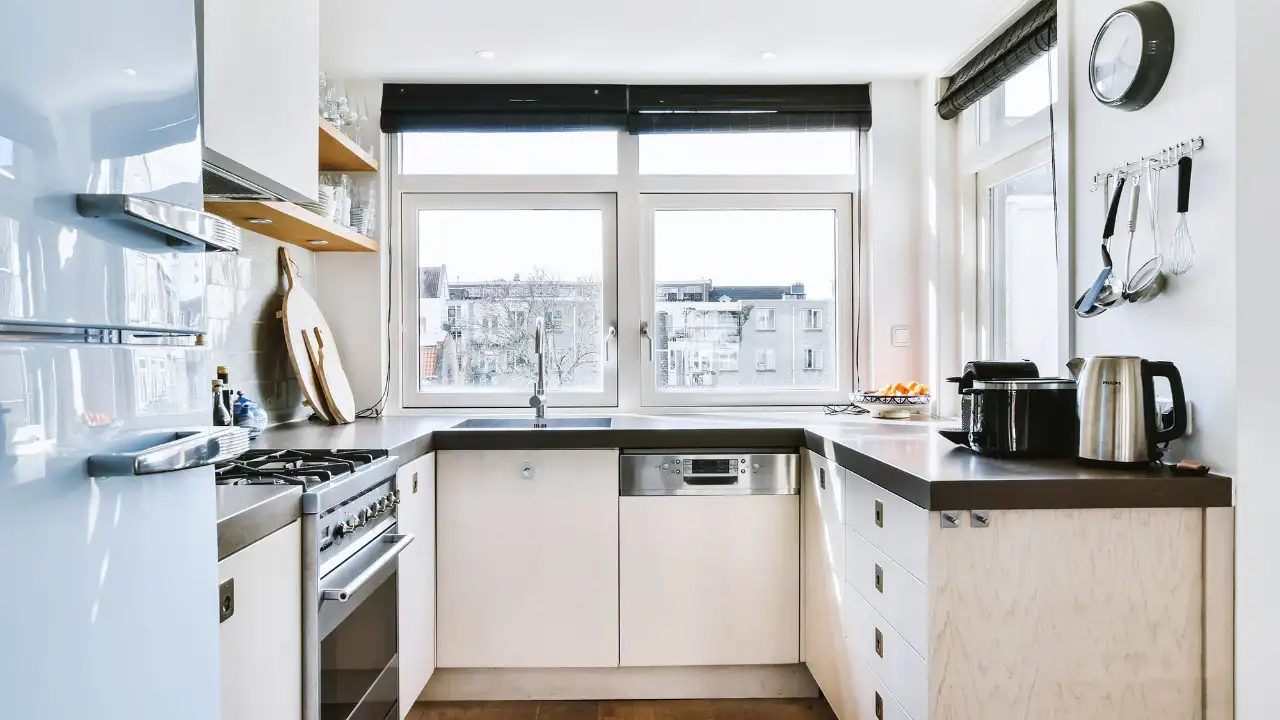
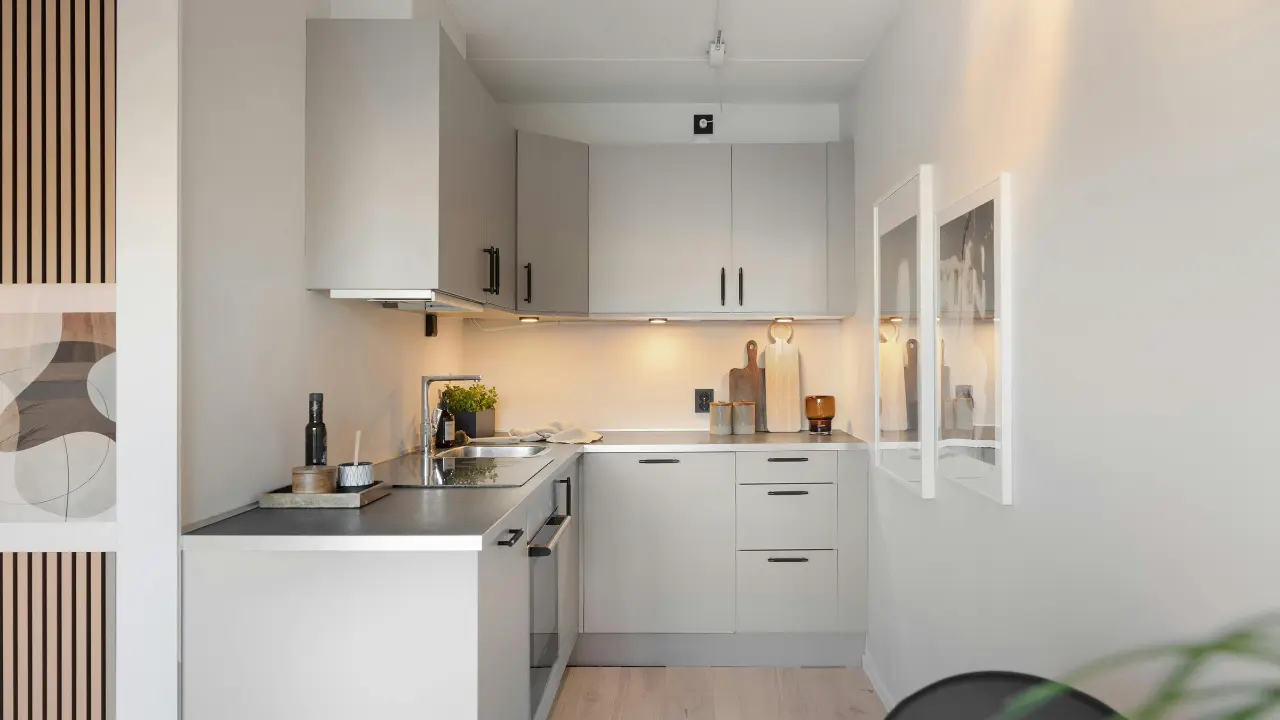
The kitchen is one of the hardest-working rooms in a home, but that does not mean it has to look purely functional. With thoughtful styling, even a basic kitchen can feel warmer, more organized, and more personal. The best kitchen decor ideas combine beauty with everyday practicality, helping you create a space that looks intentional without getting in the way of cooking and cleaning.
You do not necessarily need a complete renovation to change the atmosphere. A new pendant light, attractive cabinet hardware, a kitchen runner, fresh greenery, carefully styled shelves, or a few well-chosen countertop accessories can make a noticeable difference.
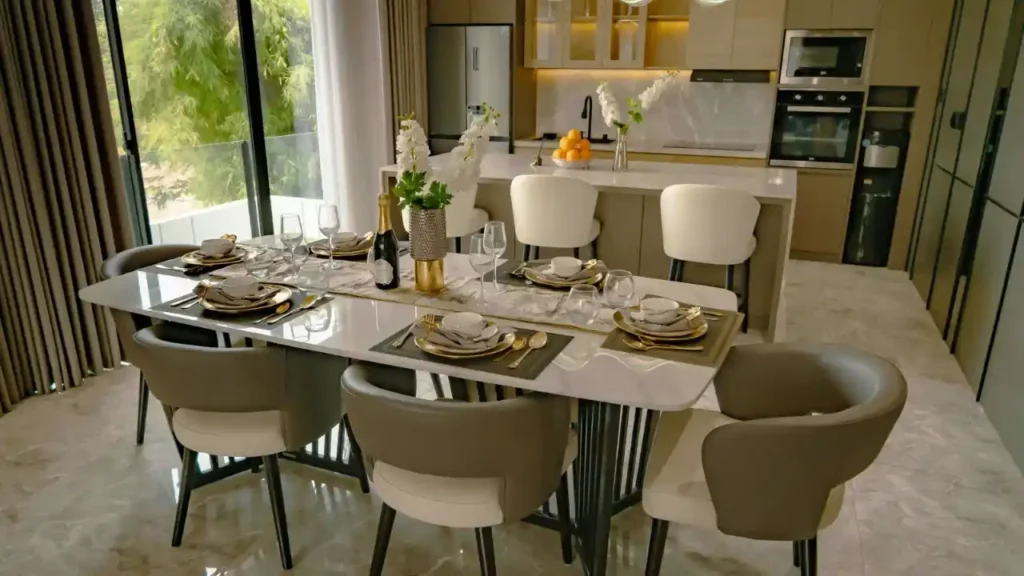
Whether you prefer modern minimalism, cozy farmhouse style, Scandinavian simplicity, natural organic interiors, or a more luxurious look, the key is to coordinate color, materials, texture, lighting, and function. This guide covers practical kitchen decorating ideas for large and small spaces, renters, homeowners, and a range of budgets.
What Is Kitchen Decor?
Kitchen decor includes the visual and functional accessories used to personalize and style a kitchen. These can include artwork, lighting, rugs, plants, ceramics, storage containers, hardware, textiles, cookbooks, and countertop accessories.
Decor is generally easier to change than permanent elements such as cabinetry, flooring, countertops, or the kitchen layout. That makes it a useful way to refresh the room without committing to a major remodel.
Kitchen Decor vs. Kitchen Design
Kitchen design usually involves larger decisions such as:
- Cabinet layout
- Countertops
- Flooring
- Backsplash
- Plumbing
- Appliances
- Lighting infrastructure
- Storage
- Room layout
Kitchen decor focuses more on the finishing elements that give the room character.
For example, changing a countertop is a major design project, while placing a wooden tray with a ceramic vase and a small plant on that countertop is decoration.
The two areas overlap, but understanding the difference can help you decide where to spend your time and budget.
What Makes Kitchen Decor Look Cohesive?
Cohesive decor does not mean everything has to match perfectly. Instead, the elements should feel as though they belong together.
Pay attention to:
- A consistent color palette
- Repeated materials
- Appropriate scale
- Balanced decoration
- Functional accessories
- Layered textures
- Intentional placement
- Coordinated finishes
For example, a kitchen with warm white cabinets, oak accessories, brass hardware, and cream-colored ceramics will generally feel more unified than one containing many unrelated colors and finishes.
Why Function Should Come Before Decoration
A kitchen needs to work.
Decor should not block preparation surfaces, interfere with cabinet doors, create cleaning problems, obstruct walkways, or sit too close to heat sources.
Before adding an accessory, ask whether it is:
- Useful,
- Visually valuable, or
- Both.
The strongest kitchen styling often combines practical objects with decorative appeal.
35 Best Kitchen Decor Ideas for 2026
1. Style the Kitchen Countertops
Countertops are one of the easiest places to introduce decorative personality.
Try combining a wooden cutting board, ceramic container, fruit bowl, small plant, or decorative tray. Keep the arrangement compact rather than spreading objects across the entire surface.
For a polished appearance, group smaller objects together and leave generous areas of clear workspace.
2. Add a Decorative Kitchen Runner
A kitchen runner can introduce color, pattern, texture, and softness without changing the cabinetry or countertops.
Choose a runner that fits the available floor area without interfering with cabinet doors or major walkways. Washable or easy-care materials can be particularly practical in areas exposed to spills and food debris.
A muted pattern can work well in a neutral kitchen, while a simple solid color can calm a space that already has strong visual details.
3. Create a Coffee Station
A coffee station can turn an everyday routine into a decorative feature.
Use a compact section of countertop with:
- Coffee machine
- Mugs
- Canisters
- Small tray
- Floating shelf
- Artwork
Keep frequently used items accessible while storing less attractive supplies elsewhere.
A coordinated mug collection or matching storage containers can make the station feel intentional rather than improvised.
4. Decorate Open Kitchen Shelves
Open shelves can combine storage and decoration.
Display a mixture of:
- Ceramic dishes
- Glassware
- Cookbooks
- Plants
- Wooden objects
- Attractive serving pieces
Vary the height of objects and avoid filling every inch of the shelf.
Leaving some empty space allows the displayed pieces to stand out.
5. Add Kitchen Wall Art
Kitchen walls do not have to remain completely empty.
Consider:
- Food-inspired artwork
- Abstract prints
- Botanical illustrations
- Photography
- Vintage-style signs
Choose pieces that complement the kitchen’s existing colors.
Instead of decorating every available wall, create one or two intentional focal points.
6. Use a Statement Pendant Light
Lighting can function as both decoration and practical illumination.
A distinctive pendant above a kitchen island or breakfast table can create a focal point while providing useful light.
Choose the size carefully. A fixture should relate to the dimensions of the island or table rather than appearing disproportionately small or large.
7. Add Greenery
Plants introduce natural color and texture.
Depending on the conditions in your kitchen, consider:
- Fresh herbs
- Small potted plants
- Hanging plants
- Suitable artificial greenery
Place plants where they receive appropriate light and will not interfere with cooking.
A few healthy plants can have more impact than filling every shelf with greenery.
8. Decorate the Kitchen Island
The kitchen island is often a natural focal point.
A decorative tray, bowl, vase, cutting boards, or a small plant can create an attractive arrangement.
Counter stools also contribute to the island’s overall appearance. Choose seating that complements the cabinet color and other materials.
Most importantly, preserve enough open surface for food preparation, serving, and everyday use.
9. Display Beautiful Cookbooks
Cookbooks can add personality and color while remaining genuinely useful.
Place a few favorite books upright on an open shelf or stack a small selection on a counter or island.
Pair them with a ceramic object, small plant, or wooden accessory to create a balanced display.
Avoid stacking too many books where they become difficult to use or clean.
10. Add Natural Wood Accents
Natural wood can soften kitchens dominated by painted cabinetry, stone, or metal.
Use wood through:
- Cutting boards
- Trays
- Stools
- Shelves
- Utensils
Oak can create a light Scandinavian feeling, while darker woods such as walnut can create a richer atmosphere.
Repeating the same or a complementary wood tone in multiple areas can make the decor feel more coordinated.
11. Use Decorative Ceramic Pieces
Ceramics add texture and handmade character.
Consider:
- Vases
- Bowls
- Pitchers
- Canisters
- Decorative pottery
Neutral ceramics can work with almost any palette, while colorful pieces can provide an accent.
Choose a few pieces with different shapes and heights rather than collecting too many similar objects.
12. Add a Fruit Bowl as a Focal Point
A fruit bowl is one of the simplest examples of functional kitchen decor.
A wooden, ceramic, metal, or stone bowl can become a visual anchor on an island or countertop while keeping frequently eaten produce accessible.
Choose a bowl that is appropriately scaled to the surface. A very small bowl can look lost on a large island, while an oversized bowl can consume valuable workspace.
13. Style the Kitchen Sink Area
Even the sink area can contribute to the overall aesthetic.
Consider:
- Attractive soap dispensers
- A small plant
- Wooden cleaning brushes
- A coordinated sponge holder
- A simple tray
Choose materials that can tolerate moisture and are easy to clean.
Avoid placing decorative objects where they interfere with washing dishes or accumulate water.
14. Decorate Above Kitchen Cabinets
The space above upper cabinets can sometimes be used for decoration, particularly when there is enough vertical clearance.
Instead of filling the area with many small objects, consider one or two larger pieces, baskets, pottery, or greenery.
However, if the space is difficult to access or tends to collect dust, leaving it empty may create a cleaner appearance.
Decoration should respond to the room rather than filling every available gap.
15. Add Under-Cabinet Lighting
Under-cabinet lighting is both decorative and practical.
It can illuminate countertops while creating a softer layer of light in the evening.
Use it to highlight backsplash materials, improve visibility during food preparation, and add depth to a kitchen with otherwise limited lighting.
16. Use Decorative Storage Containers
Storage does not have to look purely utilitarian.
Coordinated glass jars, baskets, ceramic canisters, or attractive containers can keep frequently used items organized while contributing to the kitchen’s appearance.
Use labels when helpful, but avoid excessive labeling if you prefer a cleaner aesthetic.
17. Create a Small Herb Garden
Fresh herbs can provide useful greenery while supporting everyday cooking.
Possible locations include:
- A sunny windowsill
- A counter corner
- A small wall planter
- A dedicated herb shelf
Choose plants suited to the amount of available light and keep them away from conditions that could damage them.
18. Add a Kitchen Window Treatment
A window treatment can soften the room and introduce texture.
Options include:
- Roman shades
- Café curtains
- Simple blinds
- Natural woven shades
In a kitchen, choose materials that are practical around moisture, food preparation, and cleaning.
Keep the treatment appropriately scaled so it does not make a small window feel visually heavy.
19. Style a Kitchen Breakfast Nook
If your kitchen includes a dining corner, make it part of the overall decorating scheme.
Use:
- A small table
- Comfortable chairs
- Pendant lighting
- Artwork
- Cushions
- A simple centerpiece
Choose furniture that leaves enough room for people to move around the table comfortably.
20. Introduce Brass or Warm Metal Accents
Warm metals can add sophistication and visual warmth.
Consider using brass or a similar finish on:
- Cabinet hardware
- Faucets
- Lighting
- Small accessories
Repeating the finish in more than one location can create consistency.
You do not need every metal surface to match exactly, but limiting the number of competing finishes can make the kitchen look more organized.
21. Try Matte Black Kitchen Accents
Matte black can create strong contrast in light or neutral kitchens.
Use it for:
- Cabinet hardware
- Faucets
- Lighting
- Frames
- Small accessories
Balance dark accents with lighter surfaces or warm materials when necessary.
22. Use a Soft Neutral Color Palette
Neutral colors create a flexible foundation for kitchen decor.
Consider:
- Cream
- Beige
- Warm white
- Taupe
- Greige
To prevent a neutral kitchen from feeling flat, layer different textures through wood, ceramic, stone, woven materials, and textiles.
23. Add Color Through Accessories
Accessories are an easy place to experiment with color because they are generally easier to replace than cabinets or countertops.
Try accents in:
- Sage green
- Blue
- Terracotta
- Yellow
- Olive
- Muted pink
Use color strategically. A few repeated accents often look more intentional than many unrelated colorful objects.
24. Create a Cozy Farmhouse Kitchen Look
Farmhouse-inspired decor can create a relaxed and welcoming atmosphere.
Use:
- Natural wood
- Shaker-style cabinetry
- Woven baskets
- Vintage-inspired accessories
- Warm lighting
- Ceramic pieces
Avoid turning every surface into farmhouse decor. Combining traditional elements with simpler modern pieces can create a more balanced result.
25. Create a Modern Minimalist Kitchen
Minimalist decor focuses on fewer, better-chosen objects.
Prioritize:
- Clean surfaces
- Simple shapes
- Hidden storage
- Neutral colors
- Functional accessories
- Clear visual lines
The goal is not to make the kitchen empty. It is to ensure that every visible object has a reason to be there.
26. Add Texture With Woven Accessories
Woven materials can make a kitchen feel warmer and more relaxed.
Try:
- Baskets
- Woven trays
- Natural-fiber runners
- Textile accents
They work particularly well in neutral, farmhouse, coastal, Scandinavian, and organic kitchens.
Keep woven pieces away from areas where they are likely to become heavily soiled or exposed to moisture.
27. Use a Decorative Tray to Group Items
A decorative tray is a simple styling tool that creates a visual zone.
Instead of placing a coffee canister, mug, spoon holder, and small plant separately across the counter, group them on one tray.
This creates organization and makes it easier to move the entire arrangement when the counter needs to be cleaned or used for food preparation.
28. Decorate With Seasonal Accents
Seasonal decoration can keep a kitchen feeling fresh.
Consider:
- Spring greenery
- Light summer colors
- Autumn textures
- Winter greenery
Keep seasonal changes relatively subtle if you want the main design to remain timeless.
A seasonal tea towel, small vase, centerpiece, or plant arrangement may be enough.
29. Add a Small Decorative Mirror
A mirror can add visual interest and reflect available light.
Appropriate locations may include a dining area or a wall that does not receive heavy cooking splashes.
Choose a frame that relates to the existing hardware or furniture.
Avoid placing a mirror where it becomes difficult to clean or creates an uncomfortable reflection.
30. Create an Aesthetic Baking Station
If you bake regularly, turn your baking supplies into an organized feature.
A baking station might include:
- Mixing bowls
- Canisters
- Baking tools
- A cookbook
- Wooden boards
Keep everyday items accessible while storing ingredients and equipment that are used less often.
31. Add Personality With Vintage Finds
One or two vintage-inspired pieces can give a kitchen character.
Consider an old-looking ceramic vessel, traditional kitchen scale, vintage artwork, or antique-inspired container.
The goal is to add personality rather than create a themed room.
32. Decorate a Small Kitchen Dining Area
A compact dining space can still become an attractive part of the kitchen.
Choose appropriately scaled:
- Table
- Chairs
- Lighting
- Artwork
- Centerpiece
Avoid oversized furniture that restricts movement.
A small round table can sometimes make circulation easier in a compact dining area, depending on the layout.
33. Use Matching Hardware for an Instant Refresh
Changing cabinet knobs and pulls can make a kitchen feel more coordinated.
Select a finish that works with the faucet and lighting where possible.
Before replacing hardware, check hole spacing and cabinet construction so the new pieces fit properly.
34. Create a Luxury Kitchen Decor Look
Luxury kitchen decor is often more about restraint than excess.
Focus on:
- Refined materials
- Controlled color palettes
- Statement lighting
- Natural stone accents
- Minimal clutter
- Carefully chosen accessories
A single high-impact light fixture or beautiful stone-inspired serving piece can contribute more to the look than many inexpensive decorations.
35. Keep the Decor Timeless
A timeless kitchen does not need to be completely traditional.
Use classic materials, simple forms, restrained colors, and versatile accessories as the foundation.
Then bring in personality through artwork, textiles, lighting, hardware, and smaller decorative objects that can be updated later.
Best Kitchen Countertop Decor Ideas
Countertops need to perform a practical job, so decoration should never completely take over the available workspace.
Minimal Countertop Styling
Start with two or three elements rather than decorating the entire surface.
A cutting board, ceramic container, and small plant can be enough.
Functional Countertop Decor
The easiest objects to style are those you already use.
Wooden boards, attractive coffee equipment, ceramic containers, fruit bowls, and utensil holders can all serve practical purposes.
Wooden Cutting Board Displays
Lean one or two attractive cutting boards against the backsplash.
Different shapes can add interest, but avoid placing too many boards where they become difficult to remove.
Decorative Trays
A tray can organize several small objects into one visual grouping.
It also makes it easier to clear the counter when necessary.
Fruit Bowls and Produce Displays
A bowl of fresh fruit can introduce natural color.
Choose a container that complements the kitchen’s materials and keep it in an area that is convenient for everyday use.
Coffee and Tea Stations
A small coffee or tea station can organize frequently used supplies while creating a recognizable decorative zone.
Ceramic Canisters
Ceramic canisters can conceal everyday ingredients while contributing to the kitchen’s color palette.
Choose a coordinated set if you want a clean look, or mix complementary shapes for a more collected appearance.
Kitchen Wall Decor Ideas
Kitchen walls offer opportunities for personality without consuming countertop space.
Create a Gallery Wall
Combine several smaller pieces around a consistent color theme.
Keep spacing relatively consistent and consider the surrounding cabinetry before deciding on the layout.
Use Botanical Prints
Botanical artwork can complement kitchens with natural wood, green cabinetry, or neutral colors.
Hang Oversized Artwork
One large piece can sometimes create a stronger focal point than several small decorations.
Make sure the artwork is appropriately protected from heat, steam, and splashes.
Install Decorative Shelving
Floating shelves can display ceramics, plants, cookbooks, and useful kitchenware.
Add a Statement Clock
A clock can combine function and decoration, especially in a breakfast area or dining corner.
Use a Small Mirror
A carefully positioned mirror can add visual depth and reflect available light.
Decorate Empty Wall Space Near the Dining Area
Artwork, shelves, or a small display can visually connect the dining area to the kitchen.
Consider the furniture scale and leave enough clearance around chairs and walkways.
Kitchen Shelf Decor Ideas
Open shelves should balance display and function.
A useful 70/30 approach can be treated as a flexible starting point: roughly 70% of what you display can be useful or frequently used, while around 30% can be decorative.
This is not a strict design rule. Your kitchen may look better with a different balance.
Layer Plates and Bowls
Stack similar dishes to create simple visual blocks.
Add Small Plants
A small plant can soften shelves filled with hard ceramic and glass surfaces.
Display Cookbooks
A few cookbooks can add color and personality.
Mix Wood and Ceramic
Wooden objects can warm up ceramic-heavy displays.
Leave Negative Space
Empty shelf space is useful. It allows individual pieces to stand out and makes cleaning and reorganizing easier.
Kitchen Island Decor Ideas
The island should remain useful even when decorated.
Style With a Decorative Tray
Create a small central arrangement with a tray, bowl, and plant.
Add a Bowl of Fruit
This provides a simple focal point while remaining functional.
Use a Vase
A simple vase can add height and color.
Keep it appropriately sized so it does not obstruct conversation or food preparation.
Choose the Right Counter Stools
Stools should complement the island while providing comfortable seating and adequate clearance.
Use Pendant Lighting as Decor
Pendant lights can visually frame the island and help define it as the kitchen’s central feature.
Kitchen Cabinet Decor Ideas
Cabinets cover a large portion of many kitchens, so small changes can have a noticeable effect.
Upgrade Cabinet Hardware
New knobs or pulls can update the appearance without replacing the cabinetry.
Add Glass-Front Display Cabinets
Glass-front doors can create visual variety and provide space for attractive dishes or glassware.
Style the Space Above Cabinets Carefully
If there is usable space above the cabinets, choose a few larger pieces rather than many small objects.
Use Coordinated Cabinet Accessories
Canisters, baskets, labels, and organizers can make visible storage look more intentional.
Consider Two-Tone Cabinet Styling
If you are renovating, combining two complementary cabinet finishes can create contrast.
For example, light cabinetry around the perimeter with a natural wood island can add warmth without requiring many decorative elements.
Small Kitchen Decor Ideas
Small kitchens need decoration that works with the available space.
Use Vertical Space
Shelves, wall-mounted storage, and tall cabinets can help move visual and functional elements upward.
Choose Multi-Functional Decor
A beautiful cutting board can also be useful. A decorative tray can organize coffee supplies. Attractive containers can provide storage.
Keep Counters Mostly Clear
Only display the items you use regularly or that make a meaningful visual contribution.
Use Light Colors
Cream, warm white, pale blue, soft green, and light wood can create an airy appearance.
Add One Strong Focal Point
Choose one feature such as a backsplash, pendant, artwork, or colorful cabinet rather than creating many competing focal points.
Choose Appropriately Scaled Accessories
Small kitchens usually benefit from fewer appropriately sized pieces rather than lots of miniature decorations.
Use Reflective Surfaces Carefully
Glass, polished finishes, and mirrors can reflect light, but use them selectively and consider maintenance.
Modern Kitchen Decor Ideas
Modern kitchen decor generally benefits from simplicity, clean lines, and carefully selected materials.
Focus on:
- Clean lines
- Minimal accessories
- Natural materials
- Statement lighting
- Simple artwork
- Coordinated hardware
- Controlled color palettes
Modern Organic Kitchen Decor
Combine modern cabinetry with wood, stone, ceramics, greenery, and warm neutral colors.
Contemporary Black-and-Wood Decor
Black accents and natural wood can create contrast without requiring complicated decoration.
Minimalist Modern Decor
Use fewer accessories, concealed storage, simple artwork, and uncluttered surfaces.
Cozy Kitchen Decor Ideas
A cozy kitchen should feel comfortable rather than crowded.
Create warmth with:
- Wood
- Soft lighting
- Textiles
- Plants
- Ceramics
- Warm neutrals
- Personal objects
Add Soft Textiles
A washable runner, simple curtains, or comfortable dining cushions can soften hard kitchen surfaces.
Layer Warm Lighting
Combine overhead lighting with pendant, under-cabinet, or accent lighting where appropriate.
Use Natural Materials
Wood, stone, ceramic, and woven textures can add tactile warmth.
Display Everyday Objects Beautifully
A favorite mug collection, cookbook, cutting board, or handmade bowl can make the kitchen feel personal.
Budget-Friendly Kitchen Decor Ideas
You can refresh a kitchen without remodeling it.
Change Cabinet Hardware
This is one of the simplest ways to alter the appearance of cabinetry.
Add a Kitchen Runner
A suitable runner can introduce color and texture.
Introduce Plants
Plants can provide an affordable way to add natural color.
Rearrange Existing Accessories
Before buying anything, remove unnecessary objects and regroup the pieces you already own.
Add Artwork
A carefully chosen print can transform an empty wall.
Upgrade Storage Containers
Coordinated jars and baskets can make everyday storage look more intentional.
Add Affordable Lighting
Changing a visible fixture or adding suitable task lighting can affect both function and atmosphere.
Use Natural Wood Accessories
Cutting boards, trays, and small wooden objects can add warmth without requiring structural changes.
How to Make Kitchen Decor Look Expensive
A sophisticated appearance often comes from restraint, coordination, scale, and repetition rather than the number of objects in the room.
Use a Limited Color Palette
A controlled palette allows materials and focal points to stand out.
Repeat Finishes
Repeat a wood tone, metal finish, or accent color in several locations.
Choose Fewer, Larger Decorative Pieces
One substantial vase or artwork piece can often have more visual impact than many small objects.
Improve Lighting
Good lighting can make materials, colors, and decorative details look more intentional.
Keep Countertops Organized
Clear surfaces create a refined appearance and make attractive objects more noticeable.
Mix Textures
Combine smooth stone with wood grain, ceramic, woven textiles, or metal.
Prioritize Visual Quality Over Quantity
Instead of buying many inexpensive decorations, choose a smaller number of items that work well together.
Best Kitchen Decor Color Ideas
| Color Palette | Mood | Works Well With |
|---|---|---|
| Cream + Oak | Warm and inviting | Organic, Scandinavian |
| White + Black | Crisp and modern | Contemporary |
| Sage + Brass | Soft and refined | Traditional, modern |
| Beige + Walnut | Elegant and cozy | Organic, luxury |
| Navy + White | Classic and fresh | Coastal |
| Terracotta + Cream | Earthy and warm | Rustic, organic |
| Olive + Natural Wood | Relaxed and natural | Cottage, farmhouse |
| Greige + Black | Sophisticated and neutral | Modern |
| Soft Blue + Oak | Calm and airy | Coastal, Scandinavian |
The best palette depends on the existing cabinet color, flooring, countertop, natural light, and adjacent rooms.
Kitchen Decor Ideas for Different Design Styles
| Kitchen Style | Decor Direction |
|---|---|
| Modern | Minimal accessories, statement lighting |
| Minimalist | Functional objects, clean surfaces |
| Farmhouse | Wood, baskets, ceramics |
| Scandinavian | Light wood, simple ceramics |
| Japandi | Natural materials, restrained decor |
| Traditional | Classic hardware, artwork, ceramics |
| Coastal | Soft blues, woven textures |
| Rustic | Natural wood, pottery, earthy accents |
| Luxury | Stone, metallic accents, refined lighting |
| Cottage | Vintage-inspired pieces, soft colors |
These are starting points rather than strict rules. Combining compatible elements from different styles can produce a more personal result.
How to Decorate a Kitchen Without Making It Cluttered
A kitchen can become visually overwhelming when every available surface is treated as a decorating opportunity.
Start With the Essential Items
Keep frequently used tools accessible and store less useful objects away.
Create Decorative Zones
Instead of distributing accessories randomly, create focused areas such as a coffee station, baking area, or styled shelf.
Group Small Objects Together
A tray can turn several individual objects into one cohesive arrangement.
Leave Negative Space
Empty space gives the eye a place to rest and allows your favorite pieces to stand out.
Hide Visual Clutter
Store packaging, excess appliances, cleaning supplies, and rarely used equipment where possible.
Rotate Seasonal Decor
You do not need every seasonal accessory visible at once.
Store some pieces and rotate them throughout the year.
Choose Multi-Purpose Accessories
A decorative object that also serves a practical purpose is particularly useful in busy kitchens.
Sometimes, less decoration creates more visual impact because each remaining piece becomes easier to notice.
Kitchen Decor Mistakes to Avoid
Decorating Every Available Surface
Empty space is part of good design.
Using Too Many Colors
A limited palette is usually easier to coordinate.
Mixing Too Many Metal Finishes
Multiple metals can work, but uncontrolled combinations may look accidental.
Choosing Accessories That Are Too Small
Tiny objects can disappear on large countertops or shelves.
Ignoring Scale
Furniture, lighting, artwork, and accessories should relate to the size of the room.
Blocking Natural Light
Do not let plants, curtains, shelves, or decorative objects unnecessarily obstruct useful daylight.
Placing Fragile Objects in High-Traffic Areas
Consider how the kitchen is actually used before displaying delicate items.
Choosing Decor That Interferes With Cooking
Decor should not make preparation, cleaning, or movement more difficult.
Forgetting Storage
A beautiful kitchen still needs enough space for everyday supplies.
Copying a Trend Without Considering the Existing Kitchen
A decorating idea should work with your architecture, lighting, materials, and lifestyle.
Using Too Many Competing Patterns
If your runner has a strong pattern, consider keeping nearby accessories simpler.
Neglecting Lighting
Even attractive decor can look unappealing in poorly illuminated areas.
How to Create a Cohesive Kitchen Decor Scheme
Use this simple framework:
Color + Material + Texture + Function + Styling = Cohesive Kitchen Decor
Choose a Dominant Color
Start with the color already present in your cabinets, walls, or major surfaces.
Select Two or Three Supporting Materials
For example:
Oak + ceramic + brass
or
Stone + cream cabinetry + black metal
Limiting major materials makes coordination easier.
Repeat Finishes
Repeat a wood tone, metal finish, or accent color in multiple areas.
Add Texture
Use wood grain, ceramics, woven materials, stone, glass, and textiles to create depth.
Introduce One or Two Focal Points
A statement light, artwork, backsplash, or island arrangement can provide a visual anchor.
Remove Anything That Does Not Serve a Purpose
Once the room is styled, step back and remove objects that feel unnecessary.
Editing is often what turns a collection of decorations into a cohesive scheme.
Kitchen Decor Ideas for Renters
Renters can personalize kitchens without making permanent changes, subject to lease terms and property rules.
Useful options include:
- Removable artwork
- Freestanding storage
- Decorative rugs
- Countertop organizers
- Plants
- Temporary lighting solutions
- Removable hardware where allowed
- Attractive dishware
- Suitable peel-and-stick products
Before using adhesive products, hardware changes, or other modifications, check the lease and consider whether the surface can be restored without damage.
Frequently Asked Questions About Kitchen Decor Ideas
How can I decorate my kitchen without remodeling?
Start with elements that are relatively easy to change, such as lighting, cabinet hardware, artwork, textiles, plants, countertop accessories, storage containers, and decorative objects.
You can create a noticeably different atmosphere without changing the kitchen’s layout.
What should I put on my kitchen counters for decoration?
Useful choices include wooden cutting boards, decorative trays, ceramic containers, plants, fruit bowls, vases, and coffee accessories.
The best arrangement combines function with visual appeal while leaving enough workspace available.
How do I decorate a small kitchen?
Use vertical space, appropriately scaled accessories, light or controlled colors, minimal countertop decor, and one or two intentional focal points.
Avoid filling every shelf and counter with decorations.
How can I make my kitchen look expensive?
Focus on restrained styling, coordinated finishes, good lighting, natural-looking materials, appropriate scale, and reduced visual clutter.
A smaller number of carefully selected pieces can look more refined than a large collection of unrelated accessories.
What are the best kitchen wall decor ideas?
Artwork, floating shelves, botanical prints, mirrors, clocks, and appropriately scaled feature pieces can work well.
Choose pieces that suit the wall’s size and remain practical in a room exposed to cooking activity.
How do I decorate open kitchen shelves?
Combine useful dishes and glassware with a few decorative objects. Vary heights, repeat materials, and leave some empty space.
Avoid turning every shelf into a dense display.
What decor looks good on a kitchen island?
A decorative tray, fruit bowl, vase, cutting boards, or small plant can work well.
Keep enough clear space for food preparation and entertaining.
How can I make my kitchen feel cozy?
Use warm lighting, natural wood, soft textiles, plants, ceramics, warm neutral colors, and personal decorative objects.
The goal is to add warmth without creating clutter.
What kitchen decor is timeless?
Classic materials, simple forms, natural textures, restrained colors, and versatile accessories can provide a flexible foundation.
You can then update smaller elements as your preferences change.
What are the best kitchen decor ideas on a budget?
Start with cabinet hardware, lighting, textiles, plants, artwork, storage containers, countertop organization, and natural wood accessories.
Rearranging existing items can also create a meaningful improvement at no additional cost.
Final Thoughts
Great kitchen decoration is not about filling every empty surface. The most successful spaces balance beauty, function, organization, comfort, and personality.
The best kitchen decor ideas work with the room you already have rather than forcing it into a completely different style. Start with the most visible area—perhaps the countertop, island, shelves, lighting, or walls—and make one thoughtful change at a time.
Use a consistent color palette, repeat complementary materials, introduce texture, and leave enough negative space for the kitchen to breathe. Most importantly, choose decor that supports the way you actually use the room.
A well-decorated kitchen should not only look beautiful; it should also feel easy to live in.