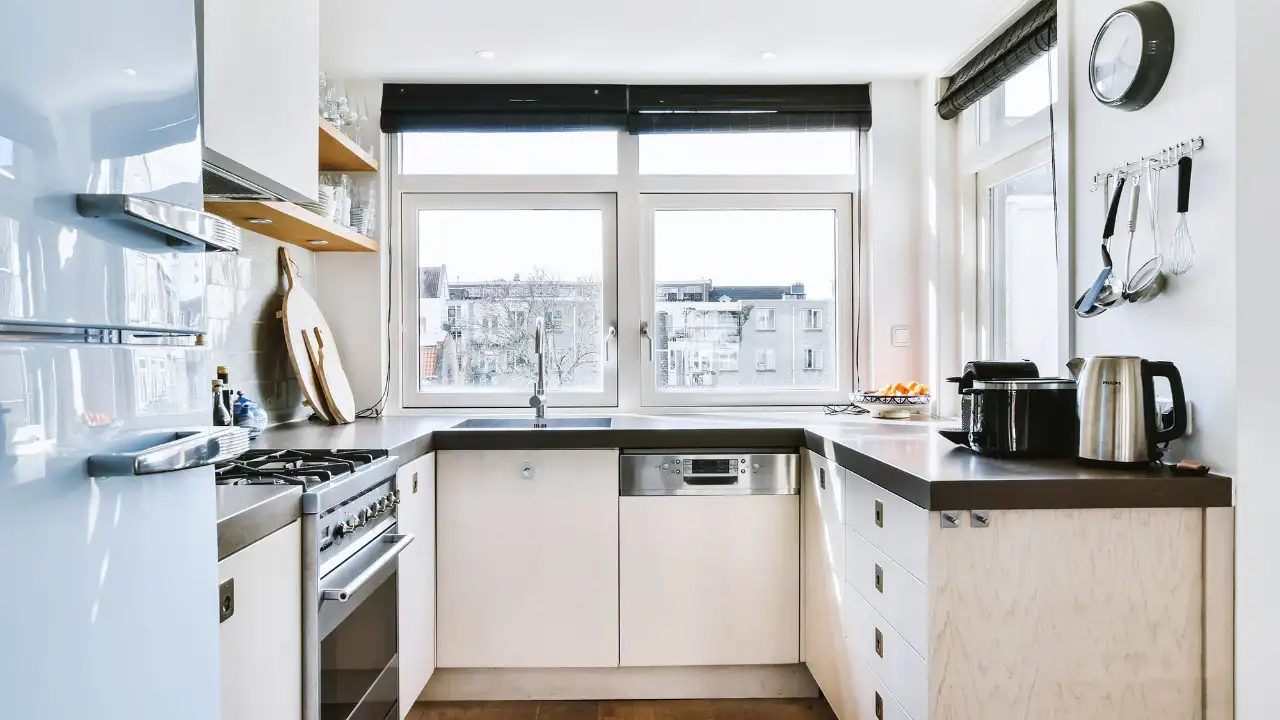
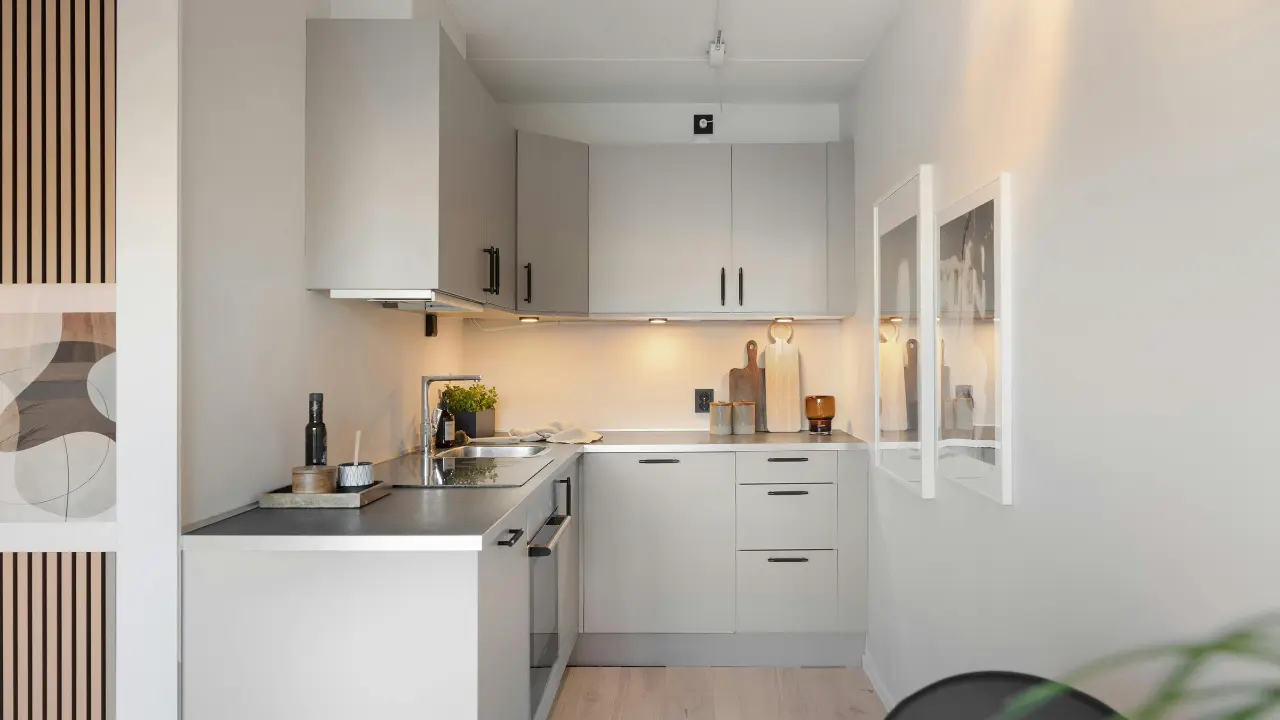
Your kitchen countertop is one of the most visible surfaces in your home. It is also one of the hardest-working. From preparing meals and making coffee to storing everyday essentials, your counters need to be practical while still looking beautiful.
The best kitchen countertop decor strikes a balance between these two needs. Instead of filling every empty area with accessories, thoughtful styling uses a few well-chosen pieces to add color, texture, personality, and organization while preserving useful workspace.
A wooden cutting board leaning against the backsplash, a ceramic vase filled with greenery, a fruit bowl, or a small coffee station can completely change the appearance of a kitchen without requiring a renovation.
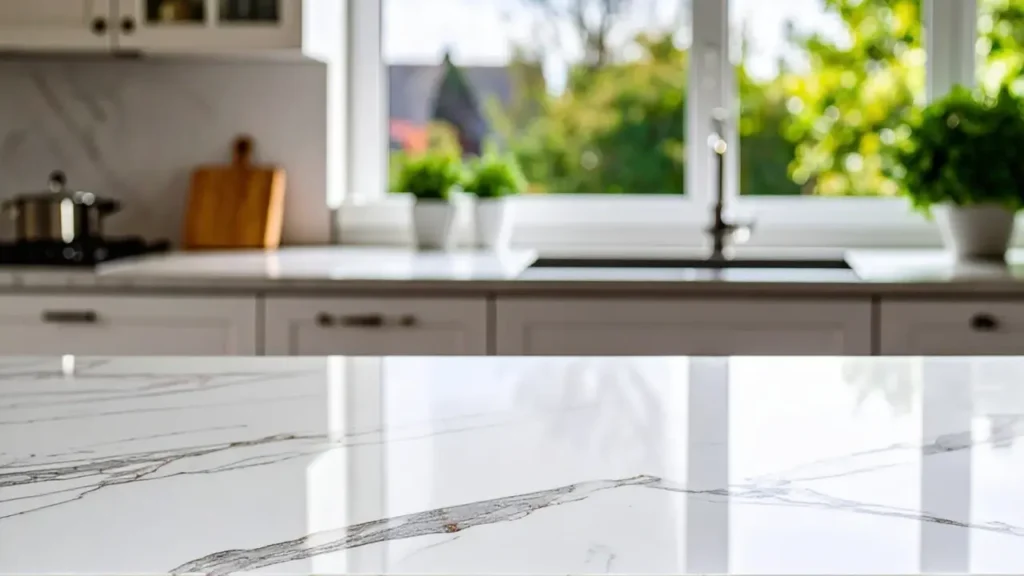
Whether you prefer modern minimalism, cozy farmhouse style, luxury finishes, or a small-apartment kitchen, the key is intentional placement. The goal is not to make the countertop look full. It is to make it look curated, useful, and connected to the rest of the kitchen.
What Is Kitchen Countertop Decor?
Kitchen countertop decor includes the decorative and functional items displayed or stored on your counters to improve the appearance and usability of the space.
Some pieces are purely decorative, while others serve an everyday purpose. The most successful kitchen counter styling often combines both.
For example, a wooden cutting board can be useful for food preparation while also adding warmth. A ceramic utensil crock can keep cooking tools organized while becoming part of the kitchen’s visual design.
Decorative Countertop Accessories
Popular decorative accessories include:
- Vases
- Bowls
- Trays
- Wooden cutting boards
- Decorative jars
- Potted plants
- Fresh flowers
- Artwork
- Cookbooks
- Candles in appropriate areas
- Sculptural objects
- Woven baskets
The best choices depend on your kitchen’s style, countertop size, color palette, and daily routine.
Functional Items That Can Also Look Beautiful
Many everyday kitchen essentials can double as decor when selected carefully.
Consider:
- Coffee makers
- Knife blocks
- Utensil holders
- Salt and pepper mills
- Oil bottles
- Fruit bowls
- Storage canisters
- Cutting boards
- Stand mixers
- Coffee mugs
- Cookbook stands
Instead of hiding every useful item, choose attractive versions that complement your kitchen.
The Difference Between Decorating and Cluttering a Counter
The biggest difference is intention.
A beautifully decorated counter has visual hierarchy, usable space, and a limited number of carefully selected objects. A cluttered counter usually contains too many unrelated items competing for attention.
Five principles can help:
Negative space: Leave areas intentionally empty.
Grouping: Place related objects together instead of scattering them around the room.
Scale: Mix larger and smaller objects instead of using many similarly sized pieces.
Visual balance: Distribute color, height, and texture throughout the space.
Everyday usability: Make sure decoration does not interfere with cooking, cleaning, or food preparation.
How to Style a Kitchen Countertop Without Making It Look Cluttered
A beautiful countertop does not need to be packed with accessories. In fact, some of the most attractive kitchens use surprisingly few objects.
A simple three-part styling principle works well:
Function + Decoration + Empty Space
Start with the things you genuinely use, add a few pieces that improve the visual appearance, and then protect enough open space for everyday activities.
Start With a Clear Countertop
Before adding anything, remove everything from the counter if possible.
This gives you an opportunity to see:
- What you actually use
- What has accumulated unnecessarily
- Which appliances need to remain accessible
- Where your natural work zones are
- Which areas could benefit from decoration
Starting with a clean surface also makes it much easier to create a cohesive arrangement.
Choose One or Two Focal Points
A focal point gives the eye somewhere to rest.
Depending on your kitchen, this might be:
- A large wooden cutting board
- A ceramic vase
- A fruit bowl
- A coffee station
- A sculptural lamp
- A large serving board
- A beautiful stand mixer
Avoid giving every object equal visual importance.
Group Small Items on a Tray
A tray instantly makes several small objects look more intentional.
For example, place:
- An oil bottle
- Salt
- Pepper
- A small bowl
on one tray near your cooking area.
Or create a coffee tray with:
- Coffee canister
- Mugs
- Sugar container
- Small decorative object
The tray visually defines the zone and makes it easier to move everything when cleaning.
Vary Heights and Textures
A countertop arrangement can look flat if everything is the same height.
Try combining:
- Tall vase
- Medium cutting board
- Low bowl
You can also mix materials such as:
- Wood
- Ceramic
- Glass
- Stone
- Woven fibers
- Metal
This creates depth without requiring more objects.
Leave Practical Work Zones Open
Your countertop needs to work.
Keep sufficient space near:
- Cutting areas
- Sinks
- Cooktops
- Food preparation zones
- Frequently used appliances
Decor should support the kitchen rather than make basic tasks more difficult.
Remove Items You Rarely Use
If an appliance or accessory is used only occasionally, consider storing it elsewhere.
A useful rule is:
Decorate the countertop around how you actually use the kitchen—not around how a staged kitchen looks.
Your real lifestyle should determine what stays visible.
35 Best Kitchen Countertop Decor Ideas for 2026
1. Style a Wooden Cutting Board Against the Backsplash
A wooden cutting board is one of the easiest ways to add warmth to a kitchen counter.
Choose one or two boards with attractive shapes and lean them vertically against the backsplash. Layering different sizes can create a relaxed, designer-inspired appearance.
This works particularly well in modern, farmhouse, rustic, Scandinavian, and organic kitchens.
Keep the arrangement functional by choosing boards you actually use. When you need one, simply pull it forward and return it afterward.
2. Use a Decorative Countertop Tray
A tray is both decorative and organizational.
Use a wood tray for a warm kitchen, marble for a more luxurious look, or metal for an industrial design.
Place related items together rather than using the tray as a container for random clutter.
A tray works especially well for coffee supplies, oils, spices, or sink accessories.
3. Add a Ceramic Vase With Fresh or Dried Stems
A simple ceramic vase can become a strong focal point.
Choose a vase that complements your cabinet and countertop colors. Neutral white, beige, cream, gray, and earthy shades are especially versatile.
Fresh greenery creates a lively appearance, while dried branches offer a lower-maintenance option.
Keep the vase away from areas where it could interfere with food preparation.
4. Display a Wooden Bowl of Fresh Fruit
A fruit bowl adds color while serving a practical purpose.
Choose:
- Wood for warmth
- Ceramic for a traditional look
- Stone for a luxury kitchen
- Metal for a contemporary space
Place it where the family can easily reach it.
Avoid overfilling the bowl. A modest amount of colorful fruit usually looks more intentional than a container packed to the top.
5. Create a Small Herb Garden
Fresh herbs can provide both useful ingredients and natural beauty.
Try growing:
- Basil
- Mint
- Parsley
- Rosemary
- Thyme
Place the herbs near a suitable light source and choose attractive planters that complement your kitchen.
If your counter does not receive enough natural light, use a more suitable growing location rather than sacrificing plant health purely for decoration.
6. Add Potted Greenery
A small plant can soften hard surfaces such as quartz, stone, tile, and metal.
Good countertop choices include compact plants that suit your home’s light and humidity conditions.
Use one larger plant instead of several tiny pots if you want a cleaner appearance.
7. Style a Coffee Station
A coffee station can turn a practical appliance area into a purposeful design zone.
Place the coffee maker on a tray and add:
- Coffee canister
- Mugs
- Spoons
- Sugar container
- Small plant
Keep the arrangement compact so it does not take over the entire counter.
8. Create a Dedicated Tea Station
Tea lovers can use a similar approach.
A small tray can hold:
- Tea containers
- Mugs
- Honey
- Tea accessories
- A small spoon holder
Choose coordinated containers to make the collection look organized.
9. Display Attractive Glass Canisters
Glass canisters are useful for ingredients while adding visual interest.
They work particularly well for:
- Pasta
- Coffee beans
- Tea
- Cookies
- Flour
- Grains
Use matching or complementary containers for a cohesive appearance.
10. Use Matching Kitchen Canisters
If you prefer a cleaner look, opaque canisters can hide packaging while creating visual consistency.
Choose a simple color scheme that works with the cabinets and backsplash.
Labels can make frequently used ingredients easier to identify.
11. Add a Marble or Stone Serving Board
A marble or natural-stone board can create an elegant focal point.
Lean it against the backsplash or place it flat in a serving zone.
Pair it with wood or ceramic to prevent the arrangement from feeling too cold.
12. Style Decorative Oil Bottles
Oil bottles are often left on the counter because they are frequently used.
Instead of displaying commercial packaging, transfer everyday oils into attractive, clearly identified bottles if that setup suits your routine.
Place them on a narrow tray near the cooking area.
13. Use a Stylish Utensil Crock
A utensil crock can turn cooking tools into part of the kitchen design.
Choose ceramic, stoneware, stainless steel, wood, or another material that matches your style.
Only keep frequently used utensils inside. An overflowing crock can quickly create visual clutter.
14. Display a Beautiful Knife Block
A quality knife block can be both functional and decorative.
Choose a design that complements the kitchen rather than competing with it.
Position it in a practical area that is easy to access while cooking, but away from areas where it could become an obstacle.
15. Add a Small Countertop Lamp
A small lamp can introduce warmth and personality, especially in a kitchen with a large island or a less frequently used counter.
Choose a compact design with appropriate electrical safety considerations.
Place it away from water and heat sources, and keep cords organized.
16. Decorate With a Cookbook Stand
A cookbook stand adds character while keeping recipes visible.
Choose a cookbook related to baking, cooking, travel, or food that fits your lifestyle.
A beautiful cookbook can also act as a color accent in an otherwise neutral kitchen.
17. Display a Favorite Cookbook
Even without a stand, one or two carefully selected cookbooks can add personality.
Stack them horizontally beneath a small decorative bowl or use one to create height behind another object.
Avoid creating a large stack that takes away useful preparation space.
18. Add a Small Framed Artwork
Kitchen artwork can make the space feel more personal.
Consider:
- Botanical illustrations
- Food-themed art
- Abstract prints
- Minimalist typography
- Vintage-inspired kitchen artwork
Lean a small framed piece against the backsplash where it is protected from splashes and cooking heat.
19. Use a Decorative Bowl for Everyday Items
A small bowl can prevent frequently misplaced items from spreading across the counter.
Depending on your kitchen routine, it could hold:
- Garlic
- Lemons
- Measuring spoons
- Small kitchen tools
Choose a bowl that looks intentional rather than using a random container.
20. Create a Baking Station
If you bake frequently, organize your countertop around that activity.
A baking station might include:
- Stand mixer
- Flour canister
- Sugar canister
- Measuring tools
- Cookbook
Keep the area easy to clean and ensure there is enough workspace nearby.
21. Style a Breakfast Corner
A breakfast zone can combine useful items with simple decor.
Consider:
- Toaster
- Bread box
- Fruit bowl
- Small tray
- Coffee or tea supplies
Keep everything close to the eating or preparation area for convenience.
22. Add Natural Wood Accessories
Wood introduces warmth and texture to kitchens dominated by stone, quartz, tile, or metal.
Try:
- Cutting boards
- Bowls
- Trays
- Utensils
- Small stools nearby
Repeat wood tones carefully rather than introducing many unrelated finishes.
23. Mix Ceramic and Stone Accessories
Ceramic and stone create a timeless combination.
For example, pair a ceramic vase with a stone tray and a wooden cutting board.
The mixture of hard and organic textures creates depth without requiring lots of color.
24. Use Black Accents in a Modern Kitchen
Black accessories can create definition in a light kitchen.
Try:
- Black tray
- Black canisters
- Black utensil holder
- Dark vase
- Black-framed artwork
Use black selectively so it acts as an accent rather than making the countertop feel visually heavy.
25. Add Brass or Metallic Details
Metallic accessories can introduce a refined finish.
Brass works well with warm kitchens, while stainless steel and matte black can complement contemporary designs.
Repeat the finish in small doses for a coordinated look.
26. Create a Minimalist Countertop Display
Minimalist styling is about editing.
Choose perhaps:
- One cutting board
- One vase
- One functional tray
Then leave the surrounding space open.
The empty areas are part of the design.
27. Use a Single Statement Piece
Sometimes one large accessory is more effective than many small ones.
A sculptural vase, oversized bowl, artistic cutting board, or distinctive lamp can provide enough visual interest by itself.
This approach is especially useful for small countertops.
28. Create a Cozy Farmhouse Countertop
Farmhouse kitchens benefit from natural textures and practical accessories.
Combine:
- Wood cutting boards
- Ceramic crocks
- Woven baskets
- Neutral pottery
- Fresh greenery
Avoid turning the arrangement into a collection of unrelated rustic objects.
29. Add Woven Baskets for Texture
A small woven basket can soften a hard countertop.
Use it for items that need to remain accessible, such as napkins or certain kitchen accessories.
Choose washable or easy-care materials when the basket will be near food preparation.
30. Style a Small Kitchen Island Countertop
A kitchen island can become a natural focal point.
For a large island, consider a fruit bowl, tray, or vase.
For a smaller island, choose one compact centerpiece and preserve plenty of preparation space.
31. Create a Seasonal Countertop Display
Seasonal decorating can refresh the kitchen without permanent changes.
Try:
- Spring greenery
- Summer fruit
- Autumn branches
- Winter greenery
Keep seasonal accessories limited so the kitchen remains functional.
32. Use Neutral-Tone Countertop Decor
Neutral accessories work particularly well when the cabinets or backsplash already have strong colors.
Try:
- Cream
- Beige
- White
- Taupe
- Gray
- Natural wood
This approach creates a calm and cohesive appearance.
33. Layer Decor Against the Backsplash
Vertical layering helps use space without consuming as much countertop depth.
Lean a cutting board against the wall, place a smaller board in front, and add a bowl or vase nearby.
Make sure everything is stable and does not interfere with outlets or cooking areas.
34. Use a Countertop Riser for Height
A riser can create another visual level for small accessories.
Use it to elevate:
- Canisters
- A small plant
- A decorative bowl
- Coffee supplies
Choose a riser that fits the overall style and is easy to clean.
35. Create a Curated Everyday Countertop Setup
The best arrangement may simply be a collection of things you use every day.
For example:
Cooking zone: cutting board + oil bottles + utensil crock
Coffee zone: coffee maker + canister + mugs
Decor zone: vase + bowl + greenery
The result feels natural because the decor is connected to real life.
Best Kitchen Countertop Decor by Kitchen Style
Different kitchen styles call for different materials, colors, and levels of decoration.
| Kitchen Style | Countertop Decor Ideas |
|---|---|
| Modern | Black accents, sculptural objects, simple trays |
| Minimalist | One focal piece, neutral ceramics, clean surfaces |
| Farmhouse | Wood boards, baskets, ceramic crocks |
| Scandinavian | Light wood, greenery, simple ceramics |
| Japandi | Natural materials, muted ceramics, restrained styling |
| Traditional | Decorative trays, polished accessories, classic ceramics |
| Industrial | Metal accents, dark wood, functional accessories |
| Coastal | Light wood, soft blue accents, natural textures |
| Luxury | Marble, brass, glass, sculptural accessories |
| Rustic | Reclaimed wood, stone, woven textures |
The goal is not to follow every characteristic of a design style. Instead, choose a few recognizable elements and repeat them consistently.
Modern Kitchen Countertop Decor Ideas
Modern kitchens often benefit from restraint. Clean surfaces, simple shapes, and a controlled color palette can make the space feel sophisticated without appearing empty.
Keep the Color Palette Simple
Choose two or three dominant accessory colors.
For example, a white kitchen might use:
- Black
- Natural wood
- Soft greenery
This keeps the countertop visually organized.
Combine Black, White, Wood, and Stone
These materials create a balanced modern palette.
Wood introduces warmth, stone adds texture, black creates contrast, and white keeps the overall look clean.
Choose Sculptural Accessories
Instead of many small decorative pieces, choose one object with an interesting silhouette.
A sculptural vase or distinctive bowl can provide personality without overwhelming the counter.
Hide Everyday Clutter
Modern styling works best when packaging, duplicate tools, and rarely used appliances are stored away.
Use attractive containers for frequently used ingredients if they need to remain visible.
Use Minimal but High-Impact Decor
A few well-scaled accessories can have more impact than a crowded collection.
Think:
fewer pieces + better placement + more open space.
Minimalist Kitchen Countertop Decor Ideas
Minimalist countertop styling is not about having nothing on the counter. It is about making every visible object intentional.
Use the One-Focal-Point Method
Choose one primary visual element.
It might be:
- A vase
- A wooden board
- A fruit bowl
- A coffee station
Then keep surrounding objects understated.
Choose Neutral Colors
Cream, beige, white, gray, soft black, and natural wood are easy to coordinate.
Use stronger colors only when they have a clear role in the overall design.
Prioritize Functional Decor
A beautiful object that you never use may not deserve valuable countertop space.
Choose items that combine usefulness and visual appeal.
Use Matching Containers
Matching containers can make everyday ingredients look more organized.
Keep labels simple and consistent.
Keep Countertop Zones Open
Avoid placing accessories in every available corner.
Open space helps the kitchen feel calmer and makes food preparation easier.
Avoid Excessive Small Accessories
Many small decorative objects can quickly create visual noise.
A single larger piece often looks more sophisticated.
A simple minimalist formula is:
One functional item + one decorative item + plenty of negative space.
Small Kitchen Countertop Decor Ideas
Small kitchens require a different approach because every inch of counter space matters.
Use Vertical Space
Instead of spreading objects across the counter, use the backsplash and wall area where appropriate.
Consider:
- Wall shelves
- Rails
- Hooks
- Vertical cutting-board storage
- Wall-mounted organizers
This keeps useful items accessible without consuming the entire work surface.
Choose Multi-Functional Accessories
Look for objects that serve multiple purposes.
For example, a wooden board can function as both a cutting surface and a decorative backdrop.
A tray can organize several small items while making the counter easier to clear.
Use Narrow Trays
A narrow tray defines a zone without taking up too much depth.
This is particularly useful for coffee, tea, oil bottles, or sink accessories.
Keep Appliances Grouped Together
If several appliances must remain visible, grouping them into one zone can make the kitchen appear more organized.
Avoid spreading appliances across the entire countertop.
Use Wall-Mounted Storage Instead of Countertop Storage
When possible, move storage upward.
Wall-mounted shelves, rails, or hooks can free up valuable work surfaces.
Choose Small-Scale Decor
A huge vase may look beautiful in a large kitchen but overwhelm a compact counter.
Choose accessories proportional to the available space.
Create One Dedicated Countertop Zone
Rather than decorating the entire counter, choose one area for your main styling moment.
A small coffee corner or herb garden may be enough.
Keep the Main Preparation Area Clear
This is especially important in small kitchens.
Protect the counter area where you prepare meals instead of filling it with decoration.
Cozy Kitchen Countertop Decor Ideas
A cozy kitchen should feel warm, comfortable, and lived-in without becoming messy.
Natural materials are particularly effective.
Add Warm Wooden Cutting Boards
Wood instantly introduces warmth against white, gray, or stone surfaces.
Layer one or two boards against the backsplash.
Layer Ceramic Pieces
Combine ceramic bowls, vases, mugs, or crocks in warm neutral tones.
Different shapes can create interest while keeping the palette cohesive.
Add Fresh Greenery
Plants and herbs make the kitchen feel more connected to nature.
Use greenery that suits the light conditions of the room.
Create a Warm Coffee Corner
Coffee accessories can make the kitchen feel welcoming.
Use a wooden tray, ceramic mugs, coffee canister, and a small plant to create a comfortable morning station.
Luxury Kitchen Countertop Decor Ideas
Luxury styling does not require covering the countertop with expensive accessories. The strongest luxury kitchens often rely on quality, proportion, and restraint.
Use Marble and Stone Accessories
Marble trays, stone bowls, and natural serving boards can echo the materials already present in a high-end kitchen.
Add Brass or Brushed-Metal Details
Small metallic accents can complement cabinet hardware and lighting.
The key is repetition rather than excess.
Choose High-Quality Trays
A well-made tray can instantly organize a countertop arrangement.
Choose a material that complements the rest of the kitchen.
Use Coordinated Containers
Replace mismatched packaging with coordinated containers when practical.
This reduces visual noise.
Add One Sculptural Statement Piece
A large ceramic vase or artistic bowl can create a sophisticated focal point.
Keep the Countertop Visually Clean
Luxury styling depends heavily on negative space.
Do not fill every available surface simply because you have beautiful accessories.
Kitchen Countertop Decor Ideas on a Budget
Beautiful styling does not require a large decorating budget.
Repurpose Cutting Boards as Decor
Use boards you already own as part of a backsplash arrangement.
Choose your best-looking pieces and rotate them when needed.
Shop Your Existing Kitchen
Before buying anything, look at what you already have.
You may already own:
- Serving bowls
- Cookbooks
- Vases
- Trays
- Mugs
- Plants
- Cutting boards
Rearranging existing objects can completely change the appearance of the room.
Use Secondhand Vases and Bowls
Thrift stores and secondhand marketplaces can be useful sources for unique decorative pieces.
Look for quality materials and shapes that work with your existing kitchen.
Style Cookbooks You Already Own
A small stack of cookbooks can add color and personality.
Choose books you actually enjoy rather than buying books purely as props.
Add Low-Cost Plants
A small herb or houseplant can bring life to the countertop without requiring a major investment.
Use One Large Decorative Piece Instead of Many Small Pieces
One well-chosen statement object can often create more impact than several inexpensive accessories.
DIY a Simple Countertop Tray
A simple wooden tray can be customized with stain, paint, or hardware to match your kitchen.
Make sure the finished surface is suitable for its intended use and easy to clean.
Best Kitchen Countertop Accessories for Everyday Use
The best accessories combine function with visual appeal.
| Accessory | Function | Best For |
|---|---|---|
| Countertop tray | Groups small items | Coffee stations |
| Cutting board | Food prep + display | Rustic and modern kitchens |
| Fruit bowl | Storage + decoration | Larger counters |
| Canisters | Food storage | Minimalist kitchens |
| Utensil crock | Tool storage | Busy kitchens |
| Cookbook stand | Holds recipes | Bakers |
| Herb planter | Fresh herbs + greenery | Natural kitchens |
| Oil bottle set | Easy access | Cooking zones |
| Coffee station tray | Organizes coffee gear | Coffee lovers |
| Decorative bowl | Small-item storage | Clutter control |
When choosing accessories, think about frequency of use. An attractive object that makes everyday tasks harder is not a successful countertop accessory.
How to Decorate Different Kitchen Countertop Materials
The countertop material should influence the accessories you choose.
Quartz Countertops
Quartz often has a clean, polished appearance.
Natural wood cutting boards can soften the look, while ceramic vases and neutral trays can complement the surface.
Because many quartz designs already have visual movement, avoid covering a patterned surface with too many decorative objects.
Granite Countertops
Granite can have strong natural variation.
Let the countertop remain visible by using restrained accessories.
If the stone contains several colors, choose decor that picks up one or two of those tones rather than introducing completely unrelated colors.
Marble Countertops
Marble can serve as a visual feature by itself.
Use fewer accessories and consider combining:
- Wood
- Brass
- Ceramic
- Glass
This lets the natural stone remain visible.
Butcher Block Countertops
Butcher block already provides significant warmth and texture.
Lean into that character with:
- Ceramic
- Greenery
- Wooden accessories
- Woven materials
Farmhouse, rustic, Scandinavian, and organic styles work particularly well with this material.
Concrete Countertops
Concrete provides an industrial foundation.
Contrast it with warm wood, black metal, greenery, and simple ceramic pieces.
Avoid adding too many heavy objects because concrete already creates visual weight.
Laminate Countertops
Laminate counters can work with almost any decorating approach.
Use coordinated trays, bowls, plants, or cutting boards to create a cohesive look.
If the countertop has a strong pattern, keep accessories relatively simple.
Kitchen Countertop Decor Ideas for Different Countertop Zones
Instead of decorating randomly, organize your countertop around the activities that happen there.
Coffee Zone
A practical coffee zone might include:
- Coffee machine
- Mug tree
- Coffee canister
- Small tray
Keep the setup close to an appropriate outlet and away from water splashes.
Cooking Zone
Consider:
- Oil bottles
- Utensil crock
- Cutting board
- Salt and pepper
Keep frequently used cooking items within easy reach while preserving preparation space.
Baking Zone
A baking station could include:
- Stand mixer
- Ingredient canisters
- Cookbook
- Baking tools
Only leave large appliances out permanently if you use them frequently enough to justify the counter space.
Sink Zone
A simple sink arrangement can include:
- Soap dispenser
- Small plant
- Dish brush holder
- Decorative tray
Choose materials that are easy to clean and suitable for a wet environment.
Island Zone
The island often serves as a visual centerpiece.
Try:
- Fruit bowl
- Vase
- Decorative tray
- Simple centerpiece
If the island is also your primary preparation surface, keep the decoration easy to move.
How to Style a Kitchen Countertop Tray
A tray is one of the easiest ways to make countertop styling look intentional.
Choose the Right Tray Size
The tray should fit comfortably within the available counter space.
Do not choose an oversized tray simply because it looks attractive in a large kitchen.
Group Items by Function
A tray should have a clear purpose.
Coffee accessories belong together. Cooking oils belong together. Sink supplies can form another group.
Mix Different Heights
Combine tall and short objects.
For example:
- Tall oil bottle
- Medium salt container
- Small pepper mill
This creates visual rhythm.
Combine Textures
Wood, ceramic, glass, and metal can work together when their colors are coordinated.
Avoid Filling Every Inch
A tray does not need to be full.
Leave some visible surface around the objects.
Keep Frequently Used Items Easy to Reach
A tray should simplify your routine, not create an extra step every time you need something.
Examples:
Coffee tray: coffee maker + canister + mugs
Cooking tray: oil bottles + salt + pepper
Decor tray: vase + candle + small bowl
Kitchen Countertop Decor Color Ideas
Color coordination can make even simple accessories look intentional.
| Color Scheme | Suggested Accessories |
|---|---|
| White + Wood | Cutting boards, baskets, ceramics |
| Black + White | Black trays, white ceramics |
| Beige + Cream | Stone, linen, neutral pottery |
| Green + Wood | Plants, herbs, natural wood |
| Navy + Brass | Brass accessories, dark ceramics |
| Gray + Black | Metal, stone, monochrome accessories |
| Sage + Cream | Ceramic, greenery, light wood |
Your accessories should relate to the kitchen’s existing:
- Cabinets
- Backsplash
- Countertop
- Flooring
- Hardware
- Lighting
You do not need to match every color exactly. Repeating one or two existing tones is often enough to create cohesion.
How to Make Kitchen Countertop Decor Look Expensive
An expensive-looking kitchen is usually more about editing and coordination than price.
Use Fewer, Better-Scaled Pieces
Choose objects that are proportional to the counter.
Avoid covering a large surface with dozens of tiny decorations.
Repeat Materials
If your kitchen has brass hardware, introduce brass subtly through one or two accessories.
If wood appears in the cabinets, repeat a similar tone in cutting boards or trays.
Stick to a Controlled Color Palette
Too many unrelated colors can make even expensive objects look disconnected.
Choose a small palette and stay consistent.
Add Natural Materials
Wood, stone, ceramic, glass, and woven fibers can create visual depth.
Create Height Variation
A tall vase beside a medium cutting board and low bowl can create a balanced arrangement.
Hide Packaging and Visual Clutter
Original food packaging can introduce many colors and fonts.
Use coordinated containers when appropriate.
Leave Generous Negative Space
Empty counter space can make carefully selected objects feel more significant.
Coordinate Hardware With Accessories
Repeat finishes subtly rather than matching every object.
For example, brass cabinet pulls could be echoed by a small brass detail in a tray or decorative object.
What Should You Keep on a Kitchen Countertop?
There is no universal rule about what must stay visible. Your routine should determine the answer.
Good Items to Keep Out
Consider keeping visible:
- Frequently used appliances
- Cutting boards
- Fruit bowls
- Coffee essentials
- Frequently used utensils
- Cooking oils
- Hand soap
- Everyday canisters
The important question is whether the item earns its space.
Items Better Stored Away
Consider storing:
- Rarely used appliances
- Excess packaging
- Duplicate utensils
- Large collections of decorative objects
- Items unrelated to kitchen use
A useful test is simple:
If you rarely use it and it does not meaningfully improve the kitchen’s appearance, it may not need to occupy valuable countertop space.
Kitchen Countertop Decor Mistakes to Avoid
Filling Every Empty Space
Empty space is not wasted space. It gives the eye room to rest and provides room for actual kitchen work.
Using Too Many Small Decorative Objects
A collection of tiny accessories can quickly become visual noise.
Group a few objects together instead.
Ignoring Countertop Function
Your kitchen is a working room.
Decoration should never make cooking, cleaning, or food preparation unnecessarily difficult.
Mixing Too Many Colors
A controlled color palette usually creates a more cohesive result.
Displaying Unattractive Packaging
Food packaging can introduce visual clutter.
Use storage containers when practical.
Blocking Electrical Outlets
Do not position decorative objects or appliances in ways that make outlets difficult or unsafe to access.
Placing Decor Too Close to Cooking Heat
Keep decorative materials, plants, fabrics, and other heat-sensitive objects away from areas where they could be damaged by heat or interfere with cooking.
Using Accessories That Are Difficult to Clean
Kitchen surfaces collect dust, grease, crumbs, and moisture.
Choose accessories that can be cleaned easily.
Choosing Pieces That Are Too Large
A giant centerpiece can overwhelm a small kitchen.
Scale matters.
Copying a Styled Kitchen Without Adapting It to Your Space
A photograph may show a beautiful countertop arrangement, but your kitchen has different dimensions, habits, lighting, and storage needs.
Use inspiration as a starting point rather than a strict template.
How to Create a Cohesive Kitchen Countertop Decor Scheme
Creating a cohesive arrangement becomes easier when you follow a repeatable process.
Step 1: Identify the Kitchen’s Dominant Colors
Look at your cabinets, backsplash, countertop, flooring, and hardware.
Choose accessories that complement those colors.
Step 2: Choose 2–3 Complementary Materials
For example:
Wood + ceramic + stone
or
Glass + metal + wood
Repeating materials creates consistency.
Step 3: Decide Which Countertop Zones Need to Remain Functional
Identify where you prepare food, make coffee, wash dishes, or use appliances.
Protect those work zones.
Step 4: Choose One Focal Point
Select the most visually important piece.
Everything else should support it rather than compete with it.
Step 5: Add Functional Accessories
Bring in the objects you actually use every day.
Choose attractive versions when possible.
Step 6: Add Greenery or Natural Texture
A plant, herb, wooden board, or woven accessory can soften a hard kitchen surface.
Step 7: Remove Anything That Feels Unnecessary
Step back and ask:
Does this improve the space or simply fill space?
If an object adds little value, remove it.
Step 8: Step Back and Check the Overall Balance
Look at the kitchen from the entrance or adjacent room.
Check:
- Height
- Color
- Spacing
- Function
- Visual weight
Make small adjustments until the arrangement feels natural.
Kitchen Countertop Decor Checklist
Use this checklist whenever you restyle your kitchen counters:
- Choose a color palette
- Clear unnecessary items
- Create functional zones
- Select one focal piece
- Add natural texture
- Group small items on trays
- Vary accessory heights
- Keep food-preparation areas open
- Hide unattractive packaging
- Remove anything rarely used
- Check the final visual balance
Frequently Asked Questions About Kitchen Countertop Decor
What looks good on a kitchen countertop?
Wooden cutting boards, ceramic vases, fruit bowls, greenery, trays, attractive canisters, cookbooks, and functional accessories can all look good on a kitchen countertop. The best combination depends on the kitchen’s style, available space, and how the counter is used.
How do I decorate my kitchen counter without clutter?
Start with a clear surface, choose one or two focal points, group small items on trays, vary heights and textures, and leave meaningful areas of open workspace. Avoid decorating every empty corner.
What should I leave out on my kitchen counter?
Frequently used appliances, cutting boards, fruit bowls, coffee supplies, utensils, cooking oils, and hand soap can remain visible if they fit your routine. Items that are rarely used may be better stored elsewhere.
How do you make a kitchen countertop look expensive?
Use fewer, well-scaled accessories, repeat materials and finishes, choose a controlled color palette, incorporate natural materials, hide visual clutter, and preserve generous negative space.
How do you style a small kitchen countertop?
Use small-scale accessories, narrow trays, vertical storage, grouped appliances, and one dedicated decorative zone. Keep the main food-preparation area open.
What can I put on my kitchen counter besides appliances?
You can use cutting boards, fruit bowls, plants, vases, trays, canisters, cookbooks, utensil crocks, decorative bowls, herbs, and artwork that is suitable for the environment.
How do you decorate a kitchen island countertop?
For a large island, try a fruit bowl, vase, tray, or simple centerpiece. For a smaller island, choose one compact focal point and preserve as much usable workspace as possible.
Should kitchen countertops be completely clear?
Not necessarily. A completely clear counter can work for some minimalist kitchens, but functional items and a few decorative pieces can make the room more practical and personal.
What colors work best for kitchen countertop decor?
Popular combinations include white and wood, black and white, beige and cream, green and wood, navy and brass, gray and black, and sage and cream. The best choice is one that complements the existing kitchen.
How many decorative items should I put on a kitchen counter?
There is no universal number. Start with fewer pieces and add only when something is missing visually or functionally. The available counter space, object size, and kitchen layout matter more than a fixed item count.
Final Thoughts
Great kitchen countertop decor is ultimately about balance.
Your counters should feel beautiful without becoming difficult to use. Functional items can become part of the decoration when they are carefully selected and intentionally arranged. A wooden cutting board, attractive utensil crock, fruit bowl, coffee station, or simple vase can add personality without overwhelming the room.
Remember that empty space has value. You do not need to decorate every available inch.
Start by clearing the counter, identify the items you genuinely use, choose one or two focal points, introduce complementary textures, and then edit anything that feels unnecessary.
The most successful countertop styling is not necessarily the most decorated. It is the one that makes your kitchen feel organized, welcoming, functional, and genuinely yours.