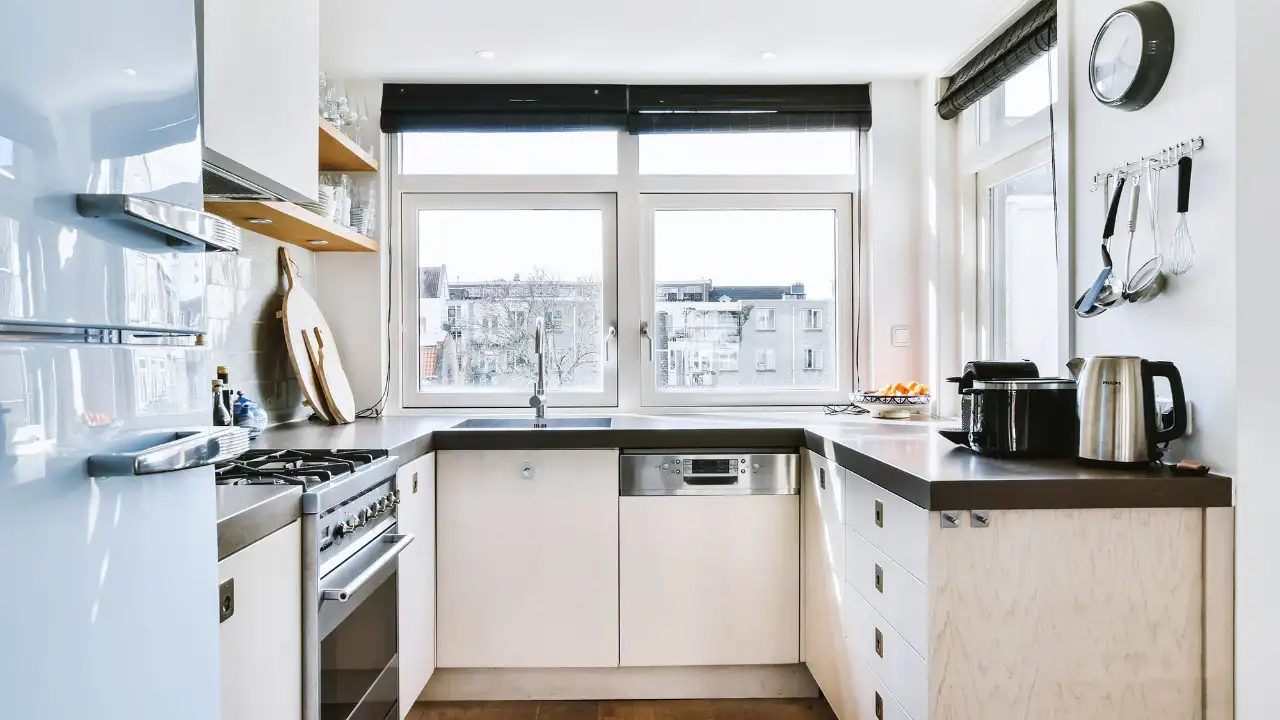
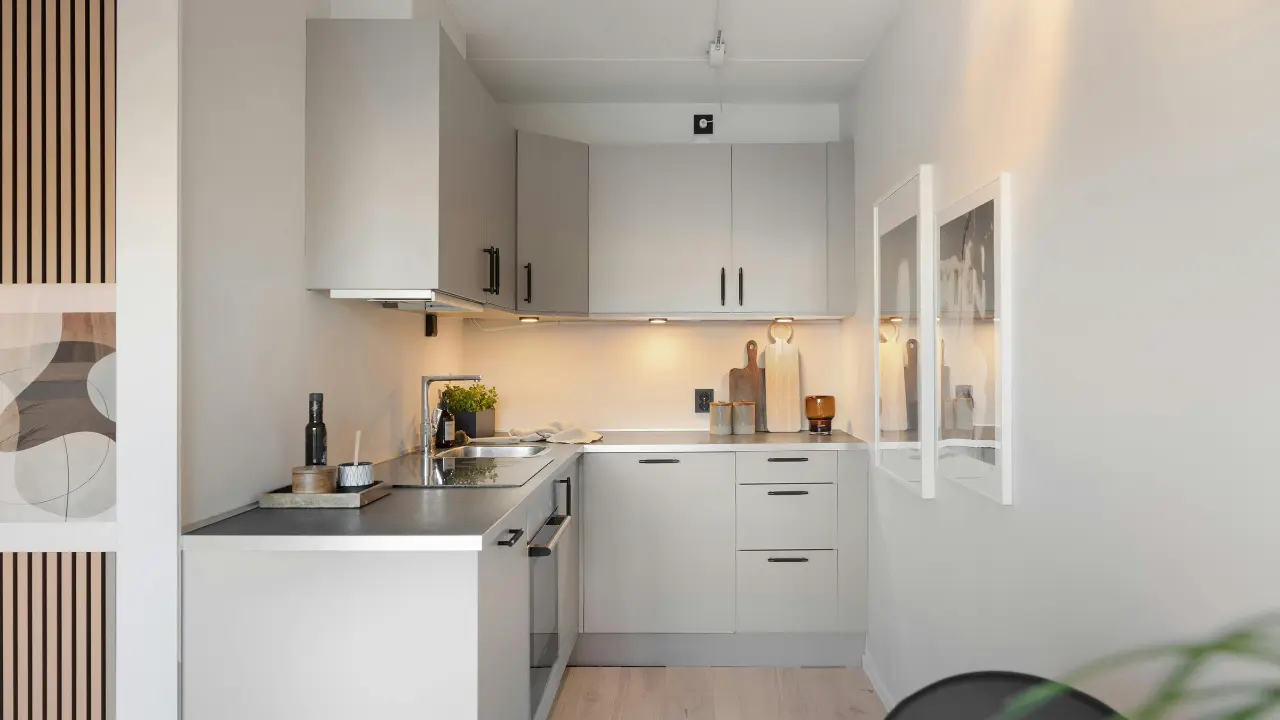
Aesthetic Built In Coffee Bar Ideas for a Stylish Home
A dedicated coffee station can turn an ordinary corner of your kitchen or dining area into one of the most useful and inviting parts of your home. With the right cabinetry, lighting, countertop, and storage, a built-in coffee bar can feel like a custom feature rather than an appliance simply placed on the counter.
The best aesthetic built in coffee bar ideas balance appearance with everyday convenience. Instead of focusing only on decorative details, a well-designed coffee bar considers where appliances will sit, how supplies will be stored, how much counter space is available, and how the station fits with the rest of the room.
Whether you prefer a warm wood coffee nook, a minimalist hidden station, a luxurious marble design, or a compact coffee bar for a small kitchen, there are plenty of ways to create a setup that feels intentional and personal.
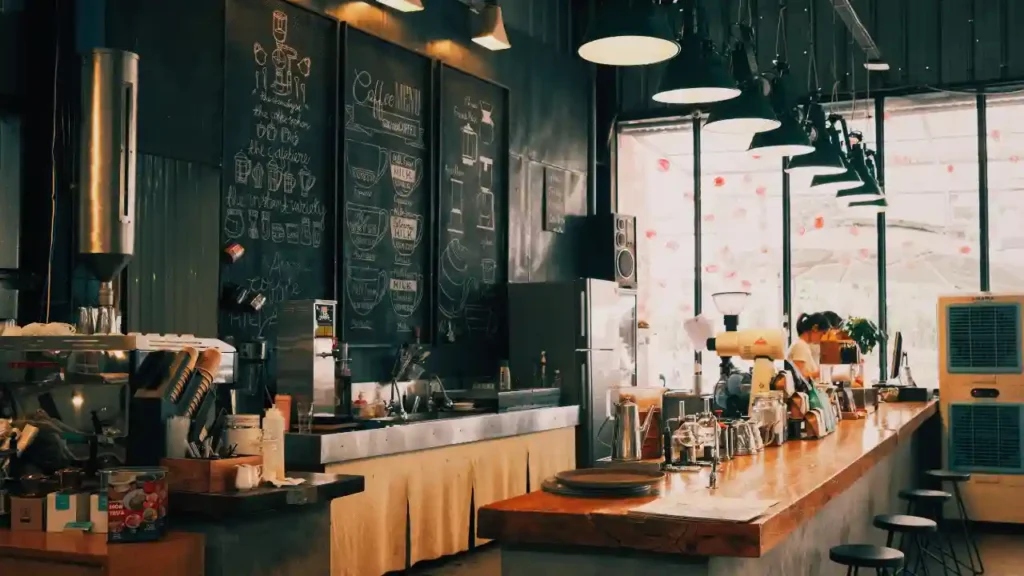
In this guide, you’ll find stylish built-in coffee bar ideas, cabinet designs, small-space solutions, organization tips, lighting suggestions, material choices, decorating ideas, and practical planning advice.
What Is a Built-In Coffee Bar?
A built-in coffee bar is a dedicated coffee and beverage station designed as part of a home’s cabinetry or architecture. Unlike a freestanding coffee cart or small table, a built-in coffee station typically uses permanent cabinets, countertops, shelving, or a recessed wall area.
A built-in design can be incorporated into a kitchen, pantry, dining room, butler’s pantry, hallway nook, or another suitable space.
The goal isn’t simply to create a place for a coffee machine. A thoughtfully planned station provides storage for coffee beans, mugs, filters, syrups, tea, glassware, and other accessories while keeping the overall room visually organized.
Built-In Coffee Bar vs. Freestanding Coffee Station
The biggest difference is how each setup interacts with the room.
A freestanding coffee station is generally easier and less expensive to move or change. It might consist of a console, cabinet, bar cart, or small shelving unit.
A built-in coffee bar, on the other hand, becomes part of the room’s cabinetry. It can be customized around your appliances, storage needs, available wall space, and existing interior style.
Built-in designs typically offer:
- More integrated storage
- A cleaner visual appearance
- Greater customization
- Better use of awkward wall areas
- More opportunities for concealed appliances
- Stronger coordination with existing cabinetry
The trade-off is that a built-in installation usually requires more planning and may involve cabinetry, electrical, countertop, or installation work.
Why Built-In Coffee Bars Are So Popular
A dedicated coffee station makes the morning routine easier while giving unused space a clear purpose.
It can keep coffee-making appliances together instead of spreading them across the kitchen. Cabinets can hide supplies, while shelves can display attractive mugs and accessories.
A built-in coffee bar can also make an otherwise empty wall more functional. When its cabinetry, hardware, backsplash, and countertop coordinate with the surrounding room, the coffee station can look like an intentional architectural feature.
Best Aesthetic Built In Coffee Bar Ideas
The most appealing coffee bars usually have one thing in common: they combine practical storage with a consistent design style. Here are some of the best ideas to consider.
1. Modern White Built-In Coffee Bar
A white built-in coffee bar is a timeless option for bright, clean interiors.
Pair white cabinetry with a warm wood shelf or subtle wood accessories to prevent the space from feeling too sterile. A light quartz or marble-look countertop can continue the bright aesthetic.
For a polished appearance, consider:
- Flat-panel or simple shaker cabinets
- Minimal cabinet hardware
- Warm wood accents
- Light countertops
- A simple backsplash
- Under-cabinet lighting
Keep decorative items limited so the clean cabinetry remains the visual focus.
2. Warm Wood Coffee Bar With Open Shelving
Natural wood can make a coffee station feel warm, comfortable, and welcoming.
Use wood cabinetry with one or two floating shelves above the countertop. Display ceramic mugs, coffee containers, a small plant, or a few carefully selected accessories on the shelves.
This style works especially well with warm neutral interiors.
For a cohesive look, repeat the same wood tone in several small details rather than introducing many different finishes.
3. Minimalist Hidden Coffee Bar
If you love a clean kitchen without visible appliances, consider a hidden coffee station.
Cabinet doors can conceal the coffee machine and other equipment when they’re not being used. An appliance garage can provide another practical solution for keeping countertop clutter under control.
When designing a hidden station, remember that convenience matters. Make sure the coffee machine can operate safely with sufficient ventilation and clearance, and plan electrical outlets where the appliances will actually be used.
This approach is especially effective for minimalist kitchens where visual simplicity is a priority.
4. Luxury Marble Coffee Bar
For an elegant look, combine refined cabinetry with marble or a marble-look surface.
A stone backsplash can visually connect the countertop and wall while creating a high-end appearance. Brass or brushed-metal hardware can add a subtle decorative accent.
You can enhance the luxury aesthetic with:
- High-quality cabinet fronts
- A continuous backsplash
- Elegant lighting
- Coordinated hardware
- Decorative ceramic pieces
- A restrained color palette
The key is restraint. Too many decorative materials can make the station feel busy instead of luxurious.
5. Dark and Moody Built-In Coffee Station
Dark cabinetry can create a dramatic coffee bar with plenty of personality.
Deep green, charcoal, navy, or black cabinetry works particularly well when balanced with warm lighting and lighter countertop details.
Consider adding natural wood accessories or warm metal hardware to soften the darker palette.
A dark coffee station can become a beautiful focal point in a dining area, kitchen, or butler’s pantry.
6. Scandinavian-Inspired Coffee Bar
A Scandinavian-inspired coffee station focuses on simplicity, natural materials, and functionality.
Think light wood cabinetry, neutral colors, simple shelves, and minimal decoration.
Keep only the accessories you use regularly on display. A few ceramic mugs and a simple coffee container can be enough to create an attractive composition.
This style is ideal if you want the coffee bar to feel calm and uncluttered.
7. Farmhouse Built-In Coffee Bar
For a farmhouse-inspired coffee station, consider shaker cabinetry, natural wood, neutral colors, and traditional hardware.
Ceramic mugs, woven baskets, vintage-inspired containers, and simple artwork can reinforce the style without making the area look overly themed.
A farmhouse coffee bar works particularly well when its materials coordinate with the rest of the kitchen.
8. Fluted Cabinet Coffee Bar
Fluted or reeded cabinet fronts add texture without relying on excessive decoration.
Pair textured cabinet doors with simple hardware and a relatively quiet backsplash. This allows the cabinet texture to become the main design feature.
A fluted coffee bar can work beautifully in contemporary, transitional, and luxury interiors.
9. Coffee Bar With Glass-Front Cabinets
Glass-front cabinets offer a useful middle ground between open shelving and fully concealed storage.
Use them to display attractive mugs, glassware, coffee containers, or decorative pieces while keeping less attractive supplies behind solid doors.
Interior cabinet lighting can make the display especially appealing in the evening.
For the best result, avoid filling glass-front cabinets with too many unrelated items. Treat them as a curated display area.
10. Built-In Coffee Bar With Beverage Fridge
If you frequently entertain, consider incorporating an under-counter beverage refrigerator into the coffee station.
A beverage fridge can provide convenient storage for cold drinks while the countertop handles coffee preparation.
Before choosing this layout, carefully consider appliance dimensions, ventilation requirements, electrical access, cabinet configuration, and door clearance.
This type of setup works particularly well in larger kitchens, butler’s pantries, and entertaining areas.
Small Aesthetic Built-In Coffee Bar Ideas
A small room doesn’t mean you have to give up the idea of a built-in coffee station.
The key is to use every available area efficiently while keeping enough workspace for comfortable preparation.
Use a Narrow Wall or Recessed Area
A narrow wall can become a compact coffee nook with lower cabinets and a countertop.
Even a relatively small section of cabinetry can work when the design focuses on the essentials.
Install Vertical Storage
When floor space is limited, use the wall.
Upper cabinets, floating shelves, peg rails, or narrow display shelves can provide additional storage without expanding the footprint of the coffee bar.
Choose a Compact Coffee Machine
Measure your coffee machine before designing the cabinetry.
A compact machine can make a significant difference in a small coffee station, especially when you also need space for a grinder, kettle, mugs, and other accessories.
Add Floating Shelves Instead of Upper Cabinets
Floating shelves can make a small coffee nook feel more open.
Use one or two shelves to display everyday mugs and attractive containers while keeping bulk supplies in lower cabinets.
Use Pull-Out Drawers for Coffee Accessories
Deep or shallow drawers can organize filters, coffee pods, spoons, tea bags, and other small items.
Pull-out storage is particularly useful because it allows you to see more of the contents at once.
Create a Coffee Nook Between Cabinets
An unused section between existing cabinets can sometimes become a dedicated coffee station.
This is an effective way to create a built-in coffee bar without completely redesigning the kitchen.
Use an Appliance Garage to Reduce Countertop Clutter
An appliance garage can hide small appliances when they aren’t being used.
However, make sure the design provides appropriate clearance and ventilation for the specific appliance rather than simply closing cabinet doors around equipment.
Built-In Coffee Bar Cabinet Ideas
Cabinetry is one of the most important parts of a built-in coffee station because it determines both the appearance and storage capacity.
Floor-to-Ceiling Coffee Bar Cabinets
Tall cabinetry can maximize vertical storage while creating a dramatic built-in appearance.
Use the upper sections for backup coffee supplies, seasonal entertaining items, or less frequently used accessories.
Shaker-Style Cabinets
Shaker cabinets are versatile and work with farmhouse, transitional, traditional, and many contemporary interiors.
Their simple profile also allows countertops, backsplashes, lighting, or decorative accessories to take center stage.
Flat-Panel Modern Cabinets
Flat-panel cabinets create a streamlined appearance and are especially suitable for minimalist and contemporary kitchens.
Choose simple hardware or handleless options if you want an even cleaner look.
Custom Wood Cabinets
Custom wood cabinetry can add warmth and character to a coffee bar.
Natural wood works particularly well with neutral countertops, handmade ceramics, and warm lighting.
Two-Tone Coffee Bar Cabinets
Using two complementary cabinet finishes can give a built-in station more visual depth.
For example, you might combine neutral lower cabinets with natural wood shelving or darker upper cabinets.
The finishes should complement the surrounding room rather than compete with it.
Glass-Front Upper Cabinets
Glass-front doors can turn upper storage into a decorative feature.
Use them for mugs, cups, glassware, and other visually appealing items.
Cabinets With Hidden Appliance Storage
If you prefer a clean countertop, design storage around your appliances.
An appliance garage or dedicated cabinet section can help conceal equipment while keeping it accessible.
What to Store Inside Coffee Bar Cabinets
A well-organized coffee bar might contain:
- Coffee beans
- Ground coffee
- Tea
- Mugs
- Glassware
- Syrups
- Coffee filters
- Spoons
- Napkins
- Cleaning supplies
- Extra accessories
Organize items according to how often you use them. Everyday items should be easy to reach, while backup supplies can occupy deeper or higher storage.
Coffee Bar Countertop and Backsplash Ideas
The countertop and backsplash establish much of the coffee bar’s visual character.
They should also be easy to maintain because coffee preparation can involve water, heat, spills, and stains.
Quartz Countertops
Quartz is a popular option for homeowners who want a durable, relatively low-maintenance surface with a wide range of appearances.
It can provide the look of natural stone while fitting easily into modern and traditional designs.
Marble and Marble-Look Surfaces
Marble creates an elegant, classic appearance.
If you’re concerned about maintenance or staining, a marble-look alternative may provide a similar visual effect with different performance characteristics.
Butcher Block Countertops
Wood countertops add warmth and work especially well with farmhouse, Scandinavian, and natural-modern interiors.
Because coffee stations can experience moisture and spills, choose a suitable finish and follow the manufacturer’s care recommendations.
Porcelain or Ceramic Tile
Tile can be used for either the countertop in appropriate applications or, more commonly, as a backsplash.
It provides many opportunities for pattern, texture, and color.
Slab Backsplash
A slab backsplash creates a seamless and sophisticated appearance.
It works particularly well with luxury coffee bars where the countertop material continues vertically up the wall.
Zellige-Style Tile
Zellige-style tile adds handcrafted visual texture and subtle variation.
It can soften modern cabinetry and make a coffee nook feel more personal and decorative.
Fluted or Textured Backsplash
Textured surfaces can add interest without requiring bold colors.
If the cabinets are already heavily textured, however, consider a simpler backsplash so the design doesn’t become visually overwhelming.
When choosing materials, think about cleaning, staining, moisture, heat, maintenance, and how the materials coordinate with your existing kitchen.
Coffee Bar Lighting Ideas
Good lighting makes a coffee station easier to use and more attractive.
A combination of task and ambient lighting is often more effective than relying on one light source.
Under-Cabinet LED Lighting
Under-cabinet lighting can illuminate the countertop where coffee preparation happens.
Choose a lighting temperature that complements the room’s existing lighting rather than making the coffee station feel disconnected.
Warm Accent Lighting
Warm lighting can make wood cabinetry and neutral materials feel more inviting.
It can also create an attractive glow around the coffee station in the evening.
Pendant Lights
If the coffee bar is located in a kitchen or open dining area, a pendant can provide a decorative focal point.
Make sure the fixture doesn’t interfere with cabinet doors, shelves, or normal movement through the space.
Interior Cabinet Lighting
Glass-front cabinets can benefit from interior lighting.
This helps display mugs and accessories while giving the coffee station more visual depth.
Wall Sconces
Wall sconces can add character to a coffee nook, especially when there is no upper cabinet directly above the countertop.
Choose a fixture that fits the scale of the space and doesn’t interfere with countertop activities.
Aesthetic Coffee Bar Organization Ideas
Beautiful coffee bars aren’t necessarily the ones with the most decoration. They are often the ones where everything has a logical place.
Create Dedicated Storage Zones
Divide storage into categories such as:
- Coffee
- Tea
- Mugs
- Sweeteners
- Syrups
- Filters
- Accessories
- Cleaning supplies
This makes everyday use much easier.
Use Matching Coffee Containers
Matching containers can make open shelving look more intentional.
Label them clearly if multiple coffee varieties or ingredients are stored together.
Add Mug Hooks or Mug Rails
A mug rail can provide convenient storage while adding a decorative element.
Choose mugs that complement your coffee bar’s color palette if they will remain visible.
Organize Syrups in One Area
Syrups can quickly make a coffee station look cluttered.
Keep them together in a tray, cabinet, or dedicated drawer so the countertop stays organized.
Use Pull-Out Drawers
Drawers are excellent for smaller coffee accessories.
Use dividers to prevent filters, spoons, stirrers, and other small items from becoming mixed together.
Hide Small Appliances
If the goal is a minimalist aesthetic, store less frequently used appliances behind cabinet doors.
Keep the equipment you use every day accessible enough that putting it away doesn’t become inconvenient.
Keep Frequently Used Items Within Reach
A simple organizational rule is:
Daily-use items → countertop or easiest-access storage
Frequently used items → easy-access drawers and cabinets
Backup supplies → upper or deeper cabinets
This approach keeps the coffee bar both attractive and practical.
Coffee Bar Decor Ideas That Look Expensive
You don’t need expensive accessories to make a coffee station look refined.
The secret is choosing fewer, better-coordinated pieces.
Style With Ceramic Mugs
Ceramic mugs can become part of the decor when displayed intentionally.
Choose a small collection that works with the cabinet and backsplash colors.
Add a Small Piece of Artwork
A small framed print can personalize the coffee station.
Keep the artwork appropriately scaled so it doesn’t dominate the space.
Use Decorative Trays
A tray can group coffee accessories together and make the countertop feel more organized.
It can also make cleaning easier because several small items can be moved at once.
Add Natural Wood Accessories
Wood trays, spoons, containers, and cutting boards can introduce warmth to a stone or tile-heavy coffee station.
Incorporate Greenery
A small plant can add softness and color.
Choose a plant that can tolerate the available light and the conditions of the room.
Choose Coordinated Containers
Matching storage containers create visual consistency.
This is particularly helpful when supplies are displayed on open shelves.
Use Metallic Hardware as an Accent
Brass, bronze, black, or brushed-metal hardware can give the coffee bar a finished appearance.
Use the same finish selectively rather than mixing too many metals.
How to Avoid Overdecorating a Coffee Bar
A coffee station still needs to function as a workspace.
To prevent clutter:
- Keep enough usable countertop space
- Limit decorative objects
- Group similar items together
- Use a consistent color palette
- Hide visually distracting supplies
- Display only items that contribute to the overall look
Aesthetic design should never make the coffee-making process unnecessarily difficult.
Built-In Coffee Bar Ideas for Different Home Styles
Your coffee bar doesn’t have to look like a separate room within your home. Ideally, it should feel connected to the surrounding design.
Modern
Use flat-panel cabinetry, simple hardware, clean lines, and understated lighting.
Minimalist
Focus on concealed storage, neutral colors, simple materials, and minimal countertop decoration.
Transitional
Combine classic cabinet profiles with contemporary hardware, lighting, and materials.
Farmhouse
Use shaker cabinets, natural wood, ceramic accessories, and warm neutral colors.
Scandinavian
Choose light wood, white or neutral cabinetry, simple shelving, and functional accessories.
Japandi
Combine natural wood, muted colors, simple forms, and a calm uncluttered arrangement.
Traditional
Consider detailed cabinetry, classic hardware, decorative molding, and timeless stone surfaces.
Luxury Contemporary
Use refined materials, dramatic stone, sophisticated cabinetry, integrated lighting, and carefully selected hardware.
How to Design an Aesthetic Built-In Coffee Bar
A beautiful coffee bar starts with good planning.
Step 1 — Choose the Location
Potential locations include:
- Kitchen
- Dining room
- Pantry
- Butler’s pantry
- Hallway nook
- Open wall beside existing cabinets
Choose an area that is convenient to water, electrical access, storage, and everyday kitchen activity when possible.
Step 2 — Measure the Available Space
Before ordering cabinets or appliances, measure:
- Wall width
- Available cabinet depth
- Countertop height
- Appliance dimensions
- Door clearance
- Drawer clearance
- Shelf height
- Electrical outlet locations
Measure the actual appliances rather than relying only on generic product categories.
Step 3 — Choose the Cabinet Style
Select cabinetry that complements your existing kitchen or nearby furniture.
Think about whether you want the coffee station to blend in or intentionally stand out.
Step 4 — Select the Countertop and Backsplash
Choose materials based on appearance and practical maintenance.
Consider how easily the surface can be cleaned and how well it handles the moisture and heat associated with your coffee routine.
Step 5 — Plan Electrical Outlets
Electrical planning should happen before cabinetry and backsplash installation.
Consider every appliance you expect to use, including:
- Coffee machine
- Grinder
- Kettle
- Milk frother
- Other small appliances
Electrical work should be planned and completed according to applicable local codes and, when necessary, by a qualified professional.
Step 6 — Plan Storage
Think about what you use every day versus what you only need occasionally.
Don’t devote premium storage space to items that could easily live in a less accessible cabinet.
Step 7 — Add Lighting
Use task lighting where you prepare coffee and accent lighting where you want to highlight shelves or cabinets.
Step 8 — Finish With Decor and Accessories
Once the functional elements are complete, add a few decorative details.
Ceramics, plants, artwork, trays, and coordinated storage containers can complete the look without overwhelming the station.
Common Built-In Coffee Bar Design Mistakes
Even attractive coffee bars can become frustrating when their functional details are overlooked.
Not Planning Enough Countertop Space
A coffee machine needs more than just its own footprint.
Leave enough room for preparation, mugs, containers, and other daily tasks.
Forgetting Electrical Outlets
An attractive coffee bar is much less useful if the appliances require extension cords or awkward outlet placement.
Plan outlet locations around the actual appliance arrangement.
Choosing Cabinets Without Appliance Measurements
Coffee machines vary considerably in size.
Measure the equipment you intend to use before finalizing cabinet dimensions.
Creating Too Much Open Storage
Open shelves look attractive but can become cluttered quickly.
Use a combination of open display storage and concealed cabinets when possible.
Poor Lighting
A beautiful coffee station can be frustrating if the countertop is poorly illuminated.
Make sure the primary work area receives sufficient task lighting.
Making the Coffee Bar Too Deep
More depth isn’t always better.
A deeper cabinet can consume valuable floor space and make the countertop harder to use.
Ignoring Easy-Clean Materials
Coffee spills happen.
Choose countertop and backsplash materials based not only on appearance but also on cleaning and maintenance requirements.
Adding Too Much Decor
Decor should support the coffee bar rather than interfere with it.
Leave adequate workspace for the equipment and preparation tasks.
How Much Does a Built-In Coffee Bar Cost?
There isn’t one universal price for a built-in coffee station because the final cost depends heavily on the size, materials, cabinetry, appliances, and installation requirements.
Major cost factors include:
Cabinetry
Stock cabinetry is generally different in cost from semi-custom or fully custom cabinetry.
The number of cabinets, materials, hardware, and construction method can all affect the final budget.
Countertop
Quartz, natural stone, wood, porcelain, and other surfaces vary in material and installation costs.
Backsplash
The size, material, pattern, and installation complexity can influence the overall expense.
Electrical Work
Adding or relocating outlets, circuits, or other electrical components can increase the project cost.
Lighting
Under-cabinet lighting may be relatively straightforward, while integrated or custom lighting can require additional planning and installation.
Appliances
Coffee machines, grinders, kettles, refrigerators, and other equipment can account for a significant part of the overall budget.
Custom Design and Installation
Complex built-ins generally require more labor and planning than simple cabinetry.
For an accurate budget, get current quotes based on your specific room, materials, appliances, and local labor costs rather than relying on a generic online price.
Frequently Asked Questions
What should a built-in coffee bar include?
A practical coffee bar can include a countertop, cabinets or drawers, electrical outlets, coffee-machine space, storage for coffee and mugs, and suitable lighting. Optional features include floating shelves, an appliance garage, beverage storage, or a small refrigerator.
How much space do you need for a built-in coffee bar?
The required space depends on the appliances and storage you want. A compact coffee nook can work in a narrow section of cabinetry, while a larger setup can include extensive storage, multiple appliances, and a beverage refrigerator.
The important thing is to measure your equipment and leave sufficient workspace rather than designing around an arbitrary size.
Where is the best place for a built-in coffee bar?
Popular locations include the kitchen, pantry, butler’s pantry, dining room, and unused wall niches. The best location is one that provides convenient access while fitting naturally into the home’s existing layout.
How do you hide a coffee machine in a kitchen?
You can use an appliance garage or a dedicated cabinet designed to conceal the coffee machine. Make sure the appliance has appropriate clearance, ventilation, electrical access, and a safe operating environment.
What cabinets work best for a coffee bar?
Shaker, flat-panel, custom wood, glass-front, and fluted cabinets can all work well. The best option depends on your home’s design style, storage requirements, and whether you want appliances visible or concealed.
How do you make a coffee bar look aesthetic?
Use a coordinated combination of cabinetry, countertop materials, backsplash, lighting, hardware, storage containers, and a small number of decorative accessories. Keeping the countertop organized is just as important as choosing attractive materials.
Can you add a coffee bar to a small kitchen?
Yes. A narrow cabinet section, recessed wall, unused corner, or space between existing cabinets can potentially become a compact coffee station. Vertical storage and concealed appliances can help maximize limited space.
What should you put above a coffee bar?
Depending on the layout, you can use upper cabinets, floating shelves, artwork, a wall sconce, mug rails, or a combination of these. Choose storage based on what you actually need rather than filling the wall simply for decoration.
Is a built-in coffee bar worth it?
For people who use a coffee station regularly, a built-in design can provide convenient storage, better organization, and a more cohesive appearance. Whether it’s worth the investment depends on your budget, available space, lifestyle, and how long you expect to use the space.
Final Thoughts
The best aesthetic built in coffee bar ideas are not simply beautiful. They make everyday routines easier while fitting naturally into the architecture and design of the home.
Start with the practical elements: location, measurements, appliance requirements, electrical access, countertop space, and storage. Then build the visual design around those needs with cabinetry, backsplash materials, lighting, hardware, shelving, and carefully selected decor.
For a small home, a narrow coffee nook with vertical storage may be enough. For a larger kitchen or butler’s pantry, you can create a more substantial station with custom cabinets, concealed appliances, display shelving, and beverage storage.
Most importantly, don’t sacrifice functionality for appearance. A truly successful built-in coffee bar should give you enough space to prepare your favorite drink, keep everyday supplies organized, and still look beautiful when you’re not using it.
With thoughtful planning and a consistent design direction, a built-in coffee station can become one of the most useful and inviting features in a modern home.