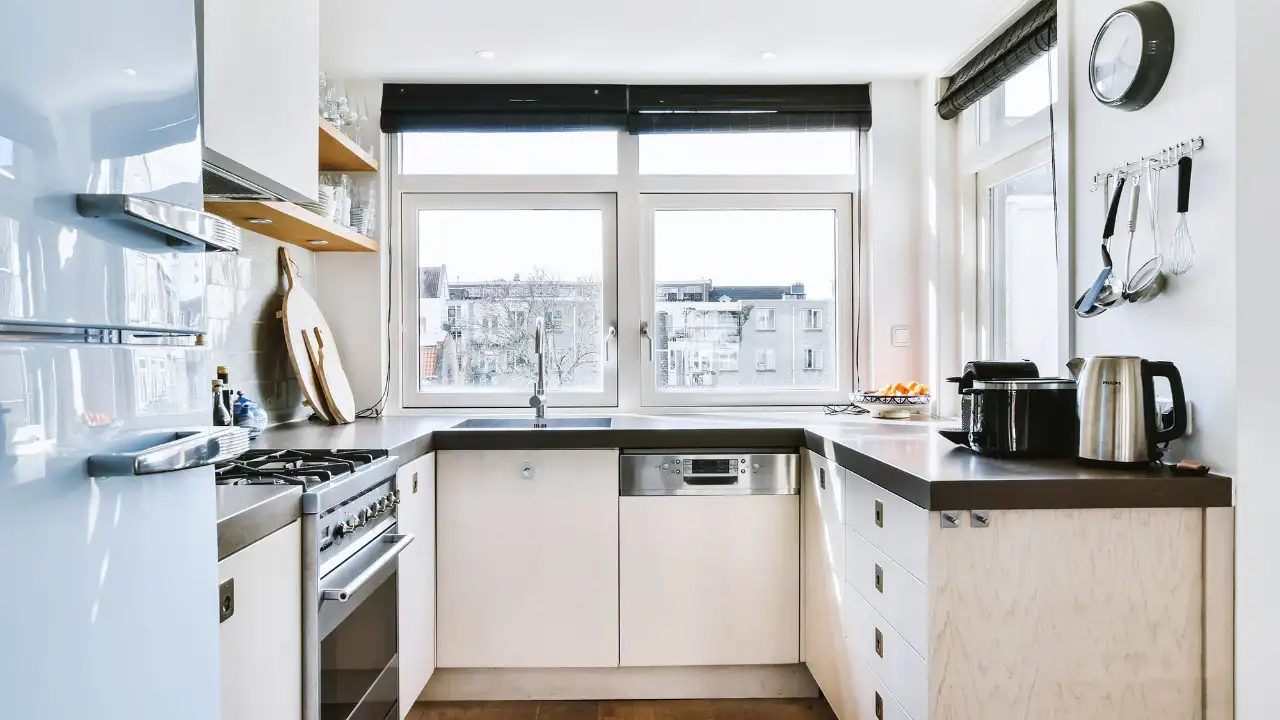
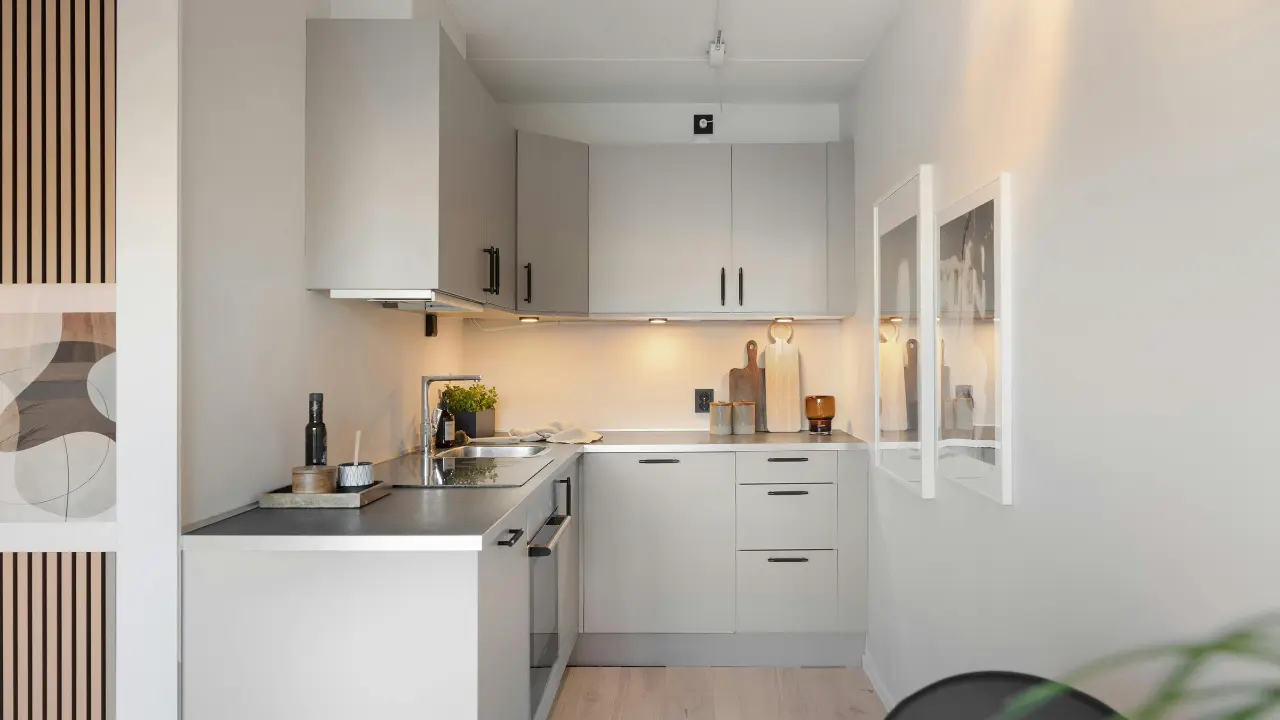
A kitchen does not always need a complete renovation to feel fresh, functional, and beautiful. Sometimes a new cabinet finish, better lighting, updated hardware, or a thoughtfully chosen backsplash can make the entire room feel different.
The best kitchen makeover ideas are not necessarily the most expensive ones. A successful makeover starts by identifying what is actually bothering you about the space. Maybe the cabinets look dated, the countertops feel worn, the lighting is too dim, or everyday items have nowhere convenient to go. Once those problems are clear, you can choose upgrades that improve both appearance and functionality.
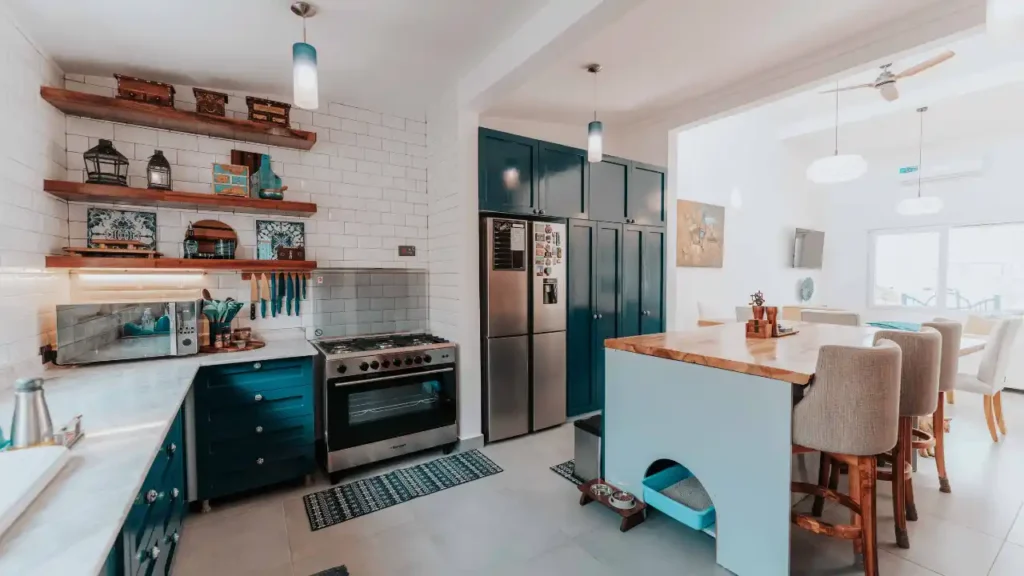
Some kitchens need only a low-cost cosmetic refresh, while others benefit from a more substantial transformation. This guide covers everything from affordable DIY changes to larger kitchen remodeling ideas, along with practical ways to choose materials, colors, storage, lighting, and finishes that work together.
What Is a Kitchen Makeover?
A kitchen makeover is an update to an existing kitchen that improves its appearance, functionality, or both. Unlike a full renovation, a makeover does not necessarily involve changing walls, plumbing, electrical locations, or the entire layout.
A makeover can be as simple as painting cabinets and replacing hardware or as extensive as installing new countertops, cabinets, lighting, and appliances while keeping the basic footprint of the room.
Kitchen Makeover vs. Kitchen Remodel
The terms are sometimes used interchangeably, but there is a practical difference.
A kitchen makeover usually focuses on updating what already exists. Common projects include:
- Painting or refinishing cabinets
- Replacing cabinet hardware
- Installing a new backsplash
- Updating lighting
- Replacing a faucet
- Improving storage
- Adding decor and accessories
- Replacing countertops
A kitchen remodel may involve more substantial work, such as changing the island, moving appliances, altering plumbing, replacing cabinets, or modifying electrical systems.
If your kitchen layout works well and the major components are in good condition, a makeover can often deliver a significant visual improvement without rebuilding the entire room.
When Does a Kitchen Need a Full Renovation?
A more extensive renovation may make sense when the existing kitchen has serious functional problems.
Signs can include:
- Damaged or failing cabinets
- Persistent plumbing problems
- An inefficient layout
- Insufficient electrical capacity
- Severely damaged countertops
- Poor ventilation
- Major storage limitations
- Appliances that cannot be positioned effectively
- Structural or water-related problems
In these situations, cosmetic changes may hide the problem temporarily without actually solving it.
How to Choose the Right Makeover Approach
A simple framework can help you decide where to spend your time and money:
Budget → Layout → Function → Style → Materials
Start with your available budget. Then determine whether the existing layout works. Next, solve functional problems before selecting decorative finishes. Once the practical decisions are made, choose a design style and materials that support it.
Best Kitchen Makeover Ideas for 2026
The most effective kitchen upgrade ideas combine visual impact with everyday usefulness. You do not need to use every idea below. Instead, select the changes that address the biggest weaknesses in your kitchen.
1. Refresh Kitchen Cabinets With a New Finish
Cabinets often occupy more visual space than any other kitchen feature, so changing their appearance can dramatically affect the room.
If the cabinet boxes are structurally sound, painting or refinishing them may be more sensible than replacing everything.
Consider:
- Painting existing cabinets
- Refinishing natural wood
- Changing from dark to lighter finishes
- Updating outdated colors
- Replacing only damaged doors
- Keeping usable cabinet boxes
A cabinet makeover is especially useful when the layout already works. You can spend the savings on better hardware, lighting, countertops, or storage.
For painted cabinets, proper surface preparation matters. Cleaning, repairing imperfections, sanding where appropriate, and using suitable primer and finish will generally produce a more durable result than simply applying paint over an existing surface.
2. Upgrade Kitchen Cabinet Hardware
Small hardware changes can have an unexpectedly large effect.
Cabinet pulls and knobs are relatively simple to replace, making them one of the easiest kitchen makeover ideas for a weekend project.
Popular choices include:
- Simple cabinet pulls
- Round or square knobs
- Brushed metal finishes
- Matte finishes
- Warm metallic accents
- Minimalist hardware
The important thing is consistency. Hardware should work with other visible finishes, including the faucet, lighting, and appliances.
You can also mix hardware styles carefully, but the combination should look intentional rather than accidental.
3. Add a Stylish Kitchen Backsplash
A backsplash protects the wall while also creating an opportunity to introduce texture, color, or pattern.
Options include:
- Subway tile
- Zellige-style tile
- Ceramic tile
- Porcelain tile
- Natural stone
- Marble-look surfaces
- Full-height slab backsplashes
A simple backsplash can keep a busy kitchen calm, while a textured or patterned backsplash can become the room’s focal point.
Think about scale as well. Large-format materials can create a cleaner appearance with fewer grout lines, while smaller tiles can introduce pattern and visual texture.
4. Upgrade the Kitchen Countertops
Countertops affect both the appearance and everyday usability of a kitchen.
Common choices include:
- Quartz
- Natural stone
- Butcher block
- Porcelain
- Laminate
Quartz can offer a consistent appearance and relatively straightforward maintenance, while natural stone provides unique variation. Butcher block introduces warmth, and laminate can be useful when keeping costs controlled.
Do not choose a countertop based solely on appearance. Consider how you cook, how much maintenance you are comfortable with, and how the surface will coordinate with the cabinets and backsplash.
5. Improve Kitchen Lighting
Good lighting can make an ordinary kitchen feel more comfortable and functional.
Instead of relying on a single ceiling fixture, consider several layers of light.
Under-Cabinet Lighting
Under-cabinet lights illuminate work surfaces and reduce shadows around food-preparation areas.
Pendant Lighting
Pendant fixtures can provide focused illumination over an island or peninsula while also serving as a decorative element.
Ceiling Lighting
General ceiling lighting should provide comfortable overall illumination without creating harsh shadows.
Accent Lighting
Accent lighting can highlight glass-front cabinets, shelves, artwork, architectural details, or decorative areas.
A layered lighting plan is usually more flexible because different types of lighting can serve different activities.
6. Create a More Functional Kitchen Island
If your kitchen has enough floor space, an island can improve both workflow and storage.
Depending on the design, an island can provide:
- Additional preparation space
- Storage drawers
- Cabinets
- Seating
- A secondary work zone
- A visual focal point
However, adding an island simply because it looks attractive is not always a good decision. Adequate circulation around the island matters more than forcing one into a tight room.
For smaller kitchens, consider a compact island, movable cart, or narrow worktable instead.
7. Add Open Shelving for an Airier Look
Open shelving can make a kitchen feel lighter and provide an accessible place for frequently used items.
Options include:
- Natural wood shelves
- Floating shelves
- Metal-bracket shelves
- Painted shelves
- Built-in display shelves
Use open shelving selectively. Displaying a few attractive mugs, bowls, glasses, cookbooks, or plants can add personality. Filling every shelf with mismatched items can create visual clutter.
If you prefer a cleaner appearance, use open shelving only in one section while keeping most everyday storage behind closed cabinet doors.
8. Add Warm Wood Elements
Natural wood can bring warmth to kitchens dominated by hard surfaces.
You can introduce wood through:
- Floating shelves
- Butcher-block sections
- Bar stools
- Cutting boards
- Cabinet accents
- Wood-framed artwork
- Small furniture pieces
Wood works particularly well with warm white, cream, beige, green, charcoal, and other neutral palettes.
The goal is balance. A few carefully selected wood elements can soften a modern kitchen without making it look overly rustic.
9. Try a Two-Tone Kitchen Color Scheme
Using two cabinet colors can add depth without requiring complicated architectural changes.
Ideas include:
- Light upper cabinets with darker lower cabinets
- Natural wood with painted cabinetry
- Neutral cabinets with a contrasting island
- Warm white with natural wood
- Dark lower cabinets with lighter upper storage
A two-tone approach can also visually separate different zones of the kitchen.
Keep the overall palette controlled. If cabinets, backsplash, countertop, flooring, hardware, and accessories all compete for attention, the result can feel chaotic.
10. Upgrade the Kitchen Faucet
A faucet is both a functional tool and a visible design feature.
Consider:
- Pull-down faucets
- Minimalist faucets
- Bridge-style designs
- Brushed finishes
- Matte finishes
- Coordinated faucet and hardware combinations
Before purchasing, check the existing sink configuration and mounting requirements. A beautiful faucet that does not fit the sink or countertop setup can turn a simple upgrade into an unexpected project.
Budget-Friendly Kitchen Makeover Ideas
You do not need to replace every major component to create a noticeable transformation.
The smartest affordable kitchen makeover usually focuses on high-visibility improvements first.
Paint the Kitchen Cabinets
If the existing cabinets are structurally sound, a quality paint job can dramatically change their appearance.
Choose a finish that complements the room’s lighting, flooring, countertops, and backsplash.
Replace Cabinet Handles and Knobs
New hardware can make older cabinets look more current without requiring major construction.
Change the Kitchen Faucet
A new faucet can provide both a visual upgrade and improved functionality.
Add Peel-and-Stick or Removable Backsplash Options
For renters or homeowners who want a temporary change, removable backsplash products can provide visual interest without committing to permanent tile installation.
Always check manufacturer instructions and make sure the material is suitable for the intended location.
Upgrade Lighting
Replacing an outdated light fixture or adding under-cabinet lighting can change the atmosphere of the kitchen without touching the cabinets.
Add Affordable Kitchen Rugs
A washable kitchen runner can introduce color, pattern, and comfort, particularly in longer kitchens or work areas.
Choose a rug that is practical for spills and frequent cleaning.
Style Countertops With Functional Decor
Instead of filling the countertop with decorative objects, use attractive items that serve a purpose.
For example:
- A wooden cutting board
- A ceramic utensil holder
- A tray for frequently used items
- A fruit bowl
- A small plant
Replace Old Bar Stools
If you have an island or breakfast counter, new stools can change the look of the seating area without remodeling the kitchen.
Add Plants and Natural Elements
Plants, herbs, wood accessories, woven baskets, and natural ceramics can make a kitchen feel more welcoming.
The key is restraint. A few intentional elements usually look better than excessive countertop decoration.
Small Kitchen Makeover Ideas
Small kitchens benefit from improvements that make the space feel more open without sacrificing useful storage.
Use Light Colors Strategically
Light colors can help reflect available light, but you do not have to make everything white.
Warm neutrals, soft greens, pale wood, cream, and other restrained colors can create an open feeling while adding personality.
Install Vertical Storage
Use wall height where possible.
Tall cabinets, shelves, rails, and vertical organizers can help keep frequently used items accessible without consuming additional floor space.
Choose Space-Saving Shelving
Narrow floating shelves or shallow display shelves can provide storage without making a small kitchen feel crowded.
Use Pull-Out Cabinet Organizers
Pull-out systems can make deep or awkward cabinets easier to use.
They are particularly useful for:
- Cleaning supplies
- Pantry items
- Baking equipment
- Pots and pans
- Spices
Add Under-Cabinet Lighting
Lighting beneath upper cabinets can brighten work surfaces and visually improve a compact kitchen.
Use a Compact Kitchen Island or Cart
A small rolling cart can provide extra preparation or storage space when needed and can be moved when the floor area is required.
Keep Countertops Visually Clear
A small kitchen can feel significantly more spacious when unnecessary appliances and decorative objects are removed from the countertop.
Store items according to frequency of use. Keep everyday essentials accessible while putting occasional-use appliances away.
Use Reflective Surfaces Carefully
Glass, glossy finishes, mirrors in appropriate locations, and lighter surfaces can reflect light.
However, too many reflective finishes can make a kitchen feel cold or visually busy. Balance them with matte textures and natural materials.
Modern Kitchen Makeover Ideas
A modern kitchen does not have to look stark or sterile. Many contemporary kitchens combine clean lines with warm materials and comfortable details.
Minimalist Cabinetry
Simple doors and restrained detailing can create a clean visual foundation.
Handleless Cabinet Designs
Handleless cabinetry can emphasize uninterrupted cabinet surfaces and a streamlined appearance.
Warm Neutral Colors
Cream, beige, taupe, warm white, and soft gray can create a more inviting alternative to extremely cool neutrals.
Natural Wood Accents
Wood can prevent a modern kitchen from feeling overly clinical.
Large-Format Backsplash Materials
Larger surfaces can reduce visual interruptions and create a contemporary appearance.
Integrated Appliances
Where appropriate, integrated appliances can help create a visually cohesive kitchen.
Statement Kitchen Islands
A contrasting island can become the centerpiece of a modern kitchen through color, material, lighting, or shape.
Layered Lighting
Modern kitchens benefit from a combination of ambient, task, and accent lighting instead of relying on one fixture.
Kitchen Cabinet Makeover Ideas
Cabinetry is often the most influential part of a kitchen transformation.
Paint Existing Cabinets
Painting is one of the most accessible ways to change the style of existing cabinetry.
Replace Cabinet Doors
If the cabinet boxes are still useful but the doors are damaged or outdated, replacing the doors may provide a middle ground between painting and full cabinet replacement.
Add Glass-Front Cabinets
Glass doors can create display space for attractive dishes, glassware, or decorative objects.
Use them selectively because everything behind the glass becomes part of the kitchen’s visual design.
Install Open Shelving
Open shelves can replace a small number of upper cabinets to create a lighter appearance.
Add Interior Cabinet Lighting
Lighting inside glass-front cabinets can highlight displayed items and provide subtle evening illumination.
Improve Cabinet Organization
Sometimes the cabinets do not need to change at all. Their internal organization does.
Consider drawer dividers, pull-outs, vertical racks, and adjustable organizers.
Mix Closed Storage With Display Storage
A combination of closed cabinets, drawers, and limited display storage often provides a better balance than using only one type.
Kitchen Makeover Ideas for Different Design Styles
The right makeover should reflect the overall character of the home.
Modern Kitchen Makeover
Choose clean cabinetry, restrained hardware, simple surfaces, and layered lighting.
A warm neutral palette can make the modern design feel more welcoming.
Minimalist Kitchen Makeover
Focus on fewer visible objects, streamlined cabinetry, concealed storage, and a limited material palette.
The emphasis should be on simplicity without sacrificing usability.
Farmhouse Kitchen Makeover
Consider natural wood, shaker-style cabinetry, practical lighting, traditional hardware, and comfortable seating.
Avoid adding too many decorative farmhouse elements simply to make the style obvious.
Scandinavian Kitchen Makeover
Use light woods, soft neutrals, simple forms, functional storage, and plenty of natural light.
Japandi Kitchen Makeover
Combine Japanese-inspired simplicity with Scandinavian warmth.
Natural materials, muted colors, uncluttered surfaces, and purposeful storage work particularly well.
Transitional Kitchen Makeover
Blend traditional details with contemporary finishes.
Shaker cabinets, neutral colors, simple lighting, and refined hardware can create a balanced look.
Traditional Kitchen Makeover
Classic cabinetry, detailed hardware, natural stone, warm colors, and timeless lighting can create a traditional atmosphere.
Luxury Kitchen Makeover
Luxury does not require covering every surface in expensive materials.
Instead, focus on a few high-impact features such as a quality countertop, distinctive lighting, custom cabinetry, carefully selected hardware, or a statement backsplash.
Kitchen Color Ideas for a Makeover
Color can influence how large, warm, bright, or dramatic a kitchen feels.
Warm White Kitchens
Warm white can create a bright appearance while avoiding the starkness that some cool whites produce.
Sage Green Kitchens
Sage green can introduce color while remaining relatively soft and adaptable.
Navy Blue Kitchens
Navy can provide contrast on lower cabinets, an island, or a feature wall.
Charcoal and Dark Kitchens
Dark cabinetry can create a dramatic appearance, especially when balanced with adequate lighting and lighter countertops or walls.
Beige and Cream Kitchens
Warm neutrals can create a relaxed, timeless atmosphere and pair naturally with wood.
Natural Wood Kitchens
Wood can become the main visual feature or simply provide accents against painted cabinetry.
Two-Tone Kitchen Colors
Combining two restrained colors can create depth without requiring additional architectural features.
Rather than asking which kitchen color is universally best, consider your natural light, room size, existing finishes, and personal preferences.
Kitchen Backsplash Makeover Ideas
A backsplash can be a relatively small area with a major visual effect.
Consider:
- Classic subway tile
- Textured tile
- Handmade-look tile
- Natural stone
- Marble-look porcelain
- Full-height backsplash
- Countertop-matching backsplash
- Bold accent backsplash
The scale of the tile matters. Small tiles can introduce detail, while larger formats can create a cleaner appearance.
Grout color also changes the overall effect. A contrasting grout emphasizes the tile pattern, while a closely matched grout creates a more continuous surface.
Kitchen Storage Makeover Ideas
Storage should solve real problems rather than simply adding more cabinets.
Deep Drawer Storage
Large drawers can make cookware and other heavy items easier to access.
Pull-Out Pantry Storage
Pull-out storage can make narrow pantry areas more usable by bringing items forward.
Corner Cabinet Solutions
Use appropriate organizers to improve access to difficult corner spaces.
Vertical Tray Storage
Vertical dividers can organize baking sheets, cutting boards, trays, and similar flat items.
Under-Sink Organization
Adjustable organizers can make better use of the awkward space around plumbing.
Appliance Garages
An appliance garage can keep frequently used small appliances accessible while reducing countertop clutter.
Hidden Storage
Hidden compartments and integrated organizers can keep everyday items close without making the kitchen look crowded.
Wall-Mounted Storage
Rails, hooks, shelves, and narrow organizers can take advantage of unused wall space.
Kitchen Makeover Ideas Without Changing the Layout
Keeping the existing layout can significantly simplify a makeover.
If the kitchen’s workflow is already functional, you may not need to move:
- Plumbing
- Gas lines
- Electrical locations
- Walls
- Major appliances
Instead, concentrate on:
- Cabinet finish
- Hardware
- Backsplash
- Countertops
- Faucet
- Lighting
- Decor
- Storage organization
This approach can be particularly useful when the main problem is appearance rather than functionality.
Before making changes, however, confirm that the existing surfaces, electrical system, plumbing, and appliances are suitable for the planned upgrades.
DIY Kitchen Makeover Ideas
Some kitchen improvements are suitable for homeowners who enjoy hands-on projects, while others require specialized knowledge.
Beginner-Friendly Projects
Depending on your experience, relatively approachable projects may include:
- Painting
- Replacing cabinet hardware
- Shelf styling
- Decorating
- Organizing cabinets
- Installing suitable removable backsplash products
Always follow product instructions and use appropriate safety equipment.
Projects Requiring More Skill
Some projects require more experience and careful preparation, including:
- Cabinet refinishing
- Countertop replacement
- Permanent backsplash installation
Poor preparation can affect the durability and appearance of these projects.
When to Hire a Professional
Professional help is especially important for work involving:
- Electrical systems
- Plumbing
- Gas connections
- Structural changes
- Major cabinetry installation
- Significant layout changes
Local building requirements can also vary, so check applicable rules before beginning major work.
How to Plan a Kitchen Makeover Step by Step
A clear plan can prevent expensive changes halfway through the project.
Step 1 — Identify What Is Not Working
Write down everything you dislike about the kitchen.
Separate problems into:
- Appearance
- Storage
- Lighting
- Workflow
- Maintenance
- Appliances
- Counter space
Step 2 — Set a Realistic Budget
Decide how much you can comfortably allocate before choosing materials.
Leave room for unexpected costs, particularly when opening walls, changing plumbing, or replacing older components.
Step 3 — Decide Whether the Layout Should Stay
Ask whether the current arrangement allows you to cook, clean, store, and move around comfortably.
If it does, keeping the layout may free more of your budget for finishes and functional upgrades.
Step 4 — Choose a Design Direction
Select a general style and color palette before purchasing individual products.
This helps prevent random pieces from accumulating without a cohesive visual plan.
Step 5 — Prioritize Cabinets and Countertops
Because these surfaces occupy significant visual and functional space, make their selections early.
Step 6 — Plan Lighting and Electrical Needs
Determine where task lighting, ambient lighting, and decorative fixtures should go.
If electrical changes are needed, address them before finishing walls or installing cabinetry.
Step 7 — Select Hardware and Fixtures
Coordinate cabinet hardware, faucet finishes, lighting, and other visible metal elements.
Step 8 — Add Storage Solutions
Identify where specific items will live before purchasing organizers.
Good organization starts with knowing what needs to be stored.
Step 9 — Finish With Decor
Add rugs, artwork, plants, ceramics, stools, trays, or other accessories after the major elements are complete.
Step 10 — Review the Kitchen as a Whole
Step back and evaluate the finished space.
Check whether the kitchen feels balanced, functional, easy to maintain, and consistent with the rest of your home.
Common Kitchen Makeover Mistakes to Avoid
Even attractive kitchens can be frustrating when design decisions ignore everyday use.
Choosing Style Before Solving Functionality
A beautiful kitchen still needs to work efficiently.
Ignoring Workflow
Think about how you move between storage, preparation, cooking, and cleaning areas.
Inadequate Lighting
A stylish kitchen can feel uncomfortable if work surfaces are poorly illuminated.
Insufficient Countertop Space
Before adding decorative objects, make sure there is enough practical workspace.
Choosing Materials Only for Appearance
Consider durability, cleaning requirements, moisture exposure, and everyday wear.
Installing Too Much Open Shelving
Open storage requires organization and regular visual maintenance.
Forgetting Appliance Measurements
Measure appliances, cabinet openings, doors, and surrounding clearances before ordering materials.
Overlooking Cabinet Storage
Beautiful cabinet fronts cannot compensate for poor internal organization.
Mixing Too Many Finishes
A controlled material palette usually creates a more cohesive kitchen.
Choosing Trends Without Considering Longevity
A trend can be fun, but expensive permanent elements deserve more careful consideration.
Underestimating Installation Requirements
A seemingly simple project can involve electrical, plumbing, structural, or code-related considerations.
Spending the Budget on Cosmetic Details First
Prioritize problems that affect safety, functionality, and durability before purely decorative improvements.
How Much Does a Kitchen Makeover Cost?
There is no single price that accurately represents every kitchen makeover.
The final cost can vary based on:
- Kitchen size
- Cabinet condition
- Cabinet refinishing or replacement
- Countertop material
- Backsplash choice
- Appliances
- Plumbing
- Electrical work
- Lighting
- Labor
- Geographic location
- Structural changes
Instead of relying on one generic price, think about your project in budget tiers.
Low-Budget Cosmetic Refresh
This might focus on paint, hardware, lighting, organization, decor, and other relatively small improvements.
Mid-Range Kitchen Makeover
This may combine cabinet work with new countertops, backsplash, lighting, fixtures, or selected storage upgrades.
Major Kitchen Transformation
A larger project can involve new cabinetry, countertops, appliances, electrical work, plumbing changes, lighting, and potentially layout modifications.
Get itemized estimates where possible so you can see exactly where the budget is going.
How to Make a Kitchen Look More Expensive
An expensive-looking kitchen is usually more about coordination and restraint than filling the room with costly materials.
Try:
- Consistent hardware
- Appropriately scaled lighting
- Quality-looking materials in focal areas
- Fewer countertop objects
- Coordinated finishes
- Natural materials
- Carefully styled open shelves
- Simple artwork
- Greenery
- Quality textiles
- A controlled color palette
One strong focal point can often be more effective than many competing decorative features.
Kitchen Makeover Ideas That Add Functionality
A successful kitchen transformation should make daily life easier, not just improve photographs.
Consider upgrades such as:
- Better task lighting
- Improved cabinet organization
- Easier-to-clean surfaces
- More efficient work zones
- Organized drawers
- Better appliance accessibility
- Improved countertop workflow
- Appropriate seating
- Dedicated pantry storage
When deciding between two upgrades, give serious consideration to the one that solves a problem you experience every day.
Frequently Asked Questions About Kitchen Makeover Ideas
What is the easiest way to give a kitchen a makeover?
The easiest starting points are often cabinet hardware, paint, lighting, organization, and decor. These changes can produce a noticeable difference without requiring a complete renovation.
How can I makeover my kitchen on a small budget?
Prioritize high-impact cosmetic upgrades such as cabinet paint, new hardware, improved lighting, a faucet replacement, organization, and carefully selected accessories.
What should I update first in a kitchen makeover?
Start with problems affecting functionality and condition. After that, prioritize visually dominant elements such as cabinets, countertops, lighting, and backsplash.
How can I make an old kitchen look modern?
Simplify visual clutter, update cabinet finishes and hardware, improve lighting, introduce a restrained color palette, and replace outdated surfaces where necessary.
What kitchen upgrades make the biggest visual difference?
Cabinet finishes, countertops, backsplash, lighting, and hardware often have a strong visual impact because they occupy prominent areas of the room.
How can I makeover a small kitchen?
Focus on vertical storage, clear countertops, appropriate lighting, compact furniture, efficient cabinet organizers, and a restrained material palette.
Is painting kitchen cabinets worth it?
It can be worthwhile when the existing cabinet boxes and doors are structurally sound and the preparation and finishing work are done properly.
Should I change the cabinets or countertops first?
There is no universal answer. If cabinets are damaged or poorly laid out, address them first. If the cabinetry works well but the surfaces are outdated, countertops may be the more logical upgrade.
Can I makeover a kitchen without remodeling it?
Yes. You can change cabinet finishes, hardware, lighting, backsplash, countertops, fixtures, storage, and decor while keeping the basic layout.
What kitchen trends are worth using in 2026?
Rather than chasing every trend, prioritize design choices that improve comfort, storage, lighting, usability, and longevity. Warm neutrals, natural materials, layered lighting, purposeful storage, and restrained styling can provide a flexible foundation without making the kitchen feel dated quickly.
Final Thoughts
The best kitchen makeover ideas are the ones that make your kitchen work better while making it feel more like your home.
You do not necessarily need new cabinets, a completely different layout, or the most expensive materials to create a meaningful transformation. A carefully chosen combination of cabinet updates, lighting, hardware, storage, backsplash, countertop, and decor can completely change the character of an existing kitchen.
Start by identifying what is not working. Then set a realistic budget, preserve the layout when it already functions well, and invest first in improvements that provide lasting practical value.
Whether you are planning a small budget kitchen makeover or a larger transformation, aim for a balance between function, durability, style, and everyday comfort. A kitchen that looks beautiful but works poorly will eventually become frustrating; a kitchen that works beautifully and reflects your personal style is far more likely to remain satisfying for years.