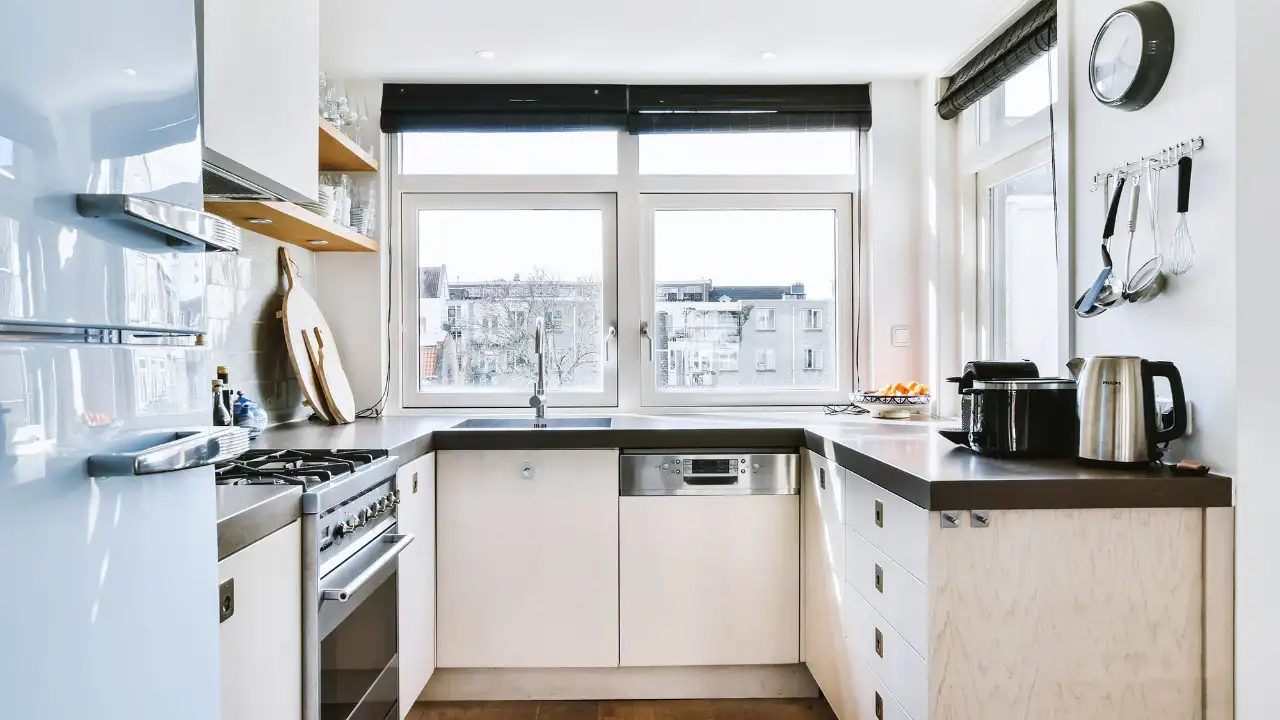
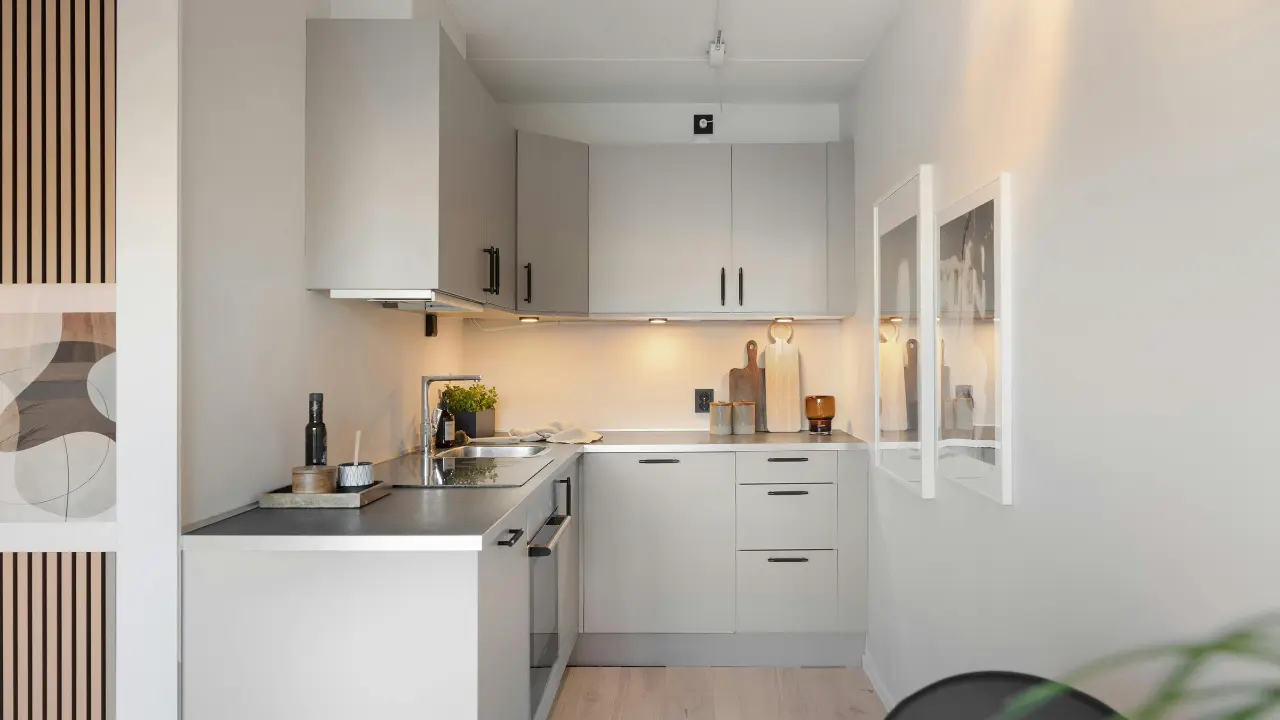
A kitchen can be one of the most functional rooms in a home while still feeling warm, personal, and beautifully designed. The right kitchen aesthetic ideas can transform an ordinary cooking space into a room that feels cohesive, comfortable, and visually inviting.
Creating an aesthetic kitchen does not necessarily mean buying expensive finishes or following every decorating trend. The most successful spaces usually come from thoughtful combinations of color, materials, lighting, storage, furniture, and carefully selected accessories.
Whether you prefer a warm minimalist kitchen, a cozy cottage look, a modern organic aesthetic, or a sophisticated luxury design, the goal is the same: create a kitchen that looks intentional while working well for everyday life.
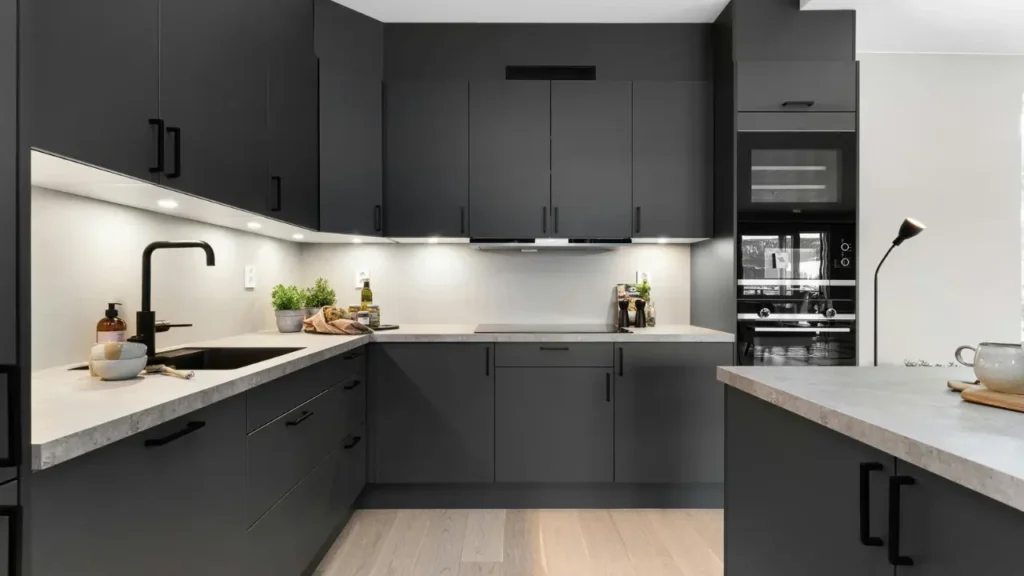
In this guide, you will find practical and inspirational ideas for cabinets, countertops, backsplashes, lighting, color palettes, islands, open shelving, small kitchens, and budget-friendly upgrades.
What Is a Kitchen Aesthetic?
A kitchen aesthetic is the overall visual character and atmosphere created by the design elements in a kitchen. It includes the colors, materials, textures, lighting, furniture, hardware, appliances, and decorative details that work together to create a particular look and feeling.
Kitchen Aesthetic vs. Kitchen Style
A kitchen style usually describes a recognizable design direction, such as Scandinavian, farmhouse, traditional, contemporary, or Japandi.
An aesthetic is broader. It describes how the finished room feels visually.
For example, two kitchens can both have modern cabinetry but create very different impressions. One might feel cool and minimalist with white cabinets and black hardware, while another could feel warm and organic with oak cabinetry, natural stone, and soft lighting.
Think of style as the design language and aesthetic as the overall experience.
What Makes a Kitchen Look Aesthetic?
Several elements contribute to a cohesive kitchen:
- A consistent color palette
- Balanced materials
- Appropriate proportions
- Layered lighting
- Coordinated hardware
- Intentional decoration
- Useful and attractive storage
- Natural textures
- Visual organization
- A balance between empty and decorated surfaces
The key is not simply having beautiful individual pieces. Those pieces need to work together.
Why Cohesion Matters More Than Trends
Kitchen trends can provide inspiration, but using too many unrelated trends can make a room feel visually busy.
Instead of choosing every popular finish, select a few elements that complement one another. For example, warm white cabinets, oak accents, brushed brass hardware, and natural stone can create a unified look without requiring dozens of decorative features.
A cohesive kitchen can also remain attractive longer because its design is based on relationships between materials rather than a collection of short-lived trends.
35 Best Kitchen Aesthetic Ideas for 2026
1. Warm Neutral Kitchen Aesthetic
Warm neutrals are an easy way to create a comfortable and sophisticated kitchen. Think cream, beige, warm white, light oak, and natural stone.
Pairing warm cabinetry with wood flooring or a natural wood island can prevent the room from feeling too sterile.
For a polished look, keep the palette relatively restrained and introduce variation through texture rather than adding numerous colors.
2. Modern Minimalist Kitchen Aesthetic
A modern minimalist kitchen focuses on clean lines, practical storage, and visual simplicity.
Flat-panel cabinets, simple hardware, integrated appliances, and uncluttered countertops can establish the foundation. Instead of filling the room with decorations, choose a few useful objects that also contribute to the design.
A ceramic vase, wooden cutting board, or carefully selected pendant light can provide enough visual interest without overwhelming the space.
3. Cozy Cottage Kitchen Aesthetic
A cottage-inspired kitchen can feel relaxed, welcoming, and slightly nostalgic.
Shaker cabinets, natural wood, traditional hardware, vintage-inspired lighting, ceramic accessories, and soft textiles work particularly well together.
For a contemporary interpretation, combine classic cabinet profiles with simple countertops and modern appliances.
4. Modern Organic Kitchen Aesthetic
Modern organic design combines contemporary simplicity with natural materials.
Consider:
- Warm wood
- Natural stone
- Soft neutral colors
- Ceramic accessories
- Greenery
- Textured fabrics
The result should feel clean but not cold.
One effective approach is to use simple cabinetry as a backdrop and introduce warmth through oak, walnut, stone, woven accessories, and plants.
5. Luxury Kitchen Aesthetic
A luxury kitchen aesthetic is less about filling the room with expensive objects and more about creating visual refinement.
Marble or marble-look surfaces, carefully selected hardware, statement lighting, large islands, integrated appliances, and high-quality-looking materials can create an elevated atmosphere.
Keep the palette controlled. A sophisticated kitchen often benefits from repeating a small number of finishes throughout the room.
6. Scandinavian Kitchen Aesthetic
Scandinavian kitchens emphasize simplicity, functionality, natural light, and comfortable materials.
White or soft neutral cabinets can be paired with pale oak, simple hardware, minimal decoration, and practical storage.
Instead of making the kitchen completely bare, add warmth with wood, ceramics, plants, and soft textiles.
7. Japandi Kitchen Aesthetic
Japandi combines Japanese-inspired simplicity with Scandinavian warmth.
Use:
- Natural wood
- Soft neutrals
- Clean cabinetry
- Simple ceramics
- Subtle textures
- Minimal decoration
Avoid excessive ornamentation. The beauty of this aesthetic comes from proportion, natural materials, and intentional simplicity.
8. Dark and Moody Kitchen Aesthetic
Deep green, charcoal, navy, and dark wood can create a dramatic kitchen without making it feel uncomfortable.
Balance darker surfaces with warm lighting, natural wood, lighter countertops, or reflective details.
Brass or warm metallic hardware can also provide contrast against dark cabinetry.
9. Sage Green Kitchen Aesthetic
Sage green is versatile because its muted quality works with both contemporary and traditional interiors.
Pair sage cabinetry with:
- White
- Cream
- Natural oak
- Brass
- Marble or stone
- Warm neutral walls
For a subtle effect, use sage only on the lower cabinets or kitchen island.
10. All-White Kitchen Aesthetic
An all-white kitchen can look bright, clean, and timeless, but using only one texture can make the room feel flat.
Add dimension through:
- Wood accents
- Textured tile
- Stone surfaces
- Metal hardware
- Layered lighting
- Ceramic accessories
The goal is not to make everything identical but to create subtle variations within the white palette.
11. Cream and Beige Kitchen Aesthetic
Cream and beige create a softer alternative to stark white.
This palette works especially well with natural wood, brushed metal, stone, and woven textures.
For depth, use slightly different shades rather than trying to match every beige exactly.
12. Black and Wood Kitchen Aesthetic
Black and wood create a strong contrast between modern drama and natural warmth.
Try black cabinetry with an oak island or natural wood shelves. Alternatively, use black hardware and lighting against warm wood cabinetry for a more subtle effect.
This combination works particularly well in contemporary and modern organic kitchens.
13. Earth-Tone Kitchen Aesthetic
Earth tones can make a kitchen feel grounded and connected to natural materials.
Consider:
- Terracotta
- Olive
- Brown
- Sand
- Cream
- Warm beige
Use earth tones selectively if you want a restrained look. A muted terracotta accessory or olive-green island can add personality without dominating the room.
14. Minimalist Small Kitchen Aesthetic
Small kitchens benefit from visual simplicity.
Use a restrained palette, streamlined cabinetry, compact furniture, and thoughtful storage. Keeping countertops relatively clear can make the room feel more spacious.
Vertical storage is especially useful because it takes advantage of wall space without consuming additional floor area.
15. Apartment Kitchen Aesthetic
An apartment kitchen can look polished without requiring major structural changes.
Consider renter-friendly improvements such as:
- Decorative lighting
- Removable organizers
- Countertop accessories
- Artwork
- Plants
- Rugs
- Attractive storage containers
- Temporary hardware changes where permitted
Coordinate these additions with the existing kitchen rather than trying to completely disguise the original architecture.
16. Open-Shelf Kitchen Aesthetic
Open shelving can add personality and make frequently used items easy to access.
Wood shelves paired with ceramic dishes, glassware, plants, and attractive containers can create an inviting display.
However, open shelving works best when it is edited regularly. Too many objects can quickly turn a styled shelf into visual clutter.
17. Coffee Bar Kitchen Aesthetic
A dedicated coffee corner can become both a functional station and a decorative feature.
Use a small section of countertop or a built-in nook with:
- A coffee machine
- Mugs
- Canisters
- Floating shelves
- A tray
- Warm lighting
Keep everyday coffee supplies organized so the area remains attractive even when it is being used frequently.
18. Aesthetic Kitchen Island Styling
The kitchen island often becomes a visual focal point.
Counter stools, pendant lights, a decorative tray, a bowl of fruit, or a simple vase can add personality.
Avoid covering the entire island with accessories. Leave enough clear surface for food preparation and everyday use.
19. Marble Kitchen Aesthetic
Marble can add natural movement and visual sophistication to a kitchen.
If natural marble does not fit your maintenance preferences or budget, marble-look quartz and other engineered surfaces can offer a similar visual direction.
When using a strongly veined surface, keep surrounding elements relatively simple so the countertop or backsplash remains the focal point.
20. Natural Wood Kitchen Aesthetic
Natural wood brings warmth and texture to kitchens.
Popular directions include:
- Oak
- Walnut
- Ash
- Reclaimed wood
Wood can appear on cabinets, islands, shelving, furniture, or accent details.
To prevent the room from looking overly uniform, combine wood with contrasting stone, tile, metal, or painted surfaces.
21. Fluted Wood Kitchen Aesthetic
Fluted wood introduces vertical texture and architectural interest.
It can be used on an island, cabinet panels, furniture, or a feature wall. Because fluting already creates a strong visual pattern, it is usually best balanced with simpler surrounding surfaces.
22. Brass Hardware Kitchen Aesthetic
Brass hardware can add warmth and contrast.
It pairs naturally with:
- White
- Cream
- Sage green
- Navy
- Natural wood
For a cohesive result, repeat the finish in another element such as lighting or a faucet instead of introducing many different metallic finishes.
23. Matte Black Kitchen Aesthetic
Matte black works well when you want a crisp, contemporary contrast.
Try black cabinet pulls, faucets, pendant lights, or small decorative details.
If the kitchen already contains several dark elements, introduce lighter surfaces or natural wood to maintain visual balance.
24. Vintage-Inspired Kitchen Aesthetic
Vintage-inspired kitchens can combine traditional details with modern functionality.
Consider vintage-style lighting, traditional cabinet hardware, patterned backsplash tile, glass-front cabinets, and antique-inspired accessories.
The key is moderation. A few carefully selected vintage elements can provide character without making the kitchen feel like a themed room.
25. Modern Farmhouse Kitchen Aesthetic
Modern farmhouse design combines practical simplicity with comfortable traditional details.
Shaker cabinets, natural wood, neutral colors, simple pendant lighting, and classic hardware create the foundation.
Keep decorative details restrained to maintain a contemporary feel.
26. Coastal Kitchen Aesthetic
A coastal kitchen does not have to rely on obvious nautical decorations.
Soft blue, white, pale wood, natural textures, and plenty of light can create a relaxed coastal atmosphere.
For a more sophisticated approach, use muted colors and natural materials rather than excessive beach-themed accessories.
27. Minimalist Countertop Styling
Countertops can look attractive without being crowded.
Try a simple combination such as a wooden cutting board, ceramic container, small plant, and decorative tray.
Group smaller objects together instead of scattering them across the entire counter.
The best countertop styling often combines things you actually use with a few decorative pieces.
28. Statement Backsplash Kitchen Aesthetic
A statement backsplash can become the visual centerpiece of the kitchen.
Possible choices include:
- Zellige-inspired tile
- Marble
- Patterned tile
- Vertical tile
- Full-height stone
- Quartz slab backsplash
Consider the size of the room and the visual strength of the pattern. A bold backsplash generally works best when cabinets and accessories remain relatively simple.
29. Layered Kitchen Lighting Aesthetic
Lighting has a major effect on how a kitchen looks and feels.
A layered approach can combine:
- Ambient lighting
- Task lighting
- Accent lighting
- Pendant lights
- Under-cabinet lighting
Pendant lights can visually anchor an island, while under-cabinet lighting can illuminate work surfaces.
Warm, comfortable lighting is often useful for creating a welcoming atmosphere, while task areas still need adequate illumination for safe and practical use.
30. Greenery-Filled Kitchen Aesthetic
Plants can introduce color and natural texture.
Use herbs near a cooking area if conditions are appropriate, or choose low-maintenance plants for shelves and corners.
Avoid placing plants where heat, moisture, or cooking activity could damage them.
A few healthy plants usually have more visual impact than filling every available surface with greenery.
31. Textured Kitchen Aesthetic
Texture adds depth even when the color palette is simple.
Combine materials such as:
- Wood grain
- Stone
- Ceramic
- Linen
- Fluted surfaces
- Woven accessories
A neutral kitchen can feel much more interesting when several tactile materials are layered together.
32. Monochromatic Kitchen Aesthetic
A monochromatic kitchen uses variations of one main color family.
For example, a beige kitchen could combine cream cabinetry, taupe walls, light stone, and slightly darker accessories.
Vary the texture and tone so the room has depth rather than appearing flat.
33. Small Kitchen With a Big Aesthetic
Limited space does not mean limited style.
Use vertical storage, light colors, reflective surfaces, compact furniture, and carefully selected accessories.
One statement feature—such as an attractive backsplash, pendant light, or colorful cabinet—can provide personality without requiring many decorations.
34. Budget-Friendly Kitchen Aesthetic
A complete renovation is not always necessary to change the atmosphere of a kitchen.
Affordable upgrades can include:
- Replacing cabinet hardware
- Adding under-cabinet lighting
- Introducing a kitchen runner
- Adding plants
- Updating countertop accessories
- Installing suitable floating shelves
- Adding artwork
- Replacing outdated light fixtures
- Organizing visible storage
- Introducing natural textures
Prioritize changes that are highly visible and work with the existing architecture.
35. Timeless Kitchen Aesthetic
A timeless kitchen does not have to be boring.
Start with classic materials and simple forms, then add contemporary personality through lighting, hardware, artwork, or a carefully selected accent color.
This approach allows you to refresh smaller decorative elements later without replacing the entire kitchen.
How to Choose the Right Kitchen Aesthetic
Choosing a kitchen aesthetic becomes easier when you start with the room you already have rather than selecting a style in isolation.
Consider Your Home’s Architecture
A kitchen should feel connected to the surrounding home.
A traditional house may naturally suit classic cabinetry and warm materials, while a contemporary apartment may work well with minimalist or modern organic elements.
You do not have to follow architectural conventions strictly, but understanding them can help create a more cohesive result.
Think About How You Use the Kitchen
A beautiful kitchen still needs to function.
Consider:
- How often you cook
- How many people use the kitchen
- Whether you entertain guests
- How much countertop space you need
- Which appliances stay visible
- How much storage is required
Your lifestyle should influence the aesthetic choices.
Choose a Practical Color Palette
Start with one dominant color, one supporting color, and one or two accent finishes.
For example:
Warm white + oak + brass
or
Sage green + cream + natural wood
A limited palette generally makes it easier to create visual consistency.
Mix Materials Carefully
Combining materials creates depth, but too many finishes can make a kitchen feel disconnected.
Choose a few core materials and repeat them in different areas.
For example, if you use oak shelving, consider repeating a similar wood tone on the island or furniture.
Consider Natural Light
Natural light affects how colors and materials appear throughout the day.
Dark cabinetry may feel dramatically different in a low-light kitchen compared with a bright space.
Before choosing paint, tile, or cabinet colors, observe the room at different times of day.
Decide Whether You Want Trendy or Timeless
Trendy details can add personality, while timeless foundations can make future updates easier.
A useful compromise is to keep major investments relatively adaptable and use smaller elements—such as lighting, hardware, textiles, and accessories—to experiment with current trends.
Best Kitchen Color Combinations for an Aesthetic Look
| Color Combination | Overall Feel | Best With |
|---|---|---|
| White + Oak | Bright and warm | Scandinavian, modern |
| Cream + Walnut | Elegant and cozy | Organic, luxury |
| Sage + Brass | Soft and sophisticated | Modern, traditional |
| Green + Wood | Natural and inviting | Organic, cottage |
| Black + Oak | Bold and modern | Contemporary |
| Beige + Cream | Warm and timeless | Minimalist |
| Navy + White | Classic and fresh | Coastal |
| Taupe + Brass | Refined and warm | Luxury |
| Charcoal + Wood | Moody and sophisticated | Modern |
When choosing a combination, also consider flooring, natural light, countertop color, appliance finishes, and adjacent rooms.
Aesthetic Kitchen Cabinet Ideas
Cabinetry often occupies one of the largest visual areas in a kitchen, making it one of the most important elements in the overall aesthetic.
Flat-Panel Cabinets
Flat-panel doors work especially well in modern and minimalist kitchens.
Their simple surfaces allow other materials, such as stone, wood, or statement lighting, to become focal points.
Shaker Cabinets
Shaker cabinets offer a versatile middle ground between traditional and contemporary design.
They can work with farmhouse, cottage, transitional, Scandinavian, and modern kitchens depending on their color and hardware.
Natural Wood Cabinets
Wood cabinetry can create a warm and organic atmosphere.
Choose the wood tone according to the desired mood. Pale oak can feel light and Scandinavian, while walnut can create a deeper and more sophisticated appearance.
Two-Tone Cabinets
Two-tone cabinetry can add visual structure.
A common approach is to use one finish on the perimeter cabinets and another on the island.
For example, cream perimeter cabinets with a natural wood island can create warmth without requiring numerous colors.
Glass-Front Cabinets
Glass-front doors can break up a long run of solid cabinetry.
Use them selectively to display attractive dishes, glassware, or ceramics while keeping less attractive items behind solid doors.
Handleless Cabinet Designs
Handleless cabinetry creates a streamlined appearance and can work particularly well in contemporary minimalist kitchens.
If you choose this approach, make sure the opening mechanism remains practical for everyday use.
Aesthetic Kitchen Backsplash Ideas
The backsplash provides an opportunity to introduce texture, color, and pattern.
Popular options include:
- Subway tile
- Zellige-style tile
- Marble
- Quartz slab
- Vertical tile
- Neutral patterned tile
- Full-height backsplash
A small kitchen may benefit from a simpler backsplash, while a larger kitchen can often accommodate a more prominent pattern.
The backsplash should also relate to the countertop and cabinets. If the countertop has dramatic veining, a quieter backsplash may create better balance.
Aesthetic Kitchen Countertop Ideas
Quartz Countertops
Quartz can provide a clean, consistent appearance and is available in many colors and patterns.
It can work well in minimalist, contemporary, and luxury-inspired kitchens.
Marble Countertops
Marble provides natural veining and a distinctive appearance.
However, homeowners should consider the care requirements associated with natural stone before choosing it.
Natural Stone
Granite and other natural stones can introduce unique colors and textures.
Because natural stone varies, view actual samples when possible before making a final selection.
Butcher Block
Butcher block or wood countertops add warmth and can work particularly well with cottage, farmhouse, Scandinavian, and organic kitchens.
They require appropriate care, especially around areas exposed to moisture.
Concrete-Look Surfaces
Concrete-look countertops can add an industrial or contemporary character.
They pair effectively with wood, black hardware, and minimalist cabinetry.
Aesthetic Kitchen Lighting Ideas
Pendant Lights Over the Island
Pendant fixtures can provide both task lighting and visual focus.
Choose their size and number according to the island’s dimensions so the lighting does not overwhelm the space.
Under-Cabinet Lighting
Under-cabinet lighting helps illuminate work surfaces and can create a softer atmosphere in the evening.
It is particularly useful in kitchens where overhead lighting alone leaves countertop work areas shadowed.
Wall Sconces
Wall sconces can add decorative interest around sinks, open shelves, coffee stations, or other feature areas.
Statement Ceiling Fixtures
A distinctive ceiling fixture can become a focal point in a kitchen with otherwise simple finishes.
Warm vs. Cool Light
The appearance of cabinet colors, countertops, and wall finishes can change significantly under different light temperatures.
For a comfortable residential atmosphere, many homeowners prefer warmer light in decorative and living areas, while task areas should receive sufficient illumination for practical work.
How to Style Kitchen Countertops Without Clutter
The best approach is functional + decorative.
Instead of adding objects simply because they look attractive, combine items you actually use with a small number of decorative elements.
Useful styling pieces include:
- Wooden cutting boards
- Ceramic containers
- Fruit bowls
- Small plants
- Coffee accessories
- Decorative trays
- Cookbooks
- Vases
A tray can visually group several small objects together. This makes the arrangement look intentional and also makes it easier to clear the counter when preparing food.
Items used infrequently can be stored away so the kitchen maintains a cleaner appearance.
Small Kitchen Aesthetic Ideas
Small kitchens require particularly thoughtful design because every visible element can affect how spacious the room feels.
Try these strategies:
Use Vertical Space
Tall cabinets, shelves, and wall-mounted storage can provide additional capacity without taking up valuable floor space.
Choose Visually Light Colors
Soft whites, creams, pale greens, and light wood can help create an open appearance.
Keep Countertops Uncluttered
Only leave frequently used appliances and accessories visible.
Use Reflective Surfaces
Glass, polished surfaces, and carefully placed reflective finishes can help distribute light visually.
Install Compact Lighting
Slim fixtures and under-cabinet lighting can provide illumination without adding visual bulk.
Choose Slim Furniture
If the kitchen includes a dining area, select appropriately scaled seating and tables.
Use Open Shelving Selectively
One or two shelves can provide display space without making the entire kitchen visually busy.
Coordinate Appliances
When possible, choose appliance finishes that work with the cabinetry and hardware rather than introducing unnecessary visual contrast.
Budget-Friendly Kitchen Aesthetic Ideas
You can change the visual character of a kitchen without replacing every major component.
Start with the most visible improvements:
- Replace cabinet hardware.
- Add under-cabinet lighting.
- Introduce a kitchen runner.
- Add greenery.
- Upgrade countertop accessories.
- Install suitable floating shelves.
- Add artwork.
- Replace outdated light fixtures.
- Organize visible storage.
- Introduce natural textures.
Before buying anything, identify what currently makes the kitchen feel unfinished. One targeted improvement can sometimes have more impact than several unrelated purchases.
How to Make a Kitchen Look More Expensive
An expensive-looking kitchen is not necessarily one filled with expensive materials. Visual consistency, proportion, and restraint can make a significant difference.
Use a Limited Color Palette
Too many competing colors can make a kitchen look fragmented.
A restrained palette allows materials and architectural details to stand out.
Repeat Materials Throughout the Room
If you use a particular wood tone on shelving, repeat it on furniture or another feature where appropriate.
Repetition creates visual rhythm.
Upgrade Lighting
Lighting is one of the easiest ways to change the atmosphere of a kitchen.
Use a combination of functional and decorative fixtures rather than relying on one central light source.
Reduce Visual Clutter
Clear countertops, organized shelves, and concealed storage can make even a modest kitchen feel more refined.
Choose Oversized Statement Elements Carefully
A substantial pendant, large artwork piece, or distinctive backsplash can create a focal point.
The important word is carefully. Too many statement elements compete for attention.
Use Natural-Looking Materials
Wood, stone, ceramic, linen, and other tactile materials can introduce depth and character.
Even when using budget-friendly alternatives, prioritize finishes that look appropriate and coordinate naturally with the rest of the room.
Common Kitchen Aesthetic Mistakes to Avoid
Too Many Colors
A large number of unrelated colors can make the room feel visually chaotic.
Too Many Competing Patterns
If the backsplash, countertop, rug, curtains, and accessories all contain strong patterns, none of them can function effectively as a focal point.
Excessive Countertop Decor
A kitchen needs usable preparation space. Decorative objects should not take over every surface.
Poor Lighting
Even attractive materials can look disappointing under inadequate lighting.
Ignoring Functionality
An aesthetic kitchen should still be easy to cook, clean, organize, and move around.
Matching Everything Too Perfectly
A room can feel more natural when there is some variation in materials and textures.
Following Trends Without Considering the Home
A design that looks beautiful in a photograph may not suit the architecture, lighting, or dimensions of your kitchen.
Choosing Materials Only for Appearance
Consider maintenance, durability, cleaning requirements, and everyday use before making major material decisions.
Poor Scale and Proportion
A tiny pendant over a large island or oversized accessories in a compact kitchen can make the room feel unbalanced.
Neglecting Storage
Beautiful organization still needs enough capacity to support daily life.
Kitchen Aesthetic Ideas for Different Home Styles
| Home Style | Suitable Aesthetic Directions |
|---|---|
| Modern | Minimalist / Organic Modern |
| Traditional | Classic / Warm Neutral |
| Apartment | Minimalist / Scandinavian |
| Farmhouse | Cottage / Modern Farmhouse |
| Luxury Home | Luxury / Contemporary |
| Small Home | Minimalist / Japandi |
| Coastal Home | Coastal / Light Neutral |
| Rustic Home | Natural Wood / Earth Tone |
These are starting points rather than strict rules. Mixing elements from different styles can create a more personalized kitchen.
How to Create a Cohesive Kitchen Aesthetic
A simple design formula can help you make decisions:
Color + Material + Texture + Lighting + Styling = Cohesive Kitchen Aesthetic
Start With One Main Color
Choose a dominant color family for cabinets, walls, or another major surface.
Select Two or Three Core Materials
For example:
Oak + stone + ceramic
or
Painted cabinetry + marble-look surface + brass
Limiting the number of major materials makes coordination easier.
Add Contrast Through Texture
If the color palette is neutral, introduce interest through wood grain, stone veining, ceramics, woven textiles, or fluted details.
Layer the Lighting
Combine overhead illumination with task and accent lighting.
This allows the kitchen to function during the day and feel warmer in the evening.
Finish With Intentional Decor
Add accessories last.
Choose objects that are useful, meaningful, or visually complementary instead of decorating every empty surface.
Frequently Asked Questions About Kitchen Aesthetic Ideas
What is the most popular kitchen aesthetic for 2026?
There is no single aesthetic that suits every kitchen. Current design inspiration spans several directions, including warm minimalism, organic materials, natural wood, soft neutral palettes, colorful cabinetry, and contemporary interpretations of traditional styles.
The most suitable choice depends on the home’s architecture, available light, room size, maintenance preferences, and personal taste.
How can I make my kitchen look aesthetic on a budget?
Start with visible, relatively simple changes such as cabinet hardware, lighting, countertop organization, rugs, artwork, plants, and decorative storage.
You can also rearrange existing items and remove unnecessary clutter before buying anything new.
What colors make a kitchen look more expensive?
There is no universal expensive-looking color. However, restrained palettes such as warm white and oak, cream and walnut, sage and brass, or charcoal and wood can create a refined appearance when the finishes are coordinated.
The quality of the overall combination matters more than a particular color.
How do I make a small kitchen look aesthetic?
Keep the palette relatively light, use vertical storage, minimize countertop clutter, choose appropriately scaled furniture, and use layered lighting.
One well-designed focal point can provide personality without overcrowding the room.
What kitchen aesthetic is timeless?
Classic cabinet profiles, natural materials, restrained color palettes, and simple hardware tend to provide a flexible foundation.
You can then update lighting, textiles, artwork, and accessories as your preferences change.
How many colors should a kitchen have?
There is no fixed rule, but limiting the main palette can make coordination easier.
A practical approach is to choose one dominant color, one supporting color or material, and a small number of accent finishes.
How can I decorate my kitchen without making it cluttered?
Prioritize useful objects, group small accessories on trays, keep frequently used items accessible, and store less attractive or rarely used items out of sight.
Leave some surfaces intentionally empty.
What lighting is best for an aesthetic kitchen?
A layered lighting plan is generally more useful than relying on one fixture.
Combine general illumination with task lighting and decorative or accent lighting. The exact fixtures and light quality should reflect the room’s size, activities, and desired atmosphere.
How can I make a rental kitchen look better?
Focus on changes that do not permanently alter the space, where permitted.
Artwork, plants, rugs, countertop organization, removable accessories, lighting, and coordinated storage can all contribute to a more personalized appearance.
Final Thoughts
The best kitchen aesthetic ideas are not necessarily the most expensive or the trendiest. A beautiful kitchen usually comes from thoughtful coordination between color, materials, lighting, storage, furniture, and decoration.
Start with the elements that are difficult or expensive to change, such as cabinetry, flooring, and countertops. Then build the aesthetic around them with lighting, hardware, textiles, artwork, plants, and accessories.
Whether you prefer warm neutrals, modern minimalism, natural wood, dark green cabinetry, Japandi simplicity, or a more luxurious look, aim for a kitchen that feels cohesive while supporting the way you actually live.
A successful kitchen should look good in photographs, but it should feel even better when you are cooking, eating, entertaining, and spending everyday time at home.