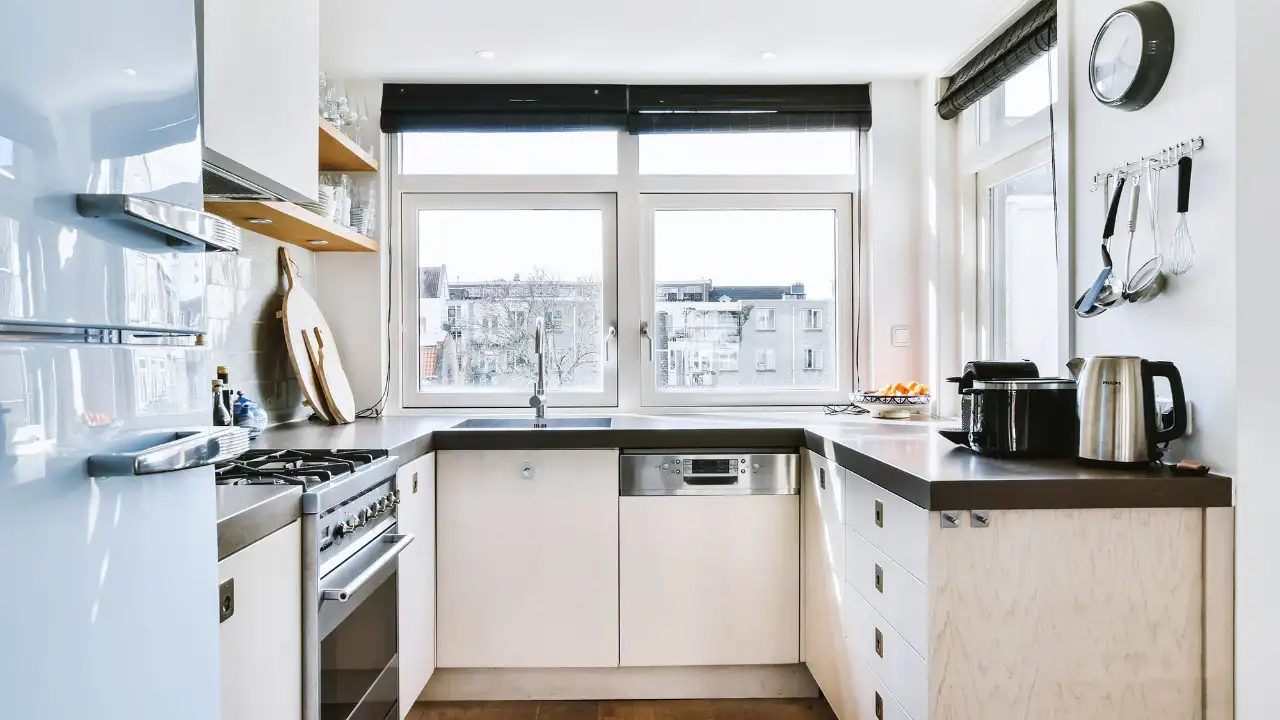
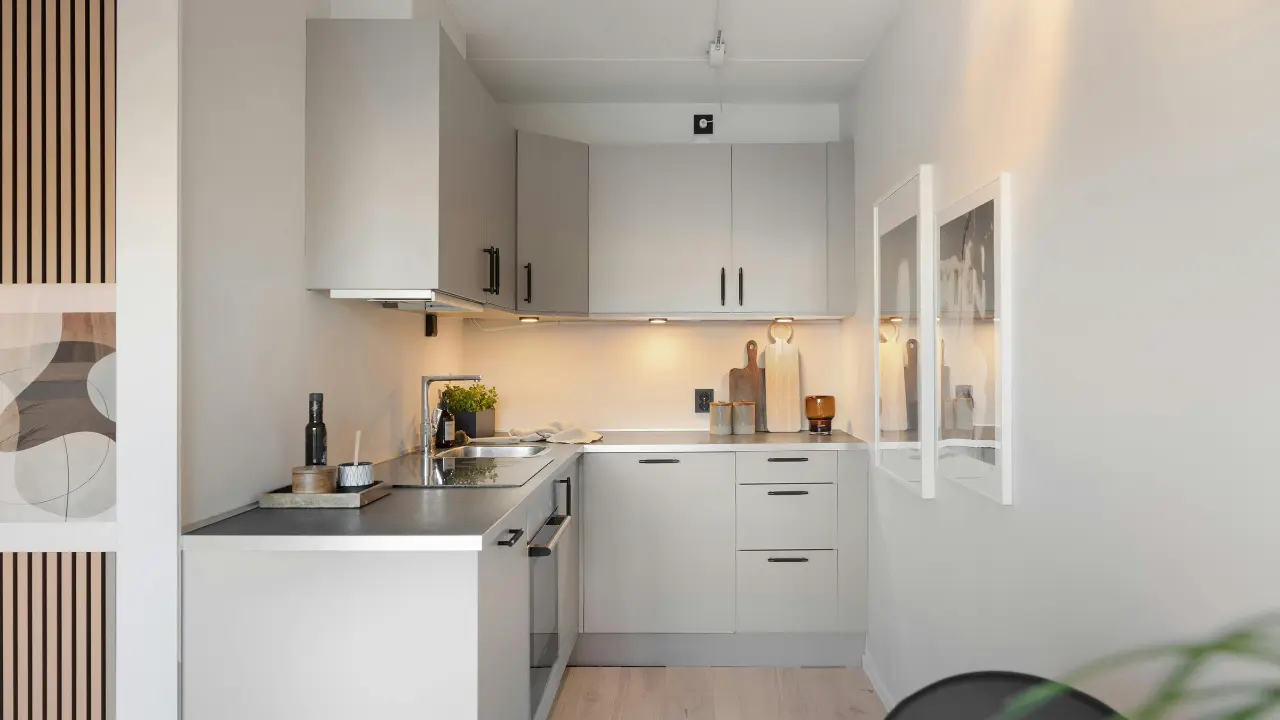
A cottage kitchen should feel warm, welcoming, practical, and personal. Rather than looking overly polished or perfectly coordinated, it often combines natural materials, soft colors, traditional details, useful storage, and a few collected pieces that give the room character.
The beauty of cottage style is its flexibility. You can create an English-inspired kitchen with cream cabinets and natural stone, a modern cottage kitchen with simple cabinetry and contemporary appliances, or a small cottage-inspired space using only a few thoughtful updates.
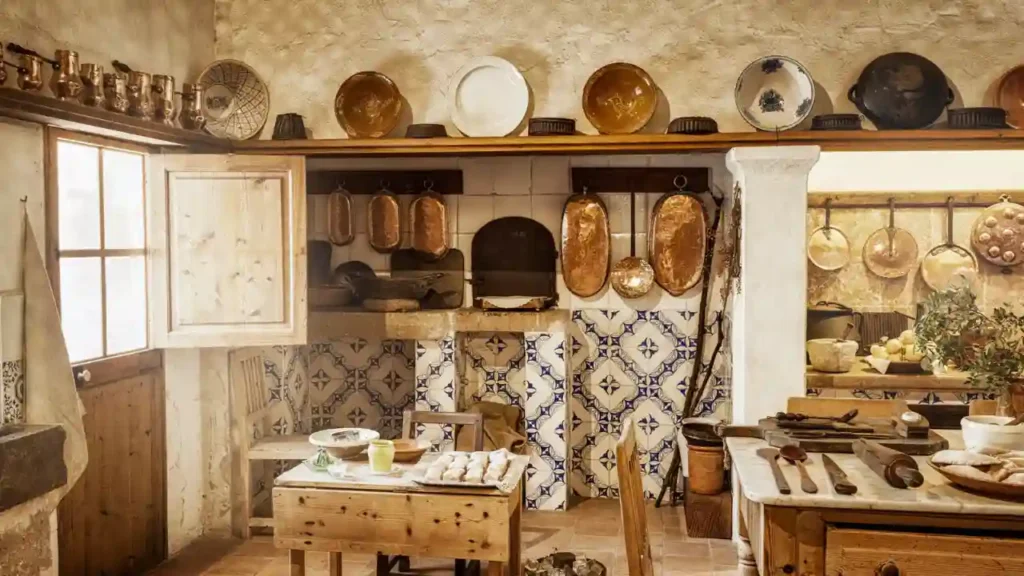
The best cottage kitchen ideas balance charm with everyday functionality. From cabinet colors and countertops to lighting, storage, islands, and decor, the goal is to create a kitchen that feels comfortable today while remaining adaptable over time.
What Is a Cottage Kitchen?
A cottage kitchen is generally defined by a relaxed combination of warmth, practicality, natural materials, and traditional character. Instead of relying on one particular color or furniture style, cottage design creates atmosphere through layers of texture, comfortable proportions, and personal details.
A cottage kitchen may include painted cabinets, natural wood, ceramic tile, traditional hardware, open shelving, woven baskets, vintage-inspired lighting, and practical modern appliances.
The style can be adapted to both older homes and contemporary spaces.
Warm and Comfortable Atmosphere
Warmth is one of the defining qualities of cottage design.
Soft lighting, natural wood, textiles, ceramics, and warm neutral colors can make the kitchen feel inviting without requiring excessive decoration.
Natural and Traditional Materials
Materials such as wood, stone, ceramic, brass, iron, and linen work naturally in cottage interiors.
The goal is not to use every material at once. A small selection of complementary materials usually creates a more cohesive result.
Soft, Relaxed Color Palettes
Cottage kitchens often use colors that feel gentle and approachable.
Popular choices include:
- Warm white
- Cream
- Sage green
- Pale green
- Dusty blue
- Taupe
- Muted navy
- Soft yellow
- Natural wood tones
Practical Cabinetry and Storage
Cottage style should not come at the expense of functionality.
Deep drawers, pantry cabinets, pull-out storage, appliance garages, and organized cabinets can keep the kitchen practical while allowing the visible areas to remain uncluttered.
Vintage and Handcrafted Details
Traditional hardware, handmade-looking tile, ceramic dishes, wood furniture, and vintage-inspired lighting can add character.
You do not need to make everything look antique. A few carefully selected details are often enough.
Personal, Collected Decor
A cottage kitchen can feel more authentic when it reflects the people who use it.
Cookbooks, ceramics, artwork, plants, wooden cutting boards, baskets, and textiles can add personality without turning the kitchen into a display room.
Cottage Kitchen Characteristics
| Characteristic | Typical Examples |
|---|---|
| Cabinetry | Shaker, painted, natural wood |
| Colors | Cream, sage, blue, warm white |
| Materials | Wood, stone, ceramic |
| Hardware | Brass, bronze, nickel |
| Decor | Ceramics, baskets, plants |
| Lighting | Pendants, sconces, lanterns |
Cottage Kitchen Styles to Consider
Cottage design can take several different directions. Choosing one primary style helps create a kitchen that feels intentional.
English Cottage Kitchen
English-inspired cottage kitchens often combine painted cabinetry, natural stone, wood, traditional hardware, ceramic accessories, and a relaxed collected appearance.
Cream, muted green, natural wood, and warm metallic finishes are particularly useful for this look.
Country Cottage Kitchen
Country cottage kitchens tend to emphasize practical materials and casual comfort.
Think Shaker cabinets, wood surfaces, traditional lighting, baskets, simple textiles, and furniture with a relaxed appearance.
Modern Cottage Kitchen
A modern cottage kitchen combines cottage warmth with contemporary functionality.
It might feature:
- Simple Shaker cabinets
- Quartz countertops
- Modern appliances
- Natural wood
- Minimal hardware
- Integrated storage
- Contemporary lighting
Rustic Cottage Kitchen
Rustic cottage kitchens place greater emphasis on texture.
Reclaimed wood, natural stone, aged metal, exposed beams, handmade ceramics, and earthy colors can contribute to the look.
Scandinavian Cottage Kitchen
Scandinavian-inspired cottage kitchens combine light colors and simple forms with natural materials.
Soft white, pale wood, muted green, simple ceramics, and restrained accessories can create a clean but welcoming atmosphere.
Cottagecore-Inspired Kitchen
Cottagecore can influence a kitchen through nostalgic details, floral textiles, plants, ceramics, natural materials, and vintage-inspired accessories.
However, cottagecore is an aesthetic influence rather than a requirement for authentic cottage kitchen design. A practical cottage kitchen can incorporate modern appliances and contemporary storage while still feeling charming.
Cottage Kitchen Cabinet Ideas
Cabinetry establishes much of the room’s visual foundation.
Warm White Cottage Cabinets
Warm white cabinets create a bright but softer appearance than stark, cool white.
Pair them with:
- Natural oak
- Brass
- Cream tile
- Warm stone
- Wood flooring
- Soft lighting
This combination can work in both traditional and modern cottage kitchens.
Cream Cottage Cabinets
Cream cabinetry adds warmth and can make a kitchen feel established rather than newly installed.
Cream works especially well with sage green, natural wood, aged brass, and stone surfaces.
Sage Green Cabinets
Sage green is a natural choice for cottage interiors because it introduces color without overwhelming the room.
Try sage cabinets with:
- Cream walls
- Oak shelving
- Brass hardware
- Natural stone
- Ceramic accessories
Soft Blue Cabinets
Dusty blue, blue-gray, and pale blue can create a calm cottage atmosphere.
For a more traditional appearance, combine blue lower cabinets with cream or white upper cabinetry.
Natural Wood Cabinets
Natural wood adds texture and warmth.
Oak, pine, maple, and walnut can each produce a different effect. Lighter woods generally feel airy and casual, while darker woods create more visual richness.
Two-Tone Cottage Cabinets
Two-tone cabinetry allows you to introduce contrast without using many colors.
| Upper Cabinets | Lower Cabinets | Overall Feel |
|---|---|---|
| Warm white | Sage green | Soft and organic |
| Cream | Natural oak | Warm and timeless |
| White | Dusty blue | Fresh and classic |
| Cream | Walnut | Rich and traditional |
| Soft white | Muted navy | Elegant and dramatic |
Shaker Cabinet Doors
Shaker cabinetry works particularly well because its simple profile can feel traditional without appearing overly decorative.
It can easily be paired with modern appliances and contemporary storage.
Beadboard Cabinet Details
Beadboard can introduce additional texture, particularly on an island, pantry, or selected cabinet sections.
Use it selectively if the rest of the kitchen already contains substantial visual texture.
Open and Closed Cabinet Combinations
Combining closed cabinetry with a few open shelves allows you to display attractive dishes while keeping less decorative items hidden.
This provides cottage character without requiring every kitchen item to be visible.
Cottage Kitchen Color Ideas
A cohesive cottage kitchen does not need to use one color everywhere. Instead, choose a main color, a supporting color, and one or two material finishes.
| Main Color | Pair With | Overall Feel |
|---|---|---|
| Warm white | Oak + brass | Light and timeless |
| Cream | Sage + wood | Soft and organic |
| Dusty blue | Cream + nickel | Calm and classic |
| Pale green | Oak + brass | Natural and welcoming |
| Taupe | Walnut + bronze | Warm and sophisticated |
| Soft yellow | White + wood | Cheerful |
| Muted navy | Cream + brass | Rich and elegant |
| Terracotta | Cream + oak | Earthy |
For a small kitchen, keeping the palette relatively controlled can help prevent the room from feeling visually busy.
Cottage Kitchen Sink Ideas
The sink can become both a functional work area and an important visual detail.
Apron-Front Sink
An apron-front sink creates a strong traditional reference and pairs naturally with Shaker cabinets and warm materials.
It can work particularly well when the sink area is intended to be a focal point.
Ceramic or Fireclay Sink
Ceramic and fireclay-style sinks can reinforce a traditional cottage aesthetic.
Their simple appearance works well with cream cabinetry, natural stone, and traditional faucets.
Traditional Deep Sink
A deep sink can provide useful capacity for larger cookware while supporting a classic cottage appearance.
Before choosing one, consider cabinet compatibility, installation requirements, and the amount of counter space around the sink.
Stainless Steel Sink for a Modern Cottage Kitchen
Stainless steel can work perfectly well in a cottage kitchen.
When combined with natural wood, painted cabinets, warm lighting, and traditional details, it provides a practical modern element without making the entire room feel contemporary.
How to Coordinate the Sink With Cabinets and Countertops
Consider the relationship between:
- Sink color
- Cabinet color
- Countertop material
- Faucet finish
- Backsplash
- Available counter space
A sink should look integrated into the kitchen rather than functioning as an isolated feature.
Cottage Kitchen Countertop Ideas
Countertops should support both the desired aesthetic and your everyday routine.
Marble Countertops
Marble can provide a classic natural appearance with distinctive variation.
It is especially appropriate if you appreciate the character of natural stone and are comfortable following the required care recommendations.
Quartz Countertops
Quartz provides a more consistent appearance and is available in many stone-inspired designs.
It can be useful when you want the visual softness of stone with a contemporary material option.
Soapstone Countertops
Soapstone has a deep, understated appearance that pairs particularly well with white, cream, green, and natural wood cabinetry.
Its evolving appearance can also complement the collected character of cottage design.
Butcher Block Countertops
Butcher block introduces immediate warmth.
It can be especially effective on an island or smaller work area, creating contrast with painted cabinetry.
Granite Countertops
Granite offers natural variation and is available in many different colors and patterns.
For a cottage kitchen, quieter patterns can work well when the room already contains plenty of texture.
Natural Stone Options
Other natural stone materials may also work depending on availability, maintenance requirements, budget, and the overall design.
Always consider the care requirements of the specific stone rather than assuming all natural stone behaves the same way.
Cottage Countertop Comparison
| Countertop | Appearance | Maintenance Consideration | Cottage Compatibility |
|---|---|---|---|
| Marble | Classic | Higher care | Excellent |
| Quartz | Consistent | Generally easy | Excellent |
| Soapstone | Deep and natural | Character develops | Excellent |
| Butcher block | Warm | Regular care | Excellent |
| Granite | Natural variation | Depends on stone | Very good |
There is no universal “best” countertop. The right choice depends on how you cook, clean, entertain, and maintain your kitchen.
Cottage Kitchen Backsplash Ideas
A backsplash is an opportunity to add texture and character without changing the entire room.
Classic Subway Tile
Subway tile is simple enough to work with many cottage styles.
Warm white or cream tile can create a softer appearance than a highly contrasting white-and-dark combination.
Handmade-Look Tile
Slight variations in color and surface can create an artisanal appearance.
This works particularly well when the cabinetry is relatively simple.
Zellige-Style Tile
Zellige-style tile can introduce subtle surface variation and an imperfect handcrafted appearance.
Because it already provides texture, it is often best paired with relatively restrained cabinetry and countertops.
Patterned and Floral Tile
Patterned tile can introduce more decorative character.
Botanical or traditional motifs can work well, but use them carefully if you want the kitchen to remain visually calm.
Beadboard Backsplash
Beadboard adds vertical texture and can work particularly well in traditional cottage kitchens.
Natural Stone Backsplash
Natural stone can reinforce an organic cottage atmosphere.
Consider coordinating its color with the countertop rather than introducing several unrelated materials.
Brick Backsplash
Brick can create rustic character, particularly when combined with wood and aged metal.
Full-Height Cottage Backsplash
A full-height backsplash can create a strong visual backdrop behind a range or sink.
Keep the surrounding cabinetry and accessories relatively restrained when the backsplash is visually prominent.
Cottage Kitchen Island Ideas
An island should improve the way you use the kitchen rather than simply fill available floor space.
Furniture-Style Kitchen Island
A furniture-style island can make the kitchen feel collected and traditional.
Details such as legs, open shelves, painted finishes, and furniture-like proportions can help.
Painted Cottage Island
A contrasting island color can create a focal point.
For example, cream cabinetry paired with a muted green island creates gentle contrast without introducing a dramatic color.
Natural Wood Island
A wood island can add warmth to a predominantly painted kitchen.
Oak, walnut, or another suitable wood can work depending on the surrounding finishes.
Small Cottage Kitchen Island
A small island should leave enough space for comfortable movement.
If a full island makes the room difficult to navigate, consider a narrower worktable or peninsula instead.
Freestanding Worktable
A freestanding worktable can provide preparation space while maintaining the informal character of a cottage kitchen.
It may also be easier to reposition or replace later than a permanently built-in island.
Cottage Kitchen Peninsula
A peninsula can provide additional worktop and seating without requiring the floor area of a separate island.
It can be particularly useful in compact kitchens.
Island With Seating
If you use the island for casual meals, allow sufficient knee space and comfortable clearance around seating areas.
Cottage Kitchen Lighting Ideas
A cottage kitchen benefits from several layers of lighting rather than one central fixture.
Pendant Lights
Pendant lighting works well over islands, peninsulas, and dining areas.
Glass shades, simple metal fixtures, and traditional silhouettes can all complement cottage cabinetry.
Lantern-Style Lighting
Lantern-style fixtures can reinforce English and traditional cottage character.
Wall Sconces
Sconces can add both decorative interest and useful light around sinks, shelves, artwork, or coffee stations.
Under-Cabinet Lighting
Under-cabinet lighting helps illuminate work surfaces and can create a comfortable evening atmosphere.
Dining Area Lighting
A pendant or decorative fixture above a breakfast table can visually define the dining zone.
Layered Cottage Kitchen Lighting
A useful lighting plan combines:
- Ambient lighting for overall illumination
- Task lighting for preparation and cooking
- Accent lighting for shelves and architectural features
- Decorative lighting for visual character
Good lighting makes the kitchen more useful as well as more inviting.
Cottage Kitchen Hardware Ideas
Hardware can change the character of cabinetry without requiring a complete renovation.
Consider:
- Aged brass
- Antique brass
- Bronze
- Brushed nickel
- Ceramic knobs
- Cup pulls
- Bin pulls
- Traditional latches
You do not need every metal finish to match perfectly. However, the finishes should have a clear relationship so the kitchen feels intentional.
For example, aged brass cabinet hardware can coordinate with brass lighting while a separate brushed-nickel faucet provides a controlled contrast.
Cottage Kitchen Faucet Ideas
The faucet should combine the visual character you want with the functionality you need.
Bridge Faucets
Bridge-style faucets are particularly suited to traditional and English cottage kitchens.
Traditional Pull-Down Faucets
A pull-down faucet with a softer or traditional silhouette can provide modern convenience while supporting cottage styling.
Brass Faucets
Brass introduces warmth and works particularly well with cream, sage, and natural wood.
Brushed Nickel Faucets
Brushed nickel provides a softer metallic appearance and works well when you prefer a less warm metal.
Matte Black Faucets
Matte black can create stronger contrast and can work especially well in modern cottage kitchens.
How to Match the Faucet With Kitchen Hardware
The faucet does not necessarily need to be an exact match for every other metal.
Instead, consider:
- Overall warmth
- Contrast
- Lighting finish
- Cabinet hardware
- Appliance finish
- Backsplash color
Open Shelving and Plate Rack Ideas
Open shelving can give a cottage kitchen a relaxed, lived-in appearance.
Use shelves to display:
- Everyday dishes
- Mugs
- Bowls
- Cookbooks
- Ceramics
- Small plants
- Baskets
- Glassware
Traditional plate racks can create an especially strong cottage reference.
The practical tradeoff is that open shelves expose everything to view. They require more organization and can require more frequent cleaning than closed cabinets.
A good compromise is to use one or two open shelving areas while keeping most storage enclosed.
Cottage Kitchen Range Hood Ideas
A range hood can become an important architectural element.
Painted Wood Range Hood
A painted hood can visually connect the cooking area with the cabinetry.
Plaster-Style Hood
A plaster-style form can create a softer architectural appearance in a traditional or modern cottage kitchen.
Simple Traditional Hood
A straightforward hood with restrained trim can provide character without dominating the room.
Metal Range Hood
Metal can introduce contrast and work particularly well in rustic or modern cottage kitchens.
Integrated Cabinet Hood
A concealed hood can preserve a clean appearance when you prefer the cabinetry to remain the main visual feature.
The hood should relate to the proportions and architecture of the kitchen rather than appearing as an unrelated statement.
Modern Cottage Kitchen Ideas
A modern cottage kitchen combines traditional warmth with contemporary convenience.
Consider:
- Simple Shaker cabinetry
- Modern appliances
- Quartz countertops
- Natural wood accents
- Minimal hardware
- Integrated storage
- Contemporary lighting
- Restrained decoration
The key is balance.
A completely traditional kitchen can feel too formal for some homes, while an entirely contemporary room may lack the character associated with cottage design.
Combining a few traditional elements with modern functionality creates a more flexible result.
English Cottage Kitchen Ideas
An English cottage kitchen often feels collected rather than coordinated.
Consider combining:
- Cream cabinets
- Muted green
- Natural stone
- Wood
- Traditional hardware
- Ceramic sinks
- Open shelving
- Botanical artwork
- Vintage-inspired lighting
The important element is not making every object look old.
Modern appliances can sit comfortably alongside traditional materials. The overall result should feel like a working kitchen that has developed character over time.
Rustic Cottage Kitchen Ideas
Rustic cottage kitchens emphasize texture and natural variation.
Try:
- Reclaimed wood accents
- Natural stone
- Exposed beams
- Aged metal
- Wood shelving
- Handmade ceramics
- Earthy colors
- Woven accessories
Avoid using too many distressed finishes at once. When every surface appears heavily aged, the kitchen can begin to feel themed rather than naturally rustic.
Cozy Cottage Kitchen Ideas
Coziness comes from layering rather than simply adding more decoration.
Try:
- Warm lighting
- Wooden accessories
- Ceramic dishes
- Fresh flowers
- Linen curtains
- Woven baskets
- Washable runners
- Artwork
- Comfortable seating
- A small breakfast area
Leave some surfaces open so the room can breathe.
A few meaningful objects usually have more visual impact than a countertop covered from edge to edge.
Small Cottage Kitchen Ideas
Small kitchens can work beautifully with cottage styling because the look naturally supports practical furniture and warm materials.
Use Light and Warm Colors
Cream, warm white, pale green, and muted blue can help create an airy appearance.
Maximize Vertical Storage
Use wall height for:
- Tall cabinets
- Open shelves
- Plate racks
- Hanging rails
- Narrow pantry cabinets
Choose Compact Furniture
A small freestanding table or narrow worktable may be more useful than an oversized island.
Use a Peninsula Instead of an Island
A peninsula can provide workspace and seating while using less floor area.
Combine Open and Closed Storage
Use open shelves for attractive everyday pieces and closed cabinets for appliances, packaging, and other items you prefer to keep out of sight.
Keep the Material Palette Controlled
Too many colors and textures can make a small kitchen feel crowded.
Choose a few materials and repeat them throughout the room.
Use Multifunctional Furniture
A movable cart, compact worktable, or bench with storage can provide more than one function.
Cottage Kitchen Ideas for Apartments and Rentals
You can introduce cottage character without replacing cabinets or changing the layout.
Consider:
- Reversible cabinet hardware
- Freestanding furniture
- Washable runners
- Woven baskets
- Ceramic dishes
- Artwork
- Plants
- Portable lighting
- Removable decorative elements
In a rental, focus on changes that can be reversed when you move.
Freestanding wood furniture can be particularly useful because it adds warmth without requiring permanent construction.
Cottage Pantry Ideas
A well-designed pantry can combine cottage character with practical organization.
Walk-In Cottage Pantry
Use wood shelving, baskets, labeled containers, and a simple lighting scheme.
Tall Pantry Cabinet
A tall cabinet can provide substantial storage in kitchens where a walk-in pantry is not possible.
Freestanding Pantry Cupboard
A freestanding cupboard can add furniture-like character and additional storage.
Open Pantry Shelving
Open shelving can make everyday ingredients easy to access, although it requires more visual organization.
Hidden Pantry
A concealed pantry can preserve the clean appearance of the kitchen while providing substantial storage behind a door or integrated cabinet wall.
Cottage Pantry Organization
Organize the pantry according to how you use it.
Keep frequently used ingredients accessible and less frequently used appliances farther away.
Cottage Kitchen Dining Area Ideas
A dining area can make a cottage kitchen feel especially welcoming.
Breakfast Nook
A breakfast nook can turn an unused corner into a comfortable everyday dining area.
Banquette Seating
Banquette seating can make efficient use of a wall and provide hidden storage in some designs.
Round Dining Table
A round table can work particularly well in compact spaces because it avoids sharp corners and can make movement around the table easier.
Traditional Cottage Dining Table
A simple wood table can provide warmth and visual continuity with the kitchen.
Dining Chairs and Textiles
Mixing wood, painted furniture, linen, and woven materials can make the dining area feel connected to the kitchen without requiring a matching furniture set.
Natural Materials for Cottage Kitchens
Natural materials help establish warmth and texture.
| Material | Common Use | Design Effect |
|---|---|---|
| Oak | Cabinets, shelves | Warm |
| Pine | Furniture | Casual |
| Walnut | Island, furniture | Rich |
| Natural stone | Countertops | Organic |
| Ceramic | Tile, sink, decor | Traditional |
| Brass | Hardware, lighting | Warm |
| Iron | Lighting, brackets | Rustic |
| Linen | Curtains, textiles | Soft |
| Rattan | Baskets, seating | Natural |
| Glass | Lighting, cabinets | Light |
You do not need to use all of these materials. Choose a few that complement each other and repeat them throughout the space.
Cottage Kitchen Decor Ideas
Decor can make the kitchen feel personal, but it should support rather than interfere with everyday use.
Consider displaying:
- Ceramic dishes
- Wooden cutting boards
- Cookbooks
- Baskets
- Plants
- Fresh flowers
- Botanical prints
- Vintage-inspired artwork
- Linen towels
- Ceramic pitchers
- Woven accessories
A wooden cutting board can be both decorative and functional. A ceramic pitcher can hold flowers. Baskets can hide everyday items while contributing texture.
This approach keeps decoration connected to the way the kitchen is actually used.
Cottage Kitchen Storage Ideas
Good storage allows the visible parts of a cottage kitchen to remain calm and uncluttered.
Deep Drawers
Deep drawers can make cookware and dishes easier to access than low cabinets.
Pull-Out Pantry Shelves
Pull-outs can improve access to narrow or deep storage areas.
Corner Storage
Use corner cabinets carefully to avoid creating difficult-to-reach dead zones.
Tall Cabinets
Tall cabinetry can take advantage of vertical space.
Appliance Garages
A dedicated appliance area can keep frequently used appliances accessible while reducing countertop clutter.
Hidden Trash Storage
Integrated waste storage keeps bins out of the main visual field.
Under-Island Drawers
An island can provide valuable storage in addition to work surface and seating.
Vertical Tray Storage
Vertical dividers can make baking trays, cutting boards, and serving pieces easier to organize.
Plate Racks
Plate racks can add cottage character while providing practical dish storage.
Drawer Organizers
Simple dividers can make frequently used utensils easier to locate.
Pantry Cabinets
A well-organized pantry cabinet can provide substantial food storage without requiring a separate pantry room.
Cottage Kitchen Architectural Details
Architectural details can strengthen the relationship between the kitchen and the home.
Consider:
- Exposed beams
- Beadboard
- Wall paneling
- Arched openings
- Traditional trim
- Wood ceilings
- Exposed brick
- Window seats
- Built-in niches
- Ceiling-height cabinetry
The best approach is to work with existing architectural characteristics when possible.
Adding every traditional feature at once can make a newer kitchen feel artificially styled.
Cottage Kitchen Ideas on a Budget
A cottage-inspired kitchen does not require a complete renovation.
Low-Cost Cottage Updates
Start with:
- Cabinet hardware
- Textiles
- Artwork
- Ceramics
- Baskets
- Plants
- Wooden accessories
These changes can alter the atmosphere without replacing major components.
Mid-Range Updates
Consider:
- Painting cabinets
- Replacing a faucet
- Updating lighting
- Installing a backsplash
- Adding open shelving
- Introducing a freestanding island
Larger Kitchen Investments
For a larger renovation, consider:
- New cabinets
- Countertops
- Sink
- Flooring
- Range hood
- Layout changes
- Custom storage
Where to Spend vs. Where to Save
Spend more carefully on components that are difficult or expensive to replace, particularly cabinetry, plumbing fixtures, countertops, and major lighting.
Save on accessories and decorative pieces that can easily be changed as your style evolves.
Cottage Kitchen Layout Ideas
The right layout depends on the size and structure of your kitchen.
| Layout | Best For | Potential Cottage Feature |
|---|---|---|
| One-wall | Small spaces | Open shelving |
| Galley | Narrow kitchens | Efficient storage |
| L-shaped | Flexible spaces | Compact island |
| U-shaped | Storage-focused kitchens | Traditional cabinetry |
| Open-plan | Larger homes | Furniture-style island |
| Peninsula | Limited floor space | Seating |
A beautiful island is not useful if it makes the kitchen difficult to navigate.
Prioritize comfortable movement, practical work zones, storage, and access to appliances.
Cottage Kitchen Color Combinations
If you want a simple starting point, consider these combinations:
Cream + Natural Oak
A warm and timeless pairing that works well with brass and natural stone.
Sage + Cream
A soft combination that feels organic and relaxed.
Dusty Blue + White
A calm option for traditional or modern cottage interiors.
White + Walnut
A stronger contrast that creates visual richness.
Taupe + Oak
A subtle neutral combination for a sophisticated cottage kitchen.
Muted Navy + Cream
A deeper palette that can create an elegant focal point.
Pale Green + Brass
A natural combination that works especially well with warm lighting.
Warm White + Natural Stone
A restrained palette that allows the variation of stone to provide visual interest.
Cottage Kitchen Styles Compared
| Style | Main Characteristics | Best For |
|---|---|---|
| English Cottage | Traditional, collected | Classic homes |
| Modern Cottage | Clean + warm | Contemporary homes |
| Rustic Cottage | Textured + earthy | Rural-inspired spaces |
| Country Cottage | Casual + traditional | Relaxed homes |
| Scandinavian Cottage | Light + simple | Minimal interiors |
| Cottagecore-Inspired | Nostalgic + botanical | Decorative styling |
You can borrow details from multiple styles, but choosing one primary direction generally makes the final design easier to coordinate.
How to Make a Modern Kitchen Feel More Cottage-Like
You do not necessarily need to replace the kitchen.
Start with these changes:
- Add natural wood. Use cutting boards, shelves, stools, or a freestanding piece of furniture.
- Introduce warm lighting. Replace overly cool decorative lighting with warmer fixtures where appropriate.
- Replace overly modern hardware. Traditional pulls or knobs can soften the cabinetry.
- Add ceramic accessories. Display a few useful dishes, pitchers, or bowls.
- Introduce textiles. A runner, linen towel, or curtain can add softness.
- Add plants or flowers. Natural greenery can make the room feel more relaxed.
- Use traditional artwork. Botanical or landscape-inspired artwork can add character.
- Add selective open shelving. Display useful and attractive items rather than everything you own.
- Introduce warmer colors. Cream, sage, pale green, and muted blue can soften a contemporary kitchen.
- Reduce overly coordinated styling. Allow natural variation between materials and accessories.
How to Make a Cottage Kitchen Feel Authentic
Authenticity comes from restraint.
Use Natural Materials
Wood, stone, ceramic, linen, and metal can provide character without relying on decorative imitation.
Avoid Excessive Artificial Distressing
Not every cabinet or furniture piece needs to look aged.
Mix Old-Inspired and Modern Elements
Modern appliances and efficient storage can coexist with traditional materials.
Keep Decoration Useful Where Possible
Display things you actually use when practical.
Work With the Home’s Architecture
Existing beams, windows, trim, flooring, and proportions should influence the design.
Choose Practical Furniture
A kitchen table, worktable, bench, or freestanding cupboard can add character while providing real utility.
Use a Restrained Color Palette
A small group of complementary colors usually feels more natural than a collection of unrelated shades.
Let Material Variation Add Character
Natural stone, wood grain, handmade-looking tile, and ceramics can provide subtle irregularity without requiring artificial distressing.
Common Cottage Kitchen Design Mistakes
Too Much Clutter
Cottage kitchens can contain decorative objects, but every surface does not need to be filled.
Too Many Vintage Pieces
A few vintage-inspired details can create character. Too many can make the kitchen feel like a themed room.
Excessive Distressed Finishes
Heavily distressed cabinets and furniture can overwhelm the softer qualities of cottage design.
Too Many Wood Tones
Several unrelated wood finishes can make the kitchen feel disconnected.
Choosing Style Over Function
A beautiful kitchen still needs useful storage, sufficient work surface, comfortable circulation, and practical lighting.
Too Much Open Shelving
Open shelving looks attractive but requires more visual organization than closed cabinetry.
Poor Task Lighting
Decorative fixtures cannot replace adequate lighting over work surfaces.
Ignoring Storage
Hiding everything behind a cottage aesthetic does not solve the need for practical storage.
Overusing Floral Patterns
Floral details can support cottage style, but too many patterns may make the room feel overly themed.
Copying Cottagecore Too Literally
Cottage design can be inspired by nostalgia without reproducing every cottagecore trend.
Ignoring the Existing Architecture
A design should respond to the proportions and character of the home.
Choosing High-Maintenance Materials Without Considering Lifestyle
A material can look beautiful while still being inconvenient for your cooking and cleaning habits.
How to Plan a Cottage Kitchen Step by Step
Step 1: Evaluate the Existing Space
Consider:
- Room dimensions
- Windows
- Doors
- Natural light
- Ceiling height
- Existing architectural details
- Appliance locations
- Storage limitations
Step 2: Choose Your Cottage Style
Decide whether your direction is English, modern, rustic, country, Scandinavian, or another interpretation.
Step 3: Select Cabinet Colors and Profiles
Choose painted, natural wood, or two-tone cabinetry.
Step 4: Build a Material Palette
Select the main:
- Wood
- Countertop
- Backsplash
- Metal finish
- Flooring
Step 5: Plan Storage and Workflow
Think about where food, cookware, dishes, appliances, cleaning supplies, and waste will go.
Step 6: Choose Countertops and Backsplash
Consider appearance, durability, maintenance, and budget together.
Step 7: Plan Lighting
Create layers of ambient, task, accent, and decorative lighting.
Step 8: Select Appliances
Choose appliances according to how you actually cook and use the kitchen.
Step 9: Add Hardware and Decorative Details
Introduce hardware, ceramics, textiles, artwork, plants, and other personal elements.
Step 10: Review the Complete Design
Look at the whole room before finalizing individual pieces.
Check whether the colors, materials, proportions, storage, lighting, and circulation work together.
Cottage Kitchen Ideas Without Remodeling
You can introduce cottage character without changing the layout.
Try:
- Changing cabinet hardware
- Adding warm lighting
- Introducing wooden cutting boards
- Displaying ceramics
- Using woven baskets
- Adding a washable runner
- Hanging botanical artwork
- Adding plants
- Introducing linen textiles
- Adding natural wood furniture
- Replacing decorative accessories
These changes are particularly useful if you are renting or simply want to test the style before making a larger investment.
How to Create a Timeless Cottage Kitchen
A timeless kitchen depends more on useful materials and balanced proportions than on short-lived decorative trends.
Focus on:
- Simple cabinetry
- Natural materials
- Warm neutrals
- Classic lighting
- Functional storage
- Quality hardware
- Durable surfaces
- Flexible furniture
- Personal accessories
Accessories can change as your preferences change, while the main kitchen remains useful.
This makes it easier to refresh the room without starting another major renovation.
Cottage Kitchen Ideas by Goal
| Goal | Design Direction |
|---|---|
| Cozy kitchen | Warm lighting + wood + textiles |
| Modern cottage | Simple cabinets + clean surfaces |
| English cottage | Cream + green + stone |
| Small kitchen | Light colors + vertical storage |
| Budget makeover | Hardware + lighting + accessories |
| Family kitchen | Durable materials + deep storage |
| Entertaining | Island + seating + layered lighting |
| Rental kitchen | Reversible decor + freestanding pieces |
| Elegant cottage | Natural stone + refined hardware |
Frequently Asked Questions About Cottage Kitchen Ideas
What makes a kitchen cottage style?
A cottage kitchen typically combines warm colors, natural materials, practical cabinetry, traditional or handcrafted-looking details, comfortable lighting, and personal decorative elements.
The overall atmosphere is usually relaxed rather than highly formal or perfectly coordinated.
What is the difference between a cottage kitchen and a farmhouse kitchen?
The styles overlap, but they often emphasize different qualities.
Farmhouse kitchens commonly emphasize rustic practicality, substantial work surfaces, natural materials, and farmhouse-inspired architectural details.
Cottage kitchens tend to emphasize coziness, softer colors, collected details, natural materials, and a more informal residential character.
There is no strict boundary between the two styles, so combining elements can work when the overall palette remains cohesive.
What colors work best in a cottage kitchen?
Popular options include:
- Warm white
- Cream
- Sage green
- Pale green
- Dusty blue
- Taupe
- Muted navy
- Soft yellow
- Natural wood tones
The best choice depends on the amount of natural light, room size, existing finishes, and your preferred atmosphere.
Do cottage kitchens need white cabinets?
No.
White and cream cabinets are popular, but sage green, dusty blue, natural wood, taupe, and two-tone cabinetry can all work successfully.
Do I need a farmhouse sink for a cottage kitchen?
No.
An apron-front sink can reinforce a traditional cottage aesthetic, but stainless steel, ceramic, undermount, and other sink styles can also work.
Choose a sink based on appearance, size, installation requirements, maintenance, and how you use the kitchen.
What countertop works best in a cottage kitchen?
There is no single best countertop.
Marble, quartz, soapstone, butcher block, and granite can all complement cottage design.
Your choice should depend on appearance, maintenance, budget, durability, and your everyday cooking habits.
How can I make a modern kitchen look cottage-like?
Introduce warmth through:
- Natural wood
- Traditional hardware
- Ceramic accessories
- Warm lighting
- Textiles
- Plants
- Artwork
- A few vintage-inspired details
You can often change the atmosphere significantly without replacing the entire kitchen.
Can a small kitchen have cottage style?
Yes.
Small kitchens can work particularly well with cottage design.
Use light colors, vertical storage, compact furniture, selective open shelving, and a controlled material palette to create warmth without making the room feel crowded.
What backsplash works best with cottage cabinets?
Subway tile, handmade-look tile, zellige-style tile, beadboard, natural stone, patterned tile, and brick can all work.
The right option depends on how much texture is already present in your cabinets, countertops, flooring, and decor.
What hardware works with cottage kitchen cabinets?
Aged brass, antique brass, bronze, brushed nickel, ceramic knobs, cup pulls, bin pulls, and traditional latches are all suitable options.
Choose hardware that complements the cabinet color and other finishes in the room.
Can a cottage kitchen look luxurious?
Yes.
Natural stone, carefully selected hardware, quality cabinetry, beautiful wood, refined lighting, and restrained styling can create an elegant cottage kitchen.
Luxury does not require excessive decoration.
How can I create cottage style on a budget?
Start with smaller changes such as:
- Cabinet hardware
- Lighting
- Textiles
- Artwork
- Ceramics
- Baskets
- Plants
- Wooden accessories
If you later renovate, prioritize investments that improve daily function and durability.
Is cottagecore the same as cottage style?
No.
Cottagecore is an aesthetic influenced by idealized rural living, nostalgia, nature, crafts, and traditional domestic imagery.
Cottage kitchen design is broader and can incorporate modern appliances, contemporary storage, and practical materials while still maintaining a warm and relaxed character.
Final Thoughts
The best cottage kitchen ideas balance charm, comfort, practicality, and personality.
You do not need an old house, antique furniture, distressed cabinetry, or a collection of vintage objects to create the look. Start with a warm color palette, simple cabinetry, natural materials, practical storage, comfortable lighting, and a few personal details.
Cream cabinets, sage green, natural wood, ceramic sinks, traditional hardware, handmade-look tile, open shelving, woven textures, and warm lighting can all contribute to the atmosphere.
Most importantly, avoid treating cottage style as a checklist. The most successful cottage kitchens feel like real spaces designed for real life.
Choose materials that suit your lifestyle, storage that supports your routines, and decorative details that genuinely feel like you. Then allow the kitchen to develop character naturally over time.