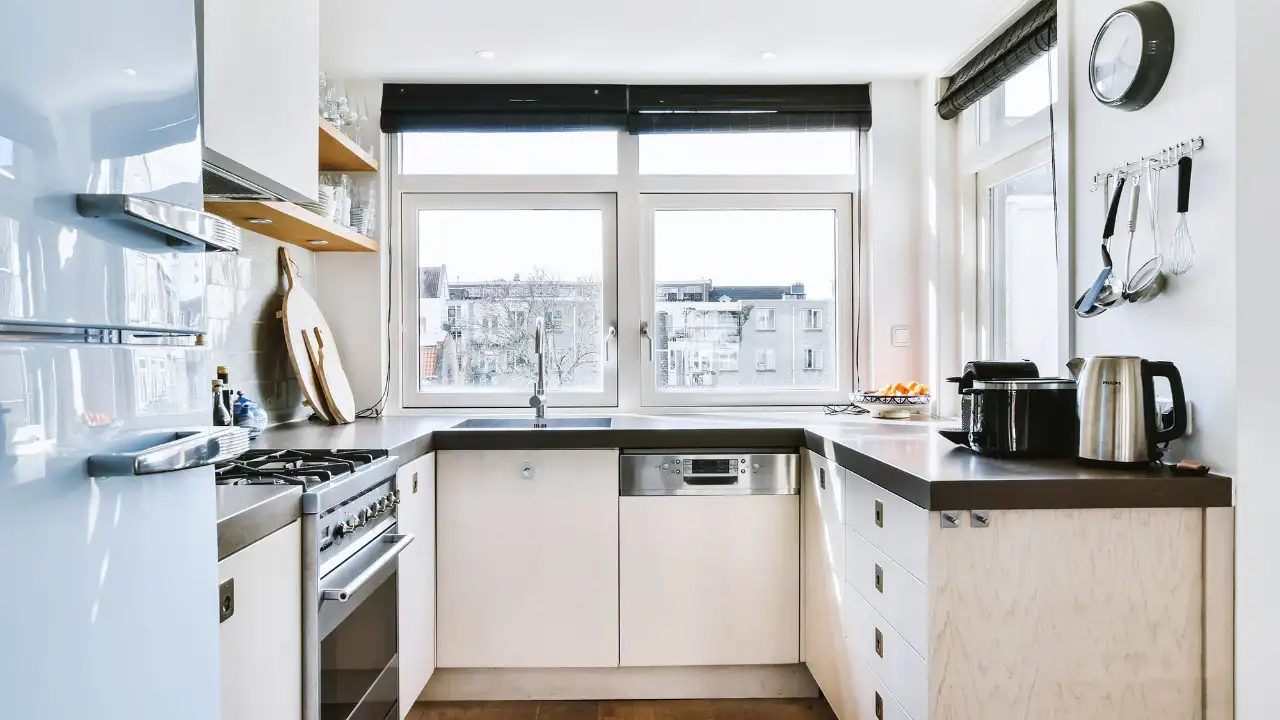
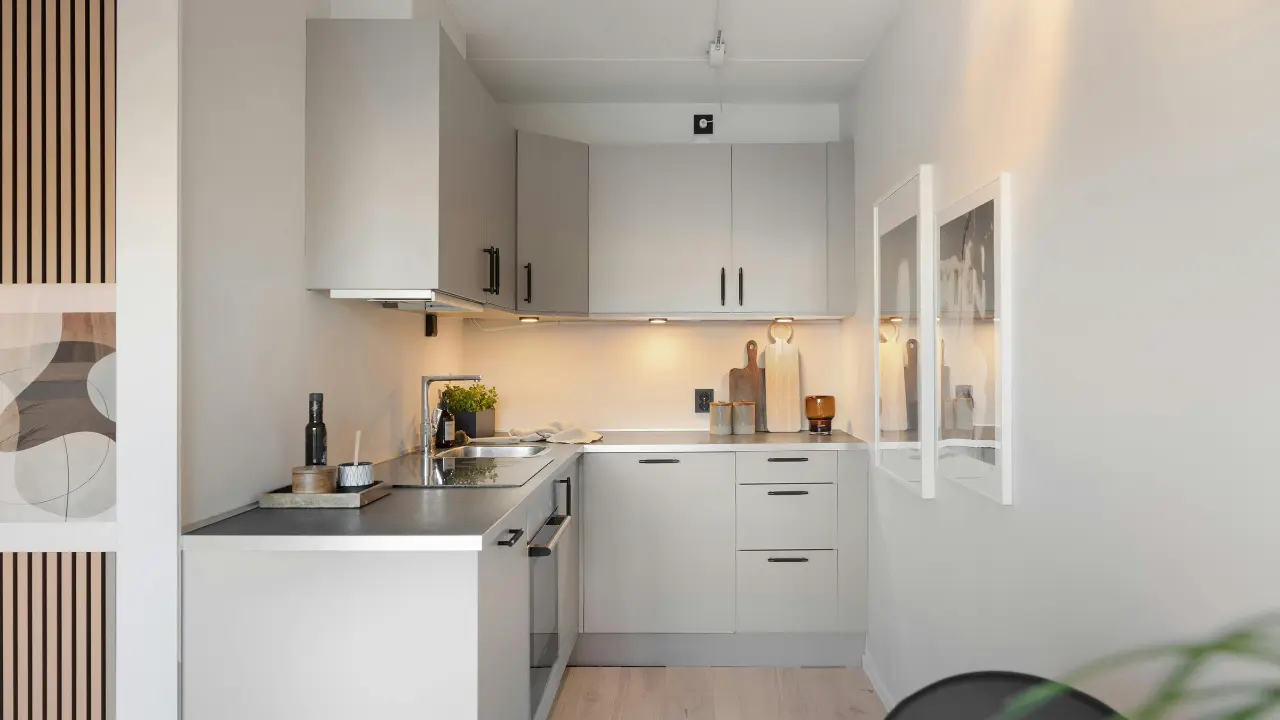
Kitchen cabinets are one of the most important decisions in a kitchen renovation because they influence much more than the appearance of the room. They determine how much you can store, how easily you can access everyday items, how much counter space remains available, and how the kitchen works during cooking, cleaning, and entertaining.
The right cabinetry also helps connect the countertop, backsplash, flooring, appliances, lighting, and hardware into one cohesive design.
That is why attractive cabinet doors alone are not enough. A successful kitchen needs cabinetry that fits the room’s size and layout, supports your storage habits, works with your budget, and complements the overall interior style.
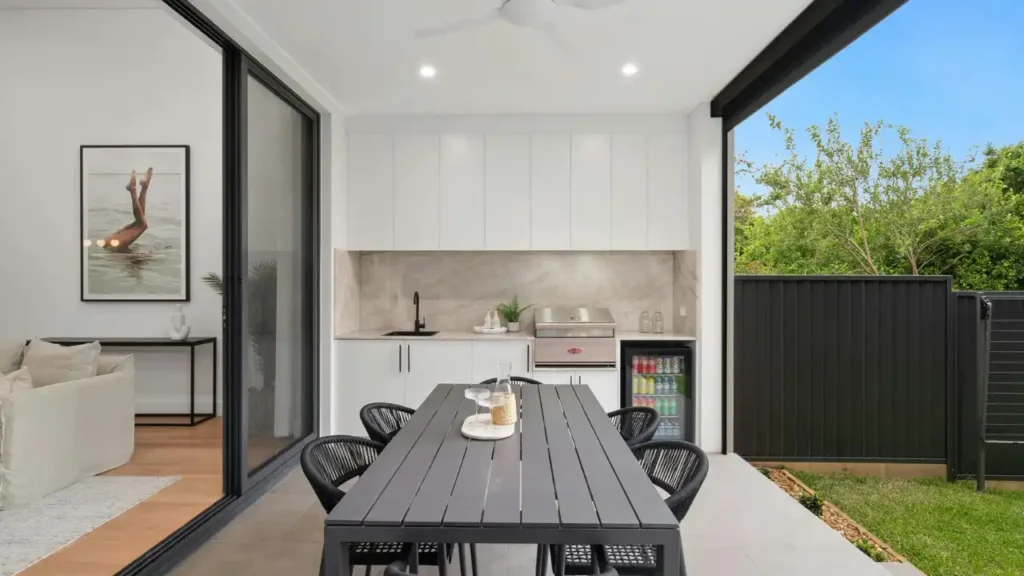
Whether you’re planning a complete renovation, designing a new kitchen, or updating existing cabinets, the ideas below can help you compare styles, colors, materials, storage solutions, and layouts before making a decision.
What Are the Best Kitchen Cabinet Ideas?
The best kitchen cabinet ideas balance storage, durability, layout, color, and overall style. Popular options include Shaker, flat-panel, natural wood, two-tone, floor-to-ceiling, glass-front, and minimalist cabinets.
The right choice depends on your kitchen size, layout, budget, maintenance needs, storage requirements, and the look you want to create. Instead of choosing a cabinet style simply because it looks attractive in a photograph, consider how it will function in your actual kitchen.
Quick Kitchen Cabinet Comparison
| Kitchen Situation | Cabinet Direction | Useful Options |
|---|---|---|
| Small kitchen | Maximize vertical storage | Tall cabinets, drawers, pull-outs |
| Narrow kitchen | Keep visual lines simple | Flat-panel, light finishes |
| Large kitchen | Increase storage and architectural impact | Floor-to-ceiling cabinets, pantry, island |
| White kitchen | Add warmth or contrast | Wood, green, blue, black |
| Dark kitchen | Balance visual weight | Light countertops, warm wood, reflective backsplash |
| Wood kitchen | Complement natural texture | Cream, white, green, stone |
| Minimalist kitchen | Reduce visual clutter | Slab, flat-panel, integrated hardware |
| Farmhouse kitchen | Use classic proportions | Shaker, warm white, natural wood |
| Luxury kitchen | Emphasize materials and detail | Walnut, refined hardware, integrated appliances |
| Budget kitchen | Upgrade strategically | Paint, hardware, organizers, refacing |
What Makes a Good Kitchen Cabinet Design?
Good cabinetry combines function, proportion, accessibility, and visual cohesion. A beautiful kitchen can become frustrating if the storage is difficult to reach or the cabinet layout interferes with everyday movement.
Storage
Start by determining what needs to be stored.
Cookware, plates, food, cleaning supplies, small appliances, baking equipment, utensils, and recycling all need logical locations.
Useful storage features can include:
- Deep drawers for pots and pans
- Pull-out pantry shelves
- Tray dividers
- Vertical storage for cutting boards
- Corner storage systems
- Dedicated trash and recycling cabinets
- Appliance storage
- Tall pantry cabinets
- Drawer organizers
The goal is not simply to maximize the number of cabinets. It is to make the available storage useful.
Accessibility
Frequently used items should be easy to reach.
For example, everyday cookware may be more convenient in a deep drawer near the cooking zone, while baking supplies may work better near the oven. Cleaning products should be separated from food storage, and small appliances should have a practical home near the areas where they are used.
Proportion
Cabinet width, height, depth, and spacing can significantly affect how a kitchen feels.
Floor-to-ceiling cabinets can create a strong architectural appearance, while shorter upper cabinets may produce a more open feeling. In a compact kitchen, consistent cabinet fronts can reduce visual fragmentation.
Visual Cohesion
Cabinets should work with the rest of the kitchen rather than being selected in isolation.
Consider how they relate to:
- Countertops
- Backsplash
- Flooring
- Hardware
- Lighting
- Appliances
- Wall color
- Kitchen island
If you’re planning the decorative elements as well, combining cabinetry with thoughtful Kitchen Decor Ideas can help create a more connected design.
How to Choose Kitchen Cabinets
Choosing cabinets becomes easier when you work through the decision in a logical order.
Start With Your Kitchen Layout
The layout determines where cabinets can realistically go.
Common kitchen configurations include:
- Galley kitchens
- L-shaped kitchens
- U-shaped kitchens
- One-wall kitchens
- Open-concept kitchens
- Kitchens with islands
A galley kitchen may benefit from streamlined cabinet fronts and carefully planned storage. An L-shaped kitchen needs thoughtful corner planning, while a large kitchen may have enough space for tall pantry cabinetry and an island.
Determine Your Storage Needs
Before choosing door colors or hardware, make a list of what the kitchen needs to hold.
Ask yourself:
- How many drawers do I need?
- Do I need a dedicated pantry?
- Where will cookware go?
- Where will small appliances be stored?
- Do I need a recycling center?
- Where will baking equipment go?
- Do I need specialized corner storage?
- Which items need to remain easily accessible?
This step can prevent a common renovation problem: choosing attractive cabinetry and discovering later that important storage categories have nowhere practical to go.
Choose Cabinet Style
Popular cabinet door styles include:
- Shaker
- Flat-panel
- Slab
- Raised-panel
- Glass-front
- Reeded or fluted
- Mixed door styles
Your choice should support the overall design direction rather than simply follow a trend.
Choose Material and Finish
Cabinet materials can include:
- Solid wood
- Wood veneer
- MDF
- Laminate
- Thermofoil
- Acrylic
- Painted finishes
Each has different characteristics, appearances, maintenance considerations, and price points. Construction quality and manufacturer specifications matter alongside the material itself.
Select Hardware
Hardware can change the character of the same cabinet design.
Options include:
- Knobs
- Bar pulls
- Cup pulls
- Edge pulls
- Integrated handles
- Push-to-open systems
Comfort, scale, placement, durability, and ease of cleaning should all be considered.
Kitchen Cabinet Ideas by Kitchen Size
Your kitchen’s dimensions should influence both the cabinet configuration and visual treatment.
| Kitchen Type | Cabinet Approach | Why It Works |
|---|---|---|
| Small kitchen | Tall cabinets, drawers, light colors | Maximizes storage while maintaining visual openness |
| Narrow kitchen | Vertical storage, simple fronts | Uses height without adding visual clutter |
| Medium kitchen | Balanced upper and lower cabinetry | Allows flexibility |
| Large kitchen | Full-height cabinets, pantry, island storage | Provides substantial storage capacity |
| Open kitchen | Coordinated cabinet finishes | Helps connect kitchen with adjacent spaces |
35 Best Kitchen Cabinet Ideas for 2026
1. Classic White Kitchen Cabinets
White cabinets remain adaptable because they can work with traditional, transitional, farmhouse, Scandinavian, contemporary, and minimalist interiors.
White cabinetry can make a kitchen feel visually bright and provides a neutral foundation for changing decor.
It pairs naturally with:
- Natural wood
- Marble-look surfaces
- Quartz
- Black hardware
- Brass hardware
- Green accents
- Blue cabinetry
However, white finishes can show cooking residue, fingerprints, and dirt more easily than some darker finishes. Consider the finish and your cleaning habits before choosing them.
2. Warm Wood Kitchen Cabinets
Natural wood introduces warmth, texture, and variation that painted cabinets may not provide.
Oak, walnut, ash, and maple can create very different appearances depending on grain, stain, finish, and surrounding colors.
Warm wood cabinets work especially well in:
- Organic modern kitchens
- Japandi kitchens
- Scandinavian kitchens
- Contemporary kitchens
- Minimalist kitchens
If the room already contains wood flooring or exposed beams, compare undertones carefully so the different wood surfaces feel intentional rather than mismatched.
3. Two-Tone Kitchen Cabinets
Two-tone cabinetry allows you to combine two finishes without making the entire kitchen visually uniform.
Popular combinations include:
- White + natural wood
- Green + natural wood
- Navy + white
- Black + wood
- Cream + walnut
One finish can be used for perimeter cabinets while another defines the island. Alternatively, upper and lower cabinets can use different colors.
The key is controlling the palette. Two finishes can add depth, but too many competing cabinet colors may make the kitchen feel fragmented.
4. Modern Flat-Panel Cabinets
Flat-panel cabinet doors feature clean surfaces with minimal decorative detailing.
They work particularly well in contemporary kitchens where straight lines and simple geometry are important.
Pair them with:
- Minimal hardware
- Integrated appliances
- Simple countertops
- Large-format backsplash materials
- Under-cabinet lighting
Flat-panel cabinets do not have to look cold. Natural wood, warm neutrals, and carefully selected hardware can make them feel inviting.
5. Shaker Kitchen Cabinets
Shaker cabinets feature a simple framed profile that can adapt to many interior styles.
They can work in:
- Traditional kitchens
- Transitional kitchens
- Farmhouse kitchens
- Modern farmhouse kitchens
- Contemporary kitchens
Changing the cabinet color, hardware, countertop, and backsplash can significantly alter their character.
That versatility is one reason Shaker cabinetry continues to appear across very different kitchen designs.
6. Slab Kitchen Cabinets
Slab cabinets have completely flat fronts without a traditional frame or raised detail.
They are especially suitable for:
- Modern kitchens
- Minimalist kitchens
- Contemporary spaces
- Handleless designs
Because the fronts are visually simple, surrounding materials become more noticeable. Countertop texture, backsplash patterns, flooring, lighting, and hardware therefore deserve careful consideration.
7. Floor-to-Ceiling Kitchen Cabinets
Floor-to-ceiling cabinetry uses vertical wall space for storage.
This approach can accommodate:
- Pantry storage
- Built-in appliances
- Small appliance storage
- Bulk food storage
- Less frequently used kitchen equipment
In smaller kitchens, vertical storage can be particularly useful. In larger rooms, tall cabinetry can also create a stronger architectural frame.
Use lighting and balanced colors to prevent a tall cabinet wall from feeling visually heavy.
8. Glass-Front Kitchen Cabinets
Glass-front cabinets can break up a long run of solid doors while creating a display opportunity.
They work well for:
- Everyday dishes
- Glassware
- Ceramics
- Cookbooks
- Serving pieces
The downside is visibility. Anything behind the glass becomes part of the kitchen’s visual composition.
Keep the contents organized and avoid overcrowding the shelves.
9. Open Shelving + Closed Cabinets
Combining open shelves with traditional cabinets can create visual variety.
Open shelving works well for items that are attractive, frequently used, or easy to organize, while closed cabinets handle less attractive or less frequently used items.
Good shelf contents include:
- Plates
- Bowls
- Cookbooks
- Small plants
- Ceramics
- Serving pieces
Avoid turning every available wall into open storage. A balanced combination of display and concealed storage is generally easier to maintain.
10. Green Kitchen Cabinets
Green cabinetry can introduce color while maintaining a connection with natural materials.
Popular directions include:
- Sage green
- Olive
- Forest green
- Muted green
Softer greens can work with cream and natural wood, while deeper greens can create stronger contrast with light countertops.
Brass, black, or understated metal hardware can each produce a different result, so compare samples with the actual countertop and backsplash.
11. Blue Kitchen Cabinets
Blue cabinets range from soft and subtle to deep and dramatic.
Options include:
- Navy
- Dusty blue
- Blue-gray
- Soft blue
Lighting can significantly affect how blue cabinetry appears. A color that looks muted in a showroom may appear cooler or darker under different artificial lighting.
Test samples in the kitchen at different times of day before committing.
12. Black Kitchen Cabinets
Black cabinetry can create a strong visual anchor.
It can be paired with:
- White countertops
- Natural wood
- Warm stone
- Reflective backsplash surfaces
- Brass hardware
- Soft neutral walls
Dark cabinetry does not automatically require a large kitchen. What matters is the relationship between cabinet color, lighting, room proportions, countertop reflectivity, and surrounding finishes.
13. Cream and Warm White Cabinets
Cream and warm white provide an alternative to bright, cool white.
They can create a softer atmosphere when paired with:
- Warm wood
- Beige stone
- Brass
- Natural textures
- Muted green
Always compare cabinet samples against the countertop and backsplash because undertones can change the appearance of warm whites.
14. Natural Oak Cabinets
Natural oak is particularly useful when you want visible grain and a warm but relatively light cabinet finish.
It works well in:
- Scandinavian kitchens
- Organic modern kitchens
- Japandi kitchens
- Contemporary kitchens
White oak and lighter natural finishes can be paired with white, cream, black, green, or stone surfaces.
15. Walnut Kitchen Cabinets
Walnut offers a deeper, richer wood appearance.
It can create a sophisticated foundation when paired with:
- Cream
- White
- Light stone
- Brass
- Black accents
Walnut does not need excessive decoration to stand out. Simple cabinet fronts can allow the natural material to become the main visual feature.
16. Minimalist Kitchen Cabinets
Minimalist cabinetry focuses on reducing unnecessary visual information.
Useful principles include:
- Simple doors
- Limited colors
- Integrated storage
- Minimal hardware
- Consistent proportions
- Intentional negative space
The goal is not to eliminate personality. Instead, every visible element should have a clear purpose.
17. Modern Farmhouse Cabinets
Modern farmhouse cabinetry often combines familiar cabinet profiles with cleaner contemporary finishes.
Shaker cabinets, warm white finishes, natural wood, and simple hardware can create the look without relying on excessive decorative themes.
Balance is important. Too many rustic elements can make the kitchen feel heavily themed rather than naturally modern farmhouse.
18. Japandi Kitchen Cabinets
Japandi design combines Japanese-inspired simplicity with Scandinavian warmth.
Cabinet characteristics may include:
- Natural wood
- Muted colors
- Simple profiles
- Minimal hardware
- Clean lines
- Efficient storage
The emphasis is on calm visual composition and practical functionality rather than decorative excess.
19. Scandinavian Kitchen Cabinets
Scandinavian-inspired kitchens often use:
- Light wood
- White
- Soft neutrals
- Simple cabinet profiles
- Functional layouts
The style works particularly well when cabinets, lighting, flooring, and storage are designed together.
20. Luxury Kitchen Cabinets
Luxury cabinetry is not defined by price alone.
A sophisticated kitchen can come from:
- Refined proportions
- Natural wood
- Integrated appliances
- Carefully selected hardware
- Consistent finishes
- High-quality installation
- Well-planned storage
Large-scale cabinetry can look impressive, but poor proportions or excessive decoration can undermine the result.
21. Tall Pantry Cabinets
A dedicated pantry cabinet can make food storage easier to organize.
It can accommodate:
- Dry goods
- Baking supplies
- Small appliances
- Bulk items
- Kitchen supplies
Adjustable shelves and pull-out mechanisms can improve access, particularly in deep cabinets.
22. Deep Kitchen Drawers
Deep drawers can provide convenient access to cookware and other frequently used items.
They are useful for:
- Pots
- Pans
- Plates
- Mixing bowls
- Small appliances
Instead of stacking items deeply inside a traditional base cabinet, drawers can bring the contents forward.
23. Corner Cabinet Solutions
Corners can become difficult-to-access storage zones if they are not planned carefully.
Possible solutions include:
- Lazy Susan systems
- Pull-out storage
- Corner drawers
- Specialized shelving
The best option depends on the exact cabinet configuration. Measure the available space before selecting a storage mechanism.
24. Appliance Garage Cabinets
Appliance garage cabinetry can conceal small appliances when they are not being used.
Potential contents include:
- Coffee makers
- Toasters
- Blenders
- Mixers
Make sure the cabinet design allows appliances to operate safely when necessary. Follow manufacturer requirements for ventilation, clearance, heat, and electrical access.
25. Built-In Refrigerator Cabinetry
Cabinetry around a refrigerator can create a more integrated appearance.
However, appliance dimensions and ventilation requirements must come first.
Before ordering cabinets, confirm:
- Appliance width
- Height
- Depth
- Door swing
- Clearance
- Ventilation requirements
- Installation specifications
Never design surrounding cabinetry solely from the appearance of an appliance photograph.
26. Cabinets With Integrated Lighting
Lighting can make cabinetry significantly more functional.
Useful options include:
- Under-cabinet lighting
- Interior cabinet lighting
- Accent lighting
- Display lighting
Under-cabinet lighting is especially helpful for food preparation because it can illuminate the counter surface without relying entirely on ceiling fixtures.
For a complete lighting plan, connect your cabinetry choices with Modern Kitchen Lighting Ideas.
27. Cabinets With Brass Hardware
Brass hardware can introduce warmth and contrast.
It can work with:
- White cabinets
- Green cabinets
- Navy cabinets
- Walnut cabinets
- Cream cabinetry
The finish can range from polished to aged or brushed, so compare the hardware with the actual cabinet sample rather than choosing metal based on a photograph alone.
28. Handleless Kitchen Cabinets
Handleless cabinetry can create a streamlined appearance.
Common approaches include:
- Integrated pulls
- J-pull profiles
- Push-to-open mechanisms
- Recessed handles
A handleless kitchen should still be comfortable to use. Consider how frequently each cabinet is opened and whether the chosen mechanism works well for your household.
29. Mixed Cabinet Door Styles
Different cabinet types can be combined intentionally.
For example:
- Solid doors + glass fronts
- Drawers + doors
- Closed cabinets + open shelves
- Standard cabinets + tall pantry units
The combination works best when there is a clear visual logic rather than a collection of unrelated cabinet types.
30. Cabinets Around a Kitchen Island
An island can provide valuable storage in addition to seating and workspace.
Island cabinetry can include:
- Deep drawers
- Appliance storage
- Recycling systems
- Serving storage
- Cookware storage
The island does not have to match the perimeter cabinets exactly. A controlled contrast can help define it as a separate functional zone.
When planning the island, also consider Kitchen Island Ideas and Kitchen Island Decor Ideas for a more complete design.
31. Small Kitchen Cabinet Ideas
Small kitchens benefit from cabinetry that uses available space efficiently without creating excessive visual noise.
Consider:
- Vertical storage
- Full-height cabinets
- Deep drawers
- Pull-out pantry systems
- Light finishes
- Consistent cabinet fronts
- Reduced open storage
In a compact kitchen, every cabinet should solve a specific storage problem.
32. Budget-Friendly Cabinet Ideas
A complete cabinet replacement is not always necessary.
Depending on the condition and construction of your existing cabinets, you may be able to use:
- Cabinet paint
- New hardware
- Refacing
- Interior organizers
- Selected replacement doors
- Strategic storage upgrades
Painting or refacing is not appropriate for every cabinet, so evaluate the existing construction and finish first.
33. Renter-Friendly Cabinet Updates
Renters can improve cabinet functionality without making permanent changes.
Options can include:
- Removable hardware where permitted
- Temporary organizers
- Cabinet-safe accessories
- Non-permanent shelf inserts
- Removable lighting solutions
- Freestanding storage additions
Always check lease requirements before changing hardware or attaching anything to cabinetry.
34. Statement Cabinet Color
A strong cabinet color can become the focal point of a kitchen.
Deep green, navy, blue-gray, black, or another distinctive finish can work well when surrounding elements are quieter.
Balance a statement cabinet color with restrained:
- Countertops
- Backsplash
- Flooring
- Hardware
- Wall finishes
35. Timeless Kitchen Cabinet Design
A timeless kitchen does not have to look old-fashioned.
Focus on:
- Good proportions
- Functional storage
- Adaptable colors
- Classic materials
- Quality installation
- Practical hardware
- A design that does not depend entirely on a short-lived trend
You can incorporate current design preferences through hardware, lighting, paint, or accessories without making the entire kitchen dependent on one trend.
Best Kitchen Cabinet Ideas by Style
Different interior styles often use different cabinet profiles, finishes, and materials.
| Kitchen Style | Cabinet Direction |
|---|---|
| Modern | Flat-panel, slab, minimal hardware |
| Minimalist | Simple fronts, neutral colors, integrated storage |
| Farmhouse | Shaker, warm white, natural wood |
| Modern farmhouse | Shaker + contemporary hardware |
| Scandinavian | Light wood, white, simple profiles |
| Japandi | Natural wood, muted colors, clean lines |
| Traditional | Raised-panel or classic framed doors |
| Industrial | Dark cabinets, metal hardware, mixed materials |
| Coastal | White, soft blue, light wood |
| Luxury | Natural wood, refined finishes, integrated appliances |
| Rustic | Wood, warm finishes, visible texture |
| Organic modern | Natural wood, earthy colors, simple doors |
Modern Kitchen Cabinet Ideas
Modern kitchens often benefit from simple cabinet fronts and carefully controlled materials.
Popular approaches include:
- Flat-panel doors
- Slab cabinetry
- Integrated appliances
- Minimal hardware
- Floor-to-ceiling storage
- Neutral colors
- Natural wood
- Two-tone cabinetry
Modern cabinetry does not have to be cold or completely handleless. Warm wood, textured surfaces, soft neutrals, and thoughtfully selected hardware can make a contemporary kitchen feel more comfortable.
The most important principle is consistency. When cabinet proportions, hardware, countertop, backsplash, and appliances follow a coherent visual language, the kitchen can feel modern without becoming overly trend-driven.
Small Kitchen Cabinet Ideas
Cabinetry can have a major effect on whether a small kitchen feels efficient or crowded.
Use Vertical Storage
Tall cabinets can use wall height that would otherwise remain underutilized.
Extend Cabinets Upward Where Appropriate
Where ceiling height and cabinet construction allow, extending storage upward can reduce unused space.
Prioritize Drawers
Drawers can make cookware and other frequently used items easier to access.
Use Pull-Out Storage
Narrow pull-outs can make otherwise awkward spaces more useful.
Reduce Unnecessary Open Storage
Open shelves can be attractive, but too many visible items may make a small kitchen feel busy.
Keep Finishes Cohesive
Using related cabinet colors and materials can create longer visual lines and reduce fragmentation.
If you’re working with a compact room, combine these cabinet choices with Small Kitchen Ideas and Small Kitchen Organization Ideas.
White Kitchen Cabinet Ideas
White cabinetry provides a flexible starting point, but the surrounding materials determine its final character.
White + Natural Wood
Natural wood introduces warmth and texture.
White + Black
Black accents create stronger contrast and can give a crisp contemporary appearance.
White + Green
Green cabinetry or accents can introduce a natural color direction.
White + Blue
Blue creates a cooler, more colorful palette.
White + Marble
Marble or marble-look surfaces can produce a refined appearance.
White + Warm Beige
Warm beige and cream can soften a predominantly white kitchen.
Remember that lighting and undertones can change how white cabinetry appears. Always compare samples under the actual lighting conditions of your kitchen.
Dark Kitchen Cabinet Ideas
Dark cabinetry can create depth and visual contrast.
Possible choices include:
- Black
- Charcoal
- Deep green
- Navy
- Dark walnut
Balance darker cabinets with lighter or reflective elements such as:
- Light countertops
- Warm wood
- Reflective backsplash surfaces
- Under-cabinet lighting
- Contrasting hardware
Dark cabinets can work in smaller kitchens as well as larger rooms when proportions, lighting, and surrounding colors are carefully planned.
Kitchen Cabinet Ideas by Color
| Cabinet Color | Works Well With |
|---|---|
| White | Wood, black, green, blue, marble |
| Cream | Warm wood, brass, beige, green |
| Black | White, wood, gray, brass |
| Navy | White, cream, brass, light wood |
| Sage green | Cream, wood, brass, stone |
| Forest green | Walnut, cream, brass |
| Blue-gray | White, gray, natural wood |
| Natural oak | White, cream, black, green |
| Walnut | Cream, white, stone, brass |
| Taupe | White, beige, wood, black |
The cabinet color should connect to the rest of the kitchen rather than exist as an isolated decision.
For more color combinations, you can also explore Kitchen Cabinet Color Ideas when planning the wider palette.
Kitchen Cabinet Ideas by Material
| Material | Appearance | Maintenance | Common Use |
|---|---|---|---|
| Solid wood | Natural, varied | Requires appropriate care | Traditional and modern kitchens |
| Wood veneer | Real wood appearance | Product-dependent | Contemporary and high-end designs |
| MDF | Smooth painted finish | Finish-dependent | Painted cabinetry |
| Laminate | Wide range of colors | Generally easy | Modern and budget-conscious kitchens |
| Thermofoil | Consistent finished surface | Product-dependent | Budget and contemporary applications |
| Acrylic | Smooth, high-gloss appearance | Easy to wipe | Modern kitchens |
There is no single material that is right for every kitchen.
Consider construction, finish quality, installation, expected use, maintenance requirements, and budget together. Always review the manufacturer’s care instructions before choosing a finish.
Kitchen Cabinet Door Styles Explained
Shaker Doors
Shaker doors use a simple framed design that can adapt to traditional, farmhouse, transitional, and contemporary kitchens.
Flat-Panel Doors
Flat-panel doors have a clean appearance with minimal detailing and are common in modern interiors.
Slab Doors
Slab doors are completely flat and can create strong visual continuity in minimalist kitchens.
Raised-Panel Doors
Raised-panel doors provide dimensional detailing and tend to create a more traditional appearance.
Glass-Front Doors
Glass fronts are useful when you want to display selected kitchenware while breaking up solid cabinet surfaces.
Reeded or Fluted Cabinet Doors
Reeded and fluted fronts add vertical texture and can introduce a decorative detail without relying on complex door profiles.
Kitchen Cabinet Hardware Ideas
Hardware can have a surprisingly large effect on the final appearance of cabinetry.
Knobs
Knobs can provide a simple and classic appearance, particularly on traditional and farmhouse cabinets.
Bar Pulls
Bar pulls work well in modern and transitional kitchens and can be selected in different lengths.
Cup Pulls
Cup pulls are often associated with traditional or farmhouse-inspired cabinetry.
Edge Pulls
Edge pulls can create a more understated modern appearance.
Integrated Handles
Integrated handles support streamlined and minimalist designs.
Hardware by Style
| Style | Hardware Direction |
|---|---|
| Modern | Slim pulls or integrated hardware |
| Minimalist | Minimal or concealed hardware |
| Farmhouse | Simple black or aged finishes |
| Traditional | Classic knobs and pulls |
| Japandi | Simple understated hardware |
| Luxury | Refined metal hardware |
Comfort and scale matter as much as appearance. Hardware that looks good but is awkward to grip can become frustrating with daily use.
Kitchen Cabinet Ideas for Better Storage
Cabinet organization is one of the areas where thoughtful planning can make a bigger everyday difference than decorative styling.
Deep Drawers
Use deep drawers for:
- Pots
- Pans
- Cookware
- Mixing bowls
Pull-Out Pantry
A pull-out pantry can make narrow storage areas easier to access.
Tray Dividers
Vertical dividers are useful for:
- Baking sheets
- Cutting boards
- Serving trays
Drawer Organizers
Organizers can create dedicated spaces for utensils, cooking tools, and smaller items.
Vertical Dividers
These help prevent flat kitchen items from being stacked in unstable piles.
Corner Storage
Use corner systems that match the cabinet configuration rather than assuming one solution works for every corner.
Under-Sink Organization
Use the area under the sink for cleaning supplies and waste systems while keeping plumbing access available.
Appliance Storage
Small appliances should have a logical storage location. Frequently used equipment may need to remain accessible, while less frequently used appliances can be stored in deeper cabinets.
Floor-to-Ceiling Kitchen Cabinet Ideas
Floor-to-ceiling cabinets can provide substantial vertical storage while giving the kitchen a strong architectural appearance.
Benefits can include:
- More storage
- Dedicated pantry space
- Integrated appliance locations
- Fewer exposed upper surfaces
- Stronger visual continuity
However, tall cabinetry can feel heavy if the room is already visually dense.
Use appropriate lighting, consistent finishes, and balanced surrounding materials to keep the cabinet wall from overwhelming the room.
Kitchen Cabinet Ideas With Open Shelving
Open shelving can introduce display space and visual variety.
Good Items for Open Shelves
- Everyday dishes
- Cookbooks
- Small plants
- Ceramics
- Attractive serving pieces
Open shelves usually work best when they are not overloaded.
A limited color palette and some empty space can make the shelves feel intentional rather than cluttered.
For many kitchens, the most practical approach is to combine open shelves with closed cabinetry so decorative and everyday items have different storage zones.
Kitchen Cabinet Ideas With a Kitchen Island
The island can function as an extension of the kitchen’s storage system.
It may provide:
- Deep drawers
- Cookware storage
- Appliance storage
- Recycling storage
- Seating-related storage
- A visual focal point
The island does not have to match the perimeter cabinetry exactly.
For example, white perimeter cabinets with a natural wood island can create warmth and contrast. Similarly, a muted green island can become a controlled accent within a neutral kitchen.
The key is to repeat colors or materials elsewhere so the island feels connected to the overall room.
Kitchen Cabinet Ideas for Different Layouts
| Layout | Cabinet Strategy |
|---|---|
| One-wall kitchen | Maximize vertical storage |
| Galley kitchen | Keep storage efficient and visually balanced |
| L-shaped kitchen | Use corners strategically |
| U-shaped kitchen | Plan corner and upper storage carefully |
| Open-concept kitchen | Coordinate cabinetry with adjacent living spaces |
| Kitchen with island | Combine perimeter and island storage intentionally |
The layout should be established before making detailed cabinet decisions because the available wall space and traffic flow determine what is practical.
Kitchen Cabinet Ideas for Different Budgets
Budget-Friendly
Consider:
- Stock cabinets
- Hardware upgrades
- Cabinet paint where suitable
- Refacing
- Interior organizers
- Selected door replacements
A strategic update can sometimes improve an existing kitchen without requiring every cabinet to be replaced.
Mid-Range
You may have more flexibility with:
- Door finishes
- Specialized storage
- Drawer systems
- Custom colors
- Better internal organization
Higher-End
Higher budgets may allow:
- Custom cabinetry
- Integrated appliances
- Specialty storage systems
- Premium veneers
- Natural wood cabinetry
- Detailed interior organization
Price alone does not determine the quality of a kitchen. Design planning, cabinet construction, installation, materials, and finishing details all influence the final result.
How to Make Kitchen Cabinets Look More Expensive
A polished kitchen does not necessarily require the most expensive materials.
Try these strategies:
- Use a controlled color palette.
- Choose consistent cabinet proportions.
- Coordinate hardware finishes.
- Add appropriate under-cabinet lighting.
- Avoid excessive decorative clutter.
- Use fewer but better-integrated materials.
- Pay attention to cabinet alignment.
- Coordinate countertops and backsplash.
- Use clean finishing and trim details.
- Keep storage organized.
The strongest visual improvements often come from consistency and proportion rather than simply increasing the number of expensive materials.
Kitchen Cabinet Mistakes to Avoid
1. Designing Cabinets Without Considering Workflow
Cabinet placement should support movement between food storage, preparation, cooking, and cleaning zones.
2. Not Planning Enough Drawers
Doors may look clean, but drawers can make many everyday items easier to access.
3. Ignoring Corner Storage
Poorly planned corners can become difficult-to-use storage.
4. Choosing Color Without Testing Lighting
Cabinet color can look different under natural and artificial light.
5. Selecting Hardware Too Late
Hardware affects drilling locations, proportions, and the final visual character.
6. Ignoring Appliance Dimensions
Always use actual appliance specifications before finalizing cabinet dimensions.
7. Using Too Many Cabinet Colors
Multiple colors can work, but each additional finish increases the need for coordination.
8. Creating Too Much Open Storage
Open shelving requires ongoing visual organization.
9. Ignoring Ceiling Height
Cabinet height should work with the architecture rather than leaving awkward or impractical spaces.
10. Choosing Appearance Over Storage Capacity
A beautiful cabinet configuration is less successful if it does not hold what you actually need.
11. Forgetting Small Appliance Storage
Coffee makers, mixers, blenders, and other appliances need practical homes.
12. Not Planning Electrical and Plumbing Locations
Cabinet design must work with the home’s utilities.
13. Ignoring Countertop and Backsplash Coordination
These surfaces interact directly with the cabinetry.
14. Overusing Trend-Dependent Features
A current trend may not remain appropriate for your kitchen for many years.
15. Failing to Plan Installation Details
Measurements, filler panels, trim, appliance clearances, wall conditions, and hardware placement all matter during installation.
How to Plan Your Kitchen Cabinets Step by Step
Step 1: Measure the Kitchen
Record:
- Wall lengths
- Ceiling height
- Doors
- Windows
- Plumbing
- Electrical outlets
- Appliance locations
Step 2: Identify the Kitchen Work Zones
Consider:
- Cooking
- Preparation
- Cleaning
- Food storage
- Small appliance storage
Step 3: Determine Storage Needs
List the categories of items that need a home before choosing cabinet configurations.
Step 4: Select the Cabinet Layout
Decide where your:
- Base cabinets
- Wall cabinets
- Tall cabinets
- Pantry cabinets
- Island storage
will be located.
Step 5: Choose Cabinet Style
Select the door profile based on the overall design direction.
Step 6: Choose Material and Finish
Consider:
- Appearance
- Maintenance
- Durability requirements
- Budget
- Existing kitchen materials
Step 7: Select Cabinet Color
Test samples in the actual kitchen lighting.
Step 8: Plan Hardware
Choose hardware based on:
- Style
- Scale
- Comfort
- Placement
- Durability
Step 9: Coordinate Countertop and Backsplash
Choose these materials as part of one palette rather than independently.
For additional ideas, explore Kitchen Backsplash Ideas before finalizing the wall finish.
Step 10: Plan Lighting
Consider:
- Under-cabinet lighting
- Interior cabinet lighting
- Ceiling lighting
- Display lighting
Step 11: Review Storage
Check whether every major category of kitchen item has a logical home.
Step 12: Review the Entire Kitchen
Step back and evaluate the cabinetry alongside the:
- Flooring
- Countertop
- Backsplash
- Appliances
- Lighting
- Hardware
- Wall finishes
This final review can reveal visual conflicts that are difficult to notice when choosing each component separately.
Kitchen Cabinet Ideas Checklist
Use this checklist before ordering or installing cabinets:
- Measure the kitchen
- Record ceiling height
- Check doors and windows
- Mark plumbing and electrical locations
- Identify cooking and preparation zones
- List storage requirements
- Choose cabinet layout
- Choose door style
- Choose cabinet material
- Choose finish
- Select cabinet color
- Plan drawers
- Plan pantry storage
- Plan corner storage
- Consider appliance integration
- Choose hardware
- Coordinate countertop
- Coordinate backsplash
- Plan lighting
- Test samples under actual lighting
- Review maintenance requirements
- Confirm installation details
Frequently Asked Questions About Kitchen Cabinet Ideas
What are the most popular kitchen cabinet styles?
Shaker, flat-panel, slab, natural wood, two-tone, and minimalist cabinet designs can all work well in different kitchens. The appropriate style depends on the room’s architecture, desired aesthetic, storage requirements, budget, and surrounding materials.
What kitchen cabinets make a small kitchen look bigger?
Light colors, simple cabinet profiles, consistent finishes, vertical storage, and thoughtful organization can help a small kitchen feel more visually open.
However, storage efficiency should not be sacrificed simply to make the room appear larger. Tall cabinets and deep drawers can provide valuable capacity without requiring lots of visible shelving.
Are white kitchen cabinets still a good choice?
White remains a flexible cabinet color because it can work with many countertops, backsplashes, floors, and interior styles.
The important considerations are undertone, lighting, maintenance, and the colors surrounding the cabinets.
What cabinet color works best with wood floors?
White, cream, green, blue, gray, and natural wood can all work with wood flooring.
The floor’s undertone matters. A warm wood floor may coordinate naturally with cream or warm white, while a cooler floor may pair differently with blue-gray or crisp neutral cabinetry.
Should kitchen cabinets match the island?
They can match, but they do not have to.
Matching creates a unified appearance, while a controlled contrast can visually define the island as a separate zone.
Natural wood islands are particularly useful when you want to add warmth to a painted cabinet kitchen.
Are Shaker cabinets modern or traditional?
Shaker cabinets can work in both modern and traditional kitchens.
Their simple profile provides a neutral foundation, while color, hardware, countertop, backsplash, and lighting determine much of the final character.
What is better for a kitchen: drawers or cabinets?
Both serve different purposes.
Drawers can provide convenient access to cookware, utensils, plates, and other frequently used items. Traditional cabinets can be useful for larger, taller, or irregularly shaped objects.
A combination of drawers and cabinets is often practical because different storage types serve different needs.
Are dark kitchen cabinets suitable for small kitchens?
Yes, dark cabinets can work in smaller kitchens.
The result depends on lighting, proportions, surrounding colors, countertop reflectivity, and the amount of visual contrast.
If the room has limited natural light, carefully planned artificial lighting becomes particularly important.
What is the best cabinet material?
There is no single material that is ideal for every kitchen.
The appropriate choice depends on the desired appearance, construction quality, budget, maintenance requirements, expected use, and manufacturer’s specifications.
How can I update kitchen cabinets without replacing them?
Depending on their condition and construction, you may be able to update existing cabinets through:
- Painting
- Refacing
- New hardware
- Interior organizers
- Selected door replacements
- Improved lighting
Before choosing paint or refacing, inspect the existing cabinet surfaces and construction to make sure the proposed update is suitable.
How can I make kitchen cabinets look more expensive?
Focus on consistency rather than simply choosing expensive materials.
Use coordinated colors, consistent proportions, well-scaled hardware, appropriate lighting, clean installation details, restrained materials, and organized storage.
A cohesive kitchen often looks more polished because the different elements work together.
How high should kitchen cabinets be?
Cabinet height depends on ceiling height, cabinet configuration, appliance requirements, accessibility, storage needs, and the desired appearance.
There is no single height that works for every kitchen. Measure the room and consider how the cabinets interact with windows, doors, appliances, and ceiling details.
Final Thoughts on Kitchen Cabinet Ideas
Kitchen cabinets should do more than fill wall space. They should make everyday cooking, preparation, cleaning, and storage easier while supporting the visual character of the room.
The best approach is to begin with layout and storage needs, then move toward cabinet style, material, finish, color, hardware, lighting, countertop, backsplash, and flooring.
For a small kitchen, vertical storage, efficient drawers, pull-outs, and visually simple finishes can make a significant difference. Larger kitchens may have room for tall pantry cabinets, islands, integrated appliances, display storage, and more substantial material combinations.
If you’re planning the entire room, connect your cabinet decisions with related elements such as Kitchen Countertop Decor Ideas, Kitchen Aesthetic Ideas, and Kitchen Makeover Ideas rather than treating cabinetry as a standalone feature.
Most importantly, do not choose cabinets only because they look impressive in a photograph. Think about what you cook, what you store, how you move through the room, how much maintenance you want, and how the cabinetry will work with the rest of your home.
The most successful kitchen cabinet ideas are not necessarily the most elaborate. They are the ones that fit the room, support the way you use it, and create a cohesive balance between function, storage, comfort, and style.