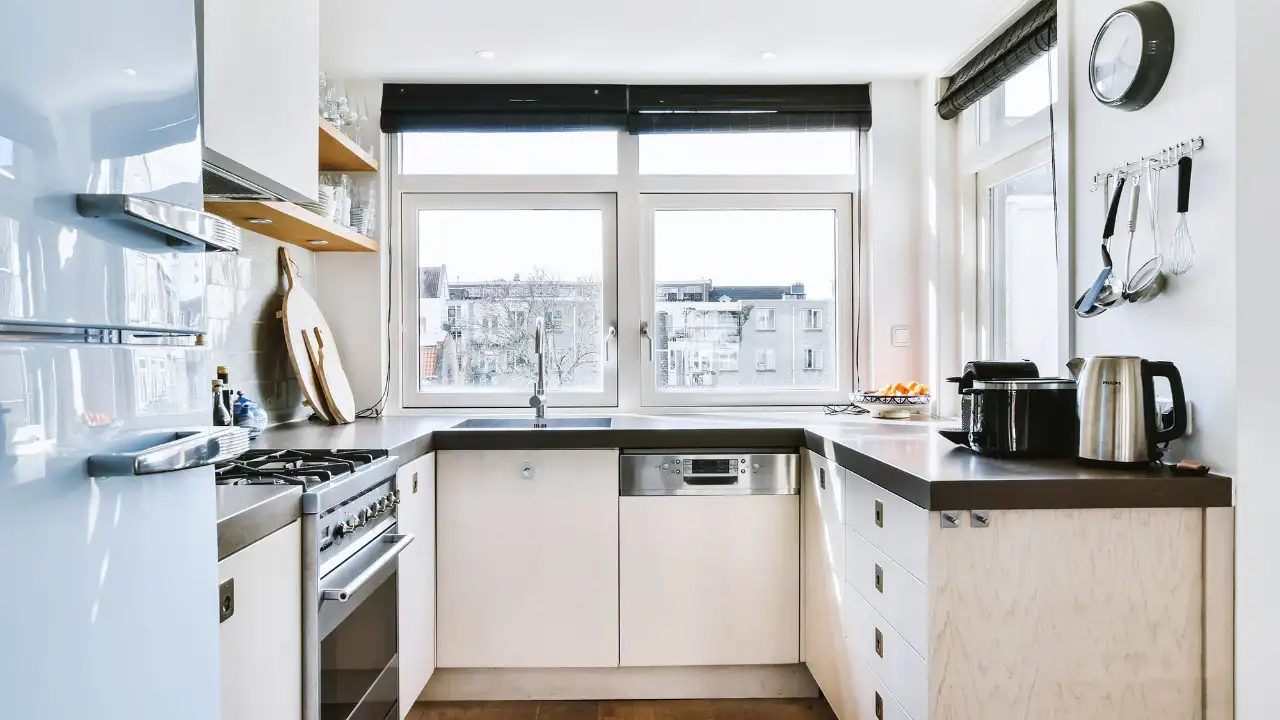
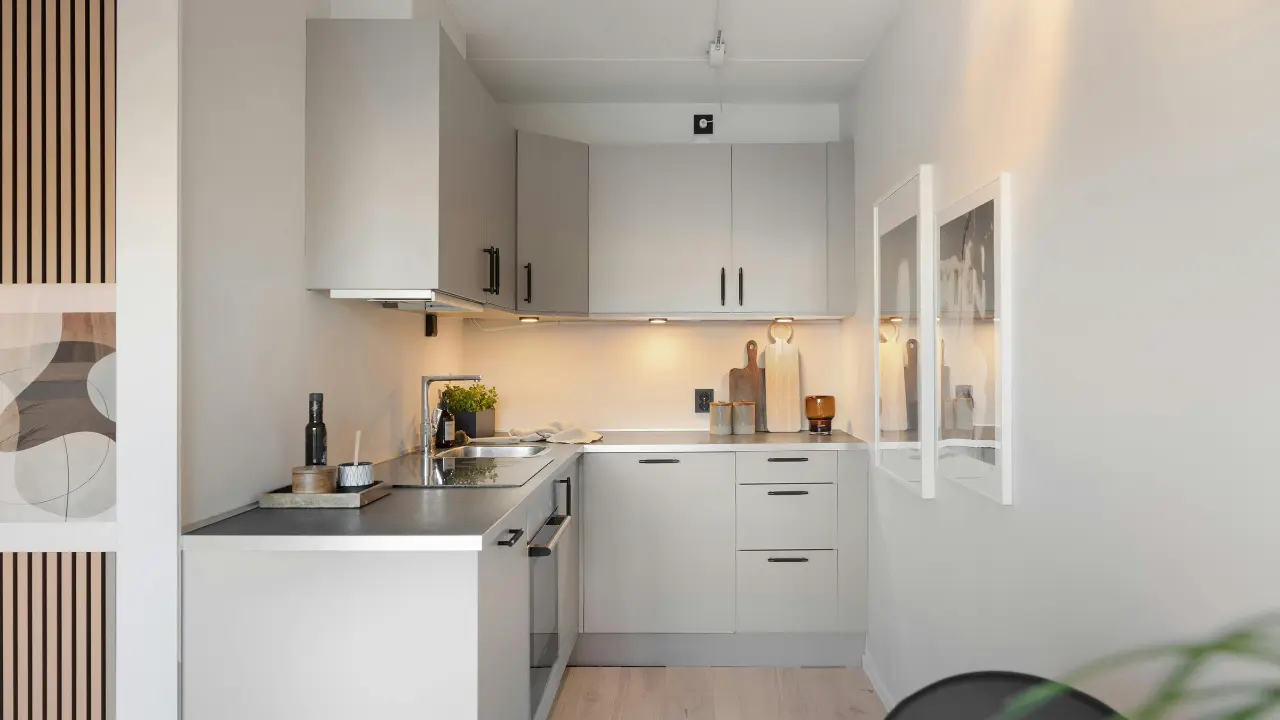
The right backsplash can do much more than protect your kitchen walls. It can connect your cabinets and countertops, introduce color or texture, make a small kitchen feel brighter, or become the focal point behind a range or island.
The best kitchen backsplash ideas balance appearance with everyday practicality. Before choosing a tile or slab, consider your cabinet color, countertop pattern, kitchen size, natural light, cooking habits, cleaning preferences, and overall design style.
For a modern kitchen, you might prefer large-format porcelain, a subtle marble-look surface, or a clean stacked tile. A farmhouse kitchen may look better with handmade-style ceramic tile, while a luxury kitchen can benefit from a full-height stone or quartz backsplash.
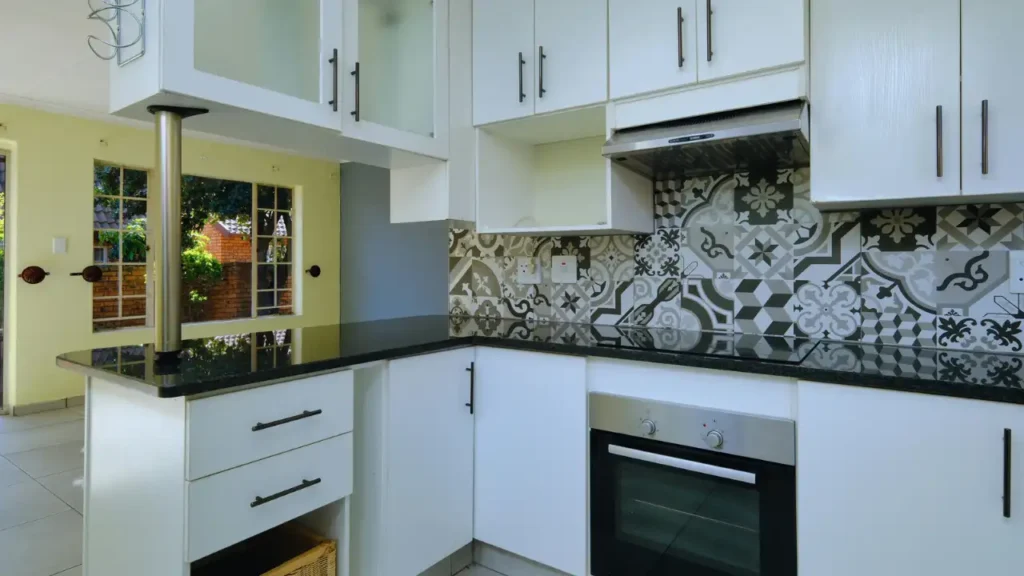
The goal isn’t simply to choose the most fashionable backsplash. It’s to choose one that works with the entire kitchen.
What Is a Kitchen Backsplash?
A kitchen backsplash is the protective surface installed on the wall behind a countertop, sink, cooktop, or range. Its primary job is to help protect the wall from water, grease, food splashes, and everyday kitchen messes.
But a backsplash also has an important design role. Because it sits between or alongside major visual elements such as cabinets and countertops, even a relatively small change can affect the character of the entire room.
A backsplash can be:
- A traditional counter-to-cabinet installation
- A full-height wall treatment
- A statement area behind a range
- A continuous surface extending to the ceiling
- A simple tile installation designed to blend into the background
Why a Kitchen Backsplash Matters
A good backsplash can provide several benefits:
Protection: It creates a more practical surface behind areas exposed to cooking splashes and moisture.
Easy cleaning: Smooth, properly selected materials can make everyday cleanup easier.
Visual balance: The backsplash can connect cabinet and countertop colors.
Style: Tile color, shape, texture, grout, and pattern can reinforce almost any kitchen style.
Design continuity: A carefully selected backsplash can help the kitchen feel intentional rather than assembled from unrelated materials.
25 Best Kitchen Backsplash Ideas for 2026
There isn’t one backsplash that works for every kitchen. The following ideas cover a range of styles, budgets, materials, and visual effects so you can identify the direction that makes sense for your space.
1. Classic White Subway Tile
White subway tile remains one of the most adaptable choices for a kitchen. Its simple rectangular shape works with modern, traditional, farmhouse, transitional, and many other interiors.
For a softer appearance, pair white tile with white or light grout. If you want the tile pattern to stand out, a contrasting gray or darker grout can emphasize each individual tile.
Glossy white tile reflects light and can help a darker kitchen feel brighter. Matte finishes create a quieter, more contemporary appearance.
Best with: White, gray, navy, green, and wood cabinets.
Best for: Timeless kitchens where flexibility matters.
2. Large-Format Neutral Tile
Large-format tile creates fewer grout lines, giving the wall a cleaner and more continuous appearance.
Soft white, cream, beige, greige, and light gray are especially versatile. This approach works well when the countertop already contains a noticeable pattern and you don’t want the backsplash competing for attention.
Best with: Busy countertops and minimalist cabinetry.
Potential drawback: Large tiles can require more careful installation and wall preparation.
3. Warm Beige Backsplash
Warm beige is an excellent option for kitchens that need softness rather than stark contrast.
It pairs naturally with oak, walnut, cream, taupe, and other warm finishes. A beige backsplash can also help connect warm flooring with lighter cabinets.
For a more interesting design, consider subtle variation in handmade-style or textured ceramic tile.
Best with: Natural wood cabinets, cream cabinets, and warm countertops.
4. Greige Kitchen Backsplash
Greige combines qualities of gray and beige, making it useful when you want a neutral backsplash that doesn’t feel too cold.
It works particularly well in contemporary and transitional kitchens because it can bridge warm and cool finishes.
A greige backsplash is especially useful when your kitchen already contains several neutral tones and you want the materials to feel connected rather than perfectly matched.
5. Handmade-Style Ceramic Tile
Handmade-style ceramic tile adds subtle irregularity, texture, and character.
Unlike perfectly uniform factory-looking tile, handmade-inspired surfaces can have variations in color, edge, or texture. These small imperfections can make a kitchen feel warmer and more collected.
Best with: Farmhouse, modern organic, Mediterranean, and transitional kitchens.
Tip: Keep the surrounding materials relatively simple if the tile itself has significant visual variation.
6. Zellige-Inspired Tile
Zellige-inspired tile offers a handcrafted appearance with variation in color and surface reflection.
It can look especially attractive in soft white, cream, beige, green, or blue.
Because the individual pieces may have visual variation, this type of backsplash can become a feature without requiring a complicated geometric pattern.
Best with: Warm minimalist, modern organic, Mediterranean, and relaxed luxury kitchens.
7. Soft Green Backsplash
Soft green is a useful way to introduce color without overwhelming a kitchen.
Sage, muted olive, and dusty green can complement white, cream, natural wood, brass, and warm stone finishes.
For a calm design, combine soft green tile with simple cabinetry and a neutral countertop.
8. Deep Green Statement Backsplash
A deeper green backsplash creates a stronger focal point.
Forest, emerald, and dark olive tones can work beautifully with warm metals and natural wood. They are particularly effective when the rest of the kitchen uses restrained colors.
If the kitchen receives limited natural light, test samples carefully because a dark green surface can appear considerably deeper in the room than it does under bright showroom lighting.
9. Blue Kitchen Backsplash
Blue can introduce personality while remaining relatively easy to coordinate.
Pale blue works well in bright kitchens, while dusty or muted blue can create a more sophisticated appearance. Darker blue works especially well as a statement color against white or light cabinetry.
Best with: White, cream, light gray, and natural wood cabinets.
10. Navy and White Backsplash
A navy-and-white combination creates clear contrast without requiring an overly complicated pattern.
You can use navy tile with white cabinetry or choose a patterned tile containing both colors.
This approach can work in coastal, traditional, transitional, and contemporary kitchens.
11. Marble-Look Backsplash
A marble-look porcelain or ceramic backsplash can provide the visual character of veined stone while offering a wide range of formats and designs.
This is especially useful when you want a sophisticated backsplash but don’t necessarily want a highly patterned countertop.
A subtle veining pattern generally creates a calmer appearance, while dramatic veining makes the backsplash more of a focal point.
Best with: White, cream, greige, and dark cabinets.
12. Natural Marble Backsplash
Natural marble can bring genuine variation and a high-end appearance to a kitchen.
Because natural stone varies from piece to piece, sample selection matters. Maintenance requirements also depend on the particular stone and finish, so homeowners should understand the manufacturer’s care recommendations before choosing it.
Natural marble works particularly well when the rest of the kitchen uses relatively restrained materials.
13. Quartz Slab Backsplash
A quartz slab backsplash creates a continuous appearance with very few visual interruptions.
It can coordinate directly with a quartz countertop or provide contrast against another countertop material.
This approach is especially attractive in modern and luxury kitchens where a clean wall surface is more important than a traditional tile pattern.
Best with: Contemporary, minimalist, and luxury kitchens.
Potential drawback: Slab installations can require more planning, specialized fabrication, and installation than standard tile.
14. Full-Height Countertop-to-Ceiling Backsplash
Instead of stopping the backsplash at the bottom of the upper cabinets, a full-height design extends the material farther up the wall.
This can make the kitchen feel more architectural and intentional.
It works especially well behind a range, sink, open shelves, or a kitchen area without upper cabinets.
Best with: Large-format stone, quartz, marble-look surfaces, or simple tile.
15. Herringbone Tile Pattern
Herringbone turns a simple rectangular tile into a decorative feature.
It works well when you want visual movement without introducing a completely different material.
Because the pattern naturally attracts attention, it is usually better to keep the surrounding materials relatively calm.
Best with: Subway tile, neutral ceramic tile, marble-look tile, and handmade-style tile.
16. Vertical Stack Tile
Stacking rectangular tile vertically creates a clean, contemporary appearance and emphasizes vertical lines.
This can be useful in kitchens where you want the wall to feel taller or where traditional horizontal layouts seem too familiar.
Pair a vertical arrangement with simple grout lines for a modern result.
17. Classic Horizontal Stack
Horizontal stacked tile is one of the simplest modern backsplash layouts.
Unlike a traditional offset subway pattern, the aligned horizontal and vertical grout lines create a more structured appearance.
This works particularly well with flat-panel cabinetry and minimalist hardware.
18. Hexagon Tile Backsplash
Hexagon tiles provide geometric interest without requiring a complicated custom pattern.
Large hexagons can create a contemporary look, while smaller hexagons can feel more decorative.
For a sophisticated kitchen, consider a restrained neutral color rather than combining several strong colors.
19. Basketweave or Geometric Tile
Basketweave and geometric patterns can turn the backsplash into a decorative focal point.
These designs work best when the countertop and cabinets are relatively simple.
If both the countertop and backsplash have strong patterns, the kitchen can quickly feel visually crowded.
20. Terrazzo-Style Backsplash
Terrazzo-style surfaces add small-scale color and texture through a scattered pattern.
They can work particularly well in modern, contemporary, and playful kitchens.
Because terrazzo-style patterns already contain multiple tones, use the colors in the backsplash as a guide for selecting hardware, accessories, or accent colors.
21. Black Backsplash for a Dramatic Kitchen
A black backsplash creates strong contrast and can make a kitchen feel sophisticated and dramatic.
It works particularly well with white, light wood, gray, or muted green cabinetry.
For smaller kitchens, balance a dark backsplash with adequate lighting and lighter surrounding surfaces.
22. Natural Stone Backsplash
Natural stone brings organic variation into the kitchen.
Options can include stone with subtle movement or more dramatic surfaces depending on the desired style.
Natural stone can be beautiful, but maintenance varies considerably by material. Before installation, confirm whether sealing or specialized cleaning is recommended.
23. Wood-Look Backsplash
Wood-look tile can introduce warmth without requiring actual wood in a high-splash area.
It can be particularly useful when you want to complement wood cabinets or flooring without creating an exact material match.
Use it carefully around areas exposed to heat and moisture, following the manufacturer’s installation requirements.
24. Two-Tone Backsplash Design
A two-tone backsplash can combine a quiet base tile with a contrasting accent.
For example, a neutral backsplash can feature a darker strip behind a range, or a simple white tile can be combined with a decorative feature area.
The key is to create hierarchy rather than multiple competing focal points.
25. Minimalist Monochromatic Backsplash
A monochromatic backsplash uses closely related shades rather than strong contrast.
Think white tile with white cabinets, cream tile with cream cabinetry, or a soft gray backsplash paired with gray cabinetry.
This approach works well when you want the kitchen to feel calm, spacious, and cohesive.
Kitchen Backsplash Ideas by Design Style
Modern Kitchen Backsplash Ideas
Modern kitchens usually benefit from clean lines and controlled visual contrast.
Consider:
- Large-format tile
- Stacked rectangular tile
- Quartz slabs
- Marble-look porcelain
- Minimal grout contrast
- Soft neutral colors
The goal is usually simplicity rather than decoration for its own sake.
Minimalist Kitchen Backsplash Ideas
For minimalist kitchens, choose one material and let its texture or subtle color variation provide interest.
White, cream, warm gray, greige, and soft beige are reliable choices.
Avoid adding several patterns simply because the wall feels empty.
Modern Organic Kitchen Backsplash Ideas
Modern organic kitchens look particularly good with:
- Warm ceramic tile
- Zellige-inspired surfaces
- Soft green
- Cream
- Beige
- Natural stone
- Warm white
The combination of simple forms and natural variation creates a relaxed appearance.
Farmhouse Kitchen Backsplash Ideas
Farmhouse kitchens can use:
- White subway tile
- Handmade-style ceramic
- Cream tile
- Soft green
- Simple geometric patterns
- Warm neutral tile
A farmhouse backsplash doesn’t have to look overly rustic. Combining traditional tile with modern cabinets can create a more current interpretation.
Traditional Kitchen Backsplash Ideas
Traditional kitchens often benefit from classic materials such as marble, subway tile, natural stone, or restrained decorative patterns.
Choose a backsplash that complements the cabinetry rather than competing with ornate doors or detailed hardware.
Scandinavian Kitchen Backsplash Ideas
Scandinavian kitchens usually benefit from:
- White
- Pale gray
- Soft beige
- Simple rectangular tile
- Minimal grout contrast
- Light wood
Keep the visual palette restrained and let natural light do some of the work.
Japandi Kitchen Backsplash Ideas
Japandi-inspired kitchens benefit from tactile but understated materials.
Consider warm white, beige, taupe, soft gray, handmade-style ceramic, and natural stone.
Avoid excessive gloss or highly decorative patterns.
Luxury Kitchen Backsplash Ideas
For a luxury kitchen, consider:
- Natural marble
- Quartz slabs
- Large-format porcelain
- Dramatic stone
- Full-height surfaces
- Carefully selected handmade tile
A luxury appearance often comes from consistency and material quality rather than adding as many decorative features as possible.
Coastal Kitchen Backsplash Ideas
Soft blue, white, cream, sandy beige, and subtle textured tile can work beautifully in coastal kitchens.
Avoid making every surface nautical. A restrained color palette usually feels more sophisticated.
Best Backsplash Ideas for Different Cabinet Colors
Backsplash Ideas for White Cabinets
White cabinets provide considerable flexibility.
Good options include:
- White-on-white tile
- Marble-look backsplash
- Soft green
- Blue
- Warm beige
- Gray
- Handmade-style tile
If your white cabinets have a warm undertone, avoid pairing them with a backsplash that is noticeably cool unless the contrast is intentional.
Backsplash Ideas for Cream Cabinets
Cream cabinets pair naturally with warm backsplash colors.
Try:
- Beige
- Warm white
- Taupe
- Soft green
- Natural stone
- Warm marble-look tile
Avoid a stark blue-white backsplash if the cabinet color is strongly warm unless you specifically want contrast.
Backsplash Ideas for Greige Cabinets
Greige cabinets can work with both warm and cool backsplash materials.
Consider:
- Cream
- Soft white
- Taupe
- Light gray
- Natural stone
- Muted green
Backsplash Ideas for Gray Cabinets
Gray cabinets pair well with:
- White
- Marble-look tile
- Soft blue
- Green
- Warm beige
- Charcoal
Pay attention to whether your gray cabinets lean warm or cool.
Backsplash Ideas for Sage Green Cabinets
Sage cabinets already provide color, so a quiet backsplash can often create the best balance.
Consider:
- Warm white
- Cream
- Beige
- Light stone
- Soft marble-look tile
Backsplash Ideas for Navy Cabinets
Navy cabinets can be paired with:
- White
- Cream
- Light gray
- Marble-look tile
- Soft blue
- Warm neutral ceramic
A lighter backsplash helps maintain contrast without making the kitchen feel overly dark.
Backsplash Ideas for Black Cabinets
Black cabinetry creates a dramatic foundation.
Consider:
- White
- Cream
- Light marble
- Warm beige
- Natural stone
- Soft green
If you choose a black backsplash with black cabinetry, use lighting and contrasting materials to prevent the space from becoming visually flat.
Backsplash Ideas for Natural Wood Cabinets
Wood cabinetry works well with:
- Cream
- Beige
- Warm white
- Sage green
- Handmade ceramic
- Natural stone
- Soft gray
The goal isn’t necessarily to match the wood exactly. A complementary backsplash can create more depth.
How to Match a Kitchen Backsplash With Your Countertop
Your countertop and backsplash are two of the most visible horizontal and vertical surfaces in the kitchen. They should work together rather than compete.
White Quartz Countertops
White quartz gives you plenty of freedom.
Try:
- Warm white tile
- Marble-look backsplash
- Soft green
- Beige
- Light gray
- Handmade-style neutral tile
If the quartz contains strong veining, a quieter backsplash is usually easier to live with.
Marble Countertops
If your countertop has noticeable marble veining, you don’t necessarily need another dramatic pattern on the wall.
A simple ceramic tile can provide balance.
Alternatively, a matching or coordinated stone backsplash can create a more continuous luxury appearance.
Granite Countertops
Granite can contain several colors and patterns, so identify the dominant tones before choosing the backsplash.
If the countertop is visually busy, choose a quieter tile.
Butcher Block Countertops
Warm ceramic, cream tile, soft green, beige, and handmade-style surfaces can complement butcher block beautifully.
The combination works particularly well in farmhouse and modern organic kitchens.
Dark Countertops
Dark countertops often look balanced with:
- White
- Cream
- Beige
- Light gray
- Marble-look backsplash
If both countertop and backsplash are dark, make sure the kitchen has sufficient lighting and enough lighter elements elsewhere.
Patterned Countertops
When the countertop has prominent veining, speckles, or color variation, a simple backsplash is often the safest choice.
Let one surface be the star.
Kitchen Countertop and Backsplash Guide
| Countertop | Backsplash Direction | Best Style |
|---|---|---|
| White quartz | Soft neutral or marble-look | Modern |
| Marble | Simple ceramic or coordinated stone | Luxury |
| Granite | Quiet solid or subtly textured tile | Traditional |
| Butcher block | Warm ceramic or handmade-style tile | Farmhouse |
| Dark stone | Light neutral tile | Contemporary |
| Patterned countertop | Simple backsplash | Balanced |
Best Kitchen Backsplash Materials
The best material depends on your priorities. Appearance, cleaning, durability, installation requirements, and budget all matter.
Ceramic Tile
Ceramic is one of the most versatile backsplash materials.
It is available in many colors, shapes, finishes, sizes, and price ranges, making it suitable for almost every kitchen style.
Porcelain Tile
Porcelain is a popular option for homeowners who want a durable, versatile tile with a wide range of visual options.
Large-format porcelain can also create the appearance of stone or other materials.
Glass Tile
Glass can reflect light and create a clean contemporary appearance.
It can be especially effective in kitchens that need additional visual brightness.
Natural Stone
Natural stone provides authentic variation and texture.
However, care requirements vary by stone, so maintenance should be considered before installation.
Marble
Marble provides natural veining and a distinctive appearance.
It is particularly effective in sophisticated or traditional kitchens, but homeowners should understand the care requirements for the specific stone.
Quartz Slab
Quartz slab backsplashes can create a nearly continuous surface.
They work particularly well with contemporary and luxury kitchens where minimizing grout lines is part of the design.
Stainless Steel
Stainless steel can create an industrial or professional-kitchen appearance.
It is especially practical around cooking areas but may show fingerprints or surface marks depending on the finish.
Peel-and-Stick Options
Peel-and-stick backsplash products can provide a quick decorative update, particularly for renters or temporary renovations.
However, suitability varies by product and installation area. Check the manufacturer’s instructions for heat, moisture, wall preparation, and longevity before installing near a range or sink.
Backsplash Material Comparison
| Material | Appearance | Maintenance | Cost Level | Best For |
|---|---|---|---|---|
| Ceramic | Highly versatile | Low–Medium | $ | Most kitchens |
| Porcelain | Modern and durable | Low | $$ | Durable designs |
| Glass | Bright and contemporary | Low | $$ | Light-filled kitchens |
| Natural stone | Organic and unique | Medium–High | $$$ | Luxury/organic kitchens |
| Quartz slab | Seamless and refined | Low | $$$ | High-end kitchens |
| Peel-and-stick | Quick decorative update | Low–Medium | $ | Temporary/budget updates |
Cost levels are relative rather than fixed prices because material and installation costs vary by product, location, project size, and labor.
Best Kitchen Backsplash Ideas for Small Kitchens
A backsplash can influence how large or visually open a small kitchen feels.
Consider:
- Light colors
- Larger-format tiles
- Fewer grout lines
- Glossy or reflective finishes
- Vertical tile layouts
- Continuous surfaces
- Simple patterns
How to Make a Small Kitchen Look Bigger With a Backsplash
A light backsplash can visually blend with light cabinets and reduce strong horizontal or vertical breaks.
Large-format tile can also create fewer grout lines, while a backsplash that continues across the main working area can create a more connected appearance.
However, don’t assume that every small kitchen needs plain white tile. A carefully chosen green, blue, or patterned backsplash can work beautifully when the rest of the kitchen remains visually restrained.
Kitchen Backsplash Ideas for Large Kitchens
Large kitchens provide more room for statement materials.
Consider:
- Full-height backsplash
- Dramatic stone
- Large-format slabs
- Feature walls
- Patterned tile
- Statement backsplash behind the range
- Contrasting backsplash and island combinations
A large kitchen can handle more visual movement, but balance is still important.
If you already have dramatic countertops, flooring, pendant lights, and cabinet colors, a quieter backsplash may produce a more sophisticated result.
Is a Full-Height Kitchen Backsplash Worth It?
A full-height backsplash can create a strong architectural statement, particularly behind a range or in areas without upper cabinets.
Pros
- Strong visual impact
- Fewer visual interruptions
- Sophisticated appearance
- Excellent focal point
- Can visually connect countertop and wall
Cons
- More material
- More installation work
- Potentially higher project cost
- A stronger long-term design commitment
Full-Height vs Standard Backsplash
| Feature | Standard Backsplash | Full-Height Backsplash |
|---|---|---|
| Visual impact | Moderate | High |
| Material use | Lower | Higher |
| Design statement | Subtle | Strong |
| Best for | Simple updates | Feature walls |
| Maintenance | Depends on material | Depends on material |
| Style | Versatile | Modern/luxury/architectural |
Best Kitchen Backsplash Tile Patterns
Subway Layout
A classic and flexible arrangement that works across many kitchen styles.
Herringbone
Adds movement and decorative interest.
Vertical Stack
Emphasizes vertical lines and feels contemporary.
Horizontal Stack
Creates a clean, structured appearance.
Grid Pattern
Simple and symmetrical, making it a good choice for minimalist kitchens.
Running Bond
Similar to traditional brick-like layouts, this pattern feels familiar and timeless.
Hexagon Pattern
Adds geometric interest while remaining relatively simple.
Geometric Patterns
Useful when the backsplash is intended to be a focal point.
How Pattern Direction Changes a Kitchen
Pattern direction can influence how a wall is perceived.
Vertical layouts can draw the eye upward, while horizontal layouts can emphasize width. Strong geometric patterns create more visual movement than simple stacked arrangements.
Best Kitchen Backsplash Colors
White
Clean, flexible, and timeless.
Cream
Warmer and softer than bright white.
Beige
Works well with wood and warm neutral kitchens.
Greige
A useful bridge between gray and beige.
Gray
Excellent for contemporary and transitional spaces.
Sage Green
Adds color while maintaining a calm appearance.
Blue
Works particularly well with white and natural wood.
Navy
Creates stronger contrast and a dramatic focal point.
Black
Best when balanced with adequate lighting and lighter surrounding elements.
Terracotta
Adds warmth and personality, especially in Mediterranean or earthy kitchens.
Natural Stone Tones
Useful when you want the backsplash to feel connected to countertops and other natural materials.
Warm vs Cool Backsplash Colors
Warm colors such as cream, beige, taupe, and terracotta can make a kitchen feel inviting.
Cool colors such as blue, blue-gray, and some green tones can feel fresher and calmer.
Neither is automatically better. The right choice depends on the undertones already present in the kitchen.
Neutral vs Bold Backsplash Colors
A neutral backsplash is easier to coordinate and generally makes future decorating changes simpler.
A bold backsplash can create personality and become the kitchen’s focal point.
If you’re uncertain, keep the permanent surfaces neutral and introduce stronger colors through smaller areas or accessories.
How to Choose the Right Grout Color for Your Kitchen Backsplash
Grout can significantly change how tile looks.
White Grout
White grout creates a soft, seamless appearance with white tile.
Matching Grout
Matching grout reduces contrast and can make the tile surface feel more continuous.
Contrasting Grout
Contrasting grout emphasizes individual tiles and makes the pattern more visible.
Dark Grout
Dark grout can add definition and visual contrast, but the overall appearance depends on the tile color and pattern.
Before committing, test tile and grout samples together under your actual kitchen lighting.
Kitchen Backsplash Ideas for Every Budget
Budget-Friendly Backsplash Ideas
For a budget-conscious update, consider:
- Simple ceramic tile
- Standard subway tile
- Straightforward layouts
- Limited decorative areas
- Peel-and-stick products where appropriate
A simple tile installed well can look more sophisticated than an expensive material used in a visually confusing combination.
Mid-Range Backsplash Ideas
Mid-range projects can explore:
- Porcelain tile
- Handmade-style tile
- Larger-format tile
- Glass tile
- More complex layouts
Luxury Kitchen Backsplash Ideas
Luxury projects may include:
- Natural marble
- Quartz slabs
- Large-format stone
- Dramatic natural stone
- Full-height surfaces
- Custom layouts
Remember that the overall project cost isn’t determined by material alone. Labor, wall preparation, demolition, cuts, pattern complexity, fabrication, and installation can all affect the final budget.
Best Easy-to-Clean Kitchen Backsplash Ideas
If easy maintenance is important, consider surfaces with fewer joints and relatively smooth finishes.
Good possibilities include:
- Large-format porcelain
- Glass
- Quartz slab
- Smooth ceramic tile
- Properly maintained stone
Fewer grout lines can reduce the amount of grout that needs routine cleaning.