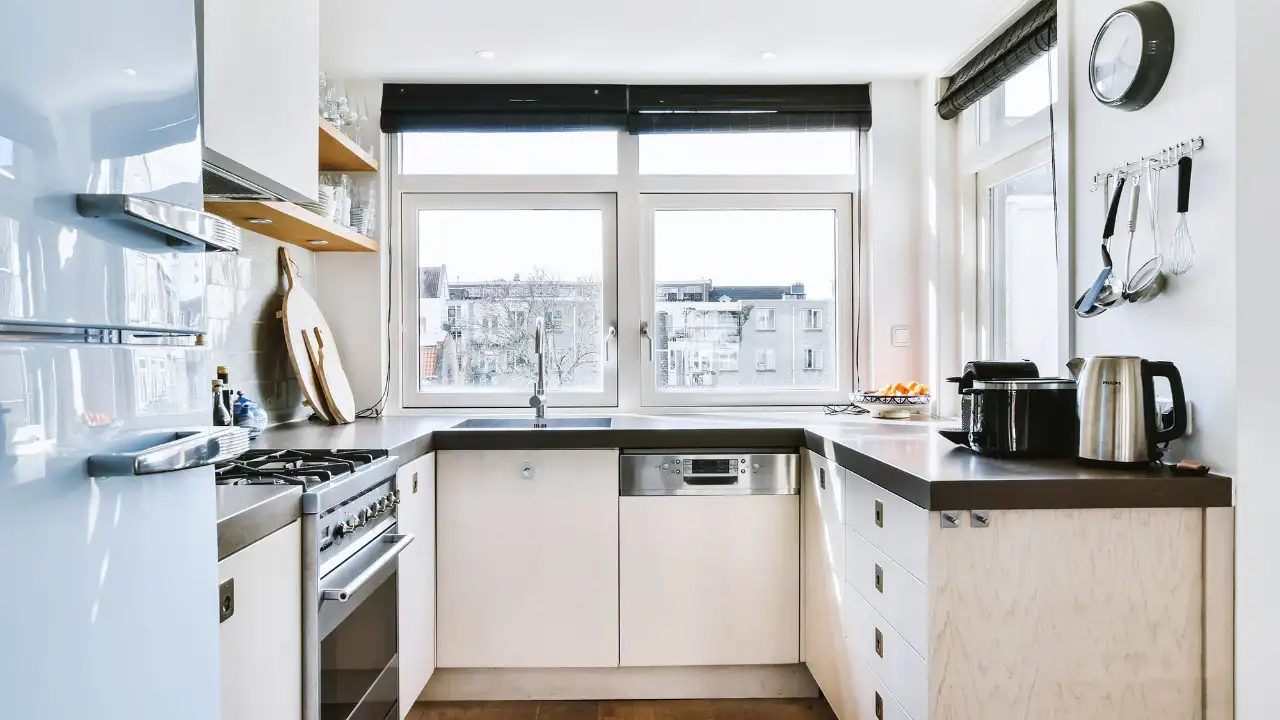
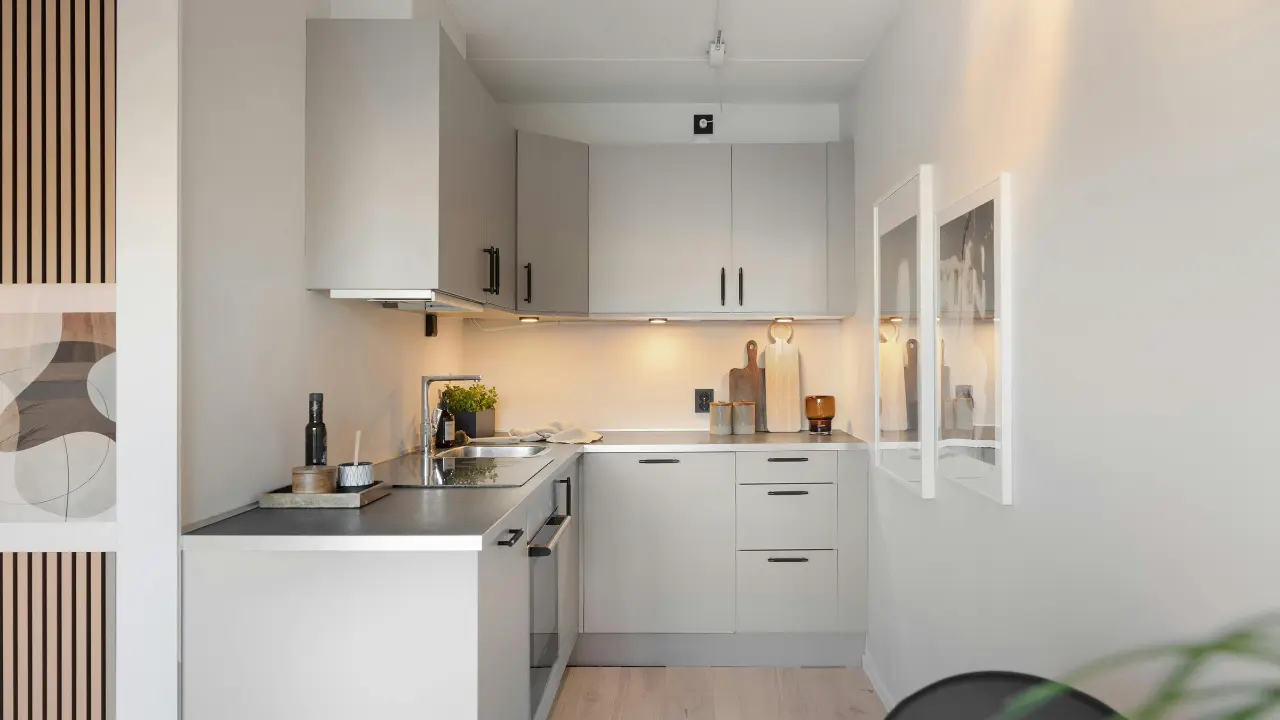
A luxury kitchen in 2026 is not simply a room filled with expensive materials. The strongest designs combine quality, functionality, craftsmanship, thoughtful proportions, and personal style.
That distinction matters because a high-end kitchen can look impressive while still being inconvenient to use. An oversized island may dominate the room but restrict circulation. Dramatic stone may create a beautiful focal point but require more maintenance. Smart appliances may offer useful features, but technology is only valuable when it fits the way you actually cook.
The most successful luxury kitchen trends 2026 are therefore less about adding more and more about choosing better. Natural stone, warm wood, custom cabinetry, concealed storage, integrated appliances, layered lighting, sophisticated colors, and personalized work zones can create a kitchen that feels refined without becoming visually excessive.
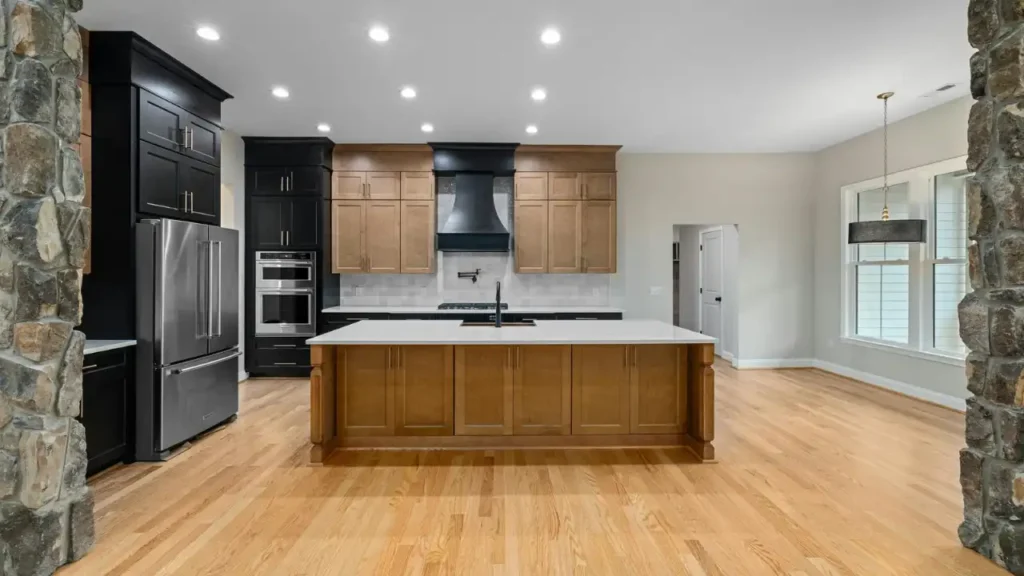
Whether you are planning a complete luxury kitchen remodel or simply looking for a few high-end updates, the ideas below can help you decide what is worth considering, where each trend works best, and what trade-offs to think about before committing.
What Defines a Luxury Kitchen in 2026?
Before choosing individual trends, it helps to understand what actually makes a kitchen feel luxurious.
Luxury is not a single material, color, appliance brand, or architectural style. It is the result of several elements working together.
High-Quality Materials
Natural stone, quality wood, carefully finished cabinetry, durable countertops, refined metalwork, and well-made fixtures can all contribute to a premium appearance.
However, material quality should be considered alongside maintenance and everyday use. A material that looks beautiful but does not suit your cooking habits may become frustrating over time.
Thoughtful Functionality
A luxury kitchen should make everyday tasks easier.
That can mean:
- Deep drawers for cookware
- Pull-out pantry storage
- Dedicated prep areas
- Integrated appliances
- Efficient work zones
- Convenient lighting
- Well-planned countertop space
- Storage designed around the household’s routines
The goal is not simply to have more features. It is to make the features work together.
Craftsmanship
Custom dimensions, carefully aligned cabinetry, precise installation, consistent material transitions, and quality hardware can have a significant effect on the finished appearance.
In a high-end kitchen, small details are often noticeable because the design is relatively restrained.
Visual Restraint
Luxury does not necessarily mean more decoration.
A sophisticated kitchen may use only a few major materials but give each one enough space to be appreciated. A dramatic stone island, for example, may work better when the surrounding cabinetry and backsplash are visually calm.
25 Luxury Kitchen Trends 2026 Worth Considering
1. Natural Stone as a Luxury Statement
Natural stone remains a powerful way to introduce character and visual depth into a luxury kitchen.
Popular possibilities include:
- Marble
- Quartzite
- Granite
- Limestone
- Dramatic natural stone slabs
- Veined stone islands
- Full-height stone backsplashes
A large slab can become the visual centerpiece of an island or backsplash, particularly when its veining is carefully coordinated during fabrication.
Marble can offer a classic, expressive appearance, while quartzite and granite can provide different combinations of color, pattern, and performance characteristics.
The important consideration is maintenance.
Before choosing natural stone, think about:
- Sealing requirements
- Stain resistance
- Scratching
- Heat exposure
- Cleaning products
- Edge details
- Long-term care
The most visually dramatic material is not automatically the most suitable material for every household.
Design tip: If you choose highly expressive stone, consider keeping cabinetry and hardware comparatively restrained so the stone remains the focal point.
2. Full-Height Stone Backsplashes
Traditional backsplash tile is increasingly being replaced in some luxury kitchens by larger slabs or large-format surfaces that extend from the countertop toward the upper cabinetry or ceiling.
This creates a continuous visual plane with fewer grout lines.
Possible materials include:
- Marble
- Quartzite
- Porcelain
- Granite
- Large-format ceramic surfaces
- Stone-look slabs
A full-height backsplash can make a kitchen feel more architectural because the material becomes part of the room rather than simply a narrow strip behind the counter.
The key is coordination.
If the stone has strong movement, pair it with cabinetry that does not compete for attention. If the cabinets already have a prominent color or wood grain, a quieter backsplash may create better balance.
3. Warm Wood Luxury Kitchens
Luxury kitchens are not limited to glossy white cabinetry or dark traditional wood.
Warm natural wood can create a more relaxed and residential interpretation of high-end design.
Popular directions include:
- White oak
- Natural oak
- Walnut
- Rift-sawn oak
- Wood veneer
- Wood islands
- Full-height wood cabinetry
- Wood accent walls
Wood works particularly well alongside stone because the materials create a natural contrast.
For example, a warm oak kitchen can be paired with a softly veined stone countertop, brushed metal hardware, and warm neutral walls.
You do not necessarily need an entirely wood kitchen. A wood island, pantry wall, or group of tall cabinets can provide enough warmth to change the character of the room.
4. Custom and Built-In Cabinetry
Custom cabinetry is one of the most practical luxury upgrades because it can be designed around the actual architecture of the room.
Instead of forcing standard cabinet dimensions into every corner, custom cabinetry can accommodate:
- Unusual wall dimensions
- Tall ceilings
- Deep drawers
- Specialty storage
- Integrated appliances
- Appliance garages
- Hidden drawers
- Pull-out systems
- Built-in pantry storage
- Dedicated cooking equipment
Floor-to-ceiling cabinetry can also reduce unused vertical space while creating a more architectural appearance.
The real value of custom cabinetry is not simply that it looks expensive. It is that the storage can be designed around how the kitchen is actually used.
5. Warm Neutral Luxury Kitchens
Warm whites, creams, ivory, beige, taupe, and soft greige are useful foundations for sophisticated kitchens.
These colors can work particularly well with:
- Natural stone
- Oak
- Walnut
- Brass
- Bronze
- Soft black accents
- Warm lighting
Warm neutrals can also provide flexibility. Instead of creating a kitchen around one dramatic color, you can allow the stone, wood grain, hardware, and lighting to provide the visual interest.
When selecting a neutral cabinet color, test samples in the actual room.
A color can look different depending on:
- Natural daylight
- Artificial lighting
- Flooring
- Countertops
- Nearby wall colors
- Window orientation
6. Deep Green and Earth-Inspired Kitchens
Green continues to provide an alternative to conventional white or gray cabinetry.
Luxury kitchens can use shades such as:
- Forest green
- Olive
- Moss
- Deep sage
- Muted earthy green
These colors can work especially well with natural materials.
Consider combining deep green cabinetry with:
- Warm wood
- Cream stone
- Brass
- Bronze
- Natural textures
- Soft white walls
Darker cabinetry needs careful lighting consideration. A deep color may look elegant in a bright kitchen but considerably heavier in a room with limited natural light.
The goal is not to make every kitchen dark. It is to use richer colors where the architecture and lighting can support them.
7. Statement Luxury Kitchen Islands
A large kitchen island can serve as both a work surface and a major architectural feature.
Luxury island designs may include:
- Waterfall edges
- Large stone slabs
- Contrasting cabinetry
- Integrated sinks
- Prep sinks
- Seating
- Deep storage
- Charging drawers
- Appliance integration
- Dedicated preparation zones
However, island size should be determined by the room rather than by trend.
Before increasing island dimensions, consider:
- Walking clearance
- Cabinet door swings
- Dishwasher access
- Refrigerator access
- Seating clearance
- Cooking workflow
- Passage between major work zones
An island that is too large can reduce functionality rather than improve it.
8. Waterfall Countertop Edges
A waterfall countertop continues vertically down the side of an island, creating a continuous material surface.
This approach can be particularly striking with:
- Quartz
- Quartzite
- Marble
- Granite
- Porcelain
The effect is architectural because the countertop becomes part of the island’s outer structure.
However, waterfall edges can require more material and more precise fabrication.
Consider:
- Slab dimensions
- Vein matching
- Seam locations
- Edge fabrication
- Material availability
- Installation complexity
A waterfall edge works especially well when the island is intended to be a major visual feature.
9. Integrated and Panel-Ready Appliances
Integrated appliances can help create a cleaner cabinetry wall.
Examples include:
- Panel-ready refrigerators
- Integrated dishwashers
- Built-in ovens
- Concealed microwaves
- Integrated coffee systems
The advantage is primarily visual continuity.
Instead of a collection of stainless-steel appliances breaking up the cabinetry, some appliances can visually disappear into the surrounding design.
This approach can be particularly effective in modern and contemporary kitchens where uninterrupted surfaces are important.
However, appliance selection should happen before cabinetry is finalized. Dimensions, ventilation, electrical requirements, door clearances, and service access all need to be considered.
10. Professional-Style Appliances
Professional-style appliances can be appropriate for households that genuinely cook frequently or need specialized cooking equipment.
Potential features include:
- Large ranges
- Induction cooktops
- Built-in ovens
- Steam ovens
- Warming drawers
- High-performance ventilation
- Multiple cooking zones
But a luxury kitchen does not need every available appliance.
A household that rarely cooks may gain more from better storage, lighting, or countertop space than from a large professional range.
Before buying high-end appliances, consider:
- Cooking frequency
- Cooking style
- Available space
- Cleaning requirements
- Energy use
- Service availability
- Replacement parts
- Installation requirements
Luxury should improve the way the kitchen works rather than simply increase the price of the appliance package.
11. Hidden Kitchen Appliances
Concealed appliance storage is another important direction in refined kitchen design.
Common solutions include:
- Appliance garages
- Pocket doors
- Lift-up cabinet doors
- Hidden coffee stations
- Mixer storage
- Toaster cabinets
- Dedicated small-appliance drawers
The benefit is straightforward: frequently used equipment can remain accessible without permanently occupying valuable countertop space.
This approach works especially well in kitchens where visual simplicity is a major part of the design.
A hidden appliance zone can also be designed with an internal electrical outlet, allowing small appliances to remain connected while the cabinet doors stay closed when the area is not being used.
12. Butler’s Pantries and Hidden Prep Kitchens
For larger homes, a secondary prep space can dramatically change how the main kitchen functions.
A butler’s pantry or hidden prep kitchen may provide space for:
- Food preparation
- Small appliances
- Pantry goods
- Beverage preparation
- Extra refrigeration
- Entertaining supplies
- Messier cooking tasks
The advantage is that the main kitchen can remain visually calm when guests are present.
However, a secondary kitchen requires meaningful space, infrastructure, ventilation, plumbing, and electrical planning.
It should not be added simply because it sounds luxurious.
Ask whether the household actually needs a separate preparation area and whether the available square footage justifies the trade-off.
13. Luxury Kitchen Lighting With Multiple Layers
Lighting can dramatically change how a luxury kitchen looks and functions.
A useful lighting plan typically considers several layers.
Ambient Lighting
This provides general illumination throughout the room.
Examples include:
- Recessed fixtures
- Ceiling fixtures
- Architectural lighting
Task Lighting
Task lighting illuminates work areas.
Examples include:
- Under-cabinet lighting
- Countertop lighting
- Cooking-area lighting
- Sink lighting
Accent Lighting
Accent lighting highlights architectural or decorative elements.
It can illuminate:
- Display cabinets
- Shelves
- Artwork
- Stone surfaces
- Architectural details
Decorative Lighting
Decorative fixtures can provide a visual focal point.
Examples include:
- Pendants
- Chandeliers
- Sculptural fixtures
- Wall sconces
The strongest luxury kitchens do not rely on one type of lighting. They create different levels of illumination that can be adjusted according to the time of day and activity.
14. Sculptural Pendant Lights
A kitchen island offers an opportunity to introduce a distinctive lighting fixture.
Options include:
- Oversized pendants
- Sculptural glass
- Organic shapes
- Metal fixtures
- Linear fixtures
- Decorative clusters
Scale is critical.
A dramatic fixture should relate to:
- Island length
- Ceiling height
- Room dimensions
- Sight lines
- Nearby furniture
A very large pendant may look impressive in a showroom but become visually overwhelming in a smaller kitchen.
Choose lighting that contributes to the overall composition rather than competing with the island or stone.
15. Mixed Metal Finishes
Using more than one metal finish can give a luxury kitchen greater depth.
Possible combinations include:
- Brass and stainless steel
- Bronze and brass
- Black and brass
- Chrome and warm metals
- Brushed metal with darker accents
The key is repetition.
Instead of randomly introducing several finishes, repeat each important metal in multiple locations.
For example, a brass faucet could relate to cabinet hardware and pendant details.
Meanwhile, stainless steel appliances can remain a separate functional material without requiring every element in the room to match it.
16. Minimal Hardware and Refined Cabinet Details
Cabinet hardware may be small, but it has a significant effect on the character of a kitchen.
Luxury cabinetry can feature:
- Integrated pulls
- J-pulls
- Long linear handles
- Slim knobs
- Knurled details
- Minimal hardware
- Flush cabinet profiles
The right choice depends on the cabinet style.
A modern kitchen may benefit from long, simple hardware, while a transitional kitchen may work better with more traditional proportions.
Hardware should also be evaluated ergonomically. A beautiful handle that is uncomfortable to use is not an improvement.
17. Large-Format Tile and Slab Backsplashes
Large-format surfaces can reduce visual interruption and give a kitchen a more architectural appearance.
Possible applications include:
- Porcelain panels
- Large-format tile
- Stone slabs
- Marble
- Quartzite
- Stone-look porcelain
Fewer grout lines can create a cleaner visual field, particularly behind a large range or island.
However, installation can be more demanding with very large panels.
Before choosing this approach, confirm:
- Material availability
- Panel dimensions
- Access to the kitchen
- Wall preparation
- Installer experience
- Seam placement
- Edge finishing
The final appearance depends heavily on installation quality.
18. Hidden and Integrated Storage
A luxury kitchen should have enough storage to keep daily life organized without making every cabinet look like a storage system.
Useful solutions include:
- Deep drawers
- Pull-out pantry systems
- Corner storage
- Built-in spice storage
- Tray dividers
- Drawer organizers
- Appliance cabinets
- Vertical storage
- Custom inserts
- Dedicated cookware drawers
Good storage is not simply about adding more cabinets.
The better question is:
Can you easily find and access what you use every day?
For example, a deep drawer may be more useful for cookware than a conventional lower cabinet with a narrow door.
19. Dedicated Beverage and Coffee Stations
A dedicated coffee or beverage area can separate morning routines from the main cooking zone.
Features may include:
- Built-in coffee makers
- Espresso machines
- Beverage refrigerators
- Mug drawers
- Tea storage
- Hidden counters
- Dedicated water access
A coffee station can be especially useful in households where several people use the kitchen at the same time.
Instead of placing the coffee machine permanently on the main preparation counter, it can be integrated into cabinetry and concealed behind doors when desired.
For additional inspiration, explore your site’s built-in coffee bar ideas content.
20. Sophisticated Two-Tone Cabinetry
Two-tone cabinetry can create visual hierarchy without requiring multiple competing materials.
Combinations might include:
- Cream and walnut
- White and oak
- Green and natural wood
- Beige and dark wood
- Light cabinetry with a darker island
One finish can define the main cabinetry while another emphasizes a specific architectural element.
For example, natural wood on the island can make it feel like a furniture piece, while warm painted cabinets establish a quieter backdrop.
Keep the number of finishes controlled. The more materials you introduce, the more important visual balance becomes.
21. Indoor-Outdoor Kitchen Connections
In homes designed for indoor-outdoor living, the kitchen can become visually connected to an outdoor entertaining area.
Architectural features may include:
- Large windows
- Sliding glass doors
- Wide openings
- Outdoor serving areas
- Matching or complementary materials
- Exterior dining zones
This trend depends heavily on the architecture and climate of the property.
The goal is not necessarily to make indoor and outdoor kitchens identical. Instead, related materials, colors, and sight lines can make the two areas feel connected.
22. Smart Kitchen Technology
Technology can contribute to luxury when it solves real problems.
Useful options include:
- Smart ovens
- Connected appliances
- Induction cooking
- Touchless faucets
- Smart lighting
- Appliance monitoring
- Integrated charging
- Connected ventilation controls
The important question is not whether a product is labeled “smart.”
Ask whether the technology:
- Saves time
- Improves control
- Makes cooking easier
- Reduces unnecessary steps
- Improves accessibility
- Integrates reliably with the rest of the kitchen
A simple feature that gets used every day can be more valuable than an impressive feature that rarely gets touched.
23. Sustainable Luxury Kitchen Materials
Luxury and sustainability do not have to be opposites.
A high-end kitchen can prioritize:
- Long-lasting cabinetry
- FSC-certified wood where appropriate
- Reclaimed wood
- Durable materials
- Repairable components
- Energy-efficient appliances
- Reduced material waste
- Quality installation
- Timeless design
Longevity itself can be part of luxury.
Instead of designing a kitchen around features that may quickly feel dated, consider whether the materials and layout can remain useful for many years.
This can also reduce the need for unnecessary replacement.
24. Personalized Luxury Kitchen Design
A truly high-end kitchen should reflect the people who use it.
Instead of copying a showroom, consider creating spaces around actual routines.
Examples include:
- Baking stations
- Dedicated prep zones
- Family snack drawers
- Beverage stations
- Wine storage
- Cookbook displays
- Specialized cookware storage
- Display cabinets
- Custom charging areas
- Personalized pantry systems
A serious cook may prioritize preparation space and ventilation.
A household that entertains frequently may prioritize seating, beverage storage, and multiple serving areas.
A family may need easily accessible everyday storage.
Personalization is what transforms a visually impressive kitchen into a genuinely useful one.
25. Timeless Luxury With Trend-Driven Details
One of the most practical approaches to luxury kitchen design is to divide decisions into two groups: permanent and changeable.
Use Timeless Choices for:
- Cabinet layout
- Major cabinetry
- Countertops
- Flooring
- Plumbing infrastructure
- Electrical planning
- Major appliances
Use Trends for:
- Hardware
- Paint
- Decorative lighting
- Bar stools
- Artwork
- Accessories
- Small decorative details
This strategy allows the kitchen to feel current without requiring another major renovation every time design preferences change.
Luxury Kitchen Trends 2026 by Material
Materials play a major role in how a luxury kitchen feels, but each material comes with different practical considerations.
Marble
Marble provides distinctive veining and a classic natural-stone appearance.
It can work beautifully for:
- Islands
- Backsplashes
- Countertops
- Feature walls
Its natural variation is part of its appeal, but maintenance and surface care should be considered before installation.
Quartzite
Quartzite offers the appearance of natural stone and can provide a strong option for dramatic countertops and islands.
Because natural stones vary, review actual slabs before making a final selection rather than relying only on a small sample.
Quartz
Quartz offers a broad range of colors and patterns with a more consistent appearance than many natural stones.
It can be useful when a homeowner wants a controlled design without the variation found in natural slabs.
Care requirements and heat considerations vary by product, so follow the manufacturer’s guidance.
Natural Wood
Natural wood brings warmth and texture to luxury kitchens.
Popular options include:
- Oak
- Walnut
- Ash
- Rift-sawn wood
The finish matters as much as the species because it influences color, sheen, maintenance, and how the wood interacts with the rest of the room.
Porcelain
Porcelain can imitate the appearance of stone and is available in large formats suitable for countertops and wall applications.
It can also provide design flexibility where a large continuous surface is desired.
Installation and edge fabrication should be discussed with an experienced professional.
Metal
Metal is often best used as an accent rather than the dominant material.
Options include:
- Brass
- Bronze
- Stainless steel
- Blackened metal
The finish can dramatically change the character of the kitchen, from warm and traditional to sleek and architectural.
Luxury Kitchen Material Comparison
| Material | Visual Character | Maintenance | Potential Uses |
|---|---|---|---|
| Marble | Veined and distinctive | Higher care may be required | Islands, counters, backsplashes |
| Quartzite | Natural and dramatic | Varies by stone and finish | Islands and countertops |
| Quartz | Consistent and versatile | Generally straightforward | Counters and backsplashes |
| Natural wood | Warm and organic | Depends on finish and use | Cabinetry and islands |
| Porcelain | Versatile and stone-like | Varies by product | Counters and walls |
| Metal | Refined and architectural | Depends on finish | Hardware and accents |
There is no universally correct luxury material. The right choice depends on appearance, maintenance, budget, availability, installation, and how the kitchen will be used.
Luxury Kitchen Cabinet Trends 2026
Cabinetry often provides the visual foundation of a luxury kitchen.
Current design directions include:
- Custom cabinetry
- Floor-to-ceiling storage
- Natural wood
- Warm painted finishes
- Slab doors
- Refined Shaker doors
- Integrated handles
- Hidden storage
- Glass-front display cabinets
- Appliance garages
- Custom drawer interiors
If existing cabinets are structurally sound, replacing the entire kitchen may not always be necessary.
Depending on their condition, consider:
- Repainting
- Refinishing
- Replacing cabinet doors
- Updating hardware
- Adding drawer organizers
- Installing pull-outs
- Improving interior storage
A well-planned update can sometimes change the character of a kitchen without requiring every cabinet box to be removed.
Luxury Kitchen Color Trends 2026
Color selection should consider the entire room rather than isolated cabinet samples.
Warm White
Warm white can provide a clean foundation without the colder appearance associated with some stark whites.
Cream and Ivory
Cream and ivory can create a softer backdrop for stone and wood.
Beige and Taupe
These colors work particularly well in warm, organic luxury kitchens.
Greige
Greige can bridge gray and beige while adapting to different surrounding materials.
Sage and Olive Green
Muted greens introduce color without necessarily creating an extremely bold statement.
Deep Green
Deep green can create a dramatic atmosphere when balanced with sufficient light and warmer materials.
Natural Wood
Wood provides color and texture simultaneously, making it useful in kitchens where painted cabinetry might otherwise feel too flat.
Charcoal and Dark Accents
Dark colors can be effective as accents on islands, hardware, fixtures, or selected cabinetry.
When selecting a color, evaluate it alongside:
- Natural light
- Artificial lighting
- Flooring
- Countertops
- Backsplash
- Ceiling height
- Adjacent rooms
Luxury Kitchen Island Trends 2026
Kitchen islands continue to serve multiple purposes in high-end kitchens.
Modern luxury islands may combine:
- Food preparation
- Seating
- Storage
- Cooking
- Cleaning
- Charging
- Entertaining
Popular features include:
- Waterfall countertops
- Contrasting finishes
- Integrated sinks
- Prep sinks
- Deep drawers
- Appliance integration
- Charging drawers
- Multi-level surfaces
However, the island should be planned around circulation.
Before finalizing dimensions, check:
- Walkway clearance
- Appliance door swings
- Cabinet access
- Seating space
- Dishwasher access
- Refrigerator access
- Main cooking paths
An island is successful when it improves the workflow rather than simply filling the center of the room.
Luxury Kitchen Lighting Trends 2026
A sophisticated kitchen should work in different lighting conditions.
Ambient Lighting
Provides general room illumination.
Task Lighting
Supports cooking, chopping, cleaning, and other detailed activities.
Accent Lighting
Highlights architectural or decorative features.
Useful lighting options include:
- Pendant lights
- Chandeliers
- Under-cabinet LEDs
- Cabinet interior lighting
- Toe-kick lighting
- Wall sconces
- Recessed fixtures
- Dimmable lighting
Layering gives you more control than relying on one central ceiling fixture.
For example, bright task lighting may be appropriate during food preparation, while lower accent lighting can create a calmer atmosphere during dinner.
Luxury Kitchen Appliance Trends 2026
High-end appliances can include:
- Induction cooktops
- Professional ranges
- Built-in ovens
- Steam ovens
- Warming drawers
- Integrated refrigerators
- Wine storage
- Beverage refrigerators
- Smart appliances
- High-performance ventilation
The right appliance package depends on the household.
Before purchasing, consider:
- How often you cook.
- What types of meals you prepare.
- How many people regularly use the kitchen.
- Available cabinet and floor space.
- Electrical requirements.
- Ventilation requirements.
- Cleaning and maintenance.
- Warranty and service availability.
- Replacement and repair considerations.
A luxury kitchen does not become more functional simply because every appliance is the largest or most expensive available.
Luxury Kitchen Trends for Different Design Styles
Modern Luxury Kitchen
Modern luxury often combines:
- Flat-panel cabinetry
- Large stone surfaces
- Integrated appliances
- Minimal hardware
- Architectural lighting
- Clean lines
The overall effect depends heavily on proportion and material quality.
Transitional Luxury Kitchen
Transitional kitchens can combine:
- Shaker cabinetry
- Natural stone
- Warm metals
- Traditional proportions
- Modern appliances
This approach can provide a bridge between classic and contemporary design.
Organic Modern Luxury Kitchen
Organic modern kitchens often emphasize:
- Natural wood
- Stone
- Earth tones
- Organic textures
- Soft lighting
- Simple forms
The style can feel luxurious without relying on highly decorative elements.
Contemporary Luxury Kitchen
Contemporary kitchens may emphasize:
- Minimal lines
- Large-format surfaces
- Integrated technology
- Sculptural lighting
- Refined materials
- Controlled color palettes
Japandi-Inspired Luxury Kitchen
Japandi-inspired spaces typically emphasize:
- Natural wood
- Warm neutrals
- Functional storage
- Minimal decoration
- Natural textures
- Calm visual composition
The goal is not to reproduce a particular showroom. It is to use the underlying principles of simplicity, function, warmth, and restraint.
Luxury Kitchen Trends for Large vs. Small Kitchens
Luxury does not depend entirely on square footage.
Large Kitchens
Larger rooms can accommodate:
- Large islands
- Multiple work zones
- Butler’s pantries
- Double ovens
- Beverage stations
- Extensive cabinetry
- Separate dining or entertaining zones
But a large kitchen can still feel poorly designed if circulation and proportions are ignored.
Small Kitchens
Smaller kitchens can create a luxurious atmosphere through:
- Premium countertops
- Integrated appliances
- Custom storage
- Statement backsplashes
- Layered lighting
- Refined hardware
- High-quality cabinetry
In a compact kitchen, fewer carefully selected materials may actually create a more sophisticated result than trying to include every luxury feature.
For more compact-space inspiration, explore small kitchen trends for 2026.
Luxury Kitchen Trends That Are Worth the Investment
Instead of thinking only in terms of price, consider how a feature performs over time.
| Feature | Visual Impact | Functional Value | Planning Priority |
|---|---|---|---|
| Custom cabinetry | High | High | High |
| Quality countertop | High | High | High |
| Layered lighting | High | High | High |
| Integrated storage | Medium | High | High |
| Statement hardware | Medium | Medium | Medium |
| Decorative lighting | High | Medium | Medium |
| Smart appliances | Medium | Depends on use | Medium |
| Decorative accessories | Low–Medium | Low | Low |
This is not a universal ranking. The right priority depends on the kitchen and household.
For one homeowner, custom storage may be the biggest improvement. For another, better lighting or a new countertop may have a greater impact.
Luxury Kitchen Trends vs. Timeless Kitchen Design
Not every trend deserves to become a permanent feature.
Trends That Are Easier to Change
Consider experimenting with:
- Paint
- Hardware
- Pendant lights
- Bar stools
- Artwork
- Accessories
- Small decorative elements
Features That Require More Planning
Think carefully before changing:
- Layout
- Cabinetry
- Flooring
- Countertops
- Plumbing
- Electrical work
- Ventilation
- Built-in appliances
The more difficult a feature is to replace, the more important it is to evaluate its long-term suitability.
How to Create a Luxury Kitchen Without Making It Look Overdone
A sophisticated kitchen does not need every premium feature at once.
Use these principles to maintain visual balance.
1. Limit the Number of Major Materials
Too many competing surfaces can make even an expensive kitchen look chaotic.
2. Choose One Primary Focal Point
This might be:
- A stone island
- A dramatic backsplash
- A sculptural light
- A distinctive range wall
3. Repeat Metal Finishes Intentionally
If you choose brass, use it in several related locations rather than introducing unrelated metals everywhere.
4. Use Lighting to Highlight Architecture
Good lighting can make cabinetry, stone, and textures more noticeable without adding more decoration.
5. Keep Countertops Visually Controlled
Even a beautiful kitchen can look cluttered when small appliances cover every available surface.
6. Choose Appropriate Furniture Scale
Bar stools, dining furniture, and decorative pieces should relate to the size of the kitchen.
7. Balance Dramatic Stone With Restrained Cabinetry
If the stone has strong movement, let it remain the star.
8. Avoid Excessive Patterns
One or two strong patterns are often easier to coordinate than several competing ones.
9. Prioritize Craftsmanship
A simple design installed carefully can look more refined than an elaborate design with poor execution.
10. Leave Visual Breathing Room
Not every wall, shelf, and surface needs to be filled.
Luxury Kitchen Ideas on Different Budgets
Luxury does not have to mean rebuilding the entire kitchen.
Use broad planning categories rather than treating the following as fixed market prices.
| Budget Level | Possible Focus |
|---|---|
| Lower luxury refresh | Hardware, lighting, paint, accessories |
| Mid-range upgrade | Cabinet refinishing, backsplash, fixtures, selected appliances |
| Major renovation | Cabinetry, countertops, flooring, lighting, appliances |
| High-end custom project | Custom cabinetry, premium stone, integrated appliances, specialized zones |
Actual costs vary significantly according to location, labor, materials, kitchen size, structural conditions, product selection, and installation complexity.
The best starting point is usually to identify what currently prevents the kitchen from working well.
How to Plan a Luxury Kitchen Remodel
A successful renovation begins before demolition.
Step 1 — Measure the Existing Kitchen
Record:
- Wall dimensions
- Ceiling height
- Windows
- Doors
- Appliance openings
- Cabinet dimensions
- Plumbing locations
- Electrical locations
- Ventilation routes
Also photograph the existing space from multiple angles.
Step 2 — Identify the Problems
Ask:
- What does not work?
- Where is storage missing?
- Which areas feel cramped?
- Is the lighting inadequate?
- Are appliances poorly positioned?
- Is the countertop too small?
- Does the current layout interrupt workflow?
Step 3 — Establish the Layout
Determine:
- Work zones
- Island location
- Appliance placement
- Storage locations
- Main circulation paths
- Seating areas
Do not finalize cabinet colors or hardware before the basic layout works.
Step 4 — Select Permanent Materials
Choose major elements such as:
- Cabinetry
- Countertops
- Flooring
- Major appliances
These decisions have a larger effect on the overall design and are generally harder to change later.
Step 5 — Build the Lighting Plan
Plan ambient, task, accent, and decorative lighting together.
Consider how the room will be used during:
- Morning
- Daytime
- Evening
- Entertaining
Step 6 — Add Hardware and Decorative Details
Once the major materials are established, select:
- Faucets
- Cabinet hardware
- Pendant lights
- Bar stools
- Artwork
- Accessories
Step 7 — Review the Entire Palette
Before placing final orders, review physical samples together whenever possible.
Check:
- Cabinet color
- Stone
- Backsplash
- Flooring
- Hardware
- Lighting finishes
- Wall colors
A material that looks excellent alone may not work as well when surrounded by the other finishes.
Common Luxury Kitchen Design Mistakes to Avoid
Even an expensive renovation can fail when planning focuses too heavily on appearance.
Choosing Expensive Materials Without Considering Maintenance
A premium material still needs to fit your lifestyle.
Oversizing the Island
More countertop space is not useful if it prevents comfortable movement.
Installing Too Many Competing Materials
Luxury often benefits from restraint.
Ignoring Ventilation
High-performance cooking equipment needs an appropriate ventilation strategy.
Under-Planning Storage
Beautiful cabinetry becomes less useful when everyday items have nowhere convenient to go.
Choosing Appliances Before Confirming Dimensions
Appliances influence cabinetry, electrical requirements, ventilation, and circulation.
Using Too Many Metal Finishes
Mixed metals can work, but random combinations can look unintentional.
Overusing Open Shelving
Open shelves are attractive but require organization and regular cleaning.
Installing Decorative Lighting Without Task Lighting
A beautiful pendant does not replace useful illumination over work surfaces.
Prioritizing Appearance Over Workflow
The kitchen should function well when nobody is taking photographs.
Ignoring Appliance Servicing
Built-in appliances still need practical access for maintenance and repair.
Following Trends Too Literally
A trend should be adapted to the architecture and household rather than copied without modification.
Spending Heavily on Finishes While Neglecting Installation
Material quality cannot compensate for poor workmanship.
Forgetting Future Maintenance
Ask how each surface will look and function after years of regular use, not only on installation day.
DIY vs. Professional Luxury Kitchen Projects
Some improvements are relatively accessible, while others involve specialized installation.
| Project | DIY Potential | Professional Consideration |
|---|---|---|
| Cabinet hardware | High | Usually unnecessary |
| Painting | Medium–High | Optional |
| Shelf styling | High | Usually unnecessary |
| Decorative lighting selection | High | Installation may require professional work |
| Backsplash | Medium | Depends on material and complexity |
| Cabinet installation | Low–Medium | Professional recommended for custom work |
| Countertop installation | Low | Professional |
| Plumbing changes | Low | Professional |
| Electrical work | Low | Qualified professional where required |
| Structural changes | Low | Professional |
Design selection and installation are different tasks.
You may be comfortable choosing cabinet hardware, comparing stone samples, or planning storage, while still needing a qualified professional for electrical, plumbing, gas, structural, ventilation, or other regulated work.
Always follow applicable local requirements.
Frequently Asked Questions About Luxury Kitchen Trends 2026
What are the biggest luxury kitchen trends for 2026?
Major directions include natural stone, full-height backsplashes, warm wood cabinetry, custom storage, integrated appliances, layered lighting, sophisticated neutral and earthy colors, statement islands, concealed appliances, smart technology, and personalized work zones. The strongest designs combine these elements selectively rather than using every trend at once.
What colors are trending in luxury kitchens in 2026?
Warm white, cream, ivory, beige, taupe, greige, natural wood, sage, olive, deep green, and carefully used dark accents are useful directions for luxury kitchens. The right choice depends on natural light, room size, flooring, countertops, cabinetry, and adjacent spaces.
What makes a kitchen look luxurious?
Luxury generally comes from coordination rather than one expensive feature. High-quality materials, good proportions, thoughtful storage, craftsmanship, layered lighting, refined hardware, appropriate appliances, and a cohesive palette can all contribute to a sophisticated result.
Are natural stone countertops still popular for luxury kitchens?
Natural stone remains an important option for high-end kitchens because each slab can provide distinctive color and pattern. Marble, quartzite, granite, and other stones have different maintenance and performance characteristics, so selection should consider both appearance and everyday use.
What cabinets are popular in luxury kitchens?
Custom cabinetry, natural wood, warm painted finishes, slab doors, refined Shaker styles, integrated handles, floor-to-ceiling storage, hidden storage, and carefully designed drawer interiors are all suitable directions. Cabinet style should match the architecture and overall design language of the kitchen.
Are large kitchen islands still a luxury trend?
Large islands can be useful in sufficiently sized kitchens, particularly when they combine preparation, seating, storage, and entertaining functions. However, island dimensions should be based on circulation, cabinet access, appliance doors, and workflow rather than trend alone.
What lighting is best for a luxury kitchen?
A layered lighting plan is generally more useful than relying on one fixture. Ambient lighting illuminates the room, task lighting supports food preparation and cleaning, accent lighting highlights features, and decorative fixtures contribute to atmosphere and visual identity.
How can I make my kitchen look luxurious without a complete remodel?
Consider upgrading a few high-impact elements rather than rebuilding everything. Cabinet hardware, lighting, paint, selected fixtures, backsplash materials, countertop styling, organization, and carefully chosen accessories can change the appearance of a kitchen without a complete renovation.
What is the difference between luxury and modern kitchen design?
Modern describes a design language characterized by particular forms, materials, and visual principles. Luxury describes a level of refinement that can appear in modern, transitional, traditional, organic, contemporary, or other styles. A kitchen can therefore be modern without being luxurious, or luxurious without being strictly modern.
How do I create a timeless luxury kitchen?
Start with a functional layout, quality cabinetry, durable major surfaces, appropriate appliances, good lighting, and well-planned infrastructure. Use trends in easier-to-change areas such as hardware, paint, decorative lighting, furniture, and accessories.
Final Thoughts — Choosing the Right Luxury Kitchen Trends for 2026
The most compelling luxury kitchen trends 2026 are not simply about spending more money. They are about making more intentional decisions.
Natural stone can provide character. Warm wood can add depth. Custom cabinetry can improve storage. Integrated appliances can create visual continuity. Layered lighting can improve both atmosphere and functionality. A carefully designed island can become the center of everyday activity. Smart technology can make repetitive tasks easier when it genuinely fits the household.
But luxury does not require every feature.
The strongest kitchen designs usually begin with the fundamentals:
- Prioritize the layout.
- Plan storage around real routines.
- Choose materials based on lifestyle and maintenance.
- Use lighting strategically.
- Select appliances according to actual cooking habits.
- Give major architectural elements enough visual space.
- Combine timeless foundations with changeable trends.
- Personalize storage and work zones.
- Consider installation quality as carefully as material selection.
- Leave room for visual breathing space.
Ultimately, a luxury kitchen should feel considered rather than crowded with expensive features. When craftsmanship, materials, functionality, proportions, lighting, and personal preferences work together, the result can feel sophisticated today while remaining useful for years to come.