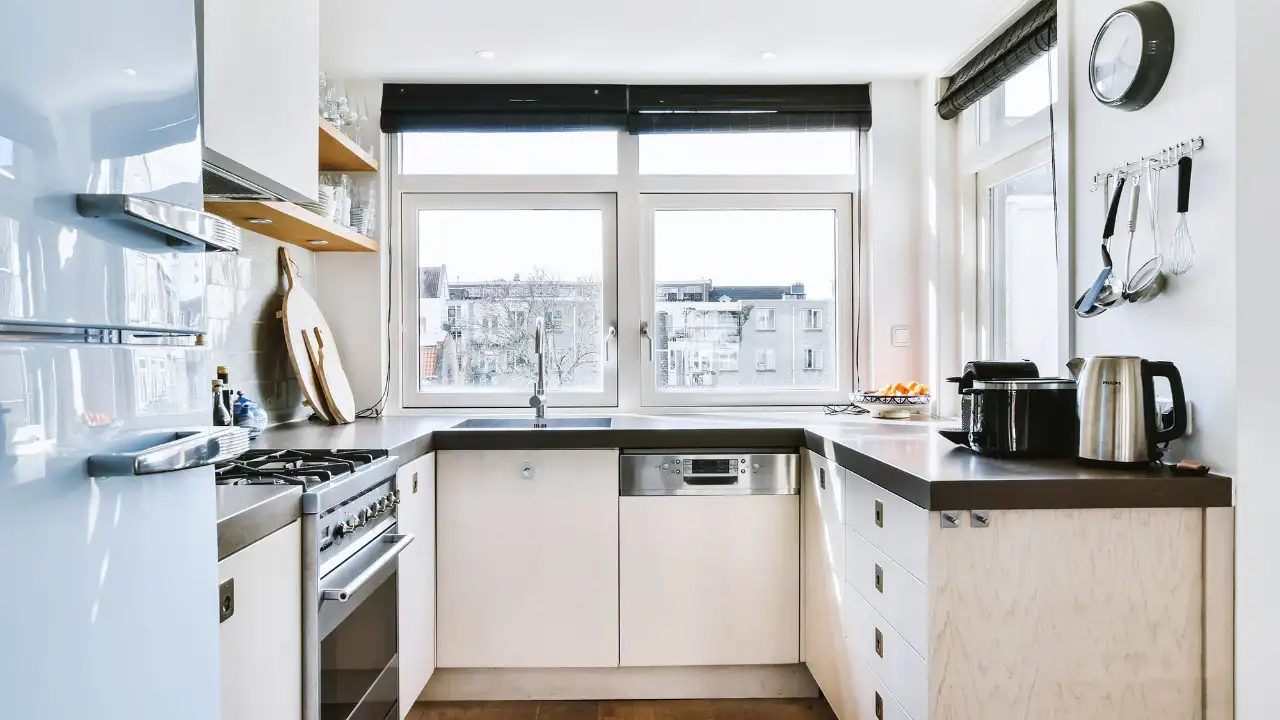
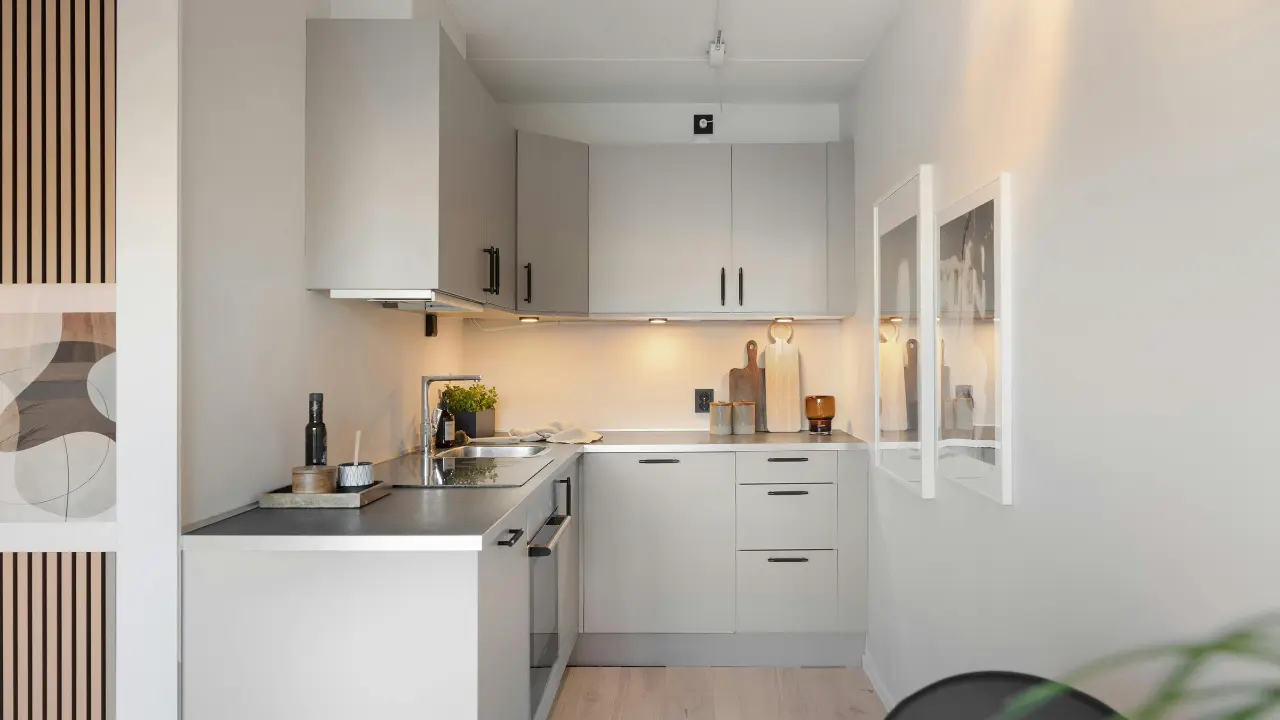
A kitchen makeover can completely change how a home looks and functions without requiring a full-scale renovation. In many cases, updating cabinets, lighting, hardware, colors, storage, or a backsplash can create a noticeable transformation while keeping the existing layout.
The best kitchen makeover ideas 2026 focus on more than appearance. Modern kitchen updates increasingly combine practical storage, comfortable workflow, durable materials, thoughtful lighting, and a warm, personalized design. Whether you have a compact apartment kitchen, a family-sized space, or a large open-plan kitchen, you can choose upgrades that match your needs and budget.
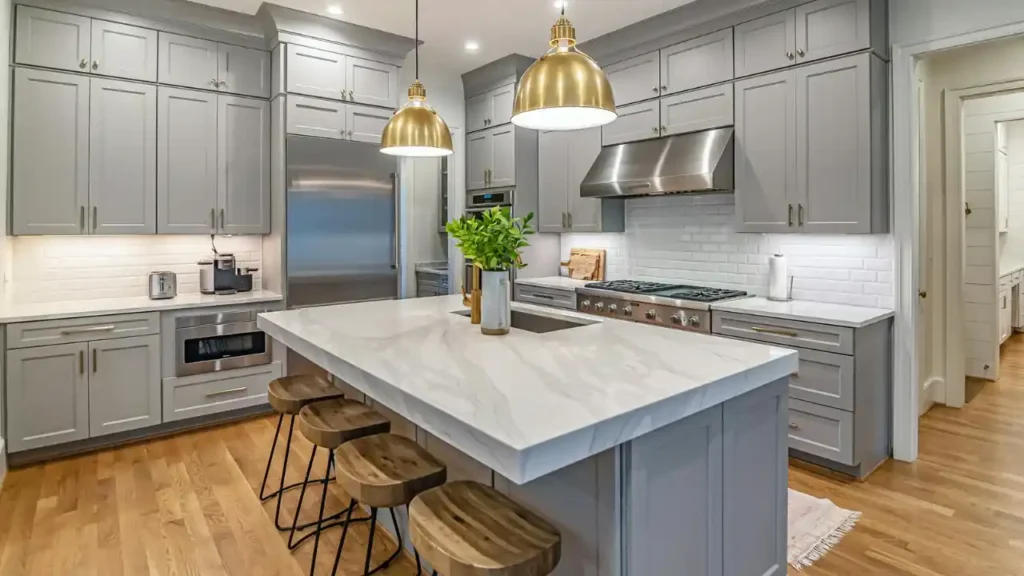
The key is to solve functional problems first and then add decorative details. A beautiful kitchen that lacks storage or has poor lighting can quickly become frustrating to use.
What Is a Kitchen Makeover?
A kitchen makeover is an update to an existing kitchen that improves its appearance, functionality, or both. Unlike a full remodel, a makeover does not necessarily require changing the layout, moving plumbing, or replacing every cabinet.
Kitchen Makeover
A makeover may include:
- Painting or refinishing cabinets
- Replacing cabinet hardware
- Updating lighting
- Installing a new backsplash
- Replacing a faucet
- Adding storage organizers
- Updating countertops
- Refreshing flooring
- Adding decorative elements
- Improving the kitchen island
These projects can often transform an existing kitchen without completely starting over.
Kitchen Renovation
A renovation usually involves more substantial improvements, such as:
- Replacing countertops
- Installing new flooring
- Replacing cabinets
- Updating plumbing
- Improving electrical systems
- Replacing appliances
- Changing selected finishes
Full Kitchen Remodel
A full remodel may involve changing the kitchen layout, moving plumbing or electrical services, replacing cabinetry, modifying walls, and installing new appliances and finishes.
How Do You Know Which One You Need?
Start by looking at the problems rather than the style.
If the layout works well but the kitchen looks dated, a cosmetic makeover may be enough. If storage is inadequate or the countertops are failing, a more substantial renovation may make sense. If the layout itself creates problems with movement, appliances, or work zones, a remodel may be more appropriate.
25 Best Kitchen Makeover Ideas for 2026
1. Refresh Kitchen Cabinets With Paint
Cabinets often occupy the largest visual area in a kitchen, so changing their finish can have an immediate impact.
Popular directions for 2026 include warm whites, soft beige, greige, muted green, deep green, natural wood, and other earthy finishes.
Before painting, inspect the cabinet material and condition. Clean the surfaces thoroughly, repair damage, lightly sand where appropriate, and use a primer and paint system designed for the cabinet material.
For a more durable result, pay attention to curing time rather than reinstalling doors immediately after they feel dry.
If the existing cabinet boxes are structurally sound, painting or refinishing them can be considerably less disruptive than replacing the entire kitchen.
2. Update Cabinet Hardware
New knobs and pulls are among the simplest ways to refresh a kitchen.
Consider:
- Bar pulls
- Round knobs
- Cup pulls
- Brushed metal
- Matte black
- Brass
- Stainless finishes
Before ordering new hardware, measure the existing hole spacing carefully. Cabinet pulls with two mounting points need the correct center-to-center measurement.
For a cohesive appearance, coordinate the cabinet hardware with the faucet and other visible metal finishes without feeling obligated to make every finish identical.
3. Add a Statement Kitchen Backsplash
A backsplash can provide color, texture, and visual interest without changing the entire kitchen.
Options include:
- Classic subway tile
- Handmade-look tile
- Large-format tile
- Natural stone
- Marble-look surfaces
- Patterned tile
- Full-height backsplash installations
A smaller kitchen may benefit from a backsplash that visually blends with the countertop or cabinetry, while a larger kitchen can accommodate a stronger pattern or contrasting material.
Consider cleaning requirements as well as appearance, especially behind the range and sink.
4. Upgrade the Kitchen Countertops
Countertops combine appearance with daily performance, so material selection should depend on how the kitchen is used.
Common choices include:
- Quartz
- Natural stone
- Porcelain
- Butcher block
- Laminate
Quartz can provide a consistent appearance and relatively straightforward maintenance. Natural stone offers unique patterns but may have specific care requirements. Butcher block brings warmth but requires appropriate maintenance. Laminate can be useful for budget-conscious updates.
Instead of choosing a countertop solely because it is fashionable, consider heat exposure, staining, scratching, cleaning, and the amount of daily use.
5. Layer Kitchen Lighting
Good lighting can make a kitchen feel more comfortable and can improve everyday tasks.
A useful lighting plan combines three layers:
Ambient Lighting
Provides general illumination throughout the room.
Task Lighting
Helps illuminate work areas such as countertops, sinks, and cooking surfaces.
Accent Lighting
Adds visual interest to cabinets, shelves, architectural features, or decorative areas.
Useful upgrades include under-cabinet lights, pendant fixtures, recessed lighting, and decorative ceiling fixtures.
When possible, use separate controls for different lighting zones so the kitchen can be adjusted for cooking, cleaning, entertaining, or relaxing.
6. Create a Modern Kitchen Color Palette
A coordinated color palette can make an older kitchen feel more intentional and contemporary.
Consider combinations such as:
- Warm white with natural oak
- Beige with walnut
- Sage green with brass
- Greige with light oak
- Deep green with warm wood
- Soft blue with white
- Taupe with stone finishes
Instead of choosing several unrelated colors, select a primary cabinet color, a supporting material, and one or two accent finishes.
This approach creates visual consistency without making the room feel overly matched.
7. Introduce Natural Wood Elements
Natural wood can soften a kitchen dominated by painted cabinetry and hard surfaces.
Consider adding:
- Oak shelving
- A wood island
- Wood stools
- Walnut accents
- Wood cabinet fronts
- Cutting boards and serving pieces
- Natural wood accessories
Wood works particularly well with warm neutrals, stone surfaces, muted greens, and simple modern cabinetry.
For a makeover, you do not necessarily need to replace all cabinets with wood. A smaller wood element can provide enough warmth to change the character of the room.
8. Upgrade the Kitchen Island
The island can become the focal point of a makeover.
Rather than replacing it completely, consider:
- Painting the island
- Replacing its countertop
- Adding seating
- Installing pendant lighting
- Adding drawers
- Improving storage
- Using a contrasting finish
A contrasting island can create a visual anchor while allowing the perimeter cabinetry to remain relatively simple.
Before adding seating, make sure there is enough space for people to sit comfortably without obstructing important walkways.
9. Maximize Kitchen Storage
A makeover is an opportunity to make storage work harder.
Useful additions include:
- Pull-out organizers
- Drawer dividers
- Vertical tray storage
- Corner organizers
- Pantry organizers
- Under-sink drawers
- Cabinet-door organizers
- Appliance garages
Think about storage by activity rather than simply by cabinet.
For example, baking supplies can stay near the area where baking happens, while everyday dishes can be positioned close to the dishwasher or dining area.
For more ideas, see a related guide to small kitchen storage ideas.
10. Create a Built-In Coffee Bar
A dedicated coffee station can turn an unused section of cabinetry or countertop into a useful daily zone.
Consider including:
- Coffee maker storage
- Mug shelves
- Coffee bean or pod storage
- A small prep surface
- Under-cabinet lighting
- Appliance outlets
- Closed storage for supplies
A built-in coffee bar can be particularly useful when appliances otherwise occupy valuable countertop space.
If you enjoy this type of setup, a dedicated built-in coffee bar can become one of the most personalized features in a kitchen makeover.
11. Replace or Refresh the Kitchen Sink
A sink upgrade can improve both the appearance and practicality of a kitchen.
Options include:
- Single-bowl sinks
- Undermount sinks
- Workstation sinks
- Farmhouse-style sinks
- Large stainless-steel sinks
- Composite sinks
Before choosing a new sink, verify cabinet dimensions, countertop compatibility, plumbing connections, and installation requirements.
A workstation sink can provide additional functionality, while a simple undermount sink can create a cleaner visual transition between countertop and sink.
12. Upgrade the Kitchen Faucet
A faucet is a relatively small feature that can influence the overall appearance of the kitchen.
Popular functional styles include:
- Pull-down faucets
- High-arc faucets
- Single-handle designs
- Touchless models
- Commercial-inspired designs
Choose the finish based on the overall palette. Brushed finishes can coordinate well with many styles, while black or brass can create a stronger accent.
Function should come before appearance. Check the faucet’s reach, height, mounting configuration, and compatibility with the sink.
13. Add Open Shelving Carefully
Open shelves can make a kitchen feel lighter and provide an opportunity to display attractive everyday items.
Use them for:
- Plates
- Glassware
- Cookbooks
- Mugs
- Small plants
- Decorative ceramics
However, open shelving is not automatically better than closed cabinetry. It can create visual clutter if too many items are displayed.
A balanced approach is often more practical: retain closed cabinets for less attractive or less frequently used items and use one or two shelves for selected pieces.
14. Add a Pantry or Hidden Storage Zone
A pantry can dramatically improve kitchen organization.
Possible solutions include:
- Tall pantry cabinets
- Pull-out pantry units
- Hidden pantry doors
- Cabinet pantries
- Appliance storage cabinets
- Narrow vertical storage
A hidden pantry can be especially useful when you want additional storage without visually filling the kitchen with more cabinets.
Before creating one, consider door swing, cabinet depth, ventilation, lighting, and accessibility.
15. Refresh the Kitchen Flooring
Flooring has a major influence on the overall appearance of a kitchen.
Common options include:
- Porcelain tile
- Luxury vinyl
- Natural wood
- Engineered wood
- Stone-look flooring
Consider moisture exposure, traffic, cleaning requirements, comfort underfoot, and compatibility with adjoining rooms.
For open-plan kitchens, flooring that visually connects with nearby living spaces can help create a more continuous appearance.
16. Create a Small Kitchen Makeover
Small kitchens require a different approach because every inch matters.
Useful strategies include:
- Using vertical storage
- Choosing visually lighter finishes
- Installing compact lighting
- Reducing countertop clutter
- Using multifunctional storage
- Selecting appropriately scaled furniture
- Taking advantage of unused wall space
Avoid filling every available surface with storage. A small kitchen can feel even smaller when cabinets, shelves, appliances, and decorations compete for attention.
The goal is to increase useful storage while maintaining clear visual and physical pathways.
You can also explore small kitchen ideas, small kitchen organization ideas, and small kitchen storage ideas for more targeted solutions.
17. Make a Rental Kitchen Look Better
Renters can still make meaningful improvements without permanent construction.
Consider:
- Removable backsplash products
- Replaceable cabinet hardware
- Removable lighting
- Freestanding storage
- Countertop organizers
- Decorative textiles
- Temporary shelf inserts
Keep the original hardware and components stored safely if you replace them.
For anything involving electrical systems, plumbing, permanent adhesives, or structural changes, check the lease and obtain the required permission before making modifications.
18. Add Decorative Kitchen Walls
Kitchen walls do not need to remain completely empty.
Depending on the available space, consider:
- Framed artwork
- Prints
- A small gallery wall
- Decorative shelving
- Large-scale artwork
- Textured wall treatments
Decor should be positioned away from direct heat, steam, and heavy splash zones.
A single large piece can sometimes create a stronger focal point than many small decorations.
19. Upgrade Kitchen Seating
If your kitchen includes an island or peninsula, new seating can change both its appearance and comfort.
Options include:
- Counter stools
- Backless stools
- Upholstered stools
- Wood stools
- Metal stools
Measure the counter height before choosing seating. Counter-height and bar-height seating are not interchangeable, and the wrong seat height can make the space uncomfortable.
Also consider legroom and whether chairs can move without blocking nearby cabinets or walkways.
20. Add Greenery and Natural Decor
Plants and natural accessories can make a kitchen feel more inviting.
Try:
- Small herb pots
- Indoor plants suited to the available light
- Natural baskets
- Wooden serving boards
- Woven accessories
- Small planters
Keep plants away from areas where heat, grease, or water could damage them.
Fresh herbs can also provide a practical decorative element when positioned in an appropriate location.
21. Upgrade Small Kitchen Appliances
New appliances can help, but replacing everything is not always necessary.
When updating appliances, consider:
- Countertop footprint
- Appliance finish
- Storage requirements
- Built-in versus countertop placement
- Energy use
- Ease of cleaning
A coordinated group of appliances can make a kitchen look more intentional, but functionality and available space should guide the decision.
Sometimes the best makeover is simply moving rarely used appliances off the countertop and creating a dedicated storage zone.
22. Create a More Minimal Kitchen
A minimalist kitchen does not have to feel empty. It should feel intentional and easy to use.
Try:
- Reducing countertop clutter
- Concealing small appliances
- Grouping similar items
- Using drawer organizers
- Simplifying decorative objects
- Creating dedicated activity zones
For example, coffee equipment can stay together in a coffee zone, while cooking utensils can be stored near the range.
The result is a kitchen that feels calmer because everyday items have logical homes.
23. Add a Luxury Look Without a Luxury Budget
A sophisticated kitchen does not necessarily require replacing everything.
High-impact improvements can include:
- Updating cabinet hardware
- Improving lighting
- Choosing a cohesive color palette
- Introducing natural materials
- Installing a carefully selected backsplash
- Updating a faucet
- Reducing visual clutter
- Styling shelves selectively
The goal is not to make inexpensive materials pretend to be luxury materials. Instead, focus on proportion, consistency, quality where it matters, and thoughtful detailing.
A simple kitchen with excellent lighting and a restrained palette can often feel more polished than a room filled with expensive but unrelated finishes.
24. Mix Modern and Timeless Design
A successful makeover does not need to follow every current trend.
Try combining:
- Modern cabinetry
- Classic tile
- Natural wood
- Traditional-inspired hardware
- Contemporary lighting
- Simple stone surfaces
This creates a kitchen that feels current without depending entirely on a short-lived trend.
When choosing expensive permanent materials, prioritize designs you expect to enjoy for years. Trend-driven details can be introduced through easier-to-change elements such as paint, hardware, textiles, and decor.
25. Focus on Function Before Decoration
One of the most useful kitchen makeover principles is to solve functional problems before adding decorative details.
A practical priority order is:
- Storage
- Lighting
- Work surfaces
- Workflow
- Maintenance
- Visual design
If the kitchen lacks storage, adding decorative shelves may not solve the real problem. If the work area is poorly lit, changing cabinet colors will not improve visibility.
Once the practical foundation works, decorative decisions become easier.
Kitchen Makeover Ideas by Budget
Your budget should influence the order and scale of your projects.
| Budget Level | Possible Updates |
|---|---|
| Under $500 | Hardware, paint, organization, accessories |
| $500–$1,500 | Lighting, faucet, backsplash, cabinet updates |
| $1,500–$5,000 | Countertops, flooring, larger finish upgrades |
| $5,000+ | Multiple major upgrades or partial renovation |
These are broad planning categories rather than guaranteed project costs. Actual expenses depend on kitchen size, materials, labor rates, location, installation complexity, and the condition of the existing kitchen.
A useful approach is to divide the budget into must-have improvements, nice-to-have upgrades, and future projects.
Kitchen Makeover Ideas by Kitchen Size
Small Kitchen
Focus on:
- Vertical storage
- Light visual finishes
- Compact fixtures
- Multifunctional furniture
- Clear countertops
- Efficient lighting
Avoid oversized islands, bulky furniture, or unnecessary decorative pieces that restrict movement.
Medium Kitchen
A medium kitchen offers more flexibility for:
- Island improvements
- Better lighting
- Cabinet updates
- Larger backsplash designs
- Dedicated storage zones
- Small beverage stations
Large Kitchen
Larger kitchens can accommodate:
- Statement islands
- Multiple lighting zones
- Walk-in or hidden pantries
- Coffee stations
- Dedicated storage areas
- Larger seating areas
However, more space does not automatically mean better function. Large kitchens still benefit from carefully defined work zones.
Kitchen Makeover Ideas by Style
Modern Kitchen Makeover
Use clean cabinet profiles, simple hardware, restrained colors, integrated storage, and layered lighting.
Warm Minimalist Kitchen Makeover
Combine warm neutrals, natural wood, soft textures, simple cabinetry, and limited decorative elements.
Scandinavian Kitchen Makeover
Use light colors, natural materials, simple forms, and practical storage.
Japandi Kitchen Makeover
Combine Japanese-inspired simplicity with Scandinavian warmth through natural wood, neutral colors, clean lines, and tactile materials.
Modern Farmhouse Kitchen Makeover
Consider shaker-style cabinetry, natural wood, classic hardware, practical lighting, and restrained decorative details.
Traditional Kitchen Makeover
Use classic cabinet details, timeless finishes, decorative hardware, and materials that emphasize craftsmanship.
Organic Modern Kitchen Makeover
Combine natural wood, stone, warm neutrals, organic textures, and contemporary forms.
Luxury Kitchen Makeover
Focus on high-quality materials, strong proportions, layered lighting, sophisticated hardware, and a cohesive finish palette.
For cabinet-specific inspiration, a warm minimalist kitchen cabinet approach can be particularly useful when you want a contemporary kitchen that still feels comfortable and welcoming.
Kitchen Makeover Before and After: What Creates the Biggest Difference?
Not every upgrade has the same visual impact.
Several changes can dramatically alter the appearance of a kitchen:
- Cabinet color
- Lighting
- Countertops
- Backsplash
- Hardware
- Flooring
- Island design
- Decluttering
High-Impact, Lower-Cost Changes
These may include:
- Cabinet paint
- New hardware
- Improved organization
- Under-cabinet lighting
- New faucet
- Carefully selected decor
High-Impact, Higher-Cost Changes
These may include:
- New countertops
- New flooring
- Cabinet replacement
- Major island changes
- Appliance replacement
- Layout modifications
The best choice depends on the condition of your existing kitchen. A costly countertop upgrade will not solve a fundamentally poor layout.
DIY vs Professional Kitchen Makeover Projects
Some kitchen updates are suitable for experienced DIYers, while others involve specialized skills.
| Project | DIY Potential | Professional Help |
|---|---|---|
| Cabinet painting | High | Optional |
| Hardware replacement | High | Usually unnecessary |
| Open shelving | Medium | Sometimes |
| Backsplash | Medium | Useful for complex installations |
| Light fixture replacement | Medium | Electrical work may require a professional |
| Countertop replacement | Low | Recommended |
| Plumbing changes | Low | Professional |
| Structural changes | Low | Professional |
Electrical, plumbing, structural, gas, and other regulated work should be completed according to applicable local requirements and, where necessary, by qualified professionals.
A project that appears simple can become expensive when an installation exposes hidden plumbing, electrical, moisture, or structural problems.
How to Plan a Kitchen Makeover Step by Step
Step 1 — Identify the Problems
Before choosing colors or finishes, write down what does not work.
Ask:
- What looks outdated?
- What is difficult to use?
- Where is storage missing?
- Which appliances create clutter?
- Where are the lighting problems?
- What causes daily frustration?
This list becomes your makeover priority list.
Step 2 — Set a Realistic Budget
Separate the budget into:
- Materials
- Labor
- Delivery
- Tools
- Installation
- Contingency funds
Avoid spending the entire budget on visible finishes while leaving no room for installation or unexpected repairs.
Step 3 — Choose the Design Direction
Select a basic direction for:
- Cabinet color
- Hardware
- Countertop
- Backsplash
- Lighting
- Flooring
- Accent materials
A simple mood board can help prevent incompatible purchases.
Step 4 — Prioritize the Work
Complete functional improvements before decorative styling.
For example, improve storage before filling shelves with decorative objects.
Step 5 — Measure Before Buying
Measure:
- Cabinet dimensions
- Counter depth
- Wall dimensions
- Appliance openings
- Hardware hole spacing
- Sink dimensions
- Available walkway space
Never rely on assumptions when ordering materials that must fit precisely.
Step 6 — Create a Shopping List
Divide purchases into:
Must-Have
Items required to solve the main problems.
Nice-to-Have
Improvements that add comfort or visual appeal.
Future Upgrades
Projects that can wait until additional budget becomes available.
This makes a kitchen makeover easier to manage and reduces impulse purchases.
Common Kitchen Makeover Mistakes to Avoid
Even attractive kitchens can become difficult to use when planning decisions are rushed.
Avoid these common problems:
Choosing Style Before Function
A beautiful kitchen still needs sufficient storage, lighting, and practical work zones.
Ignoring Measurements
Small measurement errors can create major installation problems.
Overcrowding Countertops
Too many appliances and decorative objects can make a kitchen feel smaller and harder to clean.
Using Too Many Competing Finishes
Choose a controlled material palette rather than combining numerous unrelated colors and metals.
Poor Lighting
A decorative pendant cannot replace adequate task lighting.
Choosing Delicate Materials for High-Use Areas
Consider how frequently surfaces will be exposed to spills, heat, scratches, and cleaning.
Removing Too Much Storage
Open shelving can look attractive, but replacing functional cabinets without a storage plan may create new problems.
Following Trends Without Considering Longevity
Use current trends selectively, especially for expensive permanent materials.
Underestimating Installation Costs
The material price is only part of the project cost.
Forgetting Ventilation
Cooking creates heat, moisture, odors, and airborne particles. Appropriate ventilation should be considered as part of the kitchen plan.
Starting Demolition Too Early
Confirm measurements, product availability, installation requirements, and the replacement plan before removing existing elements.
How to Choose Kitchen Materials That Last
The right material depends on where it will be used and how the kitchen operates.
Cabinets
Consider:
- Construction quality
- Surface finish
- Hardware quality
- Moisture exposure
- Cleaning requirements
- Expected daily use
Countertops
Consider:
- Heat exposure
- Staining
- Scratching
- Maintenance
- Edge details
- Installation requirements
Flooring
Consider:
- Moisture
- Traffic
- Cleaning
- Slip resistance
- Comfort
- Compatibility with adjacent rooms
Hardware
Consider:
- Grip
- Finish durability
- Mounting
- Cleaning
- Frequency of use
Backsplash
Consider:
- Cleaning
- Moisture exposure
- Heat exposure
- Grout maintenance
- Visual relationship with the countertop
The best material is not necessarily the most expensive one. It is the material whose performance, maintenance, appearance, and cost fit the way the kitchen is actually used.
2026 Kitchen Makeover Trends Worth Considering
Kitchen design continues to move toward spaces that feel warm, practical, and personalized.
Some design directions worth considering in 2026 include:
- Warm neutral palettes
- Natural wood
- Organic textures
- Layered lighting
- Statement backsplashes
- More functional storage
- Integrated appliance solutions
- Mixed materials
- Comfortable kitchen seating
- Personalized design
- Contemporary details combined with timeless elements
These are design directions rather than requirements. A kitchen does not need to follow every trend to look current.
For expensive or difficult-to-change features, it can be smarter to choose a timeless foundation and introduce trendier details through paint, lighting, hardware, and decor.
Kitchen Makeover Ideas That Add Function and Style
Use this framework when deciding where to spend your budget:
| Upgrade | Visual Impact | Function | Budget Level |
|---|---|---|---|
| Cabinet paint | High | Medium | Low |
| Hardware | Medium | Medium | Low |
| Lighting | High | High | Low–Medium |
| Backsplash | High | Medium | Medium |
| Faucet | Medium | High | Medium |
| Storage | Medium | High | Low–Medium |
| Countertop | High | High | High |
| Island update | High | High | Medium–High |
There is no universal priority order for every kitchen. If your lighting is poor, lighting may deserve priority over a new backsplash. If storage is inadequate, organization and cabinetry may provide more value than decorative changes.
Frequently Asked Questions About Kitchen Makeovers
What is the easiest way to makeover a kitchen?
Start with simple, high-impact changes such as cabinet paint, hardware, lighting, a faucet, organization, and carefully selected decor. These can update the appearance without changing the basic layout.
How can I makeover my kitchen on a small budget?
Focus on improvements that change several visual elements at once. Cabinet paint, new hardware, improved lighting, organization, and a small number of decorative updates can create a noticeable transformation.
What kitchen colors are popular for 2026?
Warm neutrals, natural wood tones, muted greens, soft blues, taupes, greiges, and other earthy colors are useful directions for a contemporary kitchen. The right choice depends on the room’s lighting, existing materials, and personal preference.
How can I update kitchen cabinets without replacing them?
If the cabinets are structurally sound, consider cleaning, repairing, repainting, refinishing, replacing hardware, or changing selected doors or fronts.
What should I upgrade first in a kitchen makeover?
Start with functional problems. Storage, lighting, workflow, work surfaces, and maintenance generally deserve attention before purely decorative details.
How can I make a small kitchen look bigger?
Use appropriate-scale furniture, reduce countertop clutter, maximize vertical storage, improve lighting, and use a cohesive visual palette. Reflective or lighter finishes can also help create a more open visual effect.
Is a kitchen makeover cheaper than a full remodel?
A cosmetic makeover is generally less extensive than a full remodel because it can preserve the existing layout and some major components. However, the actual cost depends on the scope, materials, labor, and condition of the kitchen.
What kitchen upgrades are worth the money?
The answer depends on the kitchen’s problems. Improvements that solve frequent daily frustrations—such as poor lighting, inadequate storage, inefficient workflow, or worn surfaces—can be particularly useful.
Can I makeover a kitchen without changing the layout?
Yes. Many makeovers preserve the existing layout and focus on cabinets, lighting, countertops, backsplash, hardware, storage, appliances, and decor.
How long does a kitchen makeover take?
A small cosmetic update may take considerably less time than a renovation involving cabinets, countertops, flooring, plumbing, or electrical work. Project duration depends on the scope, product availability, installation requirements, and whether unexpected problems are discovered.
Final Thoughts: Choosing the Right Kitchen Makeover Ideas for 2026
The best kitchen makeover is not necessarily the one with the most expensive materials or the most dramatic design. It is the one that improves the way the space looks and the way it works.
Start by identifying your kitchen’s biggest problems. Then set a realistic budget, prioritize functional improvements, measure carefully, and choose a cohesive design direction.
For a relatively simple update, cabinet paint, hardware, lighting, storage, and a new faucet may be enough. If the kitchen needs more substantial improvements, countertops, flooring, cabinetry, or an updated island can take the makeover further.
The strongest kitchen makeover ideas 2026 combine current design inspiration with practical decisions that make sense for the people who use the kitchen every day. Choose trends selectively, invest in durable materials where they matter, and keep the foundation timeless enough to evolve with your home.