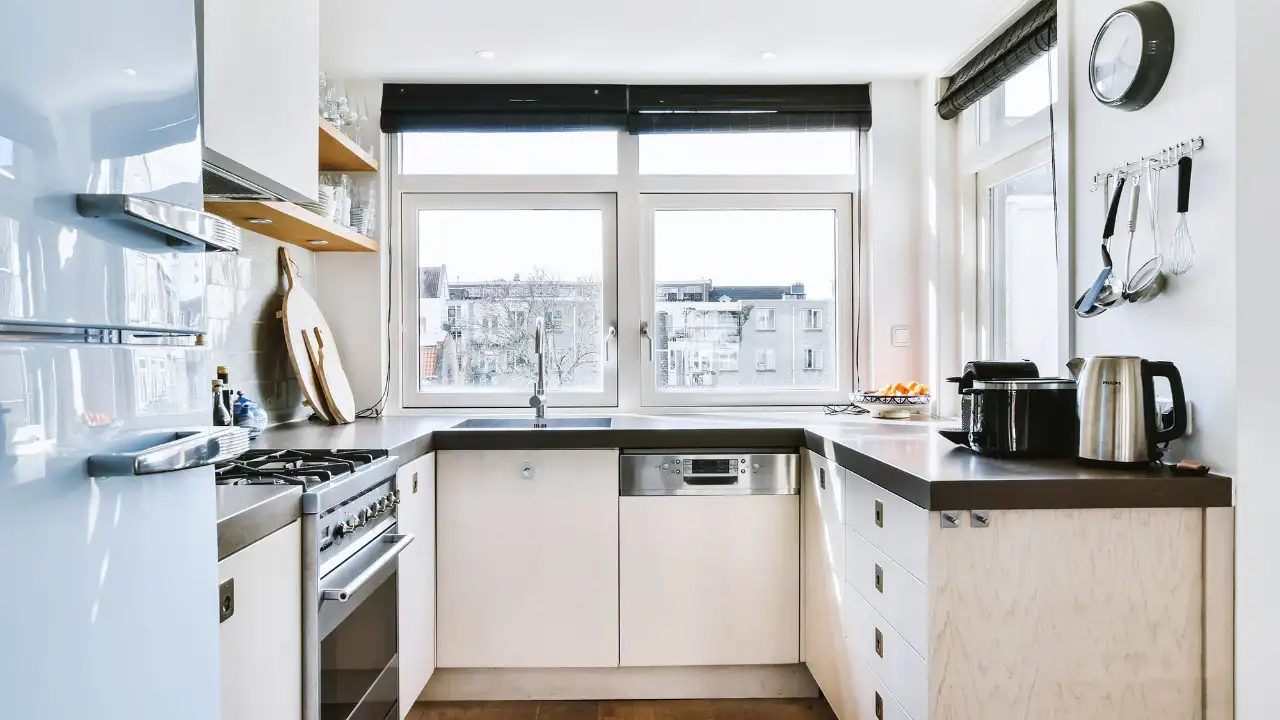
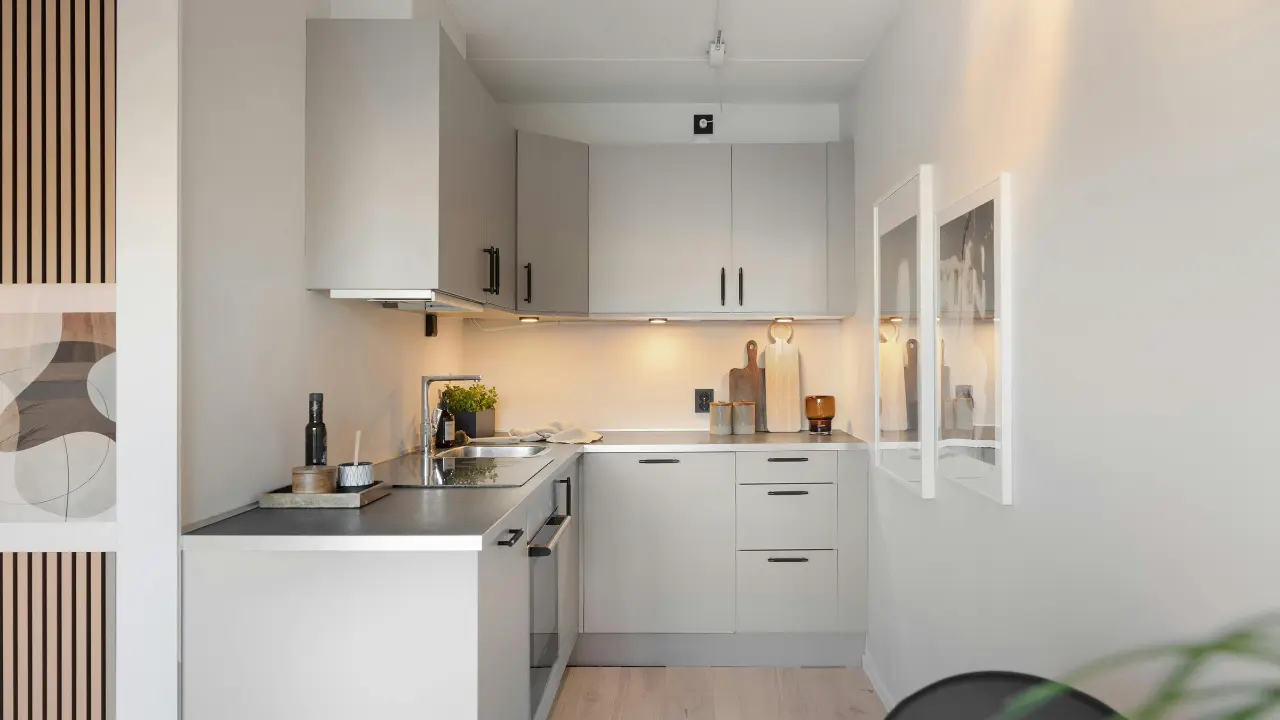
A kitchen backsplash does much more than protect the wall behind your countertops. It can make cleaning easier, add color and texture, connect your cabinets with your countertops, and become one of the most noticeable design details in the room. But with so many options available, choosing between tile, glass, natural stone, quartz, stainless steel, and other surfaces can feel overwhelming.
The best kitchen backsplash materials depend on how you use your kitchen, how much maintenance you are willing to handle, your design preferences, and your budget. A busy family kitchen may benefit from durable porcelain or stainless steel, while a luxury kitchen might look better with marble or a quartz slab.
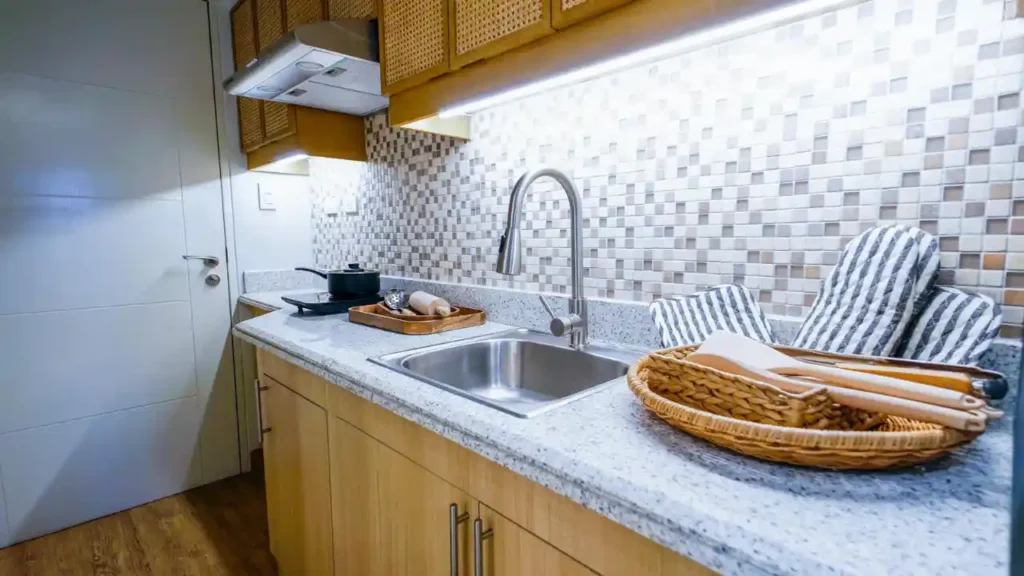
This guide compares the most popular backsplash materials so you can choose a surface that looks good and works well for your everyday cooking routine.
What Is the Best Kitchen Backsplash Material?
There is no single backsplash material that is perfect for every kitchen. The right choice depends on the balance between durability, maintenance, appearance, installation, and cost.
For many homeowners, ceramic and porcelain tile are among the most versatile choices because they offer a wide range of colors, shapes, patterns, and finishes. Glass is attractive when you want a sleek, reflective surface, while stainless steel can be particularly practical for heavy cooking areas.
Natural stone, marble, and quartz offer more premium looks but may require a larger budget or additional installation considerations. Peel-and-stick backsplash products can be useful for temporary or budget-friendly updates, but they should not automatically be treated as a replacement for a professionally installed permanent backsplash.
Best Overall for Most Kitchens
Ceramic or porcelain tile is a strong all-around choice. Both offer extensive design flexibility and can work with traditional, farmhouse, transitional, modern, and contemporary kitchens.
Best for Low Maintenance
Smooth glass, porcelain, and suitable stainless steel surfaces can be convenient for homeowners who want to wipe away everyday splashes and grease without dealing with heavily textured surfaces.
Best for Luxury Kitchens
Marble, quartz, and premium natural stone can create a sophisticated appearance, particularly when the backsplash is coordinated with the countertop and cabinetry.
Best Budget Option
Ceramic tile is often a practical starting point for homeowners looking for permanent backsplash materials without moving immediately into premium surfaces. Some peel-and-stick products can also work for temporary updates, depending on the product and installation area.
Best for Modern Kitchens
Large-format porcelain, glass, quartz, and stainless steel can create a clean contemporary appearance with fewer visual interruptions.
Best Kitchen Backsplash Materials Compared
| Material | Durability | Maintenance | Style | Cost Level | Best For |
|---|---|---|---|---|---|
| Ceramic Tile | High | Easy–Medium | Very Versatile | $–$$ | Most kitchens |
| Porcelain Tile | Very High | Easy–Medium | Modern & Classic | $$ | Busy kitchens |
| Glass | High | Easy | Modern | $$–$$$ | Contemporary kitchens |
| Marble | Medium | Higher | Luxury | $$$ | Elegant kitchens |
| Quartz | High | Easy | Luxury & Modern | $$$ | Premium kitchens |
| Stainless Steel | Very High | Easy | Modern/Industrial | $$–$$$ | Heavy-use kitchens |
| Natural Stone | High | Medium–High | Organic | $$–$$$ | Rustic & luxury kitchens |
| Mosaic Tile | High | Medium | Decorative | $$–$$$ | Accent areas |
| Peel-and-Stick | Low–Medium | Easy | Many Styles | $ | Temporary updates |
Cost levels are relative rather than fixed prices because material, brand, region, installation, project size, and surface preparation can significantly affect the final cost.
Ceramic Tile Backsplash
Ceramic tile remains one of the most flexible backsplash choices for residential kitchens. It comes in countless colors, shapes, patterns, sizes, and finishes, making it easy to find a design that suits almost any decorating style.
A classic white subway tile backsplash can create a timeless farmhouse or traditional appearance, while colorful geometric tiles can make a modern kitchen feel more distinctive.
Advantages of Ceramic Tile
- Wide selection of colors and patterns
- Available in many shapes and sizes
- Works with numerous kitchen styles
- Individual tiles can generally be replaced if damaged
- Suitable for many budget levels
- Easy to coordinate with cabinets and countertops
Disadvantages of Ceramic Tile
The tile itself may be relatively easy to maintain, but the grout lines require additional attention. Light-colored grout can show cooking splashes, while textured or intricate designs can take longer to clean.
Installation also requires careful planning around electrical outlets, corners, cabinets, windows, and appliances.
Best Kitchen Styles for Ceramic Tile
Ceramic works particularly well in:
- Traditional kitchens
- Farmhouse kitchens
- Modern farmhouse kitchens
- Transitional kitchens
- Cottage kitchens
- Colorful contemporary kitchens
Porcelain Tile Backsplash
Porcelain is another excellent option when durability and design flexibility are important. It can be manufactured in a variety of appearances, including stone-inspired patterns, making it possible to get an upscale visual effect without necessarily using natural stone.
Porcelain is also available in large-format sizes, which can reduce the number of visible grout lines when the layout and installation allow for it.
Pros of Porcelain
- Strong and durable
- Low water absorption
- Easy-care surface options
- Available in many colors and patterns
- Can imitate stone and other materials
- Works well in modern and traditional kitchens
Cons of Porcelain
Porcelain can cost more than some basic ceramic tile options. It can also be harder to cut, particularly with larger or thicker formats, so complicated installations may be better handled by an experienced tile installer.
Ceramic vs. Porcelain Backsplash
| Feature | Ceramic | Porcelain |
|---|---|---|
| Durability | High | Very High |
| Water Resistance | Good | Excellent |
| Design Variety | Excellent | Excellent |
| Maintenance | Generally Easy | Generally Easy |
| Cost | Often Lower | Often Higher |
| Installation | Generally Easier | Can Be More Demanding |
For a straightforward backsplash project, either can be a good choice. Porcelain becomes especially attractive when durability or large-format designs are priorities.
Glass Kitchen Backsplash
Glass creates a smooth, clean appearance that works especially well in contemporary kitchens. Because many glass surfaces reflect light, they can help a kitchen feel brighter and visually open.
Glass backsplashes can be clear, colored, textured, back-painted, or designed to resemble other materials.
Benefits of Glass Backsplash
- Smooth and easy-to-wipe surface
- Reflects light
- Creates a sleek appearance
- Works well in contemporary kitchens
- Available in multiple colors and finishes
- Can provide a visually continuous surface
Drawbacks of Glass
Fingerprints, water spots, and grease can sometimes be more visible on reflective glass. Damage may also be noticeable, depending on the type and finish.
Installation requires accurate measurements and careful handling, especially for large panels or designs involving several outlets and wall openings.
Best Glass Backsplash Ideas
Consider:
- Clear glass
- Colored glass
- Back-painted glass
- Textured glass
- Glass subway tile
- Small glass mosaics
Glass is particularly effective when you want the backsplash to complement rather than visually compete with detailed cabinetry or countertops.
Natural Stone Backsplash Materials
Natural stone brings texture, variation, and organic character to a kitchen. Unlike manufactured surfaces designed to look consistent, natural stone can have variations in color, veining, texture, and pattern.
Popular options include marble, travertine, slate, limestone, and granite.
The main consideration is maintenance. Depending on the particular stone and finish, sealing and more careful cleaning may be necessary.
Marble Backsplash
Marble is a popular luxury backsplash material because of its distinctive veining and sophisticated appearance.
A marble backsplash can look beautiful behind a range or across an entire kitchen wall. However, homeowners should understand that natural marble can be more sensitive to staining and etching than many low-maintenance manufactured surfaces.
Regular care and appropriate sealing may be part of owning a marble backsplash.
Travertine Backsplash
Travertine provides a warm, earthy appearance that works particularly well in farmhouse, Mediterranean, rustic, and traditional kitchens.
Its natural texture can add character, but textured and porous surfaces can require more attention when cleaning cooking grease and spills.
Slate Backsplash
Slate is a strong option when you want a darker, organic appearance. Its natural variation works nicely with wood cabinetry, light countertops, and rustic or modern kitchens.
Because slate can have a textured surface, cleaning may take more effort than cleaning a completely smooth backsplash.
Granite Backsplash
Granite is known for its durability and can coordinate naturally with granite countertops. It can work particularly well in traditional and transitional kitchens where a substantial natural-stone appearance is desired.
Quartz Kitchen Backsplash
Quartz backsplashes can create a streamlined, high-end appearance, especially when the same or coordinated material extends from the countertop onto the wall.
Instead of interrupting the countertop with many individual tiles, a slab-style backsplash can create a more continuous visual surface.
Advantages
- Premium appearance
- Strong coordination with quartz countertops
- Minimal grout lines with slab installations
- Easy-care options
- Works well with modern and minimalist designs
Considerations
Quartz slab installations can require professional measurement, fabrication, transportation, and installation. The overall project can therefore be considerably more expensive than a simple tile backsplash.
It is also important to distinguish quartz from quartz-look porcelain or ceramic tile. They can provide similar visual inspiration but are different materials with different installation and performance characteristics.
Best Kitchens for Quartz Backsplash
Quartz works particularly well in:
- Luxury kitchens
- Modern kitchens
- Contemporary kitchens
- Minimalist kitchens
- Kitchens with quartz countertops
Stainless Steel Kitchen Backsplash
Stainless steel is a practical choice for homeowners who want a professional or commercial-inspired appearance. It is particularly suitable behind cooking areas where grease, heat, and frequent cleaning are part of everyday life.
Its reflective surface can also complement stainless steel appliances.
Benefits
- Durable
- Heat-resistant
- Easy to wipe clean
- Professional appearance
- Works well with modern kitchens
- Complements stainless steel appliances
Drawbacks
The surface can show fingerprints, water marks, and scratches. Its industrial appearance also may not fit kitchens designed around soft, traditional, or highly decorative finishes.
Best For
Stainless steel is worth considering for:
- Serious home cooks
- Modern kitchens
- Industrial kitchens
- Contemporary kitchens
- Commercial-inspired kitchen designs
Mosaic Tile Backsplash
Mosaic tile is primarily about adding visual interest. Small tiles can be arranged into patterns that would be difficult to achieve with large-format materials.
Mosaics can be made from glass, ceramic, porcelain, marble, stone, metal, or combinations of materials.
Popular Mosaic Materials
- Glass
- Ceramic
- Porcelain
- Marble
- Natural stone
- Metal
Pros and Cons
The major advantage is design flexibility. Mosaics can introduce color, geometry, texture, or a decorative focal point.
The downside is grout. More individual tiles usually mean more grout lines, which can increase cleaning requirements.
Where to Use Mosaic
Instead of covering every wall with a complex pattern, consider using mosaic as:
- A range-wall accent
- A coffee bar backsplash
- A kitchen island accent
- A narrow decorative section
- A focal point between cabinets
This approach can give the kitchen personality without making the entire room visually busy.
Peel-and-Stick Kitchen Backsplash
Peel-and-stick backsplash products offer a convenient way to change the appearance of a kitchen without committing to a traditional tile installation.
They can be particularly useful for renters, temporary renovations, and small cosmetic makeovers.
However, they should be evaluated carefully for the specific location where they will be installed.
Advantages
- DIY-friendly
- Quick visual update
- No traditional tile installation
- Available in many styles
- Useful for temporary projects
Limitations
- Generally less durable than permanent installations
- Heat compatibility varies by product
- Moisture exposure can affect some products
- Adhesive performance depends on the surface and product
- Product quality varies considerably
Before using peel-and-stick material near a cooktop or other high-heat location, always check the manufacturer’s installation requirements.
Who Should Consider It?
Peel-and-stick backsplash materials can make sense for:
- Renters
- Temporary renovations
- Budget makeovers
- Small cosmetic updates
- DIY projects
Best Kitchen Backsplash Material by Kitchen Style
The best backsplash material should complement the entire kitchen rather than being selected in isolation.
Modern Kitchen
Good options include:
- Large-format porcelain
- Glass
- Quartz
- Stainless steel
Choose simple shapes, restrained colors, and clean transitions if you want a minimalist appearance.
Farmhouse Kitchen
Consider:
- Ceramic subway tile
- Handmade-look tile
- Marble
- Natural stone
White, cream, beige, and soft neutral colors can complement farmhouse cabinetry and wood accents.
Modern Farmhouse Kitchen
Try:
- White porcelain
- Soft neutral ceramic
- Marble-look porcelain
- Textured tile
The goal is to combine the simplicity of modern design with the warmth associated with farmhouse interiors.
Traditional Kitchen
Traditional kitchens can accommodate:
- Marble
- Ceramic
- Mosaic tile
- Natural stone
Classic patterns tend to age more gracefully than highly trend-driven designs.
Luxury Kitchen
For a luxury appearance, consider:
- Marble
- Quartz
- Premium porcelain
- High-quality glass
The material does not need to be extremely decorative. Sometimes a simple slab backsplash creates a more sophisticated result than an elaborate pattern.
Small Kitchen
For a smaller kitchen, consider:
- Light-colored surfaces
- Reflective glass
- Light porcelain
- Larger-format tile where practical
- Simple patterns
- Fewer visual interruptions
A lighter backsplash is not a requirement, but it can help maintain a visually open appearance.
Best Backsplash Material for Different Cooking Needs
Your cooking habits should influence your material choice as much as your decorating style.
Best for Heavy Cooking
For frequent cooking, prioritize surfaces that can handle regular cleaning and everyday kitchen activity.
Porcelain and stainless steel are practical options to investigate, while suitable natural stone can work when you are comfortable with its maintenance requirements.
Best for Families
Families often benefit from durable materials with straightforward cleaning requirements.
Porcelain, ceramic, glass, and suitable stainless steel can all be considered depending on the design.
Best for Minimal Maintenance
Smooth surfaces generally have an advantage because grease and food splashes can be easier to wipe away.
Large-format porcelain, glass, and appropriate metal surfaces can reduce some of the cleaning challenges associated with heavily textured designs.
Best for Frequent Frying
If frying is part of your regular cooking routine, consider a backsplash that can be cleaned easily and does not have unnecessary texture.
A smooth surface behind the range can be especially practical.
Best for Occasional Cooking
If you rarely cook heavily, you may have more freedom to prioritize appearance, texture, and decorative details.
Natural stone, decorative mosaic, or an artistic tile design can become a stronger design feature when daily grease exposure is limited.
How to Choose the Best Kitchen Backsplash Material
Choosing the right material becomes easier when you work through a few practical questions.
1. Consider Your Cooking Habits
Think about how often you cook, whether you fry food frequently, and how much splashing occurs around your range and sink.
2. Think About Cleaning
A beautiful backsplash can become frustrating if its surface or grout requires more maintenance than you want to provide.
3. Check Heat and Moisture Exposure
Not every material or installation method is suitable for every location. Pay particular attention to the area behind a range or cooktop.
4. Match the Countertop
The backsplash should work with the countertop rather than compete with it.
If your countertop has dramatic veining, a simpler backsplash may create a more balanced design.
5. Coordinate With Cabinets
Cabinet color and material should influence the backsplash.
Wood cabinets can work with warm neutrals, stone, white tile, or darker contrasting surfaces. Colorful cabinets may look better with a quieter backsplash.
6. Consider Kitchen Size
A backsplash with too many competing patterns can make a small kitchen feel visually crowded.
7. Set a Realistic Budget
Remember to budget for more than the material itself. Installation, preparation, grout, trim, sealers, demolition, and difficult cuts can all affect the final project cost.
8. Think About Long-Term Maintenance
Ask yourself whether you are comfortable periodically cleaning grout or maintaining natural stone.
9. Consider Installation Requirements
Large slabs, complex mosaics, unusual tile patterns, and difficult cuts can require professional installation.
How to Match a Backsplash With Kitchen Cabinets and Countertops
Think of the kitchen as three connected surfaces:
Cabinets + Countertop + Backsplash
The backsplash does not always need to match either of the other two surfaces. In many successful kitchens, it provides contrast while still sharing one or two visual characteristics with the rest of the room.
White Cabinets
White cabinets offer flexibility. You can use marble, colorful ceramic, gray porcelain, glass, or even a darker natural stone.
Wood Cabinets
Wood cabinetry usually pairs well with warm neutrals, natural stone, cream tile, white porcelain, and subtle green or gray tones.
Green Cabinets
Soft white, warm cream, marble-look, and natural stone backsplashes can complement green cabinetry without overwhelming it.
Blue Cabinets
White, light gray, marble, and soft neutral backsplashes can create a balanced contrast with blue cabinets.
Black Cabinets
Lighter porcelain, marble, glass, or contrasting ceramic can prevent the room from feeling too dark.
Greige or Taupe Cabinets
Warm white, beige, stone-look porcelain, and subtle natural textures can reinforce the calm appearance of these neutral cabinet colors.
Marble Countertops
When the countertop already has prominent veining, consider a backsplash that supports rather than competes with those patterns.
Quartz Countertops
A coordinated quartz or quartz-look backsplash can create a seamless premium appearance, while simple tile can provide contrast.
Butcher Block Countertops
Ceramic, porcelain, white subway tile, and warm natural stone can complement the organic appearance of butcher block.
Should Your Backsplash Match Your Countertop?
It can, but it does not have to.
A matching or coordinated backsplash can create a calm, continuous look. A contrasting backsplash can provide more visual personality.
The important point is to consider the complete combination of cabinet color, countertop pattern, backsplash texture, flooring, hardware, and lighting.
Backsplash Material Maintenance Guide
Different materials have different maintenance requirements.
Daily Cleaning
For most backsplash surfaces, removing cooking splashes before they dry can make routine cleaning easier.
Use cleaning products appropriate for the specific material rather than assuming one cleaner is suitable for every surface.
Grease Removal
Smooth, nonporous surfaces are generally convenient for wiping away grease. Textured stone and extensive grout patterns can require more attention.
Grout Cleaning
Grout is often the part of a tiled backsplash that requires the most maintenance. Choosing an appropriate grout color can also affect how visible everyday splashes become.
Sealing
Some natural stones and grout systems may require sealing. Follow the care instructions appropriate for the specific material and installation.
Stain Prevention
Wipe spills promptly, especially when working with materials that are more vulnerable to staining.
Scratches
Some polished surfaces can make scratches more visible. Use appropriate cleaning tools and avoid abrasive products unless the material manufacturer specifically recommends them.
Long-Term Care
Always follow the material manufacturer’s care recommendations. Maintenance needs can vary significantly even within the same broad material category.
Materials That Usually Need More Maintenance
Natural stone and heavily grouted designs can require more ongoing attention.
Materials That Are Often Easier to Maintain
Smooth porcelain, glass, and suitable stainless steel surfaces can be convenient for routine cleaning.
Common Kitchen Backsplash Mistakes to Avoid
1. Choosing Appearance Before Function
A backsplash should look good, but it also needs to work with your cooking habits.
2. Ignoring Grout Maintenance
A tile design may look fantastic initially but become harder to maintain if it contains extensive grout lines.
3. Using Too Many Patterns
If your countertop, cabinets, backsplash, flooring, and accessories all have strong patterns, the kitchen can quickly feel visually cluttered.
4. Forgetting Outlet Placement
Electrical outlets can affect tile layouts and slab measurements. Plan their locations before finalizing the backsplash design.
5. Not Planning Around Cabinets
Tile or slab transitions should be planned around upper cabinets, range hoods, windows, and other architectural features.
6. Choosing a Material Without Checking Installation Requirements
Some materials are significantly more complicated to cut, transport, or install than others.
7. Ignoring Cleaning Habits
Choose a backsplash based on the maintenance you are realistically willing to perform.
8. Using Unsuitable Materials Near High Heat
Always verify whether the chosen product is appropriate for its intended location, particularly around cooking appliances.
9. Buying Based Only on the Lowest Price
The cheapest material may not provide the best value if it requires replacement sooner or creates installation problems.
10. Not Ordering Enough Material
Tile can require additional material for cuts, mistakes, and future repairs. Your installer or supplier can help determine an appropriate amount.
How Much Should You Spend on a Kitchen Backsplash?
There is no single price that applies to every kitchen. A backsplash budget depends on several variables:
- Material
- Total square footage
- Tile or slab size
- Pattern complexity
- Labor
- Wall preparation
- Demolition
- Grout
- Sealer
- Trim
- Edge treatments
- Number of outlets
- Difficult cuts
- Installation location
Budget Backsplash
Ceramic tile and selected peel-and-stick materials can be useful starting points.
Mid-Range Backsplash
Porcelain, glass, and selected natural stone options can provide more design flexibility or premium finishes.
Premium Backsplash
Marble, quartz slabs, specialty mosaics, and premium stone can create a luxury appearance but may involve higher material and installation costs.
Instead of choosing a material strictly by its initial price, consider the complete installed cost and the maintenance it will require over time.
DIY or Professional Backsplash Installation?
A simple backsplash does not necessarily require professional installation, but the difficulty can change quickly depending on the material and layout.
When DIY Makes Sense
DIY may be reasonable when you have:
- A small project
- A straightforward wall
- Basic tile
- Simple cuts
- A relatively uncomplicated layout
- The appropriate tools and preparation skills
When to Hire a Professional
Professional installation is worth considering for:
- Large slab materials
- Complex mosaic patterns
- Difficult cuts
- Uneven walls
- Extensive surface preparation
- Multiple outlets or obstacles
- Premium materials
- Complicated layouts
For an expensive backsplash material, professional installation can help reduce the risk of costly mistakes.
Best Kitchen Backsplash Materials: Quick Decision Guide
| If You Want… | Consider… |
|---|---|
| Best all-around option | Porcelain or ceramic |
| Easy cleaning | Glass or smooth porcelain |
| Luxury appearance | Marble or quartz |
| Maximum durability | Porcelain or stainless steel |
| Farmhouse style | Ceramic or natural stone |
| Modern style | Glass, porcelain, or stainless steel |
| Budget-friendly update | Ceramic or peel-and-stick |
| Organic texture | Natural stone |
| Bold accent | Mosaic |
| Professional kitchen look | Stainless steel |
This table is a starting point rather than a strict ranking. Your cooking habits, installation conditions, and maintenance preferences should ultimately determine the best material.
Pros and Cons of Different Backsplash Materials
Overall Pros
- Protects walls from everyday splashes
- Makes kitchen surfaces easier to clean
- Adds color and texture
- Connects cabinets and countertops visually
- Creates an opportunity for personal style
- Offers options for nearly every budget
- Can become a major design feature
Overall Cons
- Installation can add significant cost
- Some materials require sealing
- Grout can require regular cleaning
- Certain surfaces can chip, scratch, stain, or etch
- Complex patterns can increase installation difficulty
- Highly trendy materials may feel dated over time
Frequently Asked Questions
What is the best material for a kitchen backsplash?
For many kitchens, ceramic or porcelain tile offers an excellent balance of durability, design flexibility, maintenance, and cost. However, glass, stainless steel, quartz, and natural stone may be better choices for specific kitchens.
What is the easiest kitchen backsplash material to clean?
Smooth surfaces such as glass and suitable porcelain are generally convenient to wipe clean. Stainless steel can also be practical, although fingerprints and water marks may be visible.
Is porcelain or ceramic better for a backsplash?
Both can work well. Porcelain generally offers greater density and durability, while ceramic often provides an affordable and highly versatile option. The better choice depends on the specific product, installation, and budget.
Is glass a good material for a kitchen backsplash?
Yes. Glass provides a smooth, modern surface and can reflect light. It is particularly attractive in contemporary kitchens, although fingerprints and water spots may be more visible on some finishes.
Is marble a practical kitchen backsplash?
Marble can be practical when homeowners are comfortable with its care requirements. Its natural beauty is a major advantage, but it can require more maintenance than some porcelain, glass, or other low-maintenance surfaces.
What is the most durable backsplash material?
Porcelain and stainless steel are strong options to consider when durability is a major priority. The actual performance also depends on the specific product and installation.
What is the cheapest backsplash material?
Basic ceramic tile is often one of the more accessible permanent backsplash choices. Peel-and-stick products can also have a lower initial project cost, although they are generally better suited to temporary or cosmetic updates.
What backsplash material is best for a farmhouse kitchen?
Ceramic subway tile, handmade-look tile, marble, and natural stone can all work well in farmhouse kitchens. White and warm neutral tones are especially versatile.
What backsplash material is best for a modern kitchen?
Large-format porcelain, glass, quartz, and stainless steel can all create a modern appearance. The best option depends on whether you prefer a warm, minimalist, luxurious, or industrial direction.
Does a kitchen backsplash need to be sealed?
Some backsplash materials and grout systems benefit from sealing, while others may not. Natural stone commonly requires more attention to sealing than many nonporous manufactured surfaces. Always follow the care instructions for the specific material.
How long should a kitchen backsplash last?
A properly installed permanent backsplash can last for many years, but its lifespan depends on the material, installation quality, exposure, maintenance, and how the kitchen is used. Rather than relying on a universal lifespan figure, evaluate the manufacturer’s specifications and installation requirements for the material you choose.
Final Thoughts
The best kitchen backsplash materials are not necessarily the most expensive or the most fashionable. The right choice is the one that fits your kitchen’s daily demands while supporting the look you want to create.
For a versatile and practical option, ceramic or porcelain tile is hard to overlook. Glass works beautifully when you want a sleek, reflective finish, while stainless steel makes sense for heavy-use and professional-inspired kitchens. For a more luxurious appearance, marble and quartz can create a striking focal point, while natural stone adds warmth and organic character.
Before making your final decision, consider three things first: how you cook, how you clean, and how you want the kitchen to look for years to come. When those three factors point in the same direction, choosing a backsplash becomes much easier.