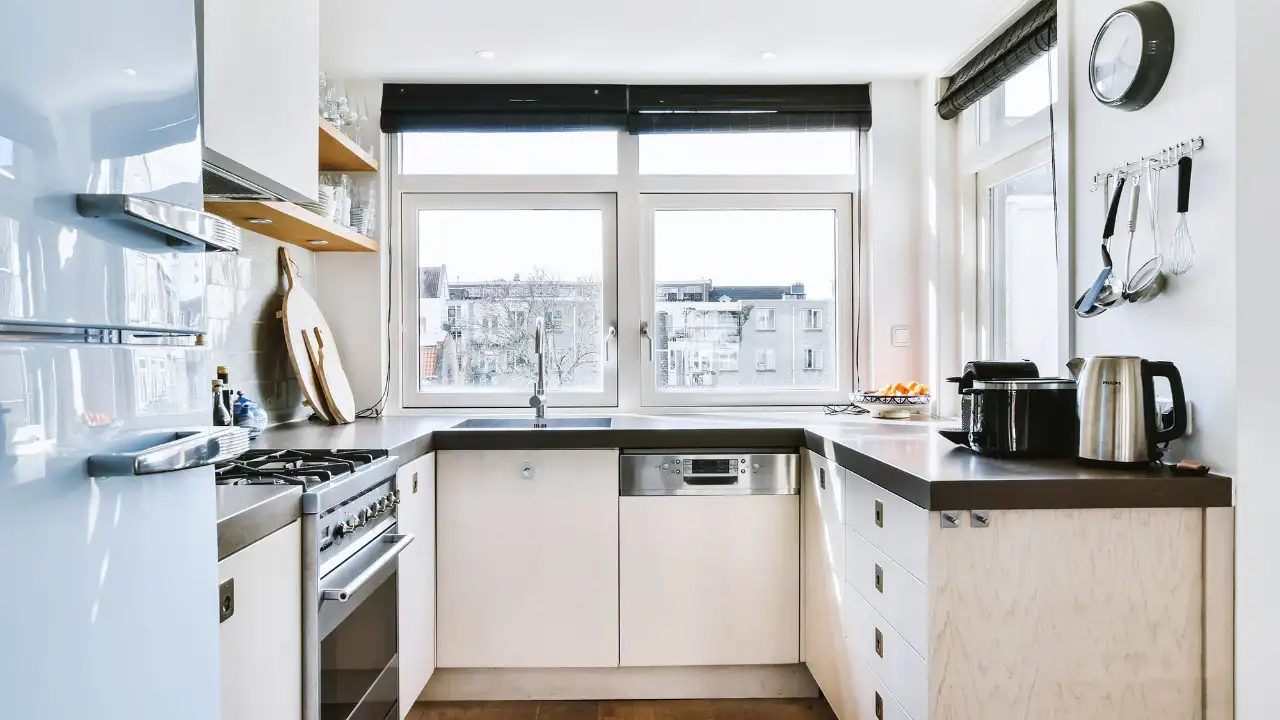
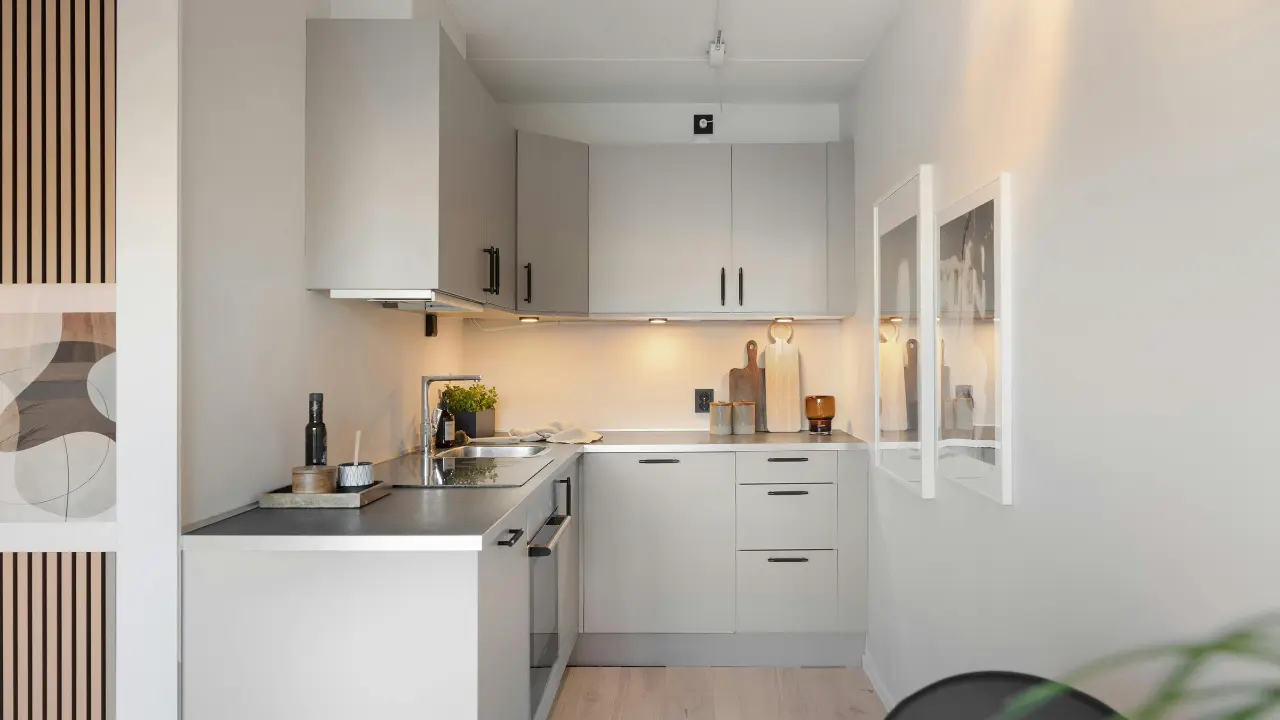
Best Kitchen Lighting for Low Ceilings: Bright & Stylish Ideas for 2026
A low kitchen ceiling can make a room feel darker, tighter, and more crowded, especially when the lighting fixtures hang too far down. But a lower ceiling doesn’t mean you have to sacrifice brightness or style.
The best approach is to choose lighting that works with the ceiling height rather than against it. Low-profile fixtures, recessed LEDs, under-cabinet lighting, and carefully placed accent lights can create a bright, comfortable kitchen while keeping the ceiling visually clean.
The best kitchen lighting for low ceilings usually combines several layers of light instead of relying on one large central fixture. Ambient lighting brightens the room, task lighting illuminates work surfaces, and accent lighting adds depth and atmosphere.
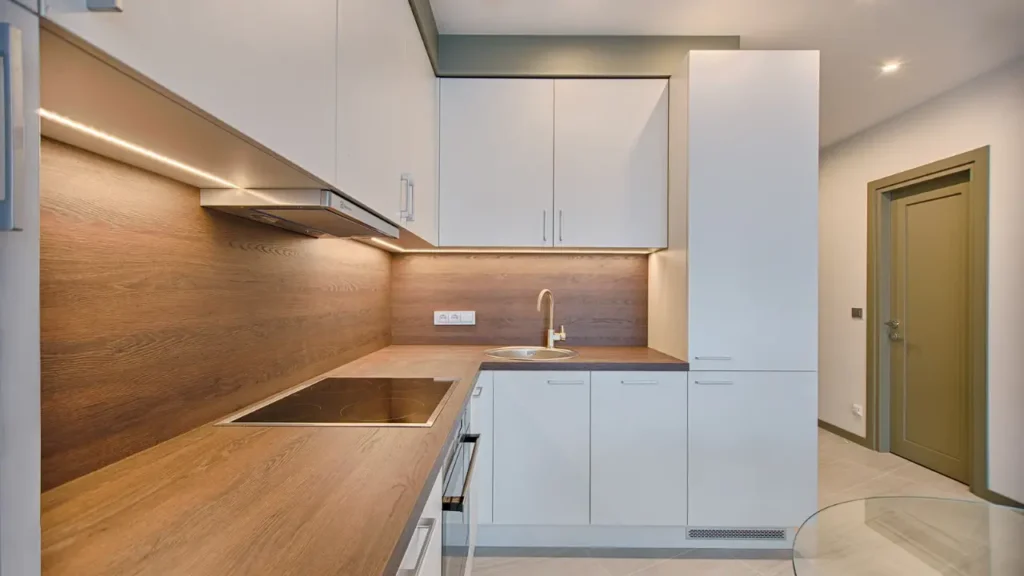
Whether you’re updating a small apartment kitchen, remodeling a family kitchen, or simply replacing an outdated ceiling fixture, the right lighting plan can make the entire space feel more open and functional.
Quick Answer: What Is the Best Kitchen Lighting for Low Ceilings?
For most low-ceiling kitchens, the best starting point is a combination of recessed or flush-mount ceiling lights with under-cabinet lighting. Accent lighting can then be added where you want extra atmosphere or visual depth.
| Lighting Type | Best For | Why It Works |
|---|---|---|
| Recessed LED lights | General lighting | Sits within the ceiling plane |
| Flush-mount fixtures | Main ceiling lighting | Uses very little vertical space |
| Slim LED panels | Very low ceilings | Extremely low-profile |
| Under-cabinet lighting | Countertops | Adds task lighting without using ceiling height |
| LED strip lighting | Cabinets and shelves | Creates soft layered illumination |
| Track lighting | Flexible layouts | Directs light toward specific areas |
| Low-profile semi-flush lights | Decorative kitchens | Adds style with limited drop |
| Toe-kick lighting | Modern kitchens | Adds depth and soft ambient light |
The right combination depends on your ceiling height, kitchen layout, cabinet configuration, work zones, and design style.
Why Lighting Matters More in a Low-Ceiling Kitchen
Low ceilings don’t necessarily make a kitchen difficult to light. The bigger problem is choosing fixtures that visually consume too much vertical space or create unnecessary shadows.
Good lighting can make a lower ceiling feel less restrictive, while poor lighting can emphasize the room’s limitations.
Bulky Fixtures Can Reduce Visual Height
Large chandeliers, oversized pendants, and deep hanging fixtures can make the ceiling feel lower because they occupy valuable vertical space.
A flush-mount or recessed fixture keeps the visual field cleaner and allows the eye to move more easily across the room.
Dark Ceilings Can Make a Kitchen Feel Smaller
A dark ceiling can absorb light and create a heavier visual effect. Lighter ceiling finishes generally help distribute light more effectively.
This doesn’t mean every low ceiling needs to be bright white. Soft neutrals can also work well when they complement the rest of the kitchen.
Shadows Make Countertops Harder to Use
A ceiling fixture can illuminate the center of the room while leaving countertops surprisingly dark.
This is particularly noticeable when upper cabinets block light from reaching the work surface.
Under-cabinet lighting helps solve this problem by putting illumination exactly where food preparation and other tasks take place.
Uneven Lighting Creates Dark Corners
A single central fixture often produces bright and dark areas throughout the kitchen.
Instead, distribute light across the room and layer it according to how the space is actually used.
Best Kitchen Lighting for Low Ceilings
1. Recessed LED Lighting
Recessed LED lighting is one of the cleanest solutions for a low-ceiling kitchen because the fixture sits within the ceiling rather than hanging significantly below it.
It works particularly well in modern, minimalist, contemporary, and small kitchens where maintaining an uncluttered ceiling is important.
Why recessed lighting works
- Uses little visible vertical space
- Provides broad ambient illumination
- Works well with multiple lighting zones
- Can complement almost any kitchen style
- Keeps the ceiling visually clean
Where to place recessed lights
Rather than automatically placing every light in an evenly spaced grid, consider the kitchen’s actual work zones.
Position lighting to illuminate areas such as:
- Countertops
- Sink
- Cooking area
- Walkways
- Kitchen island
- Pantry entrances
Avoid positioning lights so that your own body creates a shadow directly across the countertop while you’re working.
Potential drawbacks
Recessed lighting may require more involved installation than replacing a standard ceiling fixture. Existing ceiling construction, electrical access, insulation, and local electrical requirements can affect installation.
For a remodel, it’s worth planning the lighting layout before the ceiling is finished.
2. Flush-Mount Ceiling Lights
Flush-mount lighting is one of the easiest options when you want a conventional ceiling fixture without a significant drop.
A flush-mount fixture attaches closely to the ceiling, making it particularly useful in kitchens where vertical clearance is limited.
Popular flush-mount options include:
- Round LED fixtures
- Square LED fixtures
- Slim decorative fixtures
- Frosted-glass fixtures
- Minimalist metal fixtures
- Modern geometric designs
A simple flush mount can provide the main ambient lighting while leaving under-cabinet fixtures to handle countertop tasks.
For traditional or farmhouse kitchens, a decorative flush mount can also provide more personality without requiring a long-hanging fixture.
3. Slim LED Panel Lights
Slim LED panels are especially useful when the ceiling is very low and even a conventional flush-mount fixture feels visually bulky.
Their shallow profile allows them to provide broad illumination without dominating the ceiling.
They’re a practical option for:
- Small kitchens
- Apartment kitchens
- Condos
- Utility kitchens
- Modern kitchens
- Very low ceilings
Choose a panel with comfortable light distribution rather than simply choosing the brightest option available. Excessive brightness can create glare and make a kitchen uncomfortable.
4. Under-Cabinet Lighting
Under-cabinet lighting is one of the most useful additions to a low-ceiling kitchen because it improves countertop visibility without taking up ceiling space.
It provides task lighting exactly where you need it.
Common options include:
- LED strips
- LED bars
- Puck lights
- Hardwired fixtures
- Plug-in fixtures
LED strips
LED strips are particularly useful when you want continuous illumination across a countertop.
They can be installed underneath upper cabinets and positioned toward the front of the cabinet underside so the countertop receives useful light rather than the back wall receiving most of the illumination.
Puck lights
Puck lights provide concentrated pools of light and can work well when you want individual illuminated zones.
Hardwired vs. plug-in
Hardwired systems can create a cleaner finished appearance during a renovation, while plug-in systems can be easier for renters or homeowners making a smaller upgrade.
Always follow the manufacturer’s installation instructions and applicable electrical requirements.
5. Low-Profile Track Lighting
Track lighting can be a useful alternative when you need flexibility.
Instead of providing identical illumination in every direction, adjustable heads can direct light toward specific kitchen zones.
This can be particularly helpful in:
- Galley kitchens
- Small kitchens
- Kitchens with unusual layouts
- Rental-friendly upgrades
- Kitchens with limited ceiling lighting
Choose a streamlined track system rather than an oversized fixture with bulky hardware.
The goal is flexibility without making the ceiling visually busy.
6. Semi-Flush-Mount Lighting
Semi-flush lighting sits slightly below the ceiling and can provide more decorative character than a completely flush fixture.
However, the fixture’s actual depth matters.
A low-profile semi-flush fixture can work well when there is enough clearance, while a deep decorative fixture may make a low ceiling feel crowded.
Before buying one, check the fixture’s total height rather than judging it only from a product photo.
7. LED Strip Lighting Around Cabinets
LED strip lighting can add another layer of illumination without consuming ceiling height.
Under-cabinet LED strips
These provide practical task lighting for countertops.
Above-cabinet lighting
If there is space between the top of the cabinets and ceiling, indirect lighting can create a soft glow and visually separate the cabinetry from the ceiling.
Interior cabinet lighting
Glass-front cabinets and open shelving can benefit from subtle interior illumination.
The key is restraint. Accent lighting should add depth rather than turn every cabinet into a glowing display.
How to Layer Lighting in a Low-Ceiling Kitchen
A well-designed kitchen rarely needs to depend on one type of lighting.
Instead, think in three layers.
Ambient Lighting
Ambient lighting provides general illumination throughout the kitchen.
Examples include:
- Recessed LEDs
- Flush-mount ceiling lights
- Slim LED panels
- Linear ceiling fixtures
This is the foundation of the lighting plan.
Task Lighting
Task lighting focuses on areas where you perform specific activities.
Use it around:
- Countertops
- Sink
- Food-preparation areas
- Cooking surfaces
- Coffee stations
- Kitchen islands
Under-cabinet lighting is particularly useful here.
Accent Lighting
Accent lighting adds atmosphere and highlights selected features.
It can illuminate:
- Glass cabinets
- Open shelving
- Decorative backsplash areas
- Architectural features
- Cabinet interiors
Why layered lighting works better
Imagine a kitchen with recessed ceiling lights, under-cabinet LEDs, and subtle cabinet lighting.
During food preparation, you can emphasize the countertop. During dinner, you can reduce the task lighting and use softer ambient and accent lighting.
That flexibility is much more useful than installing one extremely bright ceiling fixture and leaving it on for every activity.
Best Lighting Ideas by Kitchen Layout
Low-Ceiling Galley Kitchen
Galley kitchens benefit from consistent lighting along the length of the room.
A practical combination can include:
- Recessed LEDs along the main walkway
- Under-cabinet lighting on both work runs
- Focused lighting around the sink and cooking areas
Avoid large hanging fixtures that interrupt the narrow visual corridor.
Small Low-Ceiling Kitchen
In a small kitchen, prioritize fixtures with a minimal physical and visual footprint.
Slim recessed lights, flush mounts, and under-cabinet LEDs can provide substantial illumination without filling the ceiling with oversized fixtures.
Light-colored surfaces can also help distribute available light.
L-Shaped Kitchen
An L-shaped kitchen has two primary work runs, so think about each section separately.
Make sure the corner isn’t left noticeably darker than the rest of the room.
Use under-cabinet lighting to support both countertop runs and ceiling lighting for general illumination.
U-Shaped Kitchen
U-shaped kitchens can create more shadows because cabinets surround several sides of the room.
Multiple task-lighting zones can help prevent dark areas along the countertop.
Avoid relying on a single light in the center of the kitchen.
Low-Ceiling Kitchen With an Island
A kitchen island needs useful illumination, but a low ceiling can make traditional pendant lighting challenging.
Possible alternatives include:
- Recessed lights above the island
- Low-profile linear fixtures
- Slim track lighting
- Carefully selected mini pendants
The best choice depends on the island’s size, the ceiling height, and the amount of visual space around it.
Are Pendant Lights Good for Low Ceilings?
Pendant lights aren’t automatically unsuitable for a low ceiling.
The problem is usually fixture size, drop, and placement.
A small, carefully selected pendant may work beautifully, while a large multi-tier pendant can make the kitchen feel visually compressed.
When Pendant Lights Can Work
Pendant lighting can be appropriate when:
- The ceiling provides enough clearance
- The fixture has a relatively short drop
- The island is large enough to support the visual scale
- The pendant doesn’t obstruct movement or sightlines
- The design complements the kitchen
When to Avoid Pendant Lights
Consider another lighting option when the pendant would:
- Hang too low
- Obstruct views
- Create glare
- Make the ceiling feel crowded
- Interfere with cabinet doors
- Dominate a small kitchen
Low-Profile Pendant Alternatives
If you like the decorative look of pendants but don’t have much vertical space, consider:
- Short-drop mini pendants
- Compact dome fixtures
- Slim linear fixtures
- Recessed island lighting
- Low-profile track systems
Always verify the manufacturer’s recommended installation height and local electrical requirements rather than relying on a generic measurement.
What Color Temperature Is Best for a Low-Ceiling Kitchen?
Color temperature affects how the kitchen feels, but there isn’t one setting that is perfect for every home.
Color temperature is commonly described in Kelvin (K).
Warm White
Warmer light can create a cozy and welcoming atmosphere.
It works particularly well in:
- Wood-heavy kitchens
- Traditional kitchens
- Warm minimalist interiors
- Evening entertaining spaces
Neutral White
A neutral white can provide a balanced appearance for cooking and everyday tasks.
It can work especially well in modern kitchens where accurate countertop and cabinet colors matter.
Cool White
Cooler light can create a crisp appearance, but it may feel harsh if used excessively in a residential kitchen.
Keep lighting consistent
One of the biggest mistakes is mixing noticeably different color temperatures throughout the same visual area.
For example, extremely warm under-cabinet lighting combined with very cool ceiling lights can make the kitchen feel visually disconnected.
Choose a coordinated lighting palette that suits the room and your preferences.
How Bright Should a Low-Ceiling Kitchen Be?
Brightness shouldn’t be solved simply by buying the most powerful lights available.
Instead, consider:
- Room size
- Ceiling height
- Cabinet configuration
- Countertop color
- Natural daylight
- Fixture distribution
- Task-lighting requirements
- Glare
- Dimming capability
Lumens matter
Lumens describe the amount of visible light produced by a light source.
Rather than focusing only on the lumen output of an individual fixture, consider how all the fixtures work together.
A modest ceiling fixture combined with effective under-cabinet lighting may provide a better experience than one extremely bright ceiling light.
Consider glare
Highly reflective countertops and backsplashes can make poorly positioned lights uncomfortable.
Diffused fixtures and carefully aimed task lighting can help reduce harsh reflections.
Use dimmers where appropriate
Dimmers allow you to adjust lighting according to the time of day and activity.
Bright task lighting may be useful during meal preparation, while a softer setting can be more comfortable during dinner.
Make sure the bulbs and fixtures are compatible with the selected dimmer.
Kitchen Ceiling and Lighting Colors That Make a Room Feel Taller
Lighting isn’t the only factor that affects how a low ceiling is perceived.
White Ceilings
A white ceiling can reflect more available light and create a clean, open appearance.
Soft Neutral Ceilings
Soft beige, warm white, pale greige, and similar colors can work when you want a warmer look without making the ceiling visually heavy.
Light-Colored Cabinets
Light cabinets can help distribute light throughout the kitchen.
However, dark cabinetry can also work in a low-ceiling kitchen when the lighting is carefully layered.
Reflective Backsplash Surfaces
A backsplash with some reflective quality can help bounce light around the kitchen.
The goal isn’t necessarily to choose a highly glossy surface. Subtle reflectivity can be enough.
Light Countertops
Lighter countertops can make task lighting feel more effective because they reflect more of the light reaching the work surface.
Common Low-Ceiling Kitchen Lighting Mistakes
Using One Ceiling Fixture for Everything
A single light rarely handles ambient, task, and accent lighting equally well.
Layer the lighting instead.
Choosing Oversized Hanging Lights
A large fixture can dominate a small kitchen and make the ceiling feel lower.
Check the fixture’s dimensions before buying.
Installing Lights Directly Behind the Person Working
This can create shadows across the countertop.
Think about where the light needs to come from when someone is actually using the kitchen.
Creating Countertop Shadows
Upper cabinets naturally block some overhead light.
Under-cabinet lighting can reduce this problem.
Using Inconsistent Light Colors
Large differences in color temperature can make adjacent fixtures look mismatched.
Over-Lighting the Room
More light isn’t always better.
Too many bright fixtures can create glare, visual fatigue, and an uncomfortable atmosphere.
Ignoring Dimmers
If the lighting cannot be adjusted, you may end up using the same brightness for cooking, cleaning, entertaining, and relaxing.
Blocking Cabinet Doors
A fixture can look perfect in a product photo but become inconvenient when installed too close to a cabinet door.
Always consider how doors, drawers, and appliances open.
Choosing Fixtures Before Planning the Kitchen Layout
Lighting should respond to the kitchen’s layout.
Plan around work zones rather than simply buying fixtures because they look attractive.
Flush-Mount vs. Recessed Lighting for Low Ceilings
Both options can work extremely well.
| Feature | Flush-Mount | Recessed |
|---|---|---|
| Ceiling clearance | Excellent | Excellent |
| Installation | Often simpler | Usually more involved |
| Style options | Many | More discreet |
| Visual impact | Moderate | Minimal |
| Best for | Main ambient lighting | Clean, integrated appearance |
| Existing fixture replacement | Often convenient | May require additional work |
| Rental suitability | Depends on property | Usually less convenient |
Choose flush-mount when:
You want a visible decorative fixture that is easy to integrate into an existing kitchen.
Choose recessed when:
You want the cleanest possible ceiling appearance and are planning a renovation or new installation.
Neither is universally better. The right choice depends on your ceiling construction, electrical setup, design preferences, and installation constraints.
Do You Need Both Recessed and Under-Cabinet Lighting?
In many kitchens, yes, because they perform different jobs.
Recessed lighting provides general room illumination.
Under-cabinet lighting provides focused countertop illumination.
Accent lighting adds atmosphere and highlights selected features.
Think of them as layers rather than competing lighting systems.
A kitchen can have excellent ceiling lighting and still have poorly illuminated countertops if the upper cabinets block the light.
How to Choose the Best Kitchen Lighting for Low Ceilings
Before buying fixtures, work through this checklist.
Measure the Ceiling Height
Know how much vertical space you actually have.
Measure the Kitchen Layout
Map the major work areas, cabinets, island, appliances, and walkways.
Identify Work Zones
Determine where you prepare food, wash dishes, cook, make coffee, and perform other frequent tasks.
Check Fixture Depth and Drop
Don’t look only at width and appearance. The fixture’s height can be the most important dimension in a low-ceiling kitchen.
Choose Appropriate Light Output
Consider total room illumination and task-lighting needs together.
Consider Color Temperature
Choose a color temperature that suits both the design and practical use of the kitchen.
Look for Dimmable Options
Adjustable lighting gives you more control throughout the day.
Match the Kitchen’s Design Style
A fixture should complement the cabinetry, hardware, backsplash, appliances, and overall interior style.
Consider Cleaning and Maintenance
Kitchen fixtures collect grease and dust over time. Easy-to-clean surfaces can be especially useful above cooking areas.
Check Installation Requirements
Some fixtures are designed for specific electrical boxes, ceiling conditions, or installation methods.
For hardwired electrical work, use a qualified professional when required by local rules or when the installation is beyond your experience.
Low-Ceiling Kitchen Lighting Ideas by Design Style
Modern
Choose:
- Slim black fixtures
- White LED panels
- Recessed LEDs
- Minimalist flush mounts
- Linear lighting
Minimalist
Keep the ceiling visually quiet with recessed lighting and concealed LED sources.
The fewer competing visual elements, the cleaner the room can feel.
Scandinavian
Soft, comfortable lighting paired with light surfaces and natural materials can create a bright but welcoming atmosphere.
Japandi
Warm layered illumination, simple fixtures, and natural materials work well together.
Avoid excessive decorative lighting.
Farmhouse
A decorative flush-mount fixture can provide farmhouse character without requiring a long drop.
Pair it with practical under-cabinet lighting.
Contemporary
Linear LEDs, slim track systems, recessed lights, and architectural lighting can create a polished contemporary appearance.
Smart Kitchen Lighting Ideas for Low Ceilings
Smart lighting can be useful when it solves a real problem rather than simply adding technology.
Useful features include:
- Dimming
- Smart switches
- Motion sensors
- Scheduling
- Scene controls
- Voice control
For example, a smart lighting scene could provide brighter task lighting during meal preparation and softer illumination later in the evening.
Motion-activated cabinet or toe-kick lighting can also be useful for nighttime trips to the kitchen.
Choose smart features based on how you actually use the room.
Affordable Ways to Improve Kitchen Lighting
You don’t always need a full kitchen renovation to improve lighting.
Add Under-Cabinet LED Strips
This can provide a noticeable improvement in countertop visibility without changing the ceiling.
Replace an Outdated Fixture
A dated, bulky ceiling fixture can sometimes be replaced with a slimmer LED or flush-mount design.
Upgrade Appropriate LED Bulbs
If your existing fixture supports replaceable bulbs, an appropriate LED bulb can improve efficiency and light quality.
Check fixture compatibility and recommended bulb specifications.
Add a Dimmer
A compatible dimmer can make existing lighting more versatile.
Improve Dark Work Zones
Instead of adding lights everywhere, identify the areas where you actually struggle to see.
Use Reflective Surfaces Strategically
Light-colored backsplashes and countertops can help distribute available illumination.
Lighting Fixtures to Avoid for Very Low Ceilings
No fixture is universally wrong, but some designs deserve extra caution.
Oversized Chandeliers
They can overwhelm a small kitchen and occupy too much visual space.
Long-Drop Pendants
A long drop can interfere with sightlines and make a low ceiling feel even lower.
Large Drum Fixtures With Excessive Depth
A wide fixture isn’t necessarily a problem, but excessive depth can create a heavy appearance.
Fixtures That Create Glare
Highly exposed bulbs or poorly diffused light sources can create uncomfortable reflections.
Bulky Multi-Tier Fixtures
Multiple layers of hanging elements can make a low ceiling visually busy.
Poor-Quality LED Fixtures
Uneven illumination, excessive glare, poor color consistency, or difficult maintenance can make an otherwise attractive fixture disappointing.
Which Kitchen Lighting Is Best for Your Low Ceiling?
Use this quick guide to narrow down your options.
| Your Situation | Best Starting Point |
|---|---|
| Very low ceiling | Slim LED panel |
| Modern kitchen | Recessed LED |
| Traditional kitchen | Flush-mount fixture |
| Dark countertops | Under-cabinet LEDs |
| Small kitchen | Recessed + under-cabinet |
| Kitchen island | Recessed or low-profile linear lighting |
| Rental kitchen | Plug-in under-cabinet lighting |
| Need flexibility | Track lighting |
| Want ambiance | Cabinet or LED accent lighting |
These are starting points rather than strict rules. Your kitchen layout, electrical setup, ceiling construction, and personal style should determine the final combination.
Frequently Asked Questions About Kitchen Lighting for Low Ceilings
What is the best kitchen lighting for low ceilings?
The best setup for many low-ceiling kitchens combines low-profile ambient lighting, such as recessed LEDs or flush mounts, with under-cabinet task lighting. Accent lighting can be added for atmosphere.
Are recessed lights good for low ceilings?
Yes. Recessed lights can be particularly effective because the visible fixture occupies very little vertical space. They also work well as part of a layered lighting plan.
Are flush-mount lights better than pendants for low ceilings?
Often, flush-mount fixtures are easier to use when ceiling clearance is limited because they sit close to the ceiling. However, a carefully selected short-drop pendant can still work when the kitchen provides enough clearance.
Can you use pendant lights in a kitchen with a low ceiling?
Yes, but fixture size, drop, placement, and clearance matter. Compact pendants may work, while large or low-hanging fixtures can make the room feel crowded.
What color temperature is best for kitchen lighting?
It depends on the desired atmosphere and task requirements. Warmer light can feel cozy, while a more neutral light can provide a balanced appearance for everyday kitchen work. Consistency between fixtures is often more important than choosing one universal temperature.
How can I make a low kitchen ceiling look higher?
Use low-profile fixtures, keep the ceiling visually clean, distribute light evenly, reduce heavy hanging elements, and use lighter or reflective surfaces where appropriate.
Is under-cabinet lighting necessary in a low-ceiling kitchen?
It isn’t mandatory, but it can be extremely useful. Upper cabinets can block ceiling light from reaching the countertop, so under-cabinet lighting provides focused illumination exactly where tasks take place.
How many lights does a small kitchen need?
There is no single number that works for every kitchen. The required lighting depends on room size, ceiling height, fixture output, natural daylight, cabinet placement, and task areas. Plan for adequate coverage rather than choosing a fixture count from a generic formula.
What type of LED light is best for a kitchen?
A suitable LED should provide comfortable, even illumination, appropriate light output, good color quality, and compatibility with the fixture and controls you plan to use. Recessed LEDs, flush-mount LEDs, and under-cabinet LEDs can all be useful for different purposes.
How do you make a dark kitchen with a low ceiling brighter?
Start by improving ambient lighting, then add task lighting to countertops and other work zones. Light-colored surfaces, reflective materials, and carefully positioned accent lighting can further help distribute light.
Final Thoughts: Creating a Bright Low-Ceiling Kitchen
A low kitchen ceiling doesn’t have to limit your lighting choices. The key is to work with the available vertical space rather than filling it with oversized fixtures.
For most kitchens, a strong starting point is low-profile ambient lighting combined with under-cabinet task lighting. Recessed LEDs and flush-mount fixtures can keep the ceiling visually clean, while LED strips and cabinet lighting add depth without taking up valuable headroom.
Pay attention to fixture dimensions, placement, light output, color temperature, glare, and the way your kitchen is actually used. Most importantly, don’t assume that one extremely bright ceiling fixture will solve every lighting problem.
A thoughtfully layered lighting plan can make a low-ceiling kitchen feel brighter, more comfortable, and more functional while still looking polished and intentional.