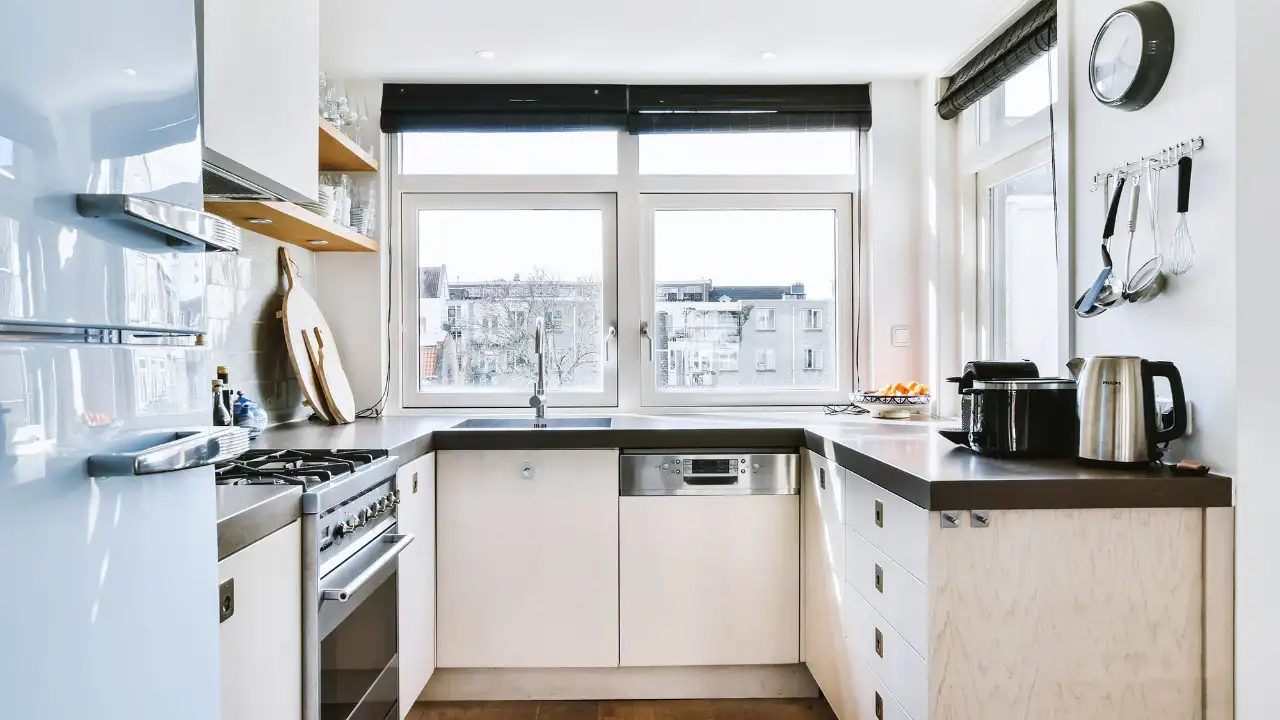
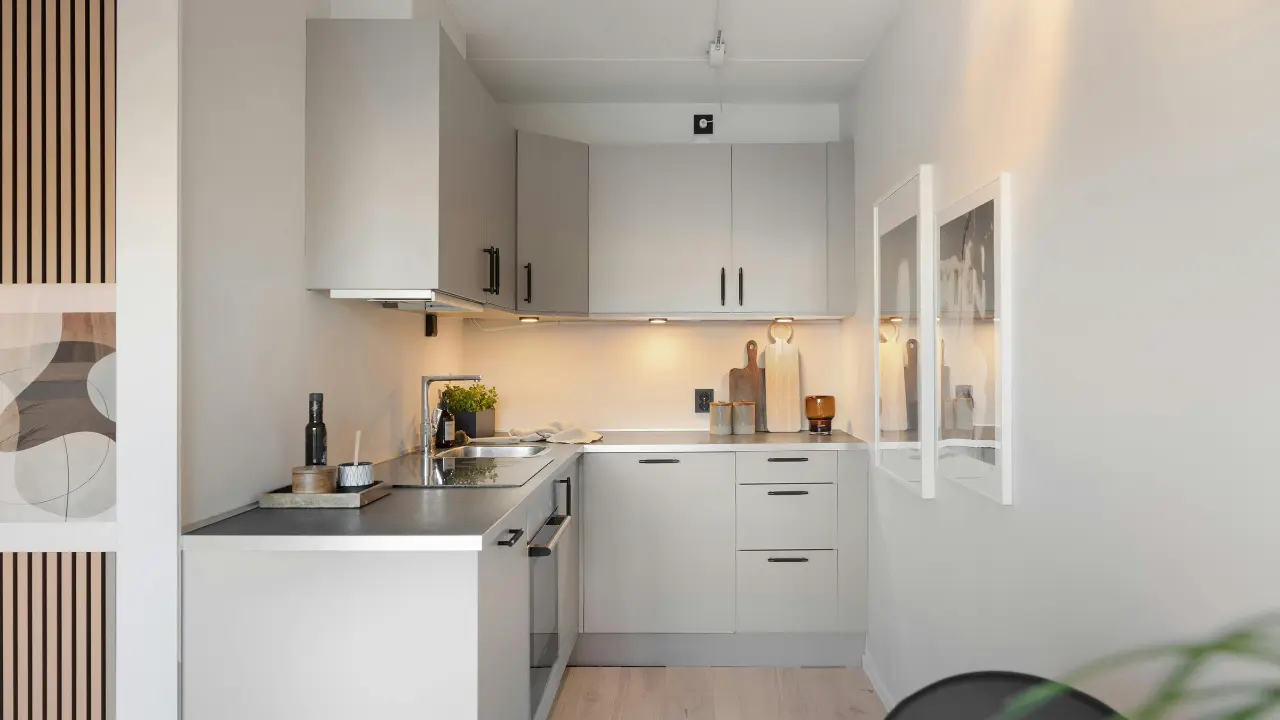
Introduction
A French kitchen aesthetic brings together classic architectural details, natural materials, warm colors, refined cabinetry, and relaxed decorative touches. The result can feel elegant without being formal, cozy without looking cluttered, and traditional without sacrificing modern convenience.
The beauty of French-inspired kitchen design is that there is no single formula. A kitchen can lean toward relaxed French country style with natural wood and stone, take inspiration from elegant Parisian interiors, or combine traditional cabinetry with streamlined appliances for a modern French interpretation.
What matters most is the relationship between the elements. Cream cabinetry may feel completely different when paired with marble and brass than when combined with distressed wood and terracotta. Similarly, a simple Shaker kitchen can become distinctly French through carefully selected lighting, hardware, flooring, and architectural details.
You also do not need a historic European home to create this atmosphere. American kitchens, apartments, open-concept homes, and compact spaces can all borrow French design principles. The key is to adapt the aesthetic to the architecture and prioritize proportion, functionality, natural light, and materials.

In this guide, you’ll find French kitchen ideas covering cabinets, colors, countertops, backsplashes, hardware, lighting, flooring, islands, decor, small kitchens, budget-friendly updates, and modern interpretations.
Quick French Kitchen Aesthetic Guide
| Design Element | French Kitchen Direction | Suggested Materials / Colors |
|---|---|---|
| Cabinets | Classic and understated | Cream, soft white, wood, sage |
| Countertops | Natural and refined | Marble, quartzite, stone, quartz |
| Backsplash | Classic or handcrafted | Ceramic, marble, stone, warm subway tile |
| Hardware | Vintage-inspired | Aged brass, bronze, nickel |
| Island | Functional focal point | Painted cabinetry, wood, stone |
| Walls | Warm and soft | Cream, ivory, beige, muted neutrals |
| Flooring | Natural and grounded | Oak, stone, terracotta, porcelain |
| Lighting | Decorative and functional | Lanterns, pendants, sconces |
| Decor | Collected and restrained | Ceramics, linen, artwork, baskets |
| Accents | Muted and elegant | Sage, blue, olive, terracotta, brass |
What Is a French Kitchen Aesthetic?
A French kitchen aesthetic combines timeless design details with natural materials and an intentionally relaxed sense of elegance.
Rather than relying on one particular cabinet color or decorative object, French-inspired kitchens usually create character through proportion, texture, craftsmanship, and visual warmth.
Common characteristics include:
- Classic cabinetry
- Warm white or cream colors
- Natural wood
- Stone or marble surfaces
- Aged or brushed metal finishes
- Vintage-inspired lighting
- Ceramic accessories
- Linen textiles
- Traditional architectural details
- Open shelving used selectively
- Muted accent colors
- Comfortable seating
- Layered lighting
- A lived-in but edited appearance
One of the most important principles is balance.
A French kitchen does not have to look old-fashioned. Modern appliances, contemporary storage systems, induction cooktops, integrated refrigerators, and streamlined layouts can all work beautifully within the aesthetic.
The traditional character can come from the visible elements rather than from sacrificing functionality.
Warmth Is More Important Than Ornament
It is easy to assume that French design requires elaborate cabinetry, decorative molding, antique furniture, and ornate accessories. Those elements can work, but they are not essential.
A simple kitchen with warm cream cabinets, oak flooring, a stone countertop, aged brass hardware, and beautiful lighting can feel more convincingly French than a heavily decorated room filled with unrelated details.
Natural Materials Add Character
Wood, stone, ceramic, linen, and metal give the kitchen tactile variation.
Instead of making every surface perfectly uniform, French-inspired design often benefits from subtle differences in texture and finish.
That might mean:
- Honed stone beside painted cabinetry
- Natural oak beside cream cabinets
- Handmade-look tile beside aged brass
- Linen beside polished stone
- Ceramic vessels against a plaster-look wall
The goal is a layered appearance rather than a perfectly matched showroom.
French Kitchen vs. French Country Kitchen
The terms are often used interchangeably, but they can describe different levels of formality and rustic character.
| Feature | French Kitchen | French Country Kitchen |
|---|---|---|
| Overall Feel | Elegant and versatile | Relaxed and rustic |
| Cabinetry | Classic or refined | Painted, Shaker, traditional |
| Colors | Warm neutrals and muted accents | Cream, sage, blue, earthy tones |
| Materials | Stone, marble, wood | Wood, stone, ceramic |
| Hardware | Brass, bronze, refined metals | Rustic or vintage-inspired |
| Decor | Restrained and collected | More casual and decorative |
| Architecture | Can be formal or simple | Often relaxed and rustic |
A French country kitchen may emphasize farmhouse character, natural wood, textured surfaces, and rustic accessories.
A broader French kitchen aesthetic can be much more flexible. It may be polished, contemporary, traditional, minimalist, or country-inspired.
What Makes a Kitchen Look French?
Several design ingredients can contribute to the look without requiring a complete renovation.
Architectural Character
Traditional architectural details can establish a French foundation.
Depending on the home, consider:
- Panel molding
- Traditional trim
- Arched openings
- Plaster-style walls
- Exposed beams
- Paneled cabinetry
- Furniture-style islands
- Glass-front cabinets
These features should relate to the architecture of the home. Adding elaborate details simply because they look French in a photograph can make a room feel artificial.
Classic Cabinetry
Cabinet doors are one of the most visible components of the kitchen.
Popular choices include:
- Shaker cabinets
- Raised-panel doors
- Framed cabinetry
- Beaded details
- Furniture-style cabinetry
- Simple painted cabinetry
For a modern French kitchen, even simplified cabinetry can work when paired with traditional materials and decorative details.
Natural Materials
Natural materials help prevent the space from looking overly manufactured.
Consider:
- Oak
- Walnut
- Marble
- Quartzite
- Limestone
- Ceramic
- Terracotta
- Natural stone
Variation in grain, veining, texture, and color can add depth.
Metal Finishes
Brass and bronze are especially useful when you want warmth.
You can introduce metal through:
- Cabinet hardware
- Faucets
- Pendant lights
- Sconces
- Furniture details
- Decorative accessories
The finish does not need to appear everywhere. A carefully coordinated selection can be more sophisticated than covering every fixture in the same metallic finish.
Decorative Details
French kitchen decor often looks best when it feels collected rather than purchased as a matching set.
Try:
- Ceramic pitchers
- Handmade-looking bowls
- Cutting boards
- Woven baskets
- Linen towels
- Artwork
- Cookbooks
- Potted herbs
- Vintage-inspired objects
French Kitchen Aesthetic Color Palette
Color has a major influence on whether a French kitchen feels warm, refined, rustic, or contemporary.
Classic French Kitchen Colors
Common foundational shades include:
- Warm white
- Cream
- Ivory
- Beige
- Taupe
- Greige
- Mushroom
- Soft gray
These colors provide a calm background for wood, stone, brass, and ceramic.
French-Inspired Accent Colors
For more personality, consider:
- Sage green
- Olive
- Dusty blue
- Blue-gray
- Muted navy
- Terracotta
- Clay
- Warm brown
The strongest palettes usually control saturation rather than relying on very bright colors.
French Kitchen Color Combination Table
| Color Combination | Overall Feel | Supporting Materials |
|---|---|---|
| Cream + Natural Wood | Warm and classic | Stone, brass |
| Soft White + Brass | Elegant | Marble, oak |
| Sage + Cream | Relaxed and natural | Oak, stone |
| Dusty Blue + White | Soft and refined | Brass, marble |
| Beige + Walnut | Rich and warm | Bronze, stone |
| Olive + Cream | Grounded | Wood, ceramic |
| Taupe + Oak | Understated | Black, brass |
| Navy + Cream | Traditional contrast | Brass, marble |
| Terracotta + Cream | Rustic warmth | Wood, ceramic |
| Ivory + Black | Classic contrast | Stone, brass |
How to Choose French Kitchen Colors
Start by looking at the elements that are difficult or expensive to change.
Your flooring, countertop, backsplash, and natural wood should influence the cabinet and wall colors.
Pay attention to:
- Natural daylight
- Window direction
- Existing flooring
- Countertop undertones
- Wood tones
- Ceiling color
- Backsplash color
- Artificial lighting
Cream can be useful when you want warmth without the starkness that some bright whites can create.
However, there is no universally correct white or beige. Two samples with similar names can look very different in an actual room.
Place physical samples near the countertop, floor, backsplash, and hardware. Check them in morning light, afternoon light, and evening artificial lighting before committing.
35 Best French Kitchen Aesthetic Ideas for 2026
1. Cream Shaker Cabinets
Cream Shaker cabinets are a versatile foundation for a French-inspired kitchen.
The soft color provides warmth while the simple door profile keeps the cabinetry from feeling excessively ornate.
Pair cream cabinets with:
- Natural oak
- Marble
- Aged brass
- Warm white walls
- Stone flooring
For a modern interpretation, use clean hardware and minimal decoration. For French country character, add natural wood and vintage-inspired lighting.
2. Classic White French Kitchen Cabinets
Soft white cabinetry creates a bright and timeless foundation.
Rather than automatically choosing a cool white, compare warmer whites against your countertop and flooring.
Raised-panel or Shaker doors can strengthen the traditional character, while streamlined hardware can make the same cabinetry feel more contemporary.
3. Natural Wood French Kitchen
Natural wood introduces warmth and texture.
Oak works particularly well with cream, stone, and muted colors, while walnut can create a richer and more dramatic atmosphere.
Use wood strategically through:
- Cabinetry
- Islands
- Shelving
- Flooring
- Furniture
- Cutting boards
The goal is not necessarily to make every surface wooden. A painted-and-wood combination can create greater visual balance.
4. Sage Green French Kitchen
Sage green is a natural choice when you want muted color without overwhelming the room.
Pair sage cabinets with:
- Cream walls
- Natural oak
- Marble
- Aged brass
- Warm ceramic tile
Sage works particularly well on an island if you want to introduce color without making the entire kitchen green.
5. Dusty Blue French Kitchen
Dusty blue can create a soft, classic European-inspired atmosphere.
Use it on:
- Lower cabinets
- An island
- A pantry wall
- Accent cabinetry
Balance blue with cream, warm white, natural wood, or brass rather than introducing several competing colors.
6. French Kitchen With Marble Countertops
Marble has long been associated with classic European interiors and can provide movement and visual depth.
Consider:
- White marble
- Softly veined marble
- Honed finishes
- Subtle gray veining
Marble can develop signs of everyday use, including staining or etching depending on the specific stone and finish. If you prefer a more uniform or lower-maintenance surface, compare marble with other countertop materials before deciding.
7. French Kitchen With Natural Stone
Natural stone can provide the slightly imperfect character associated with old-world interiors.
Options include:
- Limestone
- Granite
- Quartzite
- Soapstone
- Other suitable natural stones
The important consideration is not simply the stone’s appearance. Evaluate its porosity, sealing requirements, resistance to staining, cleaning needs, and suitability for your household.
8. French Kitchen With Brass Hardware
Brass hardware can add warmth to cream, white, sage, blue, and taupe cabinetry.
Use brass through:
- Cabinet pulls
- Knobs
- Cup pulls
- Faucets
- Lighting
You do not need to match every brass finish perfectly. However, finishes should feel intentionally related rather than randomly mixed.
9. Aged Brass French Kitchen
Aged brass can create a softer, more collected appearance than highly polished metallic finishes.
It works especially well with:
- Cream cabinetry
- Marble
- Natural oak
- Ceramic tile
- Warm neutral walls
Because aged finishes can vary significantly between products, order samples where possible before selecting several fixtures.
10. French Kitchen With Marble Backsplash
A marble backsplash can visually connect the countertop with the wall.
A full-height application can create a more architectural appearance, while smaller marble tiles can introduce traditional detail.
Consider the scale of the veining. Strongly patterned stone may need quieter cabinetry and flooring to keep the kitchen balanced.
11. French Kitchen With Handmade-Style Tile
Handmade-look ceramic tile can add subtle variation without requiring genuinely handmade materials.
Consider:
- Warm cream
- Ivory
- Soft beige
- Pale gray
- Muted blue
Zellige-style tile can also create an artisanal appearance through variations in surface, color, and shape.
Remember that irregular surfaces and grout lines can require more cleaning than smooth, uniform tile.
12. French Country Farmhouse Kitchen
Combine:
- Shaker cabinetry
- Cream or soft white
- Natural wood
- Stone
- Vintage-inspired lighting
- Ceramic accessories
Avoid excessive distressing. French country character is not dependent on making every cabinet look artificially aged.
13. Modern French Kitchen
A modern French kitchen combines clean functionality with classic materials.
Use:
- Streamlined cabinetry
- Integrated appliances
- Natural stone
- Warm neutrals
- Restrained brass or bronze
- Minimal decoration
The traditional feeling can come from the materials and proportions rather than elaborate ornamentation.
14. Parisian-Inspired Kitchen
A Parisian-inspired kitchen can emphasize elegance and architectural restraint.
Consider:
- Neutral cabinetry
- Marble
- Brass
- Classic lighting
- Tall cabinetry
- Framed artwork
- Refined proportions
This does not mean reproducing a particular historic apartment. Instead, borrow design principles that create a polished European atmosphere.
15. French Provincial Kitchen
French provincial design can lean more traditional and decorative.
Use:
- Paneled cabinetry
- Warm neutrals
- Natural stone
- Classic hardware
- Decorative lighting
- Carefully selected architectural details
Keep ornamentation controlled, especially in smaller rooms.
16. French Kitchen With a Wood Island
A natural wood island can become a warm focal point against painted perimeter cabinets.
Oak is particularly useful when the surrounding palette includes cream, beige, sage, or stone.
Consider the island as furniture rather than simply another block of cabinetry. Furniture-style legs, inset details, or contrasting materials can strengthen the effect.
17. French Kitchen With a Painted Island
A painted island is an easy way to introduce muted color.
Try:
- Sage
- Dusty blue
- Olive
- Taupe
- Cream
Keep the countertop visually connected to the perimeter cabinetry so the island feels integrated rather than randomly contrasted.
18. French Kitchen With Open Shelving
Open shelving can display everyday objects while introducing a lighter visual element.
Use shelves for:
- Ceramics
- Glassware
- Cookbooks
- Bowls
- Artwork
- Frequently used dishes
Avoid treating open shelving as unlimited storage. Displayed objects collect dust and require more visual editing than closed cabinets.
19. French Kitchen With Exposed Beams
Exposed beams can add architectural character when they genuinely suit the building.
Natural wood beams work especially well with:
- Cream cabinetry
- Stone
- Oak flooring
- Linen
- Terracotta
In a newer home, faux beams can be used carefully, but scale and construction quality matter. An oversized decorative beam can quickly make the room feel themed rather than authentic.
20. French Kitchen With Arched Details
Arches can soften the straight lines of modern cabinetry.
Consider using curves in:
- Doorways
- Cabinet niches
- Range hoods
- Shelving
- Windows
- Pantry openings
One well-placed arch can have more impact than several decorative curves competing throughout the kitchen.
21. French Kitchen With a Statement Range Hood
A range hood can become one of the kitchen’s strongest architectural features.
Options include:
- Plaster-look hoods
- Painted hoods
- Wood hoods
- Stone hoods
- Arched profiles
- Paneled designs
The decorative finish should never replace proper ventilation. Choose the ventilation system according to the cooking setup first, then refine its appearance.
22. French Kitchen With Vintage-Inspired Lighting
Lighting can dramatically influence the mood.
Consider:
- Lantern pendants
- Brass pendants
- Ceramic fixtures
- Glass shades
- Wall sconces
- Appropriately scaled chandeliers
Layer decorative fixtures with task lighting so the kitchen remains comfortable to cook and work in.
23. French Kitchen With Copper Accents
Copper can introduce warmth through functional objects.
Try displaying:
- Copper pots
- Pans
- Small vessels
- Utensils
- Decorative cookware
Use copper selectively. A small collection can feel intentional, while an entire wall of cookware may become visually heavy and require regular polishing or cleaning.
24. French Kitchen With Natural Wood Flooring
Natural wood flooring creates a warm foundation.
Oak is a versatile option because it can work with both traditional and modern French palettes.
Consider:
- Wide planks
- Natural finishes
- Medium wood tones
- Subtle grain variation
Also evaluate moisture exposure, household traffic, cleaning routines, and compatibility with adjacent flooring.
25. French Kitchen With Stone Flooring
Stone flooring can reinforce an old-world aesthetic.
Options include:
- Limestone
- Natural stone
- Stone-look porcelain
Natural stone can require sealing and specialized care depending on the material. Porcelain can provide a similar visual direction with different maintenance characteristics.
26. French Kitchen With Terracotta Tile
Terracotta brings strong warmth and rustic character.
Pair it with:
- Cream cabinetry
- Soft white walls
- Natural oak
- Brass
- Handmade-style ceramic
Because terracotta has a strong visual presence, let it serve as a grounding material rather than adding several equally bold patterns.
27. French Bistro-Inspired Kitchen
A subtle bistro influence can add personality without turning the kitchen into a restaurant theme.
Try:
- Café-style lighting
- Bistro stools
- Marble or stone
- Brass
- Small framed artwork
- Simple open shelving
Choose one or two bistro references rather than using every recognizable café element at once.
28. French Kitchen With Linen Textiles
Linen adds softness and texture.
Use it through:
- Curtains
- Table runners
- Napkins
- Kitchen towels
- Seat cushions
Choose washable textiles that can handle the practical conditions of a kitchen.
29. French Kitchen With Ceramic Decor
Ceramics are particularly useful because they can be decorative and functional.
Display:
- Pitchers
- Bowls
- Plates
- Vases
- Handmade-looking pottery
Choose a limited collection of pieces with related colors and shapes instead of filling every shelf.
30. French Kitchen With Vintage Artwork
Artwork can give a kitchen personality that cabinetry alone cannot provide.
Consider:
- Botanical prints
- Landscapes
- Food illustrations
- Vintage-inspired graphics
- Neutral framed artwork
Scale matters. A small print may disappear on a large wall, while an oversized piece can dominate a compact kitchen.
31. Small French Kitchen
A small kitchen can absolutely have French character.
Use:
- Warm white or cream
- Light natural wood
- Vertical storage
- Compact lighting
- Selective open shelving
- Efficient cabinetry
- Light-colored backsplash materials
Instead of adding many decorative elements, choose one or two focal points such as a beautiful pendant, brass hardware, a classic faucet, or an interesting backsplash.
32. French Apartment Kitchen
Apartments often benefit from smaller, reversible design updates.
Depending on rental restrictions, consider:
- Hardware changes
- Artwork
- Freestanding furniture
- Removable textiles
- Decorative lighting where permitted
- Ceramic accessories
- Small shelving updates
In compact apartments, maintaining clear surfaces and efficient storage is especially important.
33. French Kitchen on a Budget
You do not need a complete renovation to introduce French character.
Low-Cost Changes
Start with:
- Cabinet hardware
- Paint
- Ceramics
- Artwork
- Textiles
- Plants
Mid-Range Changes
Consider:
- Lighting
- Faucet
- Backsplash
- Open shelving
- Cabinet refinishing where suitable
Larger Investments
These may include:
- Cabinet replacement
- Countertops
- Flooring
- Custom range hood
- Layout changes
Prioritize improvements according to the condition of your existing kitchen. Replacing perfectly usable cabinets simply to change their color may not be the most efficient use of the budget.
34. Modern French Kitchen With Minimal Decor
A minimalist French kitchen focuses on quality and proportion rather than quantity.
Use:
- Simple cabinetry
- Natural stone
- Natural wood
- Brass or bronze
- One statement light
- A small number of decorative objects
Leave some surfaces intentionally quiet. Negative space allows architectural and material details to become more noticeable.
35. Timeless French Kitchen Aesthetic
A timeless approach starts with fundamentals rather than short-lived decorative trends.
Focus on:
- Good proportions
- Natural materials
- Comfortable layouts
- Soft neutral colors
- Classic cabinet profiles
- Practical storage
- Adaptable lighting
- Restrained hardware
- Quality installation
Timelessness is not a guarantee. A kitchen should still reflect the people who use it and the architecture of the home.
French Kitchen Cabinet Ideas
Cabinetry often establishes the visual language of the entire kitchen.
Shaker Cabinets
Shaker cabinetry can bridge traditional and modern interpretations because its simple geometry works with many materials.
Pair it with marble and brass for a refined appearance or oak and stone for a more relaxed French country direction.
Raised-Panel Cabinets
Raised-panel doors can create a more formal and traditional appearance.
They work particularly well in larger kitchens where the extra detail has room to breathe.
Cream Cabinets
Cream is useful when you want warmth without relying on darker colors.
It pairs naturally with:
- Oak
- Walnut
- Marble
- Brass
- Stone
- Warm white
Soft White Cabinets
Soft white creates a classic foundation while allowing countertops and hardware to provide contrast.
Always compare the cabinet color with the actual countertop because undertones can become obvious when surfaces are placed next to each other.
Sage Green Cabinets
Sage creates a relaxed appearance and works especially well with natural wood.
Dusty Blue Cabinets
Dusty blue is a softer alternative to stronger navy or saturated blue.
Natural Wood Cabinets
Oak and walnut can introduce warmth and texture.
Use natural wood as either the primary cabinet finish or as an accent through the island, pantry, or shelving.
Two-Tone French Cabinets
Popular combinations include:
- Cream + oak
- Sage + oak
- White + walnut
- Blue + cream
- Taupe + natural wood
When using two cabinet finishes, keep the countertop and backsplash relatively cohesive so the room does not become visually fragmented.
French Kitchen Countertop Ideas
| Countertop | Character | Good Pairings |
|---|---|---|
| Marble | Classic and expressive | Cream, white, brass |
| Quartz | Consistent and practical | Sage, oak, white |
| Quartzite | Natural and refined | Wood, cream |
| Limestone | Soft and old-world | Cream, oak |
| Granite | Natural and varied | Wood, painted cabinets |
| Soapstone | Dark and traditional | Cream, brass |
| Wood | Warm and tactile | Painted cabinetry |
The right countertop depends on appearance, maintenance expectations, cooking habits, and budget.
Honed vs. Polished
Honed surfaces generally provide a softer, less reflective appearance, while polished surfaces emphasize shine and color.
Veining
If you choose strongly veined stone, consider using quieter backsplash and cabinet finishes.
Maintenance
Different stones and engineered surfaces have different requirements for sealing, cleaning, heat exposure, staining, and scratching. Always check the manufacturer’s care guidance for the specific material.
French Kitchen Backsplash Ideas
Classic Subway Tile
Warm white or cream subway tile can create a traditional foundation.
Handmade-Look Tile
Slight variations in surface or color can provide handcrafted character.
Zellige-Style Tile
Zellige-style tile can introduce texture and variation. Because individual pieces can differ, order enough material from the same product line and review samples before installation.
Marble Backsplash
Marble creates a refined appearance and can visually connect with the countertop.
Stone Backsplash
Stone can provide a more architectural and natural character.
Terracotta Tile
Terracotta creates stronger warmth and works particularly well in French country or Mediterranean-influenced kitchens.
Full-Height Stone
A full-height backsplash can make the wall feel like part of the architecture instead of simply a protective surface.
The backsplash should be considered alongside the countertop. Selecting each independently can result in competing patterns or undertones.
French Kitchen Hardware Ideas
| Hardware | Visual Character |
|---|---|
| Aged Brass | Warm and traditional |
| Polished Brass | Decorative and elegant |
| Brushed Brass | Softer and contemporary |
| Bronze | Rich and grounded |
| Nickel | Subtle and versatile |
| Matte Black | Strong contrast |
| Ceramic Knobs | Cottage-inspired |
Think about more than the finish.
Knobs vs. Pulls
Knobs can feel traditional and understated. Pulls may provide easier grip on larger drawers and doors.
Hardware Scale
Large hardware can overwhelm narrow cabinet doors, while very small hardware may look lost on wide drawers.
Finish Coordination
Cabinet hardware, faucet, lighting, and other metal details do not have to be identical, but they should feel intentionally coordinated.
French Kitchen Lighting Ideas
Lighting should create atmosphere while providing enough illumination for cooking and preparation.
Pendant Lights
Consider:
- Lantern pendants
- Brass fixtures
- Ceramic shades
- Glass fixtures
Pendant size should relate to the island or dining area.
Wall Sconces
Sconces can work around:
- Sinks
- Shelves
- Decorative walls
- Cooking areas where appropriately installed
Chandeliers
A chandelier can add elegance in a larger kitchen or dining-adjacent space. The fixture should be appropriately scaled and positioned so it does not interfere with movement or sightlines.
Under-Cabinet Lighting
Task lighting improves visibility on work surfaces and can make evening cooking more comfortable.
Natural Light
Daylight changes the appearance of:
- Cream
- White
- Sage
- Blue
- Wood
- Marble
This is why material samples should be reviewed in the actual kitchen.
Warm vs. Cool Lighting
Warm lighting can enhance cream, beige, wood, and brass, while cooler lighting may make warm finishes appear less yellow.
The best lighting plan depends on the room, surfaces, activities, and personal preference rather than one universal color temperature.
For more ideas, explore Modern Kitchen Lighting Ideas when planning a layered lighting scheme.
French Kitchen Flooring Ideas
French-inspired kitchens can use several flooring directions:
- Natural oak
- Wide-plank wood
- Limestone
- Natural stone
- Terracotta
- Patterned tile
- Stone-look porcelain
The floor does not have to match the cabinets exactly.
Instead, consider whether the undertones and visual weight work together.
A darker floor can ground light cabinetry, while lighter flooring can help a compact kitchen feel more open.
French Kitchen Island Ideas
Classic Painted Island
Cream, sage, dusty blue, and taupe can all work as island colors.
Wood Island
A wood island introduces texture and warmth against painted perimeter cabinets.
Marble Island
Marble can become a dramatic traditional focal point, especially when the surrounding finishes are restrained.
Furniture-Style Island
Furniture-inspired islands can reinforce the collected character of a French kitchen.
Small French Kitchen Island
In compact kitchens, consider:
- Narrow islands
- Peninsulas
- Movable worktables
- Compact carts
Do not choose an island size simply because it looks attractive in a photograph. Maintain comfortable circulation and sufficient clearance around doors, appliances, and work areas.
For additional layouts and material combinations, explore Kitchen Island Ideas.
French Kitchen Decor Ideas
French kitchen decor should support the room rather than compete with it.
Ceramics
Pitchers, bowls, plates, and pottery can add personality while remaining useful.
Natural Textiles
Linen and cotton introduce softness.
Artwork
Artwork makes the kitchen feel personal rather than purely decorative.
Cookware
Copper or attractive cookware can become functional decoration when displayed thoughtfully.
Baskets
Woven baskets can provide storage while adding texture.
Plants
Herbs and greenery can introduce natural color and life.
The best rule is simple: decorate the kitchen you actually use. If an item creates extra cleaning or blocks your workspace, it may not belong on the counter simply because it looks attractive.
French Kitchen Materials Guide
| Material | Contribution |
|---|---|
| Natural Wood | Warmth and texture |
| Marble | Classic movement |
| Limestone | Soft old-world character |
| Ceramic | Handcrafted appearance |
| Terracotta | Rustic warmth |
| Brass | Elegant warmth |
| Bronze | Aged character |
| Linen | Soft texture |
| Woven Materials | Natural detail |
| Glass | Lightness |
| Stone | Architectural character |
You do not need to use all of these materials.
A stronger design usually has a clear hierarchy:
- Choose a primary material.
- Choose a secondary material.
- Add two or three supporting textures.
- Repeat selected finishes where appropriate.
- Leave some surfaces visually quiet.
For example, cream cabinetry + oak + marble can already provide plenty of visual interest. Brass hardware and ceramic accessories can then act as supporting details.
French Kitchen Aesthetic by Design Style
| Style | Main Direction |
|---|---|
| Traditional French | Classic cabinetry + stone + brass |
| French Country | Cream + wood + muted colors |
| French Provincial | Refined traditional details |
| Modern French | Clean lines + classic materials |
| Parisian-Inspired | Elegant neutrals + marble + brass |
| French Farmhouse | Shaker + wood + stone |
| French Cottage | Soft colors + ceramics + wood |
| French Bistro | Marble + metal + café details |
| Contemporary French | Streamlined cabinetry + natural materials |
| Luxury French | Refined stone + custom-looking cabinetry |
These categories overlap. Think of them as design directions rather than strict rules.
How to Balance Old-World French Character With Modern Function
A successful modern French kitchen should still function like a modern kitchen.
Keep the Layout Modern
Prioritize:
- Efficient work zones
- Accessible storage
- Sensible appliance placement
- Clear circulation
- Comfortable prep space
Beautiful finishes cannot compensate for an inconvenient layout.
Add Traditional Character Through Finishes
Instead of making the entire kitchen historically styled, introduce character through:
- Cabinet profiles
- Hardware
- Stone
- Lighting
- Flooring
- Architectural details
Integrate Modern Technology
Modern appliances do not automatically undermine French style.
Consider:
- Integrated refrigerators
- Panel-ready appliances
- Hidden storage
- Appliance garages
- Concealed small appliances
The objective is not to hide everything. It is to prevent technology from visually overwhelming the room.
How to Make a French Kitchen Feel More Elegant
Elegance usually comes from restraint and proportion.
Focus on:
- Consistent proportions
- Carefully selected materials
- Refined hardware
- Layered lighting
- Well-proportioned cabinetry
- Controlled decoration
- Natural stone
- Cohesive colors
- Balanced negative space
- Quality installation
A kitchen does not need expensive materials everywhere to feel sophisticated.
A carefully selected countertop, well-designed cabinetry, beautiful lighting, and consistent hardware can have more visual impact than a room filled with expensive but unrelated products.
How to Make a French Kitchen Feel Cozy
For a warmer atmosphere, introduce:
- Warm lighting
- Natural wood
- Linen
- Ceramic pieces
- Cream and beige
- Plants
- Personal artwork
- Comfortable seating
Texture matters as much as color.
Oak, linen, ceramic, woven baskets, stone, and painted cabinetry can make a kitchen feel layered without adding excessive decoration.
Small French Kitchen Ideas
Small kitchens require careful editing.
Start with a light and warm foundation:
- Cream
- Warm white
- Pale beige
- Light natural wood
Then introduce French character through a limited number of details.
Useful strategies include:
- Vertical cabinetry
- Compact islands
- Peninsulas
- Selective open shelving
- Integrated appliances
- Slim lighting fixtures
- Reflective backsplash surfaces
- Reduced countertop clutter
One beautiful focal point can be more effective than ten decorative objects.
For additional storage strategies, combine these ideas with Small Kitchen Organization Ideas and Small Kitchen Ideas.
French Kitchen Ideas on a Budget
A French kitchen can be refreshed without replacing everything.
Low-Cost Changes
Try:
- New cabinet hardware
- Paint
- Ceramic accessories
- Artwork
- Linen textiles
- Plants
Mid-Range Changes
Consider:
- New lighting
- Faucet replacement
- Backsplash updates
- Open shelving
- Cabinet refinishing
Larger Investments
These may include:
- New cabinetry
- Countertops
- Flooring
- Custom range hood
- Layout changes
Where Should You Spend More?
Prioritize components that affect daily use or are difficult to replace later.
That can include:
- Cabinet construction
- Countertop selection
- Plumbing fixtures
- Lighting infrastructure
- Flooring
- Ventilation
Decorative objects can usually be changed later, making them easier places to save.
Sustainable and Long-Term French Kitchen Choices
A French-inspired kitchen can also be designed with longevity in mind.
Consider:
- Durable cabinetry
- Responsible wood sourcing
- Long-lasting materials
- Repairable hardware
- Reclaimed pieces where appropriate
- Local sourcing when practical
- Reusing existing cabinets
- Adaptable design
If existing cabinets are structurally sound, refinishing or replacing only selected components may reduce unnecessary replacement.
For wood products, look for credible sourcing information rather than relying on vague environmental language.
Long-term usefulness also matters. A kitchen that remains functional, repairable, and visually adaptable can reduce the need for frequent remodeling.
Common French Kitchen Aesthetic Mistakes
Making It Too Themed
Avoid turning the kitchen into a collection of obvious French symbols.
A few well-selected references are usually enough.
Using Too Many Vintage Details
Too many vintage accessories can make a kitchen feel visually crowded.
Overusing Distressed Finishes
French design does not automatically mean distressed cabinets or artificially aged furniture.
Choosing the Wrong White
A cool white can sometimes clash with warm stone, wood, and cream-colored materials.
Always test samples together.
Mixing Too Many Metals
Brass, bronze, nickel, and black can coexist, but random mixing can make the room feel disconnected.
Using Too Many Colors
A controlled palette usually creates a calmer result.
Overloading Open Shelves
Open shelving requires regular editing and cleaning.
Ignoring Scale
Consider the relationship between:
- Pendant size
- Island size
- Cabinet hardware
- Artwork
- Furniture
- Ceiling height
Sacrificing Function for Appearance
A beautiful kitchen still needs enough storage, preparation space, comfortable circulation, and practical appliance placement.
Copying a Photograph Exactly
The same kitchen can look completely different in another home because of changes in:
- Natural light
- Ceiling height
- Flooring
- Window placement
- Room proportions
- Existing architecture
Use inspiration images to identify principles rather than copying every detail.
How to Create a French Kitchen Aesthetic Step by Step
Step 1: Study the Existing Architecture
Look at:
- Ceiling height
- Windows
- Doorways
- Flooring
- Trim
- Natural light
Identify which architectural details are worth emphasizing.
Step 2: Select the French Style
Choose a direction such as:
- Traditional
- French country
- Modern French
- Parisian-inspired
- Provincial
- Cottage
Step 3: Choose the Base Color
Start with a dominant neutral such as:
- Cream
- Warm white
- Beige
- Taupe
Step 4: Select an Accent Color
Consider:
- Sage
- Olive
- Dusty blue
- Muted navy
- Terracotta
Step 5: Choose Cabinetry
Compare:
- Shaker
- Raised-panel
- Framed
- Natural wood
- Painted finishes
Step 6: Select the Countertop
Evaluate:
- Color
- Undertone
- Veining
- Finish
- Maintenance
- Durability
- Budget
Step 7: Choose the Backsplash
Make the backsplash decision alongside the countertop rather than treating it as a separate purchase.
Step 8: Select Hardware
Coordinate:
- Cabinet hardware
- Faucet
- Lighting
- Other visible metal finishes
Step 9: Plan Lighting
Include a combination of:
- Ambient lighting
- Task lighting
- Accent lighting
- Decorative lighting
Step 10: Choose Flooring
Evaluate:
- Durability
- Cleaning
- Moisture exposure
- Undertones
- Visual weight
Step 11: Add French Character
Introduce:
- Ceramics
- Linen
- Artwork
- Natural wood
- Vintage-inspired accessories
Step 12: Edit the Decor
Remove anything that does not contribute to the room’s function or visual balance.
Step 13: Check Function
Review:
- Storage
- Circulation
- Appliance placement
- Work zones
- Cleaning
- Maintenance
Step 14: Review Samples Together
View your materials together in actual daylight and artificial lighting before making permanent selections.
French Kitchen Aesthetic Checklist
Before finalizing your design, review this checklist:
- ☐ Study the room’s architecture
- ☐ Evaluate natural light
- ☐ Choose a French design direction
- ☐ Select a dominant neutral
- ☐ Choose an accent color
- ☐ Select cabinet style
- ☐ Choose cabinet finish
- ☐ Select countertop
- ☐ Choose backsplash
- ☐ Coordinate hardware
- ☐ Select faucet
- ☐ Plan decorative lighting
- ☐ Plan task lighting
- ☐ Choose flooring
- ☐ Plan storage
- ☐ Select island or peninsula
- ☐ Add natural textures
- ☐ Choose artwork
- ☐ Add ceramics
- ☐ Review maintenance requirements
- ☐ Test physical samples
- ☐ Review materials in different lighting
- ☐ Confirm budget
- ☐ Confirm installation requirements
- ☐ Remove unnecessary decoration
FAQ: French Kitchen Aesthetic
What is a French kitchen aesthetic?
A French kitchen aesthetic combines classic cabinetry, warm or muted colors, natural materials, architectural details, refined hardware, layered lighting, and restrained decor. It can range from rustic French country design to polished Parisian-inspired or modern French kitchens.
What colors are used in French kitchens?
Common colors include cream, warm white, ivory, beige, taupe, sage, olive, dusty blue, muted navy, terracotta, and natural wood tones.
The best combination depends on natural light, flooring, countertops, and the overall design direction.
What cabinets are best for a French kitchen?
Shaker, raised-panel, framed, and furniture-style cabinets can all work.
Cream, soft white, sage, dusty blue, taupe, and natural wood are particularly versatile choices. The appropriate option depends on whether you want traditional, country, modern, or provincial character.
What countertop is best for a French kitchen?
Marble, quartzite, quartz, limestone, granite, soapstone, and wood can all work.
There is no universally best countertop. Consider appearance, maintenance, durability, cooking habits, and budget alongside the style you want.
What backsplash looks French?
Warm white ceramic tile, cream tile, handmade-look tile, Zellige-style tile, marble, stone, and terracotta can all complement French-inspired kitchens.
Coordinate the backsplash with the countertop so the two surfaces do not compete.
What hardware works in a French kitchen?
Aged brass, polished brass, brushed brass, bronze, nickel, ceramic knobs, and carefully used matte black can work.
Choose hardware according to the cabinet profile, room scale, desired level of contrast, and practical grip.
Can a French kitchen be modern?
Yes. A modern French kitchen can combine streamlined cabinetry, integrated appliances, efficient storage, contemporary layouts, natural stone, warm neutrals, and selected traditional details.
The French character can come from materials, lighting, hardware, and proportions rather than elaborate ornamentation.
Is French country the same as French kitchen design?
Not exactly.
French country is one interpretation of French-inspired kitchen design and tends to emphasize rustic warmth, natural materials, painted cabinetry, and relaxed decoration.
A broader French kitchen aesthetic can also include Parisian, provincial, traditional, contemporary, minimalist, and modern interpretations.
How do I make a kitchen look French without remodeling?
Start with smaller visual changes such as:
- Cabinet hardware
- Lighting
- Paint
- Artwork
- Ceramics
- Linen textiles
- Plants
- Carefully selected accessories
These updates can introduce French character without changing the kitchen layout.
Can a French kitchen work in a small space?
Yes.
Use warm light colors, vertical storage, compact islands or peninsulas, selective open shelving, integrated appliances, and reduced countertop clutter.
In a small kitchen, focus on one or two strong French-inspired details instead of adding many decorative elements.
How do I make a French kitchen look expensive?
Focus on proportion, material coordination, lighting, cabinetry details, hardware, natural stone, and installation quality.
A cohesive palette and restrained decoration can create a sophisticated appearance without requiring expensive materials throughout the room.
Can I use black in a French kitchen?
Yes.
Black can provide controlled contrast through:
- Hardware
- Lighting
- Window frames
- Furniture
- Selected appliances
Use it strategically so it complements rather than dominates the warmer French palette.
What wood works best in a French kitchen?
Oak and walnut are versatile choices.
Oak tends to create a lighter and more relaxed appearance, while walnut can provide deeper contrast and richness.
The best wood depends on grain, tone, finish, surrounding colors, and the amount of wood already present in the room.
How do I make a French kitchen feel less old-fashioned?
Use simpler cabinet profiles, integrated appliances, restrained decoration, contemporary storage, clean lighting, and a controlled material palette.
You can preserve French character without reproducing every traditional detail.
How do I make a modern kitchen look more French?
Introduce classic or framed cabinetry, warm neutrals, natural stone, brass or bronze, vintage-inspired lighting, ceramics, linen, and selected architectural details.
The key is balance. A modern layout can remain completely functional while the finishes provide French character.
How do I make a French kitchen cozy?
Use warm lighting, natural wood, linen, ceramics, cream tones, greenery, artwork, and comfortable seating.
Texture is especially useful because it adds warmth without requiring strong colors.
How do I avoid making a French kitchen look too rustic?
Limit distressed finishes, excessive exposed wood, heavy farmhouse accessories, and overly themed decorations.
Use clean major surfaces and allow traditional details to appear selectively.
Is marble practical for a French kitchen?
Marble can be an excellent visual choice, but it requires an honest assessment of everyday maintenance.
Depending on the stone and finish, considerations can include staining, etching, sealing, cleaning, and normal signs of use.
If you prefer a more consistent or lower-maintenance surface, compare marble with quartz, quartzite, porcelain, or other suitable options.
Recommended Internal Links
A French kitchen aesthetic article can naturally connect to related kitchen design topics.
Useful internal links include:
- Kitchen Cabinet Ideas
- Kitchen Cabinet Color Ideas
- Warm Wood Kitchen
- Warm Minimalist Kitchen Cabinet Ideas
- Sage Green Kitchen
- Small Kitchen Ideas
- Small Kitchen Organization Ideas
- Kitchen Decor Ideas
- Kitchen Countertop Decor Ideas
- Kitchen Island Ideas
- Kitchen Island Decor Ideas
- Modern Kitchen Lighting Ideas
- Kitchen Backsplash Ideas
- Kitchen Aesthetic Ideas
- Kitchen Makeover Ideas
- Luxury Quartz Kitchen Island Styling
- Aesthetic Built-In Coffee Bar Ideas
Use these links contextually rather than inserting several links into the same paragraph.
For example:
If you’re comparing Shaker, raised-panel, natural wood, or modern cabinetry, explore our Kitchen Cabinet Ideas before choosing your final cabinet style.
Natural wood can add warmth to a French-inspired kitchen, so explore our Warm Wood Kitchen ideas for additional cabinet, island, and material combinations.
For a cleaner interpretation of French style, explore our Warm Minimalist Kitchen Cabinet Ideas for ways to combine simple cabinetry with natural warmth.
If sage is part of your palette, explore our Sage Green Kitchen ideas for additional cabinet and accent combinations.
If you want the island to become the focal point of the kitchen, explore our Kitchen Island Ideas for additional layouts, materials, and color combinations.
Lighting can dramatically affect cream, wood, marble, and muted colors, so explore our Modern Kitchen Lighting Ideas before selecting fixtures.
Once your cabinets and countertop are selected, explore our Kitchen Backsplash Ideas to compare tile, stone, and color combinations.
Image SEO Plan
Use original, licensed, or properly sourced images that accurately represent the concepts discussed in each section.
Hero Image
Filename: french-kitchen-aesthetic-2026.jpg
Alt Text:
Elegant French kitchen with cream cabinets, natural stone countertops, brass hardware, and warm lighting
Supporting Images
Cream French Kitchen
Filename: cream-french-kitchen.jpg
Alt Text:
Cream French-inspired kitchen with classic cabinets, marble countertops, brass hardware, and natural wood
Sage Green French Kitchen
Filename: sage-green-french-kitchen.jpg
Alt Text:
Sage green French kitchen cabinets paired with cream walls, natural wood, and brass hardware
Modern French Kitchen
Filename: modern-french-kitchen.jpg
Alt Text:
Modern French kitchen with streamlined cabinetry, natural stone surfaces, brass fixtures, and warm lighting
French Country Kitchen
Filename: french-country-kitchen.jpg
Alt Text:
French country kitchen with Shaker cabinets, natural wood accents, stone countertops, and vintage-inspired lighting
French Kitchen Island
Filename: french-kitchen-island.jpg
Alt Text:
French-inspired kitchen with a painted island, marble countertop, classic cabinetry, and pendant lighting
French Kitchen Backsplash
Filename: french-kitchen-backsplash.jpg
Alt Text:
French kitchen with warm handmade-style tile backsplash, cream cabinets, stone countertops, and brass fixtures
Small French Kitchen
Filename: small-french-kitchen.jpg
Alt Text:
Small French-inspired kitchen with cream cabinets, vertical storage, natural wood, and compact lighting
French Kitchen Lighting
Filename: french-kitchen-lighting.jpg
Alt Text:
French kitchen featuring decorative pendant lights, wall sconces, natural daylight, and warm task lighting
French Kitchen Decor
Filename: french-kitchen-decor.jpg
Alt Text:
French kitchen decor featuring ceramic pottery, linen textiles, artwork, plants, and natural wood accessories
Modern French Farmhouse Kitchen
Filename: modern-french-farmhouse-kitchen.jpg
Alt Text:
Modern French farmhouse kitchen with warm white cabinetry, natural wood, stone surfaces, and black accents
Image SEO Best Practices
- Use descriptive filenames.
- Keep alt text accurate and specific.
- Avoid repeating the exact focus keyphrase in every image alt attribute.
- Place images close to the sections they illustrate.
- Use images to demonstrate actual design differences.
- Prefer original or properly licensed photography.
- Compress images while retaining useful visual quality.
- Avoid generic images that do not support the surrounding content.
- Do not add keywords that are not visually represented.
- Use the hero image to establish the overall aesthetic.
- Use supporting images for specific decisions such as cabinets, backsplash, islands, lighting, and small-space design.
Final Thoughts
The most successful French kitchen aesthetic is not created by adding as many traditional details as possible. It comes from combining a few carefully chosen elements in a way that feels natural to the home.
Start with the architecture and layout. Then establish a warm color palette, select cabinetry with appropriate proportions, and choose a countertop and backsplash that work together. Add hardware, lighting, flooring, and natural materials to build depth.
Finally, introduce personality through ceramics, artwork, linen, greenery, and other useful decorative pieces.
Whether you prefer a relaxed French country kitchen, an elegant Parisian-inspired space, or a clean modern French kitchen, the same principle applies: prioritize functionality first, then let materials, proportion, texture, and thoughtful details create the character.
Before making permanent decisions, view physical samples together in your actual kitchen and check them under both natural and artificial light. A beautiful inspiration photo can provide direction, but your kitchen’s architecture, lighting, storage needs, maintenance expectations, and daily routines should ultimately guide the design.