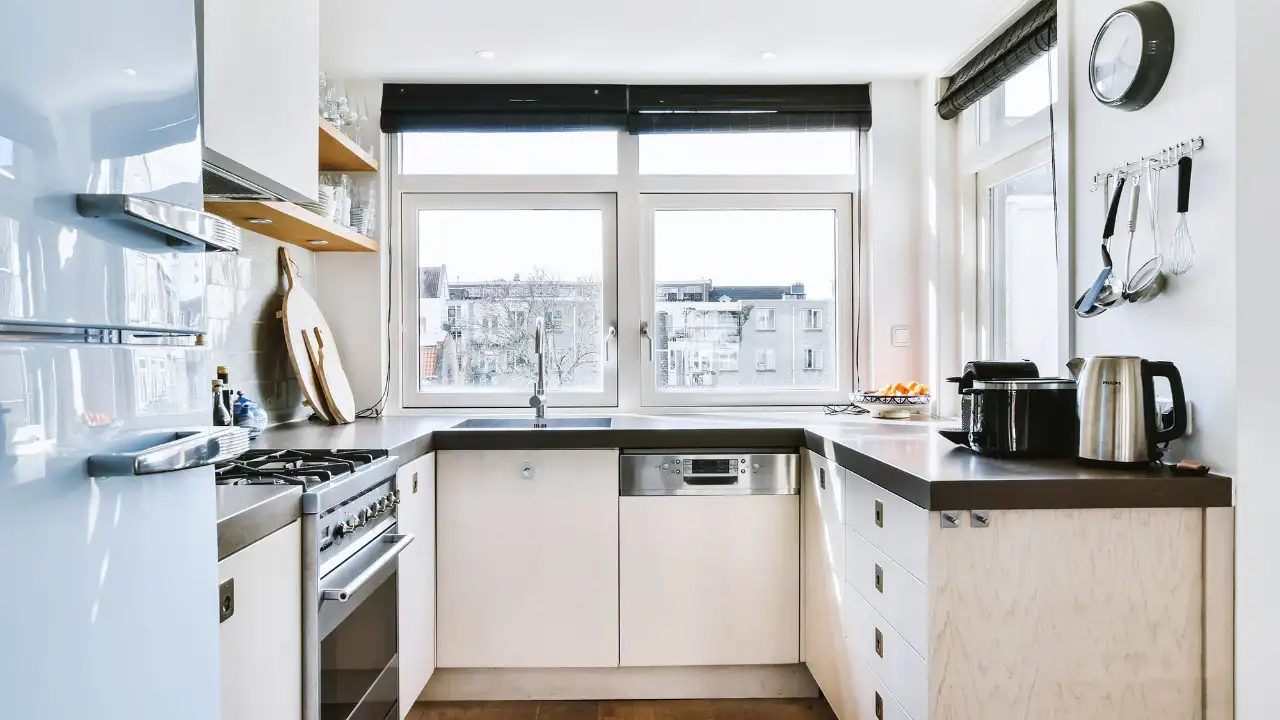
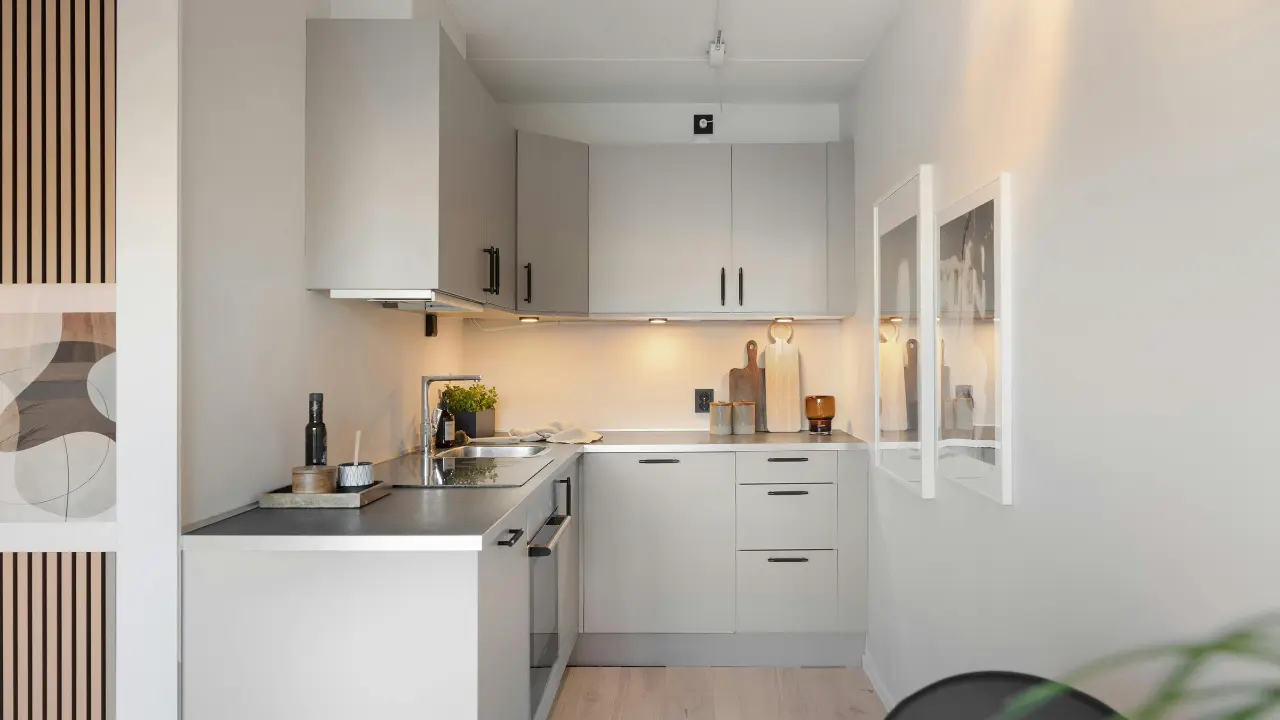
A well-lit kitchen needs more than a single ceiling fixture. The right combination of ambient, task, and accent lighting can make food preparation easier, reduce shadows, highlight your cabinets and countertops, and create a more comfortable atmosphere for everyday living.
The best kitchen lighting ideas depend on your kitchen’s layout, ceiling height, natural light, cabinet color, island size, and how you use the room. A small kitchen may need a simple combination of recessed and under-cabinet lighting, while a large open-concept kitchen may benefit from several lighting zones, statement pendants, and decorative fixtures.
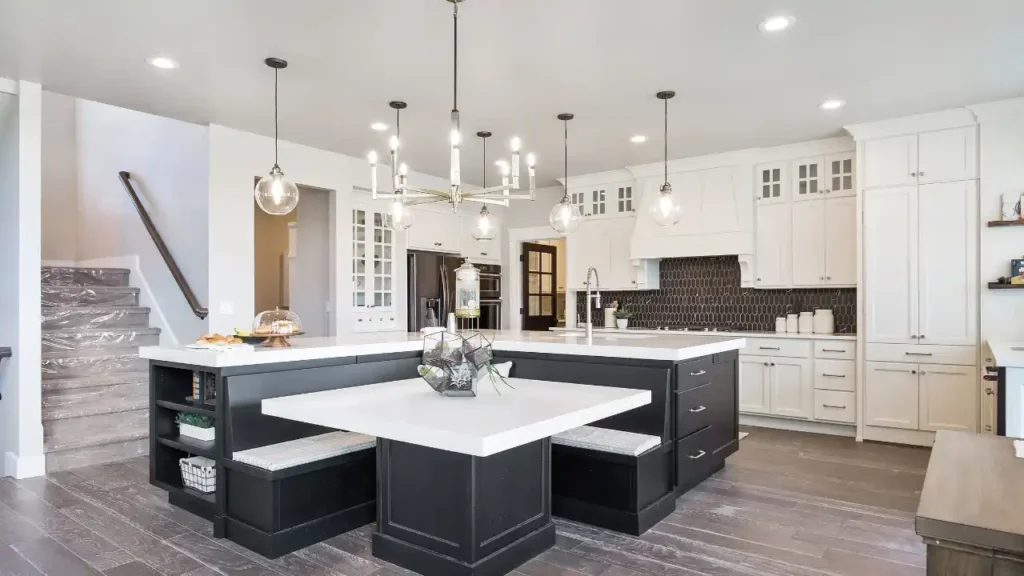
Whether you’re remodeling a kitchen or simply replacing outdated fixtures, the goal is the same: choose lighting that works well and looks intentional.
Understanding the 3 Layers of Kitchen Lighting
Before choosing fixtures, it helps to understand the three basic layers used in a well-planned kitchen lighting design.
1. Ambient Lighting
Ambient lighting provides general illumination throughout the kitchen. It should make it easy to move around the room without creating harsh dark areas.
Common examples include:
- Recessed ceiling lights
- Flush-mount fixtures
- Semi-flush fixtures
- Chandeliers
- Track lighting
- Linear ceiling fixtures
Ambient lighting forms the foundation of the room, but it shouldn’t be expected to illuminate every countertop perfectly.
2. Task Lighting
Task lighting is focused on areas where you perform specific activities.
In a kitchen, these areas commonly include:
- Countertops
- Sinks
- Food-preparation zones
- Kitchen islands
- Stovetop areas
- Pantry work areas
Under-cabinet LEDs and appropriately positioned pendants are popular task-lighting solutions because they can put light closer to the work surface.
3. Accent Lighting
Accent lighting adds visual interest and helps highlight architectural or decorative details.
Examples include:
- Cabinet interior lighting
- Open-shelf lighting
- Toe-kick LEDs
- Decorative LED strips
- Wall sconces
- Lighting inside glass-front cabinets
Accent lighting doesn’t have to be bright. Its main purpose is to add depth, atmosphere, and visual emphasis.
Key takeaway: The most effective kitchen lighting usually comes from combining ambient, task, and accent lighting rather than relying on one fixture type.
25 Best Kitchen Lighting Ideas for 2026
1. Recessed Ceiling Lights
Recessed lighting is one of the most versatile choices for modern kitchens. The fixtures sit inside the ceiling, giving the room a clean appearance without taking up visual space.
They work especially well in:
- Modern kitchens
- Minimalist kitchens
- Small kitchens
- Kitchens with low visual ceilings
- Open-concept layouts
Use recessed lights to provide general illumination, but avoid assuming that they will replace task lighting. Countertops can still have shadows depending on the location of cabinets and the person working at the counter.
Practical benefit: Clean, even general illumination.
Design benefit: Minimal visual clutter.
Potential drawback: Poor placement can create shadows or an overly flat lighting effect.
2. Statement Pendant Lights Over a Kitchen Island
A statement pendant can become a focal point above a kitchen island while also providing useful illumination.
Choose a fixture that complements the island, cabinetry, hardware, and overall kitchen style.
Large sculptural pendants can work beautifully in spacious kitchens, while simpler fixtures are often better suited to compact layouts.
Best for: Modern, contemporary, transitional, and luxury kitchens.
3. Three-Pendant Island Arrangement
Three pendant lights can create a balanced look over a longer island.
This arrangement works particularly well when the island serves several purposes, such as:
- Food preparation
- Casual dining
- Homework
- Entertaining
Choose fixtures with a consistent finish and visual scale so the arrangement feels intentional rather than crowded.
Practical benefit: Creates several focused sources of illumination.
Design benefit: Gives a large island a strong visual center.
4. Oversized Pendant for a Large Island
Instead of using multiple small fixtures, a large kitchen island can sometimes benefit from one oversized pendant.
This approach works particularly well in kitchens with:
- High ceilings
- Large islands
- Open layouts
- Minimalist interiors
- Dramatic architectural details
The fixture should be large enough to feel proportional without obstructing sightlines across the kitchen.
5. Under-Cabinet LED Strip Lighting
Under-cabinet LED lighting is one of the most practical kitchen lighting upgrades.
It places illumination directly onto countertops where food preparation and other tasks take place.
It can help with:
- Reducing countertop shadows
- Improving visibility
- Creating evening atmosphere
- Highlighting backsplash materials
- Providing low-level nighttime illumination
For a clean installation, hide the light source as much as possible so you see the illumination rather than a distracting strip of hardware.
6. Warm LED Lighting for a Cozy Kitchen
Warm lighting can create a softer, more welcoming atmosphere, especially in kitchens with:
- Wood cabinetry
- Cream cabinets
- Beige finishes
- Natural stone
- Warm metal hardware
It can work particularly well for ambient or accent lighting.
However, the appearance of warm light can vary depending on your finishes and existing daylight. Before committing to a large installation, test the light in the actual kitchen.
7. Modern Linear Light Over the Island
A linear pendant or linear suspension fixture is an excellent choice for a long kitchen island.
It provides a visually continuous source of illumination and can look especially polished in contemporary kitchens.
Pair it with:
- Flat-panel cabinets
- Quartz countertops
- Minimal hardware
- Simple bar stools
- Modern appliances
This is a strong alternative to several individual pendants when you prefer a streamlined appearance.
8. Black Pendant Lights for Contrast
Black kitchen pendant lights can add definition to an otherwise light kitchen.
They work particularly well with:
- White cabinets
- Light oak
- Marble-look countertops
- White backsplashes
- Neutral kitchens
Black fixtures can also connect visually with black cabinet hardware, window frames, faucets, or appliances.
The key is repetition. A black fixture usually feels more intentional when another dark element appears elsewhere in the room.
9. Brass Pendant Lights for a Luxury Look
Brass lighting can introduce warmth and a decorative touch to a kitchen.
It pairs especially well with:
- White cabinets
- Cream cabinets
- Deep green cabinetry
- Navy cabinets
- Marble-look countertops
- Warm wood
For a sophisticated result, coordinate brass lighting with other metal details without requiring every finish in the kitchen to be identical.
10. Glass Pendant Lights for an Airy Feel
Glass pendants can provide visual interest without making a kitchen feel heavy.
They are particularly useful when you want decorative lighting but still want the kitchen to maintain an open appearance.
Clear or lightly tinted glass can work well with:
- Small kitchens
- White kitchens
- Scandinavian interiors
- Contemporary kitchens
- Transitional spaces
A glass shade can also allow the fixture’s bulb or internal structure to become part of the design.
11. Kitchen Wall Sconces
Wall sconces are useful when you want to add lighting to walls without relying entirely on ceiling fixtures.
They can work near:
- Open shelves
- A sink
- A breakfast nook
- A coffee station
- Decorative kitchen walls
Choose the location carefully so the fixture doesn’t interfere with cabinets, shelves, windows, or everyday movement.
12. Cabinet Interior Lighting
Lighting inside glass-front or open cabinets can turn storage into a decorative feature.
Soft interior illumination works especially well for displaying:
- Glassware
- Ceramics
- Cookbooks
- Decorative dishes
- Serving pieces
Use this as accent lighting rather than trying to make it the primary source of illumination.
13. Toe-Kick LED Lighting
Toe-kick lighting places a subtle light source near the bottom of base cabinets.
It can give a kitchen a floating appearance and provide a gentle glow after dark.
This approach works especially well with:
- Modern kitchens
- Minimalist kitchens
- Handleless cabinetry
- Contemporary kitchens
- Island cabinetry
Use it sparingly. Too many decorative LEDs can make a kitchen feel more like a showroom than a comfortable home.
14. Layered Lighting Design
One of the strongest kitchen lighting strategies is to layer different fixture types.
For example:
Ambient: Recessed ceiling lights
Task: Under-cabinet LEDs
Decorative: Pendant lights over the island
Accent: Cabinet or toe-kick lighting
This approach lets you create different moods and lighting levels depending on the time of day and activity.
15. Track Lighting for Flexible Illumination
Track lighting can be useful when you want adjustable fixtures that can be directed toward different areas.
It can work well in:
- Older kitchens being updated
- Kitchens with unusual layouts
- Rental-friendly spaces
- Industrial interiors
- Kitchens where flexibility is important
Adjustable heads can help direct light toward counters, sinks, shelves, or artwork.
16. Flush-Mount Ceiling Fixture for Low Ceilings
Low ceilings don’t mean you have to sacrifice style.
Flush-mount fixtures sit close to the ceiling and can provide general illumination without taking up the vertical space of a pendant or chandelier.
Look for:
- Slim profiles
- Simple shapes
- Diffused light
- Finishes that complement your hardware
Combine the fixture with under-cabinet lighting when more countertop illumination is needed.
17. Semi-Flush Mount Lighting
Semi-flush fixtures hang slightly below the ceiling while maintaining a relatively compact profile.
They can provide more decorative interest than a basic flush mount while still working in kitchens where a large hanging fixture would be impractical.
They’re especially useful in:
- Transitional kitchens
- Traditional kitchens
- Medium-height ceilings
- Kitchens without islands
18. Farmhouse-Style Kitchen Lighting
Farmhouse kitchen lighting often combines practical illumination with familiar architectural details.
Popular choices include:
- Lantern-style fixtures
- Black metal pendants
- Aged finishes
- Simple glass shades
- Warm-looking bulbs
For a modern farmhouse kitchen, avoid combining too many rustic elements. A simple black pendant over a wood island may create a more current look than a room filled with distressed finishes.
19. Minimalist Kitchen Lighting
Minimalist lighting should support the kitchen rather than dominate it.
Good choices include:
- Recessed lighting
- Slim linear fixtures
- Simple pendants
- Hidden LEDs
- Neutral finishes
The goal isn’t to remove every visible fixture. Instead, choose a small number of elements with clear purposes.
20. Modern Organic Kitchen Lighting
Modern organic kitchens benefit from lighting that softens clean architectural lines.
Consider:
- Natural wood details
- Linen-inspired shades
- Soft pendant shapes
- Warm illumination
- Brass or aged-metal accents
This combination works particularly well with oak cabinetry, stone countertops, textured backsplashes, and other natural materials.
21. Scandinavian-Inspired Lighting
Scandinavian-inspired kitchens typically benefit from simple fixtures and comfortable illumination.
Consider:
- Soft pendant shapes
- Light-colored finishes
- Simple ceiling fixtures
- Natural wood
- Warm neutral illumination
Keep the overall design uncluttered so the lighting supports the kitchen’s functional character.
22. Industrial Kitchen Lighting
Industrial lighting can add character through materials and visible structure.
Common choices include:
- Black metal fixtures
- Exposed bulbs
- Adjustable track lights
- Metal pendants
- Cage-style shades
Balance industrial fixtures with softer materials such as wood, upholstered seating, or natural stone if you want the room to feel comfortable rather than overly utilitarian.
23. Lighting for Open Shelving
Open shelves can become more useful and visually interesting when they have dedicated lighting.
Small integrated LEDs can highlight:
- Dishes
- Glassware
- Artwork
- Plants
- Cookbooks
Make sure the light source doesn’t create glare or shine directly into people’s eyes.
24. Lighting Around a Kitchen Dining Area
If your kitchen includes a breakfast table or dining zone, consider giving that area its own fixture.
A pendant or small chandelier can visually define the dining area while keeping it connected to the kitchen.
The fixture doesn’t have to exactly match the kitchen island lights. It should, however, share some visual relationship through finish, shape, scale, or color.
25. Smart Dimmable Kitchen Lighting
Smart lighting can make a kitchen more adaptable throughout the day.
Useful features include:
- Dimming
- Scheduling
- Motion sensors
- App controls
- Voice controls
- Different lighting scenes
For example, bright task lighting may be useful during meal preparation, while a softer setting can make the kitchen more comfortable during dinner or evening entertaining.
Kitchen Lighting Ideas for Different Design Styles
The best fixture isn’t determined by appearance alone. It should also fit the architectural language of the kitchen.
Modern Kitchen Lighting
Modern kitchens often work well with:
- Linear fixtures
- Geometric pendants
- Recessed LEDs
- Black finishes
- Brushed metal
- Simple glass
Keep the shapes clean and avoid unnecessary visual clutter.
Minimalist Kitchen Lighting
Minimalist lighting can include:
- Recessed fixtures
- Slim pendants
- Hidden LED strips
- Simple flush mounts
- Neutral finishes
The fixture should perform a clear function without competing with cabinetry or countertops.
Farmhouse Kitchen Lighting
Farmhouse kitchens often benefit from:
- Lantern fixtures
- Black metal
- Warm-looking illumination
- Glass shades
- Vintage-inspired silhouettes
For a more updated farmhouse style, combine traditional lighting with cleaner cabinetry and modern countertops.
Luxury Kitchen Lighting
Luxury kitchen lighting often depends more on proportion and layering than on expensive-looking fixtures alone.
Consider:
- Sculptural pendants
- Elegant chandeliers
- Brass details
- Decorative glass
- Layered LEDs
- Carefully controlled accent lighting
The most polished result usually comes from restraint.
Scandinavian Kitchen Lighting
Scandinavian-inspired kitchens pair well with:
- Simple silhouettes
- Light wood
- Soft shapes
- Neutral finishes
- Comfortable illumination
The lighting should support the kitchen’s bright, functional atmosphere.
Modern Organic Kitchen Lighting
Use:
- Natural-looking materials
- Soft shapes
- Warm illumination
- Wood accents
- Brass or aged-metal details
This style works particularly well when the lighting complements natural cabinetry and textured materials.
Industrial Kitchen Lighting
Industrial kitchens can use:
- Metal pendants
- Exposed bulbs
- Track lighting
- Dark finishes
- Adjustable fixtures
Balance the hard materials with softer textures elsewhere in the room.
Kitchen Lighting Ideas for Different Kitchen Sizes
Small Kitchen Lighting Ideas
Small kitchens benefit from lighting that provides function without overwhelming the space.
Consider:
- Recessed ceiling lights
- Under-cabinet LEDs
- Compact pendants
- Slim fixtures
- Light-reflective surfaces
Avoid oversized chandeliers or bulky shades unless the room’s proportions clearly support them.
A useful small-kitchen combination is recessed ambient lighting + under-cabinet task lighting + one compact decorative fixture.
Medium Kitchen Lighting Ideas
Medium kitchens usually have enough space for a layered plan.
A balanced setup might include:
- Ceiling lighting
- Under-cabinet lighting
- Two pendants over an island
- Optional cabinet or shelf lighting
The goal is to illuminate the main work areas without making every surface equally bright.
Large Kitchen Lighting Ideas
Large kitchens often benefit from multiple lighting zones.
You may need separate lighting for:
- The island
- Main countertops
- Sink
- Cooking area
- Pantry
- Dining area
- Walkways
A large kitchen can accommodate statement fixtures, but scale matters. A tiny pendant may disappear over a large island, while an oversized fixture can dominate the room.
Best Kitchen Lighting Ideas Over an Island
Kitchen islands often become the visual center of the room, making island lighting particularly important.
| Island Situation | Recommended Lighting |
|---|---|
| Small island | 1–2 compact pendants |
| Medium island | 2–3 pendants |
| Large island | Linear fixture or multiple pendants |
| Narrow island | Slim linear fixture |
| Low ceiling | Flush or semi-flush fixture |
| Luxury kitchen | Sculptural pendants or chandelier |
One Large Pendant
A single oversized pendant can work well when the island is relatively compact or when you want one strong focal point.
Two Pendant Lights
Two pendants can create a balanced arrangement over a medium-sized island.
Keep the fixtures visually aligned with the island rather than placing them too close to the edges.
Three Pendant Lights
Three smaller pendants can work beautifully over a longer island.
Use consistent spacing and keep the overall arrangement proportional to the island.
Linear Island Light
A linear fixture is useful for long islands and modern kitchens.
It can provide a clean, continuous visual line without requiring several individual pendants.
Statement Chandelier
A chandelier can work when the kitchen has enough ceiling height and the fixture doesn’t interfere with sightlines.
This approach is particularly effective in traditional, transitional, or luxury kitchens.
Recessed Lights + Pendants
For a balanced plan, use recessed lighting for general illumination and pendants for island-focused lighting.
This gives the island a visual focal point while maintaining useful light elsewhere.
Under-Cabinet Lighting Ideas
Under-cabinet lighting is particularly valuable because it brings illumination closer to the work surface.
LED Strip Lights
LED strips can provide continuous illumination along a countertop.
They are useful when you want a relatively seamless appearance.
LED Puck Lights
Puck lights create localized pools of illumination.
They can work when you prefer a more segmented lighting effect, although spacing matters if you want to avoid obvious bright and dark spots.
Recessed Under-Cabinet Fixtures
Integrated fixtures can produce a cleaner appearance than visible add-on lights.
They’re especially useful during a kitchen remodel when wiring can be planned in advance.
Motion-Sensor Cabinet Lighting
Motion sensors can be convenient for nighttime trips to the kitchen.
They’re particularly useful for accent or low-level lighting where you don’t need full room illumination.
Dimmable Under-Cabinet Lighting
Dimming gives you more control over brightness throughout the day.
It can also help transition the kitchen from bright daytime work lighting to softer evening illumination.
Kitchen Ceiling Lighting Ideas
Recessed Lighting
A good choice for clean, unobtrusive general lighting.
Flush-Mount Fixtures
Useful for low ceilings and smaller kitchens.
Semi-Flush Fixtures
Offer more decorative interest while remaining relatively compact.
Track Lighting
Useful when adjustable light direction is important.
Linear Ceiling Fixtures
A strong choice for contemporary spaces and long kitchen layouts.
Chandeliers
Best suited to kitchens with enough vertical space and a design that supports a decorative centerpiece.
Kitchen Lighting Ideas for a Dark Kitchen
A dark kitchen doesn’t necessarily need brighter bulbs everywhere. It often needs better distribution.
Consider:
- Layering several light sources
- Adding under-cabinet LEDs
- Using strategically positioned recessed lighting
- Choosing fixtures with lighter or transparent shades
- Adding lighting inside glass-front cabinets
- Using reflective surfaces strategically
- Adding task lighting to work zones
If your kitchen already contains dark cabinets and countertops, consider how the light interacts with those surfaces before choosing extremely cool or extremely warm illumination.
Kitchen Lighting Ideas for Low Ceilings
Low ceilings require careful fixture selection.
Good options include:
- Recessed lights
- Flush mounts
- Slim LED fixtures
- Under-cabinet lighting
- Compact wall sconces
Large hanging pendants can still work in some kitchens, but they should be selected according to the actual ceiling height, island position, and sightlines.
How to Choose Kitchen Lighting for Your Cabinet Color
White Kitchen Cabinets
White cabinets reflect plenty of light, so almost any fixture finish can work.
Popular combinations include:
- Black
- Brass
- Chrome
- Nickel
- Glass
Cream Kitchen Cabinets
Warm metal finishes and softer lighting can complement cream cabinetry particularly well.
Consider:
- Brass
- Bronze
- Aged metal
- Warm glass
Gray Kitchen Cabinets
Gray cabinets can work with both warm and cool-looking finishes.
Black, brass, chrome, and brushed metal can all work depending on the rest of the kitchen.
Greige Kitchen Cabinets
Greige works well with warm neutral lighting and natural materials.
Consider brass, bronze, black, or soft metallic finishes.
Dark Green Kitchen Cabinets
Dark green pairs beautifully with:
- Brass
- Aged gold
- Black
- Warm wood
Use lighting that preserves the depth of the green without making the room feel overly yellow.
Navy Cabinets
Navy cabinetry can look especially sophisticated with brass, chrome, or glass fixtures.
Black Cabinets
Black cabinets benefit from carefully distributed illumination.
Consider:
- Glass pendants
- Brass fixtures
- Light-colored shades
- Under-cabinet lighting
Natural Wood Cabinets
Natural wood pairs especially well with warm, soft lighting and finishes such as:
- Brass
- Bronze
- Black
- Natural materials
Test the light against the actual wood because different wood species can react differently to lighting.
Warm vs Cool Light for a Kitchen
Color temperature can change how your cabinets, countertops, backsplash, and flooring appear.
| Light Type | Appearance | Best Use |
|---|---|---|
| Warm | Cozy and yellowish | Ambient and decorative lighting |
| Neutral | Balanced | General kitchen use |
| Cool | Crisp and slightly bluish | Certain task-focused applications |
There isn’t one universally correct color temperature for every kitchen.
The best choice depends on:
- Cabinet color
- Countertop material
- Backsplash
- Natural daylight
- Personal preference
- Fixture type
- Desired atmosphere
The most important thing is to avoid creating an accidental mix of noticeably different light colors throughout connected areas.
Where Should Kitchen Lights Be Placed?
Good kitchen lighting placement starts with how the room is actually used.
Think about:
- Ceiling fixtures
- Island
- Sink
- Countertops
- Cooking areas
- Cabinets
- Dining zones
- Walkways
One common mistake is positioning a light source behind the person working at a counter. Their body can then cast a shadow onto the work surface.
Task lighting should ideally illuminate the work area without creating unnecessary glare or shadows.
For a remodel, it is worth planning the lighting layout before cabinets, backsplash, and electrical work are finalized.
Kitchen Lighting Ideas for Open-Concept Spaces
Open-concept kitchens require more coordination because the lighting is visible from nearby rooms.
Consider:
- Matching or coordinating fixture finishes
- Creating separate lighting zones
- Using dimmers
- Connecting kitchen and dining lighting visually
- Avoiding too many competing statement fixtures
For example, if the kitchen island has large sculptural pendants, the nearby dining area may benefit from a simpler fixture rather than another oversized centerpiece.
Smart Kitchen Lighting Ideas
Smart lighting can make everyday kitchen routines easier.
Useful features include:
Dimmable Lighting
Adjust brightness depending on whether you’re cooking, eating, cleaning, or entertaining.
Motion Sensors
Useful for low-level nighttime lighting.
Smart Bulbs
Can provide scheduling and remote control where compatible with the fixture.
App Control
Useful when you want to control lighting from a phone or integrate it into a broader smart-home system.
Voice Control
Can be convenient when your hands are occupied during cooking.
Automated Schedules
You can schedule certain accent or ambient lights to turn on at particular times.
Smart features are most useful when they solve a real problem. There is no need to make every fixture connected if a simple dimmer would accomplish the same goal.
How to Make Kitchen Lighting Look More Expensive
You don’t necessarily need expensive fixtures to create a polished kitchen.
1. Use Layered Lighting
Combining ambient, task, and accent lighting creates more depth than a single bright fixture.
2. Choose Cohesive Finishes
You can mix metals, but the combination should feel deliberate.
3. Install Dimmers
Dimming helps the kitchen adapt to different activities and times of day.
4. Hide LED Strips
Integrated or concealed lighting usually looks cleaner than exposed strips.
5. Use Statement Pendants Strategically
One well-proportioned fixture can have more impact than several competing decorative lights.
6. Light Architectural Details
Open shelves, glass cabinets, or interesting ceiling details can benefit from subtle accent lighting.
7. Avoid Too Many Fixture Styles
A kitchen can quickly look visually chaotic when every light has a different shape and finish.
8. Make Visible Bulbs Intentional
If bulbs are exposed, choose a fixture where the bulb is clearly part of the design.
Kitchen Lighting Mistakes to Avoid
Using Only One Ceiling Light
A single fixture may illuminate the room but leave countertops and work zones poorly lit.
Poorly Positioned Recessed Lights
Recessed fixtures placed without considering cabinets and work surfaces can create unwanted shadows.
Ignoring Countertop Shadows
The brightest light isn’t necessarily the most useful light if your body or cabinets block it.
Choosing the Wrong Fixture Size
A fixture should be proportional to the island, ceiling, and room.
Mixing Too Many Finishes
Several unrelated finishes can make the kitchen feel disorganized.
Using Inconsistent Color Temperatures
Noticeably different light colors can make connected areas look mismatched.
Making Everything Too Bright
A kitchen should be functional, but it also needs comfortable lighting for meals and relaxation.
Forgetting Dimmers
Dimmers can make a lighting system much more flexible.
Ignoring Cabinet Lighting
Dark areas beneath or inside cabinets can remain difficult to use even when the ceiling is bright.
Choosing Style Before Function
A beautiful pendant isn’t a successful kitchen light if it blocks sightlines, creates glare, or fails to illuminate the area properly.
How to Choose Kitchen Lighting Step by Step
Step 1: Analyze Natural Light
Observe which areas receive daylight and when.
Step 2: Identify Work Areas
Mark your main food-preparation, cooking, washing, and storage zones.
Step 3: Determine the Kitchen Size
The number and type of fixtures will depend partly on the room’s scale.
Step 4: Identify the Ceiling Height
Ceiling height affects whether pendants, chandeliers, flush mounts, or recessed fixtures are appropriate.
Step 5: Plan Ambient Lighting
Create the foundation for overall room illumination.
Step 6: Add Task Lighting
Focus on countertops, islands, sinks, and cooking areas.
Step 7: Add Accent Lighting
Use decorative lighting selectively to highlight cabinets, shelves, or architectural details.
Step 8: Choose Fixture Style
Match the fixtures to the kitchen’s overall design.
Step 9: Select Finish
Coordinate with hardware, faucets, appliances, and other visible metal details.
Step 10: Choose Color Temperature
Consider the cabinets, countertops, natural light, and atmosphere you want.
Step 11: Add Dimmers Where Appropriate
Dimmers provide greater control over brightness.
Step 12: Check the Overall Visual Balance
Stand back and look at the entire room. Lighting should feel connected rather than like a collection of unrelated fixtures.
Which Kitchen Lighting Is Best for You?
| Your Kitchen Need | Best Option |
|---|---|
| General illumination | Recessed or ceiling lighting |
| Countertop visibility | Under-cabinet lighting |
| Island centerpiece | Pendant or linear lighting |
| Low ceiling | Flush or semi-flush lighting |
| Small kitchen | Recessed + under-cabinet lighting |
| Dark kitchen | Layered lighting |
| Luxury look | Statement pendants or chandelier |
| Farmhouse style | Lantern or metal fixtures |
| Minimalist style | Slim, simple fixtures |
| Flexible lighting | Track or adjustable fixtures |
The table is a starting point, not a strict rule. Your kitchen layout and existing electrical setup should guide the final decision.
Can You Install Kitchen Lighting Yourself?
Some lighting updates may be relatively simple, but electrical work can involve real safety risks.
Projects That May Be DIY-Friendly
Depending on the product and local requirements, homeowners may be comfortable with:
- Replacing compatible bulbs
- Installing some plug-in under-cabinet lights
- Installing certain low-voltage LED systems
- Assembling decorative fixtures before installation
Always follow the manufacturer’s instructions.
When to Hire an Electrician
Professional help is appropriate when the project involves:
- New wiring
- New electrical boxes
- Moving electrical points
- Hardwired fixtures
- New circuits
- Complex remodeling work
If you’re unsure whether existing wiring can safely support a new fixture, don’t guess.
Safety note: Electrical requirements vary by location and installation. Follow applicable local electrical codes and manufacturer’s instructions, and use a qualified electrician when the work goes beyond your experience.
How Much Should You Budget for Kitchen Lighting?
Kitchen lighting costs vary widely depending on the fixtures, number of lights, wiring, ceiling access, electrical work, and installation requirements.
Instead of relying on one generic project price, consider the project in levels.
Budget-Friendly Updates
Examples include:
- New bulbs
- Plug-in LED lighting
- Simple replacement fixtures
- Basic under-cabinet lighting
These can improve a kitchen without changing the electrical layout.
Mid-Range Improvements
These might include:
- New pendant lights
- Under-cabinet systems
- Multiple recessed fixtures
- Dimmable lighting
- Updated ceiling fixtures
Higher-End Lighting
Higher-end projects may involve:
- Designer pendants
- Statement chandeliers
- Custom lighting
- Integrated cabinet lighting
- New wiring
- Professional electrical installation
The most important investment isn’t always the most expensive fixture. Good placement and appropriate layering can have a larger impact on how the kitchen functions.
Frequently Asked Questions About Kitchen Lighting
What is the best type of lighting for a kitchen?
There isn’t one fixture that works best for every kitchen. A layered system combining ambient, task, and accent lighting is often more versatile than relying on one source.
How many lights should a kitchen have?
The number depends on the kitchen’s dimensions, ceiling height, layout, fixture output, natural light, and activities. Instead of choosing a fixed number, plan lighting around specific zones and functions.
What color temperature is best for kitchen lighting?
A warm, neutral, or cool temperature can work depending on the kitchen’s finishes and intended atmosphere. Neutral or moderately warm lighting is often versatile, but the best choice should be tested against the actual cabinets and countertops.
Should kitchen lights be warm or cool?
Warm light can create a comfortable atmosphere, while cooler light can feel crisp and focused. The right choice depends on the kitchen design and how the room is used.
What is the best lighting for a kitchen island?
Pendant lights and linear fixtures are popular choices. The right option depends on the island’s size, ceiling height, layout, and overall kitchen style.
Is recessed lighting good for kitchens?
Yes. Recessed lighting can provide clean general illumination, but placement is important. It should be planned around cabinets, countertops, islands, and work zones.
Is under-cabinet lighting worth it?
For many kitchens, yes. It can improve countertop visibility, reduce shadows, and add a useful layer of evening lighting.
How do I make a small kitchen look brighter?
Use a combination of appropriate ceiling lighting, under-cabinet illumination, and carefully chosen decorative fixtures. Light-reflective surfaces and a visually uncluttered lighting plan can also help.
What lighting works best for low kitchen ceilings?
Flush mounts, slim fixtures, and recessed lighting are practical choices. Under-cabinet lighting can provide additional task illumination without using ceiling height.
Should all kitchen lights match?
Not necessarily. Fixtures can have different shapes or even finishes if there is a clear visual relationship between them. Consistency in scale, color, or design language can be more important than exact matching.
Can LED strip lights be used under kitchen cabinets?
Yes, LED strip systems are commonly used for under-cabinet illumination. Choose a product designed for the intended location and follow its installation requirements.
Where should recessed kitchen lights be placed?
Placement should be based on the room’s layout, cabinets, countertops, island, and work zones. Avoid creating unnecessary shadows behind the person working at the counter.
Kitchen Lighting Checklist
Before finalizing your lighting plan, review this checklist:
- ☐ Identify natural-light sources
- ☐ Mark cooking and preparation areas
- ☐ Plan ambient lighting
- ☐ Plan task lighting
- ☐ Add accent lighting where useful
- ☐ Decide on island fixture size
- ☐ Check ceiling height
- ☐ Select fixture finishes
- ☐ Choose color temperature
- ☐ Consider dimmers
- ☐ Plan cabinet lighting
- ☐ Check for countertop shadows
- ☐ Coordinate lighting with backsplash and hardware
- ☐ Consider the dining area
- ☐ Review the lighting plan before electrical installation
Final Thoughts on Kitchen Lighting Ideas
The best kitchen lighting ideas aren’t simply the fixtures that look attractive in a photograph. Good kitchen lighting should make everyday tasks easier while also supporting the room’s overall design.
For a small kitchen, a combination of recessed or flush-mounted ambient lighting and under-cabinet LEDs may be enough, with one compact decorative fixture if space allows. A medium kitchen can benefit from more deliberate layering, while a large or open-concept kitchen may need several lighting zones for the island, countertops, dining area, and circulation paths.
Start with function, then build the visual design around it. Consider where you cook, prepare food, wash dishes, eat, and entertain. From there, choose fixtures that complement your cabinets, countertops, backsplash, hardware, and architectural style.
The most successful kitchen lighting plan is usually the one that feels effortless: bright where you need it, softer where you want it, and visually connected from one part of the room to another.