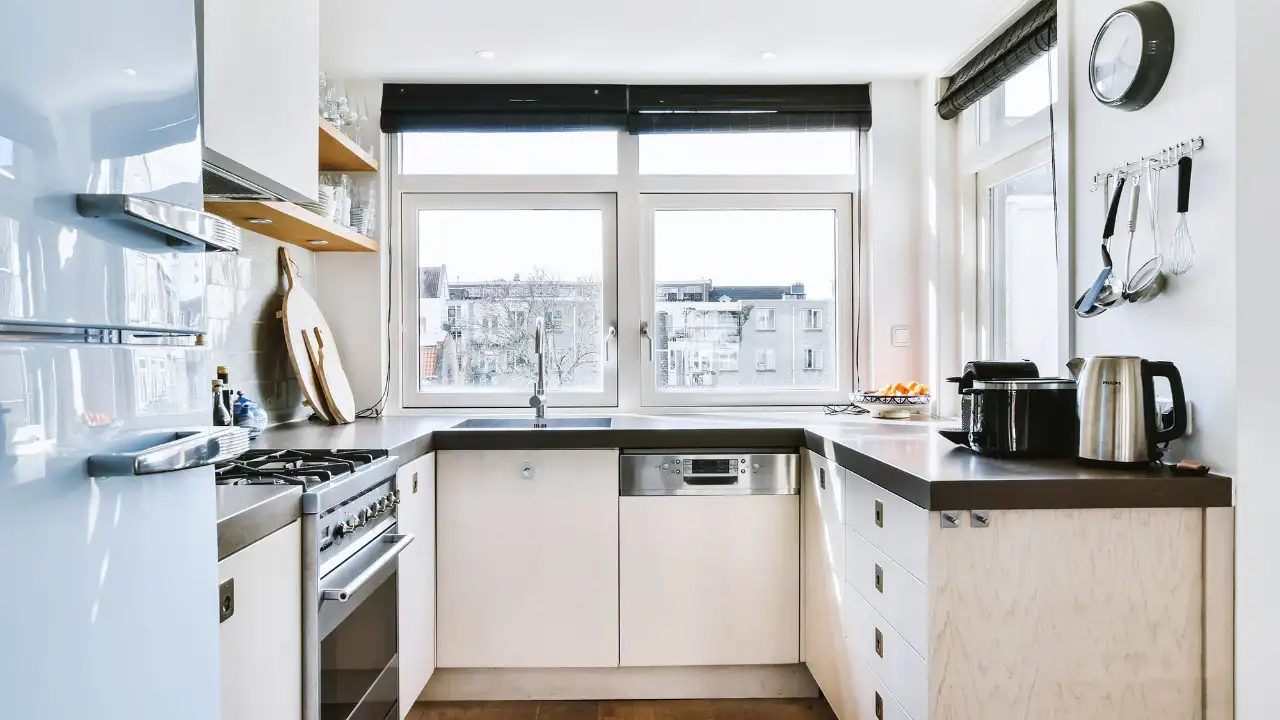
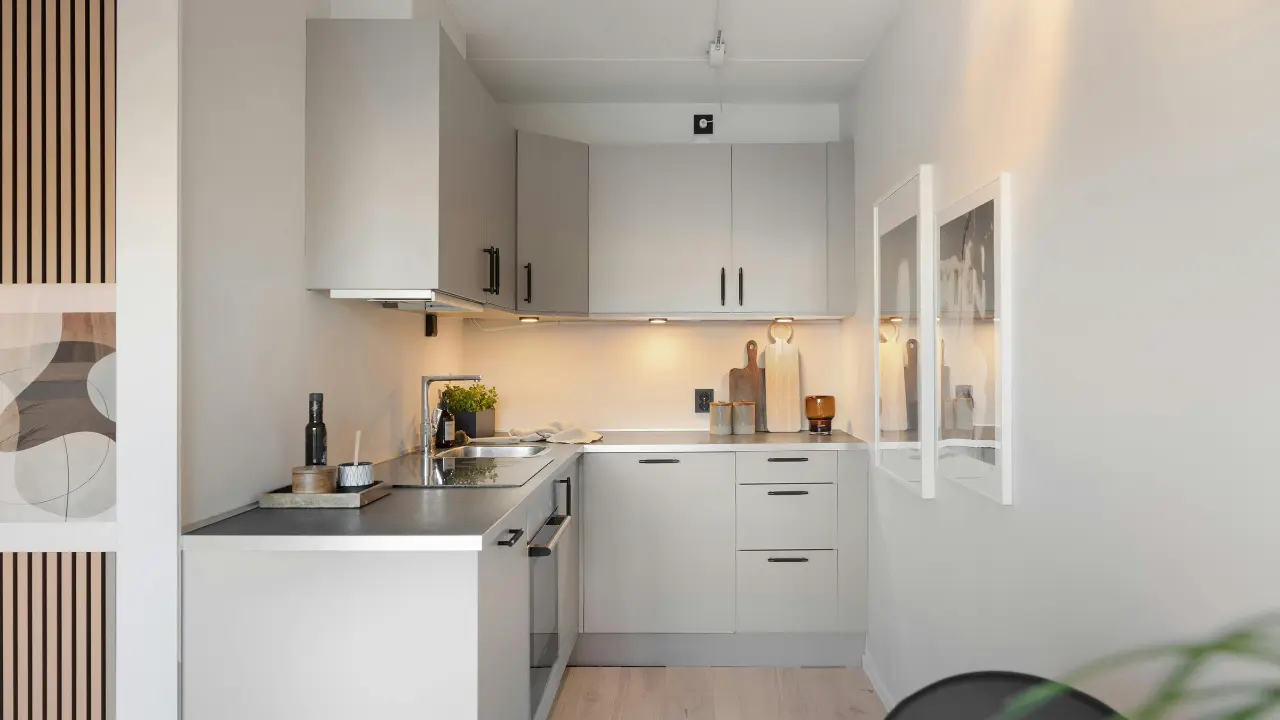
Introduction
A dark cottagecore kitchen combines the comforting character of a traditional cottage with deeper colors, natural materials, vintage-inspired details, and warm, atmospheric lighting. Instead of relying on an entirely light palette, this approach uses shades such as forest green, olive, navy, charcoal, chocolate brown, and soft black to create depth.
The result can feel cozy, nostalgic, collected, and highly personal.
But creating a dark cottage kitchen is not simply a matter of painting every cabinet black. The most successful designs balance dark elements with warm neutrals, natural wood, stone, ceramic surfaces, practical lighting, and enough visual breathing room.
That balance is particularly important in kitchens because they need to work as everyday spaces. Storage, countertop visibility, appliance placement, cleaning, ventilation, and comfortable movement should remain priorities alongside appearance.
You also do not need to live in an actual cottage to use this aesthetic. A suburban kitchen, city apartment, renovated farmhouse, or contemporary home can all incorporate cottagecore elements through cabinetry, lighting, materials, textiles, artwork, and carefully selected accessories.
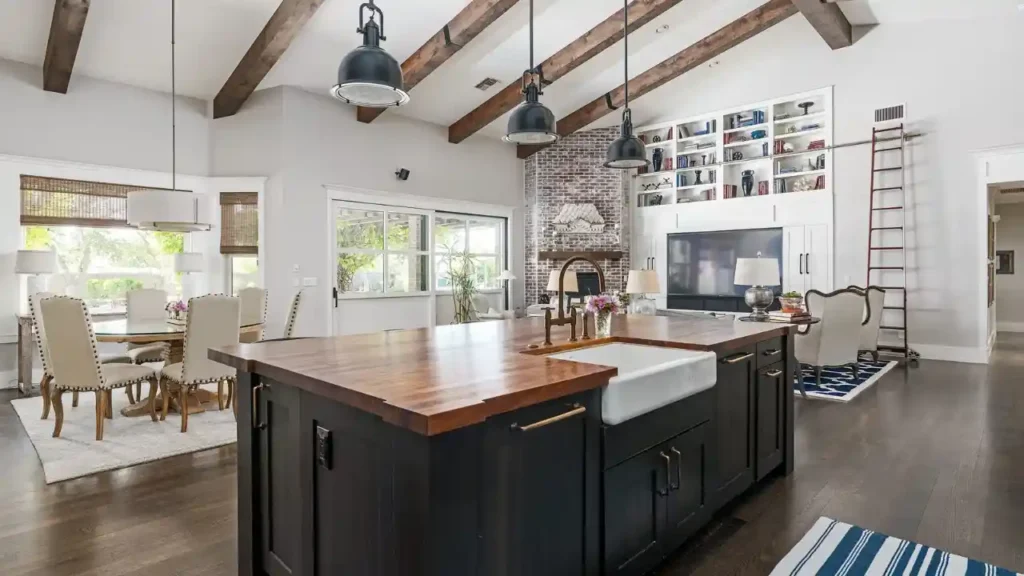
Whether you are planning a complete renovation or simply want to introduce a moodier cottage character, the ideas below can help you build the look without making the room feel artificially themed or unnecessarily cluttered.
Quick Dark Cottagecore Kitchen Design Guide
| Design Element | Dark Cottagecore Direction | Suggested Options |
|---|---|---|
| Cabinets | Deep and muted | Forest green, olive, navy, brown |
| Walls | Warm and atmospheric | Cream, mushroom, beige, warm white |
| Countertops | Natural and tactile | Wood, marble, soapstone, quartzite |
| Backsplash | Vintage or handcrafted | Ceramic, subway, stone, patterned tile |
| Hardware | Aged and traditional | Brass, bronze, iron |
| Lighting | Warm and layered | Lanterns, sconces, pendants |
| Flooring | Natural and grounded | Oak, stone, terracotta |
| Shelving | Open and practical | Natural wood |
| Decor | Collected and nostalgic | Ceramics, artwork, baskets |
| Plants | Natural but edited | Herbs, flowers, trailing plants |
| Textiles | Soft and tactile | Linen, cotton, gingham |
What Is a Dark Cottagecore Kitchen?
A dark cottagecore kitchen combines the nostalgic, relaxed qualities associated with cottage interiors with a darker and more atmospheric color palette.
Traditional cottage-inspired spaces often use light walls, painted cabinetry, wood, practical furniture, ceramics, textiles, and natural materials. The darker interpretation keeps those elements but introduces richer tones and stronger visual depth.
Think of:
- Forest green cabinetry
- Deep olive walls or cabinets
- Walnut and oak
- Cream ceramic tile
- Aged brass
- Antique bronze
- Stone countertops
- Open wooden shelves
- Vintage-inspired lighting
- Botanical artwork
- Linen textiles
- Ceramic pottery
- Herbs and flowers
The goal is not to make the kitchen look old. Instead, it should feel lived-in, warm, collected, and connected to nature.
Core Characteristics
A strong dark cottage kitchen usually combines several of these qualities:
- Deep, muted colors
- Natural textures
- Traditional cabinet profiles
- Warm lighting
- Vintage-inspired accessories
- Handmade-looking surfaces
- Botanical references
- Furniture-style elements
- Comfortable seating
- Practical storage
- Controlled visual contrast
One important distinction is authenticity of feeling. You do not need distressed cabinets, fake antiques, or dozens of decorative objects to create cottage character. A simple Shaker cabinet in deep green, a natural wood shelf, warm lighting, and a few useful ceramic pieces can communicate the aesthetic more effectively.
Dark Cottagecore vs. Traditional Cottage Kitchen
Dark cottagecore is best understood as an interpretation of cottage style rather than a completely separate architectural category.
| Feature | Dark Cottagecore | Traditional Cottage |
|---|---|---|
| Color | Deeper and moodier | Light to medium |
| Cabinetry | Green, navy, brown, charcoal | White, cream, pastel, wood |
| Lighting | Warm and atmospheric | Warm and practical |
| Decor | Vintage, botanical, whimsical | Traditional and practical |
| Materials | Wood, stone, ceramic | Wood, tile, stone |
| Mood | Moody and cozy | Bright and relaxed |
| Contrast | Controlled and dramatic | Usually softer |
There can also be overlap with English country, farmhouse, rustic, vintage, and modern organic interiors. The difference is usually less about strict rules and more about the combination of color, texture, architecture, and styling.
What Makes a Kitchen Feel Cottagecore?
Natural Materials
Natural materials help prevent a dark palette from feeling flat.
Consider:
- Oak
- Walnut
- Stone
- Ceramic
- Wicker
- Linen
- Cotton
- Terracotta
- Copper
- Glass
Wood is particularly useful because it introduces warmth and visible texture against painted cabinets.
Traditional Details
Classic details can give a kitchen cottage character without requiring elaborate decoration.
Popular choices include:
- Shaker cabinets
- Raised-panel doors
- Beaded cabinetry
- Furniture-style islands
- Apron-front sinks
- Open shelving
- Classic hardware
- Traditional faucets
- Decorative molding
Use architectural details where they make sense for the home. Forcing fake beams, excessive molding, or decorative features into a contemporary space can make the design feel less natural.
Collected Decor
Cottage kitchens often feel personal because the objects appear to have a purpose or story.
You might display:
- Ceramic bowls
- Pottery
- Cutting boards
- Cookbooks
- Baskets
- Botanical prints
- Small landscape paintings
- Vintage-inspired containers
- Copper cookware
The important word is collected, not crowded.
Connection to Nature
Cottagecore has a strong relationship with gardens and the outdoors.
Bring that connection inside with:
- Fresh herbs
- Small potted plants
- Flowers
- Botanical artwork
- Natural wood
- Floral textiles
- Woven baskets
Dark Cottagecore Kitchen Color Palette
Color is one of the easiest ways to establish the mood.
Popular Dark Colors
Consider:
- Forest green
- Deep olive
- Moss green
- Dark sage
- Navy blue
- Slate blue
- Charcoal
- Soft black
- Chocolate brown
- Walnut
- Deep teal
These colors generally work best when their undertones are considered alongside the rest of the kitchen.
For example, a green with a slightly warm or earthy character may coordinate more naturally with walnut and aged brass than a highly saturated blue-green.
Supporting Colors
Dark colors benefit from supporting tones such as:
- Cream
- Warm white
- Mushroom
- Beige
- Taupe
- Oatmeal
- Soft tan
- Natural wood
Color Combination Ideas
| Color Combination | Mood | Supporting Materials |
|---|---|---|
| Forest green + cream | Botanical and cozy | Oak, brass |
| Olive + beige | Earthy | Stone, wood |
| Navy + warm white | Classic | Brass, oak |
| Chocolate brown + cream | Rich and warm | Ceramic, bronze |
| Charcoal + natural wood | Moody and grounded | Stone, brass |
| Deep green + walnut | Dramatic | Marble, bronze |
| Dark teal + cream | Romantic | Wood, ceramic |
| Soft black + oak | Refined | Brass, stone |
| Moss + terracotta | Earthy cottage | Wood, ceramic |
| Navy + taupe | Traditional | Bronze, marble |
How to Choose Dark Colors Without Making the Kitchen Feel Too Dark
A dark kitchen can be atmospheric without becoming difficult to use. The key is to consider the entire room rather than the cabinet color alone.
Start by looking at:
- Natural daylight
- Window size
- Ceiling height
- Kitchen dimensions
- Existing flooring
- Countertop color
- Backsplash reflectivity
- Artificial lighting
- Amount of dark cabinetry
Use Dark Colors Strategically
You do not have to make every surface dark.
Instead, consider:
- Dark lower cabinets
- A dark island
- A deep-colored pantry wall
- A dark range hood
- One accent wall
- Dark furniture-style cabinetry
This creates visual depth while leaving room for lighter materials.
Balance Dark Cabinets
Useful balancing elements include:
- Cream walls
- Light countertops
- Natural wood
- Warm lighting
- Glazed ceramic tile
- Brass hardware
- Light stone
The objective is not maximum darkness. It is depth and atmosphere while preserving usability.
35 Best Dark Cottagecore Kitchen Ideas for 2026
1. Forest Green Cottagecore Cabinets
Forest green is a natural choice for a moody cottage kitchen because it connects visually with foliage, gardens, and wooded landscapes.
Pair deep green cabinets with cream walls, oak shelving, natural stone, or aged brass.
For a stronger traditional appearance, use Shaker or raised-panel doors. For a more contemporary interpretation, use simpler cabinet profiles and fewer decorative accessories.
2. Dark Olive Kitchen Cabinets
Olive offers a muted alternative to brighter greens.
It works particularly well with:
- Beige
- Mushroom
- Natural oak
- Bronze
- Terracotta
- Cream ceramic
Olive can be especially useful when you want a dark palette without creating extremely high contrast.
3. Deep Navy Cottage Kitchen
Deep navy gives cottage cabinetry a classic appearance while creating more visual drama than traditional pale blue.
Use navy on perimeter cabinets, a pantry, or an island.
Pair it with warm white, oak, marble, aged brass, or brushed metal. Avoid allowing the blue to become too cool if the goal is a warm cottage atmosphere.
4. Chocolate Brown Cottagecore Kitchen
Chocolate brown can create a rich, grounded kitchen.
Use brown through:
- Painted cabinets
- Walnut cabinetry
- A wooden island
- Furniture
- Shelving
Cream walls and natural stone can prevent the palette from becoming visually heavy.
5. Charcoal Cottagecore Kitchen
Charcoal offers a softer interpretation of black.
It can work beautifully with oak, cream, brass, and stone because it provides contrast without necessarily creating the strongest possible visual statement.
Use charcoal across cabinetry or reserve it for an island or pantry wall.
6. Black Cottagecore Kitchen
Black can work in cottage-inspired interiors when used intentionally.
Instead of covering every major surface in black, consider:
- A black island
- Lower cabinets
- A range hood
- Pantry cabinetry
- Hardware
Warm wood, cream, stone, and aged brass can soften the overall composition.
7. Dark Green + Natural Wood
Few combinations feel as naturally connected to cottage design as dark green and wood.
Use deep green cabinets with:
- Oak shelves
- A wooden island
- Wooden stools
- Natural flooring
- Walnut accessories
The visible grain of wood can add variation and prevent painted cabinetry from feeling too uniform.
8. Dark Cabinets + Marble Countertops
Light marble can create an elegant contrast against deep green, navy, brown, or charcoal cabinetry.
Consider the specific marble’s veining and background color rather than choosing only by name.
Also evaluate practical considerations such as staining, etching, sealing, and cleaning before installation.
9. Dark Cabinets + Butcher Block
Butcher block or another wood countertop can introduce warmth and a more casual cottage character.
Wood surfaces require appropriate care, particularly around sinks and areas exposed to moisture.
Think about:
- Sealing
- Water exposure
- Scratching
- Cleaning
- Refinishing
Wood works especially well when you want the kitchen to feel relaxed rather than highly formal.
10. Dark Cottagecore Kitchen With Soapstone
Soapstone can reinforce a traditional and moody atmosphere.
Its deep appearance pairs naturally with cream, green, wood, and aged metals.
Before choosing it, learn about its surface characteristics and maintenance requirements. Some homeowners appreciate the way natural wear develops over time, while others prefer a more uniform surface.
11. Handmade-Style Cottagecore Backsplash
A handmade-look backsplash can introduce the slight variation that makes cottage kitchens feel less manufactured.
Consider:
- Cream ceramic
- Irregular tile
- Zellige-style tile
- Softly textured surfaces
Choose grout carefully because the grout color can significantly affect the appearance of the finished wall.
12. Vintage Subway Tile
Warm white or cream subway tile is a versatile option for a cottage kitchen.
Traditional layouts can emphasize the classic character, while slightly varied tile or a softer grout color can create a less uniform appearance.
The backsplash should complement rather than compete with the countertop.
13. Patterned Cottagecore Backsplash
Botanical, floral, geometric, or traditional patterns can create a focal point.
Use patterned tile selectively, such as behind the range or within a small backsplash zone.
If the cabinetry, flooring, and textiles are already visually active, a quieter backsplash may create a better balance.
14. Aged Brass Hardware
Aged brass can add warmth and a vintage quality to dark cabinetry.
Use it for:
- Knobs
- Pulls
- Faucets
- Shelf brackets
- Lighting
Because brass finishes vary considerably, look at physical samples alongside the cabinet color and countertop before making a final decision.
15. Antique Bronze Hardware
Antique bronze offers a deeper alternative to brass.
It works especially well with:
- Dark green
- Chocolate brown
- Cream
- Natural wood
It can create a quieter, more understated traditional appearance.
16. Iron Cottagecore Hardware
Iron is useful when you want a stronger rustic element.
Use it for:
- Cabinet handles
- Shelf brackets
- Latches
- Pendant fixtures
Iron pairs naturally with wood and stone but can look severe if there are no warmer materials to balance it.
17. Vintage-Inspired Lantern Lighting
Lantern-style fixtures can immediately introduce traditional cottage character.
Use them over:
- Kitchen islands
- Dining areas
- Worktables
Pay close attention to scale. A fixture that looks beautiful in a large kitchen may overwhelm a compact room.
18. Warm Wall Sconces
Wall sconces can provide both atmosphere and useful localized illumination.
Consider placing them near:
- Open shelving
- A sink
- Artwork
- A pantry area
Decorative sconces should complement, rather than replace, proper task lighting.
19. Cottagecore Kitchen With Open Shelving
Natural wood shelves are useful for displaying everyday items.
Consider using them for:
- Ceramic dishes
- Glassware
- Cookbooks
- Plants
- Small baskets
The key is editing. Open shelving requires more visual maintenance than closed cabinets, so display only what you actually use or genuinely enjoy seeing.
20. Cottagecore Kitchen With Plate Racks
A plate rack can add strong cottage character while keeping frequently used dishes accessible.
It works best when there is enough wall space and the household genuinely uses the displayed plates.
Choose a simple wood design for a restrained look or a more traditional version if the kitchen already has classic architectural details.
21. Vintage Farmhouse Sink
An apron-front sink can strengthen the traditional cottage character.
Possible materials include:
- Fireclay
- Porcelain
- Stainless steel
Consider sink depth, cabinet compatibility, cleaning requirements, and faucet reach before choosing a model.
The visual appeal should support everyday usability rather than compromise it.
22. Bridge-Style Kitchen Faucet
A bridge-style faucet can complement traditional cabinetry and cottage-inspired sinks.
Possible finishes include:
- Brass
- Bronze
- Nickel
Look at the faucet’s proportions relative to the sink and backsplash. A beautiful faucet can still feel awkward if it is too large for the surrounding fixtures.
23. Dark Cottagecore Kitchen With Wood Island
A wood island can soften dark painted cabinetry.
Consider:
- Oak
- Walnut
- Reclaimed-look wood
- Butcher-block surfaces
A wood island can become the warm focal point of the kitchen while allowing the perimeter cabinetry to remain dark.
24. Furniture-Style Cottage Kitchen Island
A furniture-style island can make a kitchen feel more like a traditional living space.
Possible details include:
- Paneled sides
- Turned legs
- Decorative brackets
- Painted finishes
- Wood countertops
Keep ornamentation proportional to the rest of the kitchen. A simpler furniture-style island often feels more timeless than an overly elaborate one.
25. Dark Cottagecore Kitchen With Botanical Decor
Botanical details strengthen the connection between cottagecore and nature.
Use:
- Herb pots
- Dried flowers
- Botanical prints
- Floral ceramics
- Small greenery
Keep plants away from excessive heat and areas where water or grease exposure could damage them.
26. Vintage Cottagecore Artwork
Artwork can add personality without changing the kitchen’s permanent finishes.
Good themes include:
- Botanical illustrations
- Landscapes
- Still-life artwork
- Food illustrations
- Garden imagery
Choose frames that coordinate with the kitchen’s materials. A few carefully selected pieces can have more impact than a wall filled with unrelated prints.
27. Cottagecore Kitchen With Linen Curtains
Linen curtains can soften windows and introduce natural texture.
Consider:
- Washability
- Moisture
- Grease exposure
- Distance from cooking surfaces
- Amount of natural light
A simple natural linen curtain can work particularly well with dark green, cream, wood, and stone.
28. Gingham and Floral Textiles
Textiles are an easy way to introduce cottage character without committing to permanent patterns.
Use gingham or subtle floral designs for:
- Tea towels
- Curtains
- Cushions
- Table runners
If the kitchen already has patterned tile or strong stone veining, keep textile patterns quieter.
29. Terracotta Cottagecore Kitchen
Terracotta adds earthy warmth to a dark palette.
It can appear through:
- Floor tile
- Pots
- Ceramic accessories
- Decorative objects
Pair it with forest green, cream, brown, and natural wood for a grounded palette.
30. Dark Cottagecore Kitchen With Stone Flooring
Stone flooring can give a kitchen an old-world foundation.
Consider:
- Slate
- Limestone
- Natural stone
- Stone-look porcelain
Look at texture, cleaning requirements, moisture resistance, and slip characteristics before selecting a surface.
31. Small Dark Cottagecore Kitchen
A small kitchen can still have a strong cottage identity.
Try:
- Dark lower cabinets
- Cream walls
- Light countertops
- Natural wood shelves
- Reflective backsplash tile
- Vertical storage
- Compact lighting
- Limited countertop decor
Another strategy is to use one dark focal element, such as an island or pantry wall, while keeping other surfaces lighter.
32. Dark Cottagecore Apartment Kitchen
Apartments can incorporate the aesthetic without major structural changes.
Consider:
- Cabinet hardware
- Artwork
- Textiles
- Freestanding furniture
- Ceramic accessories
- Plants
- Removable or permitted decorative updates
- Portable lighting
Always check rental rules before making permanent changes.
33. Dark Cottagecore Kitchen on a Budget
You do not need to replace an entire kitchen to change its atmosphere.
Start with affordable updates such as:
- Cabinet paint
- New hardware
- Lighting
- Secondhand furniture
- Vintage-inspired artwork
- Ceramic accessories
- Linen textiles
- Plants
Mid-range changes could include a new faucet, backsplash, open shelving, or cabinet refinishing.
Larger investments include cabinetry, countertops, flooring, custom ventilation, and layout changes.
Prioritize upgrades based on both visual impact and daily function.
34. Modern Dark Cottagecore Kitchen
A modern kitchen can still have a cottagecore atmosphere.
Combine:
- Clean cabinet lines
- Modern appliances
- Efficient storage
- Deep colors
- Natural wood
- Traditional-inspired lighting
- Vintage-inspired accessories
The result should feel like a contemporary kitchen with cottage character rather than an attempt to recreate an old kitchen exactly.
35. Romantic Dark Cottagecore Kitchen
For a softer and more romantic interpretation, combine:
- Deep green
- Chocolate brown
- Soft black
- Floral textiles
- Botanical artwork
- Ceramics
- Natural wood
- Warm lighting
- Aged metal
Keep the palette controlled. Romantic does not have to mean every surface is patterned.
Dark Cottagecore Kitchen Cabinet Ideas
Cabinetry is often the largest visual element in a kitchen, so it deserves careful consideration.
Forest Green Cabinets
Forest green works particularly well when you want a strong connection with nature.
Pair it with cream walls, oak, stone, brass, or ceramic tile.
Olive Cabinets
Olive provides a softer, earthier direction. It can work well with beige, mushroom, bronze, and terracotta.
Navy Cabinets
Navy creates a classic appearance and works well with cream, marble, oak, and brass.
Brown Cabinets
Brown can come from paint or natural wood. Walnut is particularly useful when you want a rich, deep palette with visible grain.
Charcoal Cabinets
Charcoal creates drama while offering a softer alternative to pure black.
Black Cabinets
Black can be effective as a focal color, especially when balanced by warm wood and lighter supporting surfaces.
Cabinet Profiles
Consider:
- Shaker
- Raised-panel
- Beaded
- Framed
- Furniture-style cabinetry
The cabinet profile affects how traditional the kitchen feels. A simple Shaker door can support a modern cottage interpretation, while raised panels and furniture-style details can create a more traditional appearance.
Also evaluate:
- Paint durability
- Cleaning
- Door proportions
- Hardware placement
- Wood grain
- Fingerprints
- Finish maintenance
Dark Cottagecore Kitchen Countertop Ideas
The countertop should be selected alongside the cabinets and backsplash rather than as an isolated choice.
| Countertop | Character | Good Pairings | Considerations |
|---|---|---|---|
| Marble | Classic and expressive | Dark green, cream | Staining and etching considerations |
| Quartz | Consistent | Green, navy, brown | Care varies by product |
| Quartzite | Natural and refined | Wood, dark cabinets | Sealing and care vary |
| Soapstone | Dark and traditional | Cream, green | Surface characteristics and care |
| Granite | Natural variation | Wood, painted cabinets | Pattern and maintenance |
| Butcher block | Warm and rustic | Green, navy | Water exposure and sealing |
| Limestone | Soft and aged | Brown, cream | Porosity and maintenance |
Honed vs. Polished
A honed finish can feel softer and more understated, while a polished surface can create stronger reflection.
The appropriate choice depends on how much visual shine and maintenance you want.
Consider the Entire Surface
Before choosing a countertop, evaluate:
- Veining
- Background color
- Edge profile
- Staining
- Scratching
- Heat exposure
- Sealing
- Cleaning
- Cost
A countertop should look good in the actual kitchen, not only in a showroom sample.
Dark Cottagecore Kitchen Backsplash Ideas
Cream Ceramic Tile
Cream ceramic provides useful contrast against dark cabinets while maintaining a warm cottage appearance.
Handmade-Look Tile
Slight variation can add visual texture and prevent the backsplash from feeling overly uniform.
Zellige-Style Tile
Irregular edges and surface variation can create a handcrafted appearance.
Subway Tile
Subway tile remains versatile because its simple shape can support both traditional and contemporary cottage kitchens.
Botanical or Patterned Tile
Use patterns as focal details rather than covering every available wall.
Natural Stone
Stone can introduce earthy variation and reinforce the connection with natural materials.
Full-Height Backsplash
A full-height backsplash can create a more architectural appearance and visually connect the countertop with upper cabinetry or open shelving.
Remember that grout color matters. A contrasting grout can emphasize individual tiles, while a closer grout color creates a quieter surface.
Dark Cottagecore Kitchen Hardware Ideas
| Hardware | Character |
|---|---|
| Aged Brass | Warm and vintage |
| Antique Bronze | Deep and traditional |
| Iron | Rustic and grounded |
| Brushed Brass | Soft and contemporary |
| Nickel | Classic and restrained |
| Ceramic Knobs | Cottage-inspired |
| Matte Black | Strong contrast |
Choose hardware based on more than appearance.
Consider:
- Grip comfort
- Knob vs. pull placement
- Cup pulls
- Latches
- Hardware scale
- Finish coordination
- Cleaning
- Patina
A consistent hardware language can make a kitchen feel more intentional.
Dark Cottagecore Kitchen Lighting Ideas
Lighting is one of the most important parts of a dark kitchen.
Deep colors can create beautiful shadows, but food preparation and cleanup still require comfortable illumination.
Pendant Lighting
Consider:
- Lanterns
- Glass pendants
- Brass pendants
- Ceramic fixtures
Choose a fixture size appropriate to the island and ceiling height.
Wall Sconces
Sconces can provide decorative and localized light near shelves, sinks, artwork, or pantry areas.
Under-Cabinet Lighting
Under-cabinet lighting is especially useful because it illuminates countertop work areas without requiring brighter general lighting throughout the room.
Ceiling Lighting
Ambient ceiling lighting helps prevent dark corners and provides the basic illumination needed for everyday activities.
Natural Light
Make the most of existing daylight through:
- Windows
- Glass doors
- Skylights where appropriate
- Light-colored window treatments
Layer Your Lighting
A functional dark kitchen should ideally combine:
- Ambient lighting
- Task lighting
- Accent lighting
- Decorative lighting
Decorative lanterns and sconces create atmosphere, but they should not be expected to perform all the lighting work.
Dark Cottagecore Kitchen Flooring Ideas
Flooring has a major effect on the overall visual weight of a dark kitchen.
Consider:
- Natural oak
- Dark wood
- Reclaimed-look wood
- Slate
- Limestone
- Terracotta
- Patterned tile
- Stone-look porcelain
A lighter floor can provide visual relief when cabinetry is very dark.
A darker floor can create a more enveloping, dramatic atmosphere, but may require stronger lighting and lighter supporting surfaces.
Always consider moisture, cleaning, texture, durability, and slip characteristics alongside appearance.
Dark Cottagecore Kitchen Island Ideas
Painted Dark Island
Forest green, navy, olive, charcoal, and deep brown can all create a strong focal point.
Wood Island
A natural wood island introduces warmth and breaks up large areas of painted cabinetry.
Furniture-Style Island
A furniture-style island can add traditional cottage character through paneled sides, legs, or subtle decorative details.
Small Cottagecore Island
If a full-size island does not fit comfortably, consider:
- A narrow island
- Peninsula
- Movable table
- Kitchen cart
The island should never compromise comfortable circulation or access to appliances.
Dark Cottagecore Kitchen Decor Ideas
Decor should make the kitchen feel personal without turning functional surfaces into permanent display zones.
Ceramics
Use pottery, bowls, mugs, and serving pieces that you genuinely enjoy.
Baskets
Woven baskets can add texture while providing practical storage.
Cutting Boards
Wooden boards are useful decorative elements because they can remain functional.
Cookbooks
Display a small selection of books you actually use.
Artwork
Botanical illustrations, landscapes, and still-life artwork work naturally with the aesthetic.
Plants
Herbs, flowers, and greenery reinforce the nature-inspired character.
Textiles
Linen, cotton, gingham, and subtle floral patterns can soften hard surfaces.
The best decor often combines beauty with usefulness.
Dark Cottagecore Kitchen Materials Guide
| Material | Contribution |
|---|---|
| Natural wood | Warmth and texture |
| Marble | Classic contrast |
| Soapstone | Dark traditional character |
| Ceramic | Handmade feel |
| Terracotta | Earthy warmth |
| Brass | Warm metallic detail |
| Bronze | Aged character |
| Iron | Rustic contrast |
| Linen | Soft texture |
| Wicker | Natural texture |
| Glass | Lightness |
| Stone | Grounded character |
You do not need to use every material.
A more cohesive approach is to select a few core materials and repeat them throughout the room. For example, dark green cabinets, oak, cream ceramic tile, and aged brass can create a complete material story without requiring additional decorative finishes.
Dark Cottagecore Kitchen Style Variations
| Style | Main Direction |
|---|---|
| Traditional Cottagecore | Classic cabinetry + natural materials |
| Dark Cottagecore | Deep colors + vintage details |
| English Cottage | Floral, wood, traditional details |
| Rustic Cottage | Rougher textures + natural materials |
| Romantic Cottagecore | Soft patterns + deep colors |
| Farmhouse Cottage | Practical cabinetry + wood |
| Vintage Cottage | Nostalgic details + collected decor |
| Modern Cottagecore | Clean layout + traditional accents |
| Woodland Cottagecore | Deep green + wood + botanical details |
| Moody Cottage Kitchen | Dark palette + atmospheric lighting |
These labels can overlap.
For example, a dark green kitchen with oak shelves, floral artwork, and traditional hardware could simultaneously feel English cottage, woodland-inspired, and dark cottagecore.
How to Balance Dark Colors With Natural Light
A dark kitchen benefits from an intentional relationship between color and illumination.
Light Countertops
Cream, light stone, and lighter marble can create contrast against dark cabinetry.
Warm Walls
Cream, beige, mushroom, and warm white can provide a softer background.
Natural Wood
Wood adds warmth and texture without introducing a stark contrast.
Reflective Details
Glass, glazed tile, certain stone finishes, and metallic hardware can provide controlled reflection.
Layered Lighting
Combine ambient, task, accent, and decorative sources.
The goal is not to eliminate shadows. A little shadow contributes to the atmospheric quality of the style. The important thing is that countertops, sinks, cooking areas, and storage zones remain comfortably visible.
How to Make a Dark Cottagecore Kitchen Feel Cozy
Cozy design is less about adding more objects and more about combining comfortable materials, colors, and lighting.
Use:
- Warm lighting
- Natural wood
- Linen
- Ceramics
- Plants
- Comfortable seating
- Artwork
- Warm neutral accents
- Textured rugs where appropriate
Texture is particularly useful. Wood grain, ceramic variation, linen, woven baskets, and natural stone can prevent a dark palette from appearing flat.
At the same time, leave enough clear workspace for cooking and preparation.
How to Make a Dark Cottagecore Kitchen Feel Elegant
A dark palette can look sophisticated when the design is controlled.
Focus on:
- Consistent cabinet proportions
- Quality-looking hardware
- Natural stone
- Layered lighting
- Restrained decoration
- Cohesive colors
- Balanced contrast
- Well-scaled furniture
- Appropriate fixture sizes
- Careful installation
You do not need expensive materials everywhere. A cohesive palette and thoughtful proportions can have a stronger visual impact than a kitchen filled with unrelated premium-looking finishes.
Small Dark Cottagecore Kitchen Ideas
Small kitchens can absolutely use darker colors.
The key is controlling where the visual weight goes.
Try:
- Dark lower cabinets
- Light upper cabinets
- Cream walls
- Natural wood shelves
- Light backsplash
- Reflective surfaces
- Compact pendant lighting
- Vertical storage
- Limited countertop decoration
You can also make one wall, island, or pantry cabinet the dark focal point.
If storage is limited, closed cabinetry may be more practical than covering the kitchen in open shelves. Display only the items that genuinely deserve visible space.
Dark Cottagecore Kitchen Ideas on a Budget
You can introduce this aesthetic gradually.
Low-Cost Updates
Start with:
- Cabinet paint
- New hardware
- Artwork
- Ceramics
- Linen textiles
- Plants
- Wooden accessories
Mid-Range Updates
Consider:
- New lighting
- Faucet
- Backsplash
- Open shelving
- Cabinet refinishing
Larger Investments
These include:
- New cabinets
- Countertops
- Flooring
- Custom range hood
- Layout changes
- Electrical or plumbing work
Prioritize changes according to how much they affect both daily use and long-term value.
If the existing cabinets are structurally sound, refinishing them may allow you to change the visual character without replacing the entire kitchen.
Sustainable and Long-Term Dark Cottagecore Kitchen Choices
The cottage aesthetic can work naturally with ideas of reuse and longevity.
Consider:
- Reusing existing cabinets
- Refinishing sound cabinetry
- Buying durable furniture
- Choosing repairable hardware
- Using responsibly sourced wood
- Selecting long-lasting surfaces
- Reusing suitable vintage or secondhand pieces
- Avoiding unnecessary replacement
However, do not assume that something is automatically more sustainable simply because it is vintage-looking or natural.
Evaluate actual durability, sourcing information, repairability, maintenance requirements, and expected lifespan.
A kitchen that remains useful for many years can be a more practical long-term approach than frequently replacing finishes simply because the aesthetic changes.
Common Dark Cottagecore Kitchen Mistakes
Making Everything Dark
Dark cabinetry, walls, floors, countertops, and backsplash can create too much visual weight.
Use lighter supporting elements when necessary.
Poor Lighting
A moody kitchen still needs excellent task illumination.
Too Much Distressing
Artificially aged finishes can make the room look deliberately themed instead of naturally lived-in.
Excessive Vintage Decor
Too many objects can reduce usable countertop and shelf space.
Overusing Floral Patterns
Cottagecore does not require flowers on every surface.
Mixing Too Many Colors
Choose a controlled palette and repeat colors intentionally.
Ignoring Function
Storage, cooking, cleaning, and circulation should remain central to the design.
Too Much Open Shelving
Open shelves can look beautiful but require more visual and cleaning maintenance.
Ignoring Fixture Scale
An oversized pendant, faucet, or decorative hood can overwhelm a small kitchen.
Copying Inspiration Photos Exactly
A kitchen’s architecture, daylight, dimensions, appliances, and storage requirements are unique.
Use inspiration images as references rather than instructions to reproduce another room exactly.
How to Create a Dark Cottagecore Kitchen Step by Step
Step 1: Study the Existing Kitchen
Evaluate:
- Natural light
- Ceiling height
- Flooring
- Windows
- Cabinet condition
- Existing layout
- Appliance locations
Step 2: Choose Your Dark Color
Select one dominant color such as:
- Forest green
- Olive
- Navy
- Brown
- Charcoal
- Black
Step 3: Choose a Supporting Neutral
Good options include:
- Cream
- Warm white
- Beige
- Mushroom
- Taupe
Step 4: Select the Cabinet Style
Consider:
- Shaker
- Raised-panel
- Beaded
- Framed
- Furniture-style
Step 5: Choose Natural Materials
Introduce a few materials such as oak, walnut, stone, ceramic, and linen.
Step 6: Select the Countertop
Compare appearance, durability, maintenance, and budget.
Step 7: Choose the Backsplash
Coordinate it with both the countertop and cabinetry.
Step 8: Select Hardware
Choose brass, bronze, iron, nickel, or another finish that supports the palette.
Step 9: Plan Lighting
Layer:
- Ambient lighting
- Task lighting
- Accent lighting
- Decorative lighting
Step 10: Choose Flooring
Consider visual weight, moisture, maintenance, durability, and texture.
Step 11: Add Cottage Character
Introduce:
- Ceramics
- Artwork
- Plants
- Linen
- Baskets
- Wooden accessories
Step 12: Edit the Decor
Remove items that do not contribute to function or atmosphere.
Step 13: Review Function
Check:
- Storage
- Work zones
- Appliance placement
- Circulation
- Cleaning
- Maintenance
- Ventilation
Step 14: Test Everything Together
Before committing to permanent finishes, review physical samples under both natural daylight and your actual evening lighting.
Paint can look dramatically different at different times of day, so a sample viewed only under a showroom light is not enough.
Dark Cottagecore Kitchen Checklist
Before finalizing your design:
- ☐ Evaluate natural light
- ☐ Study existing architecture
- ☐ Choose one dominant dark color
- ☐ Select a supporting neutral
- ☐ Choose cabinet style
- ☐ Select cabinet finish
- ☐ Choose countertop
- ☐ Select backsplash
- ☐ Coordinate hardware
- ☐ Select faucet
- ☐ Plan ambient lighting
- ☐ Plan task lighting
- ☐ Add accent lighting
- ☐ Choose flooring
- ☐ Plan island or peninsula
- ☐ Evaluate open shelving
- ☐ Add natural wood
- ☐ Select textiles
- ☐ Choose artwork
- ☐ Add ceramics
- ☐ Add practical greenery
- ☐ Review maintenance requirements
- ☐ Test physical samples
- ☐ Check evening lighting
- ☐ Confirm budget
- ☐ Confirm installation requirements
- ☐ Review ventilation
- ☐ Remove unnecessary clutter
Frequently Asked Questions
What is a dark cottagecore kitchen?
A dark cottagecore kitchen combines the nostalgic character of cottage-style interiors with deeper colors, natural materials, warm lighting, traditional details, vintage-inspired decor, and cozy textures.
The result should feel atmospheric and lived-in rather than artificially distressed or heavily themed.
What colors work best for a dark cottagecore kitchen?
Popular choices include forest green, olive, moss, navy, dark teal, chocolate brown, charcoal, and soft black.
Balance deeper colors with cream, warm white, beige, natural wood, or other warm neutrals.
Are dark green cabinets good for cottagecore kitchens?
Dark green can work particularly well because it visually connects with gardens, foliage, and natural landscapes.
Pair it with cream, oak, stone, brass, or ceramic tile for a balanced design.
Can a dark cottagecore kitchen work in a small space?
Yes. Use the dark color selectively and balance it with lighter walls, countertops, backsplash materials, natural wood, and effective lighting.
Dark lower cabinets with lighter walls are one practical approach.
What cabinet style works for cottagecore?
Shaker, raised-panel, framed, beaded, and furniture-style cabinetry can all work.
The right option depends on how traditional or modern you want the kitchen to feel.
What countertop works with dark cottagecore cabinets?
Potential options include marble, quartz, quartzite, soapstone, granite, limestone, and butcher block.
The choice should be based on appearance, maintenance expectations, durability, budget, and how the surface will be used.
What backsplash looks cottagecore?
Warm white ceramic tile, handmade-look tile, Zellige-style tile, subway tile, natural stone, and carefully selected patterned tile can all support the aesthetic.
What hardware should I use?
Aged brass, antique bronze, iron, ceramic knobs, nickel, and carefully used matte black can complement dark cottage cabinetry.
Consider the finish alongside the countertop, faucet, lighting, and cabinet color.
What lighting is best for a dark cottagecore kitchen?
Use layered lighting rather than relying on one fixture.
Combine ambient ceiling lighting with task lighting, under-cabinet illumination, pendants, and wall sconces where appropriate.
How do I make a dark kitchen feel brighter?
Consider:
- Light countertops
- Warm walls
- Natural wood
- Glazed or reflective tile
- Glass
- Multiple lighting layers
- Unobstructed windows
The goal is to improve usable illumination without eliminating the moody character.
Can black cabinets work with cottagecore?
Yes.
Black creates stronger contrast than many green, brown, or navy options, so warm wood, cream, brass, and natural stone can help create balance.
How do I make a cottagecore kitchen look less cluttered?
Display fewer objects and give each visible item a reason to be there.
Keep frequently used items accessible, group decorative pieces intentionally, and leave some shelves and countertops visually quiet.
Can a modern kitchen have a cottagecore aesthetic?
Yes.
Modern appliances, efficient storage, and contemporary layouts can coexist with Shaker cabinetry, deep colors, natural wood, traditional-inspired lighting, ceramics, and botanical decor.
How do I create dark cottagecore style without remodeling?
Start with relatively easy changes such as:
- Cabinet paint
- Hardware
- Lighting
- Artwork
- Textiles
- Plants
- Ceramics
- Small furniture changes
These can introduce the character without changing the kitchen’s basic layout.
How do I make a dark cottagecore kitchen look expensive?
Focus on proportion, material coordination, lighting, quality-looking hardware, natural materials, and restrained decoration.
A cohesive design generally feels more intentional than a room filled with unrelated decorative items.
Is cottagecore the same as farmhouse style?
No.
The styles can overlap, but cottagecore often emphasizes nostalgia, nature, handmade-looking details, botanical elements, vintage character, and romantic or whimsical styling.
Farmhouse interiors may place more emphasis on practical rural references, straightforward forms, and utility.
How do I avoid making a dark cottagecore kitchen look too rustic?
Use clean cabinetry, controlled decoration, refined lighting, carefully selected materials, and fewer distressed finishes.
One or two rustic elements can create character without making the entire kitchen feel heavily themed.
Can I use marble in a dark cottagecore kitchen?
Yes.
Marble can provide a useful contrast against dark cabinetry. However, evaluate staining, etching, sealing, cleaning, and everyday wear before choosing it.
What wood works best with dark cottagecore cabinets?
Oak and walnut are both versatile choices.
Lighter oak creates more contrast, while walnut produces a richer and deeper palette.
Choose based on grain, tone, finish, and compatibility with the other materials in the room.
How do I make a dark cottagecore kitchen cozy?
Use warm lighting, natural wood, ceramics, linen, plants, comfortable seating, artwork, and warm neutral accents.
Texture is especially useful for making deep colors feel inviting rather than visually heavy.
Final Thoughts
A dark cottagecore kitchen works best when the mood comes from balance rather than excess.
Deep green, olive, navy, brown, charcoal, and black can establish the darker foundation, while cream, warm white, natural wood, stone, ceramic, and warm lighting keep the space welcoming.
The most convincing designs also combine beauty with everyday practicality. Cabinets should provide useful storage, countertops should suit the way the kitchen is used, lighting should illuminate work areas, and decorative pieces should not make cleaning or cooking unnecessarily difficult.
You can create the aesthetic through a full renovation, but you can also introduce it gradually through cabinet color, hardware, lighting, artwork, textiles, ceramics, plants, and wood accessories.
Before making permanent decisions, test paint and material samples in your actual kitchen at different times of day. Natural light, artificial lighting, surrounding colors, and room size can all change how a dark finish looks.
Ultimately, the goal is not to reproduce a specific inspiration photograph. It is to create a kitchen that feels warm, atmospheric, natural, personal, and genuinely useful every day.