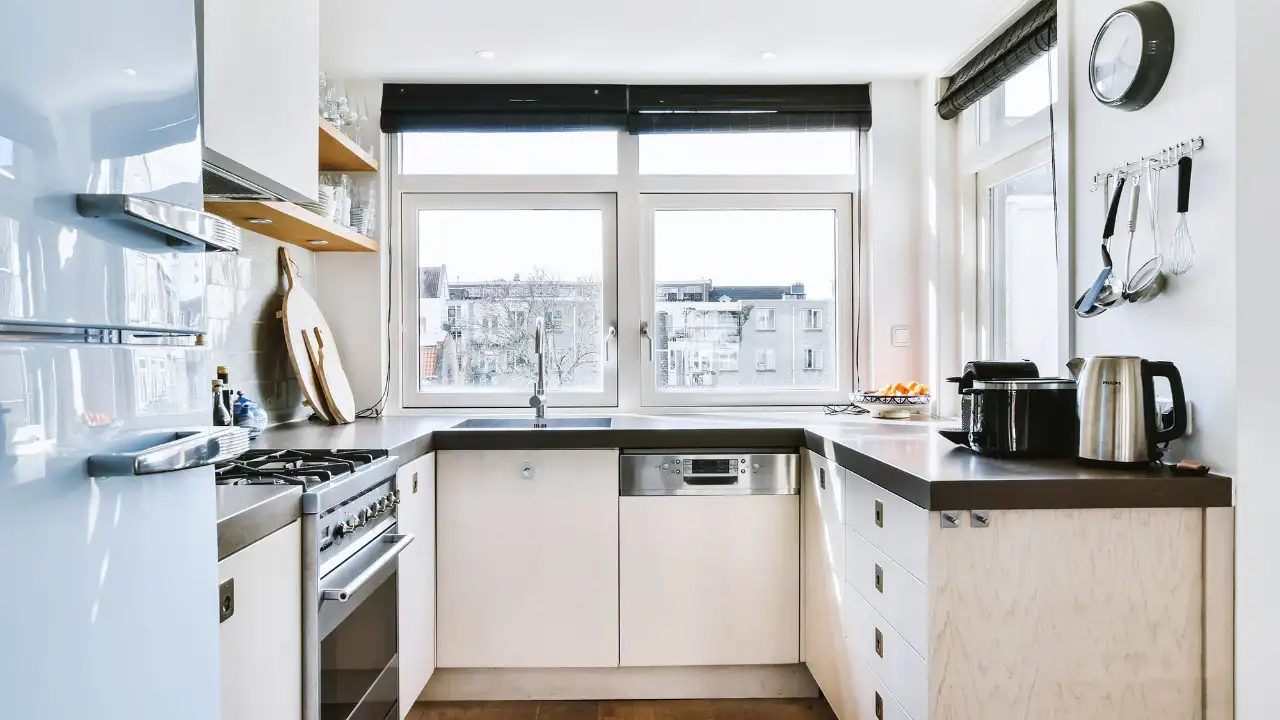
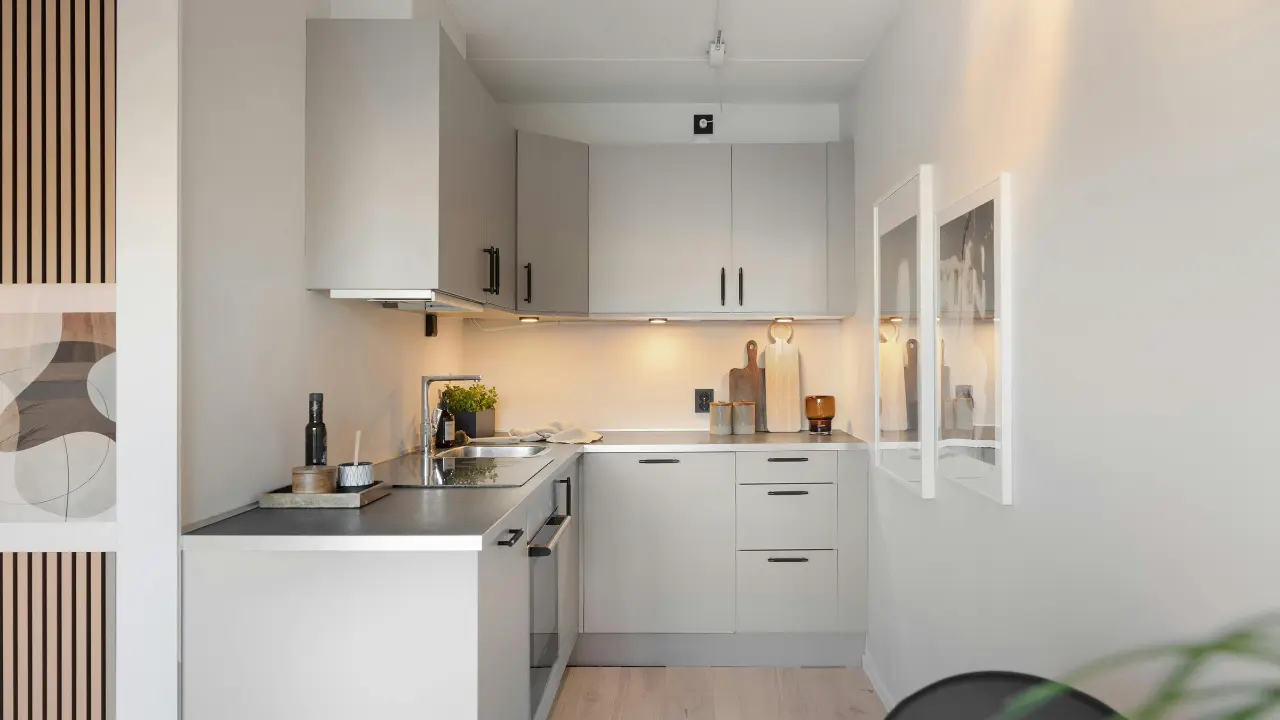
A kitchen does not have to be bright white to feel welcoming. Deep green cabinetry, charcoal walls, dark wood, natural stone, warm metals, and carefully layered lighting can create a kitchen that feels intimate, sophisticated, and full of character.
The best moody kitchen ideas are not simply about making everything dark. Instead, they balance rich colors with texture, contrast, natural materials, and functional lighting.
A moody kitchen can feel dramatic without feeling gloomy. It can be modern without becoming cold, elegant without being overly formal, and cozy without looking cluttered.
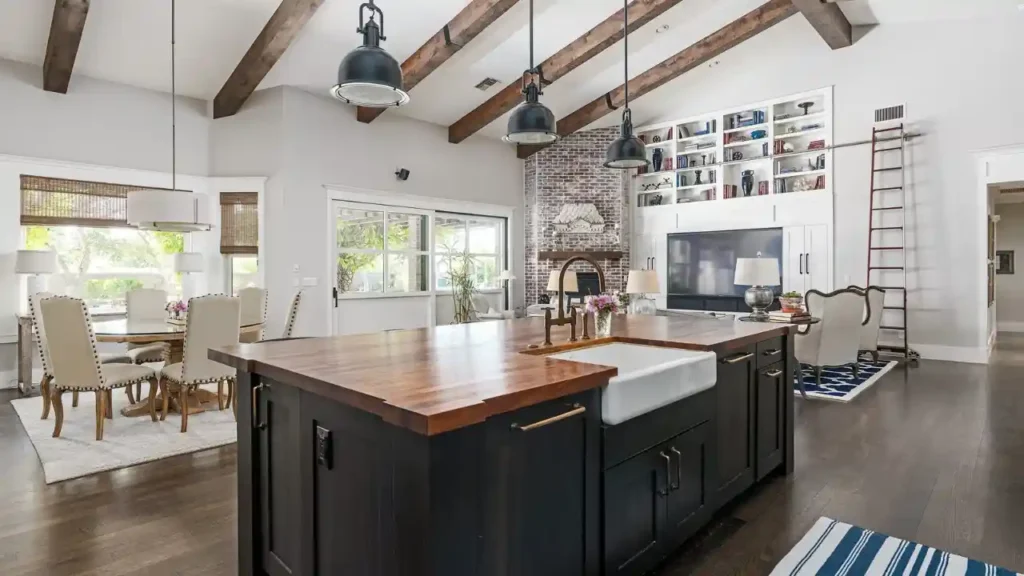
In this guide, you’ll find 25 moody kitchen ideas along with practical advice for choosing cabinet colors, countertops, backsplashes, flooring, hardware, lighting, and materials. You’ll also learn how to use dark colors in small kitchens, avoid common design mistakes, refresh an existing kitchen, and create a sophisticated look without completely remodeling the space.
What Is a Moody Kitchen?
A moody kitchen is a kitchen design that uses deep, muted, or earthy colors combined with layered lighting, tactile materials, and controlled contrast to create a distinctive atmosphere.
The style can range from nearly black and dramatic to soft, earthy, and understated.
Common colors include:
- Black
- Charcoal
- Navy
- Deep blue
- Forest green
- Olive
- Deep sage
- Espresso brown
- Chocolate brown
- Burgundy
- Plum
- Dark taupe
However, color is only one part of the design.
A successful moody kitchen usually combines several elements, such as dark cabinetry, natural wood, stone countertops, warm lighting, textured backsplashes, and carefully selected hardware.
What Colors Create a Moody Kitchen?
Deep colors naturally create more visual weight than pale neutrals. Black and charcoal create an architectural feel, while forest green and olive can feel more organic.
Navy offers a classic interpretation of the style, while espresso and chocolate brown can make a kitchen feel warmer.
Dark taupe, mushroom, and muted brown can create a softer version of the moody aesthetic if you want atmosphere without extremely high contrast.
The best color depends on the amount of natural light, room size, flooring, adjacent rooms, cabinet material, and the atmosphere you want to create.
Is a Moody Kitchen the Same as a Dark Kitchen?
Not exactly.
A dark kitchen may simply have dark cabinets, walls, or flooring. A moody kitchen generally goes further by coordinating:
Color + lighting + texture + materials + contrast + atmosphere
For example, black cabinets with harsh white lighting can look stark. The same cabinets combined with warm wood, natural stone, soft lighting, and brass hardware can create an entirely different mood.
Can a Moody Kitchen Still Feel Bright?
Yes.
Dark colors do not automatically make a kitchen feel gloomy. Natural light, reflective surfaces, lighter countertops, glass, appropriate lighting, and visual breathing room can balance darker cabinetry.
One of the most important decisions is to plan lighting before the kitchen is finished rather than treating it as a decorative detail at the end.
Why Moody Kitchen Designs Continue to Attract Attention
Moody kitchens appeal to homeowners who want more personality and visual depth than an entirely neutral space provides.
Deep colors can highlight architectural features, make natural materials more noticeable, and create a stronger focal point around an island or range hood.
They can also work across many interior styles, including:
- Modern
- Organic modern
- Transitional
- Traditional
- Japandi
- Rustic modern
- Industrial
The suitability of a moody kitchen depends on the room rather than a universal design rule.
Consider:
- How much natural light enters the room
- Ceiling height
- Kitchen size
- Existing flooring
- Adjacent room colors
- Cabinet material
- Desired maintenance level
- Overall home architecture
A dramatic black kitchen may be perfect for one room while a deep olive or charcoal palette may be more appropriate for another.
25 Moody Kitchen Ideas to Try in 2026
1. Deep Green Kitchen Cabinets
Deep green is one of the most versatile ways to create a moody kitchen without relying entirely on black.
Forest green, deep olive, and darker sage can provide color while maintaining an earthy connection with natural materials.
Forest Green Moody Kitchen
Pair deep green cabinetry with:
- White oak
- Walnut
- Cream
- Natural stone
- Marble
- Brass
- Bronze
For a softer appearance, combine green cabinets with warm white walls and natural wood.
For a more dramatic design, continue the green onto an island or selected wall surfaces.
Remember that green can change significantly under different lighting. A color that looks soft and muted in daylight may appear considerably deeper under artificial lighting.
Always test a cabinet or paint sample in the actual room.
2. Matte Black Kitchen Cabinets
Matte black cabinets create a bold architectural foundation.
They work particularly well with simple cabinet profiles because the color itself becomes the major visual statement.
Consider:
- Matte black slab cabinets
- Black Shaker cabinets
- Black lower cabinets
- A black kitchen island
- Black cabinetry combined with natural wood
For contrast, use white or warm-white countertops, oak, walnut, light stone, brass, or bronze.
Black cabinetry also makes practical details more important. Depending on the finish, dust, fingerprints, grease, and water marks may be more noticeable, so always check the manufacturer’s cleaning recommendations.
3. Moody Navy Blue Cabinets
Navy is a useful option if black feels too severe.
Deep navy, indigo, and blue-black cabinetry can create a sophisticated kitchen while still providing color.
Pair navy with:
- Cream
- White
- Walnut
- Natural oak
- Brass
- Marble
- Light stone
A navy island can also provide a controlled way to introduce a moody color without covering every cabinet.
4. Charcoal Gray Kitchen Cabinets
Charcoal is a softer alternative to true black.
It can create depth while allowing slightly more variation between the cabinet color and surrounding dark elements.
Try charcoal with:
- Warm oak
- Walnut
- White quartz
- Natural stone
- Bronze
- Cream walls
Charcoal Shaker cabinets can give a transitional kitchen a classic appearance, while flat-panel charcoal cabinetry can feel more contemporary.
5. Warm Wood and Dark Cabinets
Warm wood is one of the easiest ways to prevent a dark kitchen from feeling visually cold.
Consider combining dark cabinetry with:
- White oak
- Natural oak
- Walnut
- Medium-toned wood
- Wood shelves
- A wood island
For example, deep charcoal perimeter cabinets with a white oak island create a clear relationship between dark and light materials.
The wood adds texture and warmth while the dark cabinetry establishes the moody foundation.
For more inspiration around natural wood kitchens, explore your related guide on warm wood kitchen trends.
6. Dark Green and Warm Wood
Deep green and wood create a particularly natural combination.
Possible pairings include:
- Forest green + white oak
- Olive + walnut
- Deep sage + medium oak
Add cream stone and aged brass or bronze for an organic-modern appearance.
The key is to allow the wood to remain visually noticeable. If every surface is dark, the warmth of the wood can disappear.
7. Moody Kitchen With Marble
Dark cabinetry provides an effective background for marble.
White marble with gray or subtle veining can create contrast, while more dramatic slabs can become the focal point.
Consider using marble for:
- Countertops
- Backsplashes
- Full-height backsplash areas
- Kitchen islands
The natural variation in stone prevents a dark kitchen from looking completely flat.
However, natural stone requires material-specific care, so understand the maintenance requirements before choosing a particular slab.
8. Moody Kitchen With Quartz Countertops
Quartz can provide a clean visual contrast against dark cabinets.
Popular directions include:
- White quartz
- Warm-white quartz
- Soft gray quartz
- Subtle-veined quartz
A quieter quartz pattern can work well when the cabinetry already provides strong visual interest.
If the cabinets are relatively simple, a more expressive countertop may provide useful movement.
Always evaluate the specific product rather than assuming every quartz surface has identical performance or maintenance characteristics.
9. Moody Kitchen With Natural Stone
Natural stone can add texture and variation to a moody kitchen.
Potential choices include:
- Quartzite
- Granite
- Soapstone
- Limestone-inspired surfaces
- Travertine-inspired materials
Stone can be particularly effective when paired with dark cabinetry because its natural variation breaks up large areas of solid color.
Pay attention to the actual slab, not just the name of the stone. Color, veining, porosity, finish, and care requirements can vary significantly.
10. Moody Kitchen With Brass Hardware
Brass hardware adds warmth against dark cabinetry.
Consider:
- Brushed brass
- Aged brass
- Antique brass
- Satin brass
Use the same or closely related finish on selected elements such as:
- Cabinet pulls
- Knobs
- Faucets
- Pendant lights
The goal is not to put brass everywhere. Repeating the finish intentionally usually creates a more cohesive result.
11. Moody Kitchen With Bronze Hardware
Bronze provides a warmer, more subdued alternative to brighter brass.
It works particularly well with:
- Deep green
- Espresso
- Walnut
- Charcoal
- Cream
- Warm stone
If you want a kitchen to feel sophisticated rather than flashy, bronze can be an effective choice.
12. Moody Two-Tone Kitchen Cabinets
Two-tone cabinetry can prevent a dark kitchen from becoming visually monotonous.
Try combinations such as:
- Black + natural oak
- Navy + cream
- Green + warm white
- Charcoal + walnut
- Deep green + light oak
One practical approach is to use the darker color on the island or lower cabinets and a lighter finish on upper cabinetry.
This creates visual hierarchy while maintaining the moody character.
13. Moody Kitchen Island as a Statement Feature
You do not need every cabinet to be dark.
A statement island can introduce the moody element while keeping the perimeter cabinetry lighter.
Examples include:
- White cabinets + black island
- Cream cabinets + deep green island
- Oak cabinets + charcoal island
- Beige cabinets + walnut island
Pay attention to island proportions. A large dark island naturally carries considerable visual weight, so surrounding materials should provide enough breathing room.
14. Dark Kitchen With a Dramatic Backsplash
The backsplash can become the centerpiece of a moody kitchen.
Options include:
- Dramatic marble
- Dark stone
- Deep green tile
- Handmade-look tile
- Glossy dark tile
- Full-height slab
- Large-format porcelain
If the cabinetry is already highly detailed or strongly colored, a quieter backsplash may create better balance.
If the cabinets are simple, the backsplash can carry more of the visual interest.
15. Moody Kitchen With Open Wood Shelves
Open wood shelving is a simple way to break up dark cabinetry.
Use shelves to display:
- Ceramic dishes
- Glassware
- Cookbooks
- Small plants
- Artwork
- Decorative objects
Natural wood shelves against charcoal or black cabinets create contrast while also adding texture.
Keep the styling intentional. Too many objects can quickly make open shelving look cluttered.
16. Moody Kitchen With Glass-Front Cabinets
Glass-front cabinets can make dark cabinetry feel lighter and more dimensional.
Options include:
- Clear glass
- Fluted glass
- Reeded glass
- Black-framed glass
Interior cabinet lighting can create a soft glow and make displayed objects part of the kitchen’s visual composition.
Glass also provides reflection, which can help break up large areas of dark cabinetry.
17. Moody Kitchen With Statement Lighting
Lighting can function as both a practical feature and a design element.
Consider:
- Sculptural pendants
- Brass pendants
- Black fixtures
- Glass pendants
- Linear island lighting
- Oversized fixtures
Scale matters.
A large kitchen island may need a larger fixture or multiple pendants, while a compact kitchen may benefit from a smaller, more controlled lighting arrangement.
18. Layered Lighting for a Moody Kitchen
One of the most important moody kitchen ideas is to use several layers of lighting instead of relying on a single ceiling fixture.
Ambient Lighting
Provides general illumination throughout the room.
Task Lighting
Improves visibility where food preparation and other detailed activities occur.
Under-Cabinet Lighting
Adds useful countertop illumination while also creating visual depth.
Pendant Lighting
Provides lighting over an island while contributing to the overall style.
Cabinet Interior Lighting
Works especially well with glass-front display cabinets.
Accent Lighting
Can highlight architectural details, shelving, artwork, or materials.
Dimmers
Dimmers allow the lighting atmosphere to change throughout the day.
A practical approach is to test cabinet and countertop samples under the actual lighting planned for the kitchen. Dark colors can look substantially different under daylight, warm artificial light, and cooler artificial light.
19. Moody Kitchen With Black Appliances
Black appliances can reinforce a cohesive dark palette.
Options include:
- Black refrigerator
- Black range
- Black dishwasher
- Black ventilation hood
Matching dark appliances can visually blend into the cabinetry.
However, stainless steel or panel-ready appliances can also create useful contrast.
The right choice depends on whether you want appliances to stand out or visually recede.
20. Moody Kitchen With a Dark Range Hood
A range hood can become an architectural focal point.
Ideas include:
- Painted wood hood
- Dark wood hood
- Black metal hood
- Dark plaster-style hood
- Stone hood
A dark hood works particularly well when it connects visually with the cabinets or island.
For a more custom appearance, consider using the hood as the transition between cabinetry and the backsplash material.
21. Moody Small Kitchen
A small kitchen can absolutely have a moody aesthetic.
The trick is to control visual weight.
Useful strategies include:
- Dark lower cabinets with light uppers
- One dark feature wall
- A deep green island
- White or warm-white countertops
- Reflective backsplash surfaces
- Glass-front cabinets
- Under-cabinet lighting
- Vertical cabinetry
- Minimal countertop clutter
The goal is not to make every surface light. Instead, balance dark elements with light, reflection, negative space, and adequate illumination.
For more compact-kitchen inspiration, connect this section with your guide to small kitchen ideas.
22. Moody Kitchen With Dark Wood Cabinets
Dark wood creates a different type of mood from painted cabinetry.
Consider:
- Walnut
- Espresso
- Dark oak
- Deep brown finishes
Pair dark wood with:
- Cream
- Beige
- Marble
- Soft white
- Bronze
- Warm stone
Natural dark wood generally shows more grain and variation than heavily stained cabinetry.
If you want a richer appearance without making the kitchen look flat, select wood with visible natural character.
23. Moody Kitchen With Cream and Dark Colors
Cream is an excellent balancing color for dark cabinetry.
It can soften:
- Black
- Charcoal
- Forest green
- Navy
- Walnut
Cream countertops, walls, backsplashes, or upholstered stools can introduce warmth without creating the stark contrast associated with bright white.
This approach works especially well for homeowners who want drama while maintaining a comfortable atmosphere.
24. Moody Kitchen With Dark Walls or Ceilings
Dark walls can reinforce the moody aesthetic beyond the cabinets.
Options include:
- Dark accent walls
- Deep paint around a dining area
- Dark architectural niches
- Carefully selected dark ceilings
A dark ceiling can dramatically change the perceived proportions of a room, so it deserves particular attention in rooms with lower ceilings.
Test samples in the actual space before committing.
25. Organic Modern Moody Kitchen
Organic modern design provides a softer interpretation of the moody kitchen.
Combine:
- Dark green or charcoal cabinetry
- Natural wood
- Stone
- Ceramic accessories
- Warm lighting
- Earthy colors
- Simple forms
The objective is to create depth without relying on excessive decoration.
Natural textures do much of the visual work.
Best Colors for Moody Kitchen Cabinets
Choosing the right cabinet color depends on more than personal preference. Consider natural light, flooring, countertops, adjacent rooms, cabinet finish, and the undertones of surrounding materials.
| Cabinet Color | Overall Character | Good Pairings | Main Consideration |
|---|---|---|---|
| Forest Green | Organic and dramatic | Oak, cream, brass | Test under different lighting |
| Navy | Classic and sophisticated | White, walnut, brass | Can appear darker than expected |
| Charcoal | Contemporary and soft | Wood, stone, bronze | Check undertones |
| Black | Bold and architectural | White, oak, brass | Requires balanced lighting |
| Deep Olive | Earthy and relaxed | Walnut, beige, bronze | Appearance changes with light |
| Espresso Brown | Rich and warm | Cream, marble, bronze | Can feel heavy in a dark room |
| Deep Taupe | Muted and sophisticated | Oak, cream, stone | Works well with warm neutrals |
There is no universally best cabinet color. The right choice depends on the specific kitchen.
Moody Kitchen Color Combinations That Work
Black + White
Black and white create strong architectural contrast.
Use black cabinets with warm white countertops or walls if you want to soften the effect.
Black + Warm Wood
Wood prevents black cabinetry from feeling overly stark.
Oak and walnut are especially useful for introducing natural texture.
Deep Green + Oak
Deep green and oak create an organic combination that works well in modern and transitional kitchens.
Navy + Cream
Cream softens the intensity of navy while maintaining enough contrast to keep the design interesting.
Charcoal + Walnut
This combination creates a rich, sophisticated palette.
Use lighter stone or warm neutral walls to prevent excessive visual weight.
Olive + Beige
Olive and beige produce an earthy and understated kitchen.
This can be a useful option for homeowners who want a moody appearance without an extremely dark palette.
Deep Green + Marble
Green cabinetry paired with marble creates contrast between saturated color and natural stone movement.
Dark Brown + Warm White
Dark brown and warm white create a comfortable palette that can work across traditional, transitional, and contemporary kitchens.
Best Countertops for Moody Kitchen Cabinets
White Quartz
White quartz creates clear contrast against dark cabinetry and can make the kitchen feel brighter.
Marble
Marble adds natural veining and movement.
It can be particularly effective when paired with simple dark cabinets.
Quartzite
Quartzite offers natural stone character, but performance and care depend on the specific slab and finish.
Soapstone
Soapstone can create a darker, tonal kitchen when used with charcoal, black, or deep green cabinets.
Granite
Granite offers a wide range of colors and patterns, making it possible to find options that work with both dark and warm palettes.
Warm Beige Stone
Warm beige stone creates a softer transition between dark cabinetry and the countertop.
Wood Countertops
Wood can soften dark cabinets and reinforce a warm, natural aesthetic.
However, areas exposed to water, heat, and heavy food preparation require careful consideration of finish and maintenance.
Moody Kitchen Backsplash Ideas
The backsplash is an opportunity to either reinforce the dark palette or introduce contrast.
Consider:
- White tile
- Cream tile
- Dark tile
- Handmade-look tile
- Marble slab
- Quartzite
- Dark stone
- Large-format porcelain
- Textured tile
- Glossy tile
Should a Moody Kitchen Have a Dark Backsplash?
Not necessarily.
Dark cabinetry does not automatically require a dark backsplash.
A lighter backsplash can provide visual breathing room and reflect more light.
Alternatively, a dark backsplash can create a dramatic, continuous look when the surrounding lighting and materials are carefully controlled.
The decision should depend on the overall balance of the room.
Flooring That Works With a Moody Kitchen
Flooring influences how heavy or light the kitchen feels.
Popular options include:
- Warm wood
- Natural oak
- Medium-brown wood
- Natural stone
- Porcelain
- Slate-look tile
- Limestone-inspired tile
Light vs. Dark Flooring
Dark cabinets combined with dark floors can create a dramatic atmosphere, but the combination also increases visual weight.
Warm medium-tone flooring can provide a useful middle ground.
Light flooring can increase contrast and help darker cabinetry feel less dominant.
Best Hardware for Moody Kitchen Cabinets
Hardware is a relatively small detail, but it can strongly influence the finished appearance.
Common options include:
- Brass
- Bronze
- Black
- Stainless steel
- Chrome
Pulls vs. Knobs
Pulls can provide a comfortable grip on drawers and larger doors.
Knobs can offer a simpler traditional appearance.
When choosing hardware, consider:
- Drawer size
- Cabinet dimensions
- Grip comfort
- Finish
- Placement
- Cleaning requirements
- Overall style
The hardware should look intentional rather than simply matching every other metal in the room.
How to Light a Moody Kitchen
Lighting deserves special attention because dark materials absorb and visually recede more than lighter surfaces.
A strong lighting plan should combine several layers.
Ambient Lighting
Provides overall illumination.
Task Lighting
Focuses on work areas such as countertops and food-preparation zones.
Under-Cabinet Lighting
Improves visibility while creating a soft layer of light beneath cabinets.
Pendant Lighting
Works well above islands and can provide both task and decorative illumination.
Cabinet Interior Lighting
Useful for glass-front or display cabinets.
Accent Lighting
Highlights architectural features and decorative details.
Dimmers
Allow the atmosphere to shift from bright daytime functionality to a softer evening environment.
Choosing Light Temperature
Lighting temperature can significantly affect how dark cabinets, wood, stone, and paint colors appear.
Warm lighting can emphasize the cozy side of a moody kitchen, while cooler lighting may make some colors appear sharper or less warm.
Instead of selecting lighting based only on a specification or online photograph, test the actual cabinet and material samples in the intended lighting environment.
How to Make a Dark Kitchen Feel Cozy Instead of Gloomy
Dark color alone does not create coziness.
Use several different types of visual warmth.
1. Add Warm Wood
Oak and walnut can immediately introduce natural warmth.
2. Layer the Lighting
Use ambient, task, accent, and under-cabinet lighting together.
3. Introduce Cream or Warm White
Warm neutrals soften strong dark colors.
4. Use Natural Stone
Stone introduces texture and variation.
5. Add Warm Metals
Brass and bronze can create small points of visual warmth.
6. Use Organic Accessories
Ceramics, wood objects, plants, and natural textiles can make the room feel more lived-in.
7. Keep the Kitchen Organized
Visual clutter can overwhelm an already dramatic color palette.
The goal is not to add as many decorative objects as possible. It is to introduce enough warmth and texture to balance the darker surfaces.
How to Make Moody Kitchen Cabinets Look Modern
A moody kitchen can quickly look dated if too many decorative elements compete with the dark color.
Use a controlled approach.
1. Choose Clean Cabinet Profiles
Flat-panel and simple Shaker doors can create a more current appearance.
2. Use Simple Hardware
Minimal pulls and knobs can prevent visual clutter.
3. Add Contemporary Lighting
Sculptural or streamlined fixtures can update the room.
4. Use Integrated Appliances
Panel-ready appliances can create a quieter cabinet composition.
5. Keep Countertops Visually Clean
Avoid unnecessary countertop objects.
6. Limit the Number of Dominant Materials
Two or three major materials usually create more visual clarity than many competing finishes.
7. Introduce Natural Wood
Wood adds warmth without requiring additional decorative elements.
8. Control the Backsplash Pattern
A dramatic backsplash should have enough visual space around it to remain intentional.
9. Pay Attention to Proportions
Cabinet height, island size, pendant scale, and hardware dimensions should relate to the room.
How to Use Moody Colors in a Small Kitchen
A small kitchen does not have to be entirely white.
Dark colors can work when you create enough contrast and visual breathing room.
Try:
- Dark lower cabinets + light upper cabinets
- Deep green island
- Dark feature wall
- Light countertops
- Reflective backsplash
- Glass-front cabinets
- Under-cabinet lighting
- Vertical storage
- Minimal countertop clutter
One particularly effective approach is to use a dark color as an intentional focal point rather than covering every surface.
The result can feel dramatic without making the kitchen appear unnecessarily cramped.
How to Mix Materials Without Making a Moody Kitchen Look Busy
A successful moody kitchen often contains several materials:
Dark cabinetry + wood + stone + metal + glass
The secret is giving each material a clear role.
For example:
Deep green cabinets + white oak island + light quartz + brass hardware + glass pendants
Here, each material contributes something different.
Another combination could be:
Charcoal cabinets + walnut accents + marble backsplash + bronze hardware
Instead of matching everything exactly, create relationships between materials through color, texture, or undertone.
Moody Kitchen Mistakes to Avoid
1. Using Too Many Dark Colors
Black, charcoal, dark wood, dark flooring, and a dark backsplash can become visually overwhelming when combined without enough contrast.
2. Ignoring Natural Light
A color that works beautifully in a sun-filled kitchen may feel very different in a room with limited daylight.
3. Choosing Paint Without Testing Samples
Always examine samples in the actual room.
4. Using Insufficient Task Lighting
A beautiful kitchen still needs to function well for cooking and preparation.
5. Making Every Surface Dark
Use contrast strategically.
6. Ignoring Countertop Undertones
Warm and cool undertones can clash even when the colors appear similar online.
7. Mixing Too Many Metals
Multiple metals can work, but they should have a clear visual relationship.
8. Mixing Too Many Wood Tones
Several wood species can work together, but uncontrolled variation can make the room feel disconnected.
9. Overloading the Backsplash
A dramatic backsplash needs visual breathing room.
10. Choosing Oversized Lighting
Large fixtures can overwhelm a small island or low ceiling.
11. Ignoring Kitchen Workflow
Design should support movement between storage, preparation, cooking, and cleaning areas.
12. Prioritizing Appearance Over Storage
A beautiful kitchen still needs practical storage.
13. Forgetting Appliance Visibility
Decide whether appliances should blend into the cabinetry or intentionally contrast with it.
14. Overusing Reflective Surfaces
Reflection can add light, but too many glossy finishes may create visual competition.
15. Ignoring the Rest of the Home
The kitchen should relate naturally to adjacent rooms.
Budget-Friendly Moody Kitchen Ideas
Creating a moody appearance does not necessarily require a complete renovation.
Consider smaller changes such as:
- Painting existing cabinets
- Replacing hardware
- Adding a dark island
- Installing a new backsplash
- Adding under-cabinet lighting
- Replacing pendant lights
- Installing wood shelves
- Changing stools
- Painting an accent wall
- Replacing a faucet
- Adding ceramics and natural materials
Where to Spend More
Prioritize investment in areas that are difficult or expensive to replace, such as:
- Cabinet functionality
- Countertop durability
- Lighting infrastructure
- Storage
- Professional installation where required
Where to Save
You can often change decorative elements more easily later, including:
- Hardware
- Artwork
- Accessories
- Decorative ceramics
- Styling items
- Some light fixtures
The exact budget should reflect the scope and condition of your kitchen rather than a generic renovation formula.
How to Add a Moody Look to an Existing Kitchen
You do not always need to remove the entire kitchen.
Step 1: Choose One Dominant Dark Color
Start with one cabinet, wall, or island color.
Step 2: Test Samples
View paint, wood, stone, and cabinet samples during both daytime and evening conditions.
Step 3: Upgrade Lighting
Add under-cabinet lighting or improve task lighting where needed.
Step 4: Introduce Warm Wood
Shelving, stools, cutting boards, or a small furniture piece can introduce natural warmth.
Step 5: Replace Hardware
New pulls and knobs can change the character of existing cabinetry.
Step 6: Add a Coordinated Backsplash
Choose a backsplash that supports the cabinet color instead of competing with it.
Step 7: Reduce Countertop Clutter
A cleaner countertop allows the cabinet color and materials to become the visual focus.
Step 8: Add a Few Organic Elements
Use ceramics, wood, plants, or natural textiles where appropriate.
This approach can create a noticeable transformation without requiring a complete kitchen replacement.
Moody Kitchens for Different Interior Styles
Modern Moody Kitchen
Use:
- Flat-panel cabinets
- Minimal hardware
- Natural or engineered stone
- Integrated appliances
- Streamlined lighting
Organic Modern Moody Kitchen
Combine:
- Deep green
- Natural wood
- Stone
- Earthy colors
- Simple accessories
- Warm lighting
Moody Transitional Kitchen
Consider:
- Shaker cabinets
- Natural stone
- Brass or bronze
- Traditional proportions
- Contemporary lighting
Moody Traditional Kitchen
Use:
- Detailed cabinetry
- Deep paint colors
- Marble
- Classic hardware
- Architectural trim
Moody Japandi Kitchen
Focus on:
- Dark natural tones
- Simple forms
- Warm wood
- Minimal decoration
- Soft lighting
Moody Industrial Kitchen
Combine:
- Charcoal
- Black metal
- Wood
- Concrete-inspired surfaces
- Exposed or architectural details
What Can You DIY in a Moody Kitchen?
| Project | DIY Potential | Professional Consideration |
|---|---|---|
| Hardware replacement | High | Usually unnecessary |
| Wall painting | High | Optional |
| Cabinet painting | Medium | Surface preparation is important |
| Styling | High | Usually unnecessary |
| Open shelving | Medium | Wall structure matters |
| Backsplash | Medium | Depends on material and skill |
| Lighting fixture replacement | Medium/Low | Electrical requirements vary |
| Cabinet installation | Low/Medium | Professional installation may be appropriate |
| Countertop installation | Low | Professional installation is generally appropriate |
| Plumbing | Low | Qualified professional |
| Electrical work | Low | Qualified professional |
| Structural changes | Low | Professional involvement may be required |
Electrical, plumbing, gas, ventilation, and structural work should comply with local requirements and be handled by appropriately qualified professionals where required.
How to Maintain a Moody Kitchen
Dark finishes can look beautiful, but maintenance should be considered before selecting materials.
Dark Painted Cabinets
Depending on the finish, dark cabinets may make dust, fingerprints, grease, and touch-up areas more noticeable.
Follow the manufacturer’s cleaning recommendations.
Matte Finishes
Matte surfaces have specific cleaning requirements that vary by product and finish.
Avoid assuming that all matte cabinets can be cleaned in exactly the same way.
Natural Wood
Consider:
- Moisture exposure
- Heat
- Cleaning products
- Surface finish
- Long-term maintenance
Stone Countertops
Care requirements vary between marble, quartzite, granite, soapstone, and other materials.
Always check the specific manufacturer’s or fabricator’s recommendations.
Dark Backsplashes
Dark surfaces can make water spots and grease more noticeable, particularly around cooking areas.
Regular maintenance can help preserve the intended appearance.
Which Moody Kitchen Features Should You Prioritize?
| Feature | Visual Impact | Functional Value | Planning Priority |
|---|---|---|---|
| Quality cabinetry | High | High | High |
| Layered lighting | High | High | High |
| Durable countertop | High | High | High |
| Efficient storage | Medium | High | High |
| Statement island | High | High | Medium–High |
| Hardware | Medium | Medium | Medium |
| Statement backsplash | High | Medium | Medium |
| Decorative accessories | Medium | Low | Low |
These are planning considerations rather than universal rankings.
For one kitchen, lighting may be the biggest issue. For another, storage or cabinet functionality may deserve more attention.
Moody Kitchen Ideas FAQs
What Are Moody Kitchen Ideas?
Moody kitchen ideas use deep or muted colors, layered lighting, natural materials, texture, and controlled contrast to create a dramatic but comfortable atmosphere.
Common colors include black, charcoal, navy, deep green, olive, dark brown, and deep taupe.
What Colors Make a Kitchen Look Moody?
Common choices include:
- Black
- Charcoal
- Navy
- Deep green
- Olive
- Dark brown
- Burgundy
- Deep taupe
However, the surrounding materials and lighting are just as important as the cabinet color.
Are Moody Kitchens Still Popular in 2026?
Moody kitchens remain a recognizable direction within contemporary kitchen design, particularly through combinations of deep cabinetry, natural materials, warm wood, and layered lighting.
However, there is no single kitchen style that works for every home. A design should be selected according to the room, architecture, natural light, maintenance expectations, and personal taste.
What Is the Best Color for a Moody Kitchen?
There is no single best color.
Deep green can create an organic feeling, navy can provide a classic appearance, charcoal can feel contemporary, and black can create a strong architectural effect.
The right choice depends on natural light, room size, flooring, countertops, and the atmosphere you want.
How Do You Make a Dark Kitchen Feel Brighter?
Use:
- Layered lighting
- Light countertops
- Reflective backsplash materials
- Glass
- Warm wood
- Lighter flooring
- Controlled visual clutter
- Window treatments that preserve available natural light
The goal is to balance the dark elements rather than eliminate them.
Are Dark Kitchen Cabinets a Bad Idea for a Small Kitchen?
Not necessarily.
Dark cabinets can work in small kitchens when combined with adequate lighting, lighter countertops, reflective surfaces, visual breathing room, and a controlled color palette.
Using dark lower cabinets with lighter upper cabinets is one possible approach.
What Countertop Goes With Dark Kitchen Cabinets?
Options include:
- White quartz
- Marble
- Quartzite
- Granite
- Soapstone
- Warm beige stone
- Wood
The best choice depends on the cabinet color, undertones, maintenance requirements, and desired level of contrast.
What Wood Looks Good With Dark Kitchen Cabinets?
Common options include:
- White oak
- Natural oak
- Medium oak
- Walnut
The undertone and finish are often more important than simply matching light wood with dark cabinets.
What Hardware Looks Best With Dark Cabinets?
Common options include:
- Brass
- Bronze
- Black
- Stainless steel
- Chrome
Choose based on the cabinet color, other finishes, lighting, and overall design style.
Can I Make My Existing Kitchen Look Moody?
Yes.
You can introduce a moody look through:
- Cabinet paint
- New hardware
- Improved lighting
- A darker island
- New backsplash materials
- Wood shelving
- A dark accent wall
- New stools
- Carefully selected accessories
You do not necessarily need to replace the entire kitchen.
Are Moody Kitchens Timeless?
A well-planned kitchen layout, quality cabinetry, durable materials, and functional lighting can remain useful for many years.
However, highly specific colors, hardware shapes, and decorative details can feel more tied to a particular design period.
A practical strategy is to use durable materials for permanent elements and introduce trend-sensitive details through items that are easier to replace.
Final Thoughts on Moody Kitchen Ideas
The strongest moody kitchen ideas are built around balance rather than darkness.
You do not need every cabinet, wall, countertop, and floor to be dark. Instead, combine deep colors with warm wood, natural stone, thoughtful lighting, lighter surfaces, and controlled contrast.
Before committing to a color or material, test actual samples in the kitchen. Look at them in daylight and in the evening, because dark colors and wood finishes can change considerably under different lighting conditions.
Prioritize the things that are difficult to change later: layout, storage, cabinet quality, lighting infrastructure, ventilation, and durable surfaces. Use more flexible elements such as hardware, stools, accessories, and decorative lighting to introduce personality.
Whether you choose forest green, navy, charcoal, black, deep brown, or a softer dark taupe, the goal is the same: create a kitchen that feels intentional, functional, and comfortable.
A moody kitchen is not simply a dark kitchen. It is a coordinated combination of color, light, texture, materials, contrast, and function.