A kitchen island often becomes one of the busiest places in the home. It can be used for breakfast, homework, coffee, casual dinners, entertaining, or simply sitting and chatting while someone cooks.
That makes choosing the right seating more important than it may seem.
The best counter stools for kitchen island seating should fit the island correctly, leave enough legroom, feel comfortable, remain stable during everyday use, and complement the kitchen’s design. A stool that looks great in a product photo can still be frustrating if it is too tall, too wide, difficult to clean, or uncomfortable after a few minutes.
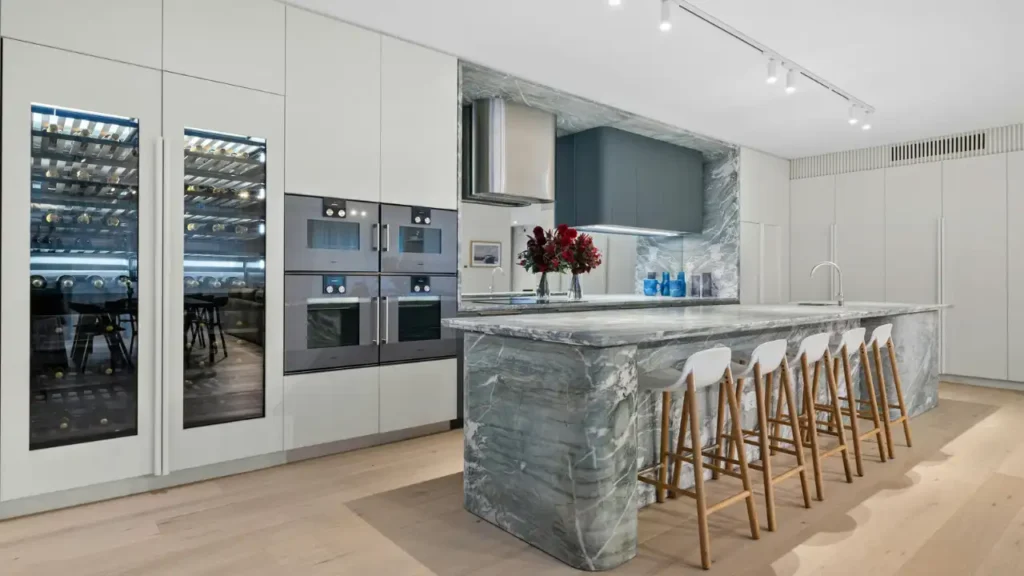
This guide explains how to choose the right counter stools, including stool height, spacing, materials, styles, backs, swivel features, comfort, colors, cleaning, and value.
Quick Comparison: Which Counter Stool Is Right for Your Kitchen?
| Counter Stool Type | Best For | Main Advantage | Consider Before Buying |
|---|---|---|---|
| Backless | Small kitchens | Easy to tuck away | Less back support |
| Counter stool with back | Everyday seating | More comfortable support | Takes up more visual space |
| Swivel stool | Entertaining | Easy movement | More moving parts |
| Wooden stool | Farmhouse, Japandi, Scandinavian | Warm natural look | Finish may need care |
| Metal stool | Industrial, modern kitchens | Durable and lightweight styles | Can feel less soft |
| Upholstered stool | Long meals | Added cushioning | More cleaning required |
| Faux leather stool | Busy kitchens | Easy to wipe clean | Quality varies |
| Slim-frame stool | Small islands | Saves floor space | May offer less cushioning |
| Adjustable stool | Flexible setups | Height versatility | Mechanism adds complexity |
There is no single perfect stool for every kitchen. The right choice depends on your island dimensions, seating needs, household habits, and design preferences.
What Makes the Best Counter Stools for a Kitchen Island?
1. The Right Seat Height
Height is one of the most important factors when choosing kitchen island stools.
Your legs should fit comfortably underneath the countertop without your knees hitting the underside. At the same time, you should not feel as though you are sitting unusually low compared with the island.
Always measure the distance from the floor to the top of the island before shopping.
The manufacturer’s seat height is more important than simply seeing the words “counter stool” in a product title.
2. Comfortable Seat Design
A stool can look beautiful and still be unpleasant to use.
For everyday seating, consider:
- Seat cushioning
- Seat depth
- Back support
- Footrest placement
- Seat shape
- Frame stability
- Overall sitting posture
If your island is also your primary dining space, comfort should be a higher priority than it would be for stools used only occasionally.
3. Stable Construction
Kitchen stools are used frequently. People pull them out, sit down, shift their weight, lean back, and push them underneath the island.
Look for:
- Strong frame construction
- Secure joints
- A stable base
- Appropriate weight capacity
- Floor-friendly feet or glides
- A base that does not wobble easily
A stool that feels unstable during a showroom test is unlikely to become more enjoyable after months of daily use.
4. Practical Materials
The best material depends on how your kitchen is used.
Wood can add warmth, metal can provide a clean modern appearance, and upholstery can improve comfort. Faux leather is often convenient when easy cleaning is important.
Consider both appearance and maintenance before making a decision.
Counter Stool Height Guide
Choosing the correct height is one of the easiest ways to avoid a bad purchase.
Counter Height vs. Bar Height
Counter stools and bar stools are not automatically interchangeable.
Typical kitchen counter surfaces are around 36 inches high, while bar-height surfaces are generally taller. Counter stools are therefore usually designed with a shorter seat height than traditional bar stools.
As a practical starting point:
- Counter-height island: commonly pairs with stools around 24–26 inches high
- Bar-height surface: commonly pairs with stools around 28–30 inches high
These are general ranges, not universal rules. Island designs vary, so measure your actual surface before buying.
How to Measure Your Kitchen Island
Use a tape measure to determine the distance from the floor to the top of the countertop.
Then consider the space between the seat and countertop.
You want enough vertical clearance for comfortable leg movement without making the stool feel excessively low.
Also check whether the underside of the island has drawers, support panels, decorative trim, or other features that reduce legroom.
Tip: If you’re replacing existing stools, measure the current seat height and compare it with your new options rather than relying only on product labels.
How Many Counter Stools Fit Around a Kitchen Island?
The number of stools depends on more than the island’s length.
You also need to consider stool width, armrests, legroom, countertop overhang, and how much elbow room each person needs.
Consider Stool Width
Narrow stools can allow more seats along the same island length.
Wide upholstered stools or counter-height armchairs require more room between seating positions.
For example, three slim stools may fit comfortably where three oversized stools would feel crowded.
Leave Enough Elbow Room
People need personal space when eating or working at an island.
Avoid squeezing stools tightly together simply to maximize the number of seats.
A practical starting point is to allow roughly 24 inches of width per seated person, although the ideal amount varies with stool design and how people use the island.
Wider seats and stools with arms generally need more room.
Check the Island Overhang
The countertop overhang determines how much space is available for knees and legs.
A generous overhang can make island seating significantly more comfortable.
If your island has a shallow overhang, a stool with a compact profile may work better than a large chair-style design.
Think About Armrests and Swivel Clearance
A stool with arms needs additional clearance.
Swivel stools also require enough room to rotate without bumping neighboring stools, cabinets, or appliances.
General Rule
- Narrow stools: best when you need more seating
- Wide upholstered stools: best when comfort has priority
- Armrest stools: best when space is generous
- Backless stools: easiest to fit into compact layouts
Never determine the number of stools by island length alone. Place the actual stool dimensions into the available space whenever possible.
Best Counter Stool Styles for Different Kitchen Designs
Your stools do not need to match every piece of furniture exactly. They should, however, make sense with the kitchen’s overall design language.
Modern Counter Stools
Modern kitchens usually work well with:
- Clean silhouettes
- Black or neutral finishes
- Slim metal frames
- Minimal upholstery
- Simple geometric forms
Avoid unnecessary decorative details if the kitchen already has a strong minimalist appearance.
Contemporary Counter Stools
Contemporary kitchens offer more flexibility.
Upholstered seats, curved backs, mixed materials, and subtle color can soften an otherwise streamlined kitchen.
A neutral beige or gray seat can work particularly well with contemporary cabinetry.
Farmhouse Counter Stools
Farmhouse kitchens often benefit from:
- Natural wood
- Turned or simple wooden legs
- Woven details
- Cream or beige upholstery
- Black metal accents
The goal is warmth rather than excessive decoration.
Industrial Counter Stools
Metal frames, wood seats, dark finishes, and simple construction are natural choices for industrial kitchens.
Black metal paired with natural wood can create contrast without making the room feel overly coordinated.
Scandinavian Counter Stools
Scandinavian kitchens often look best with:
- Light wood
- Soft neutral upholstery
- Slim silhouettes
- Rounded edges
- Simple construction
Keep the visual weight low to maintain the airy feel associated with Scandinavian interiors.
Japandi Counter Stools
Japandi design combines Japanese simplicity with Scandinavian warmth.
Consider:
- Natural wood
- Beige or cream upholstery
- Minimal frames
- Soft curves
- Low-detail construction
- Muted colors
Avoid stools with excessive ornamentation or overly glossy finishes.
Counter Stools by Material
Wooden Counter Stools
Wooden counter stools are versatile and can add warmth to kitchens with white, cream, gray, or neutral cabinetry.
Popular choices include natural oak, walnut-inspired finishes, ash, and other wood tones.
Best for: farmhouse, Scandinavian, Japandi, rustic, and warm modern kitchens.
Watch for: finish quality, stability, and whether the wood tone clashes with existing flooring or cabinetry.
Metal Counter Stools
Metal stools are particularly useful in modern and industrial kitchens.
They can have a visually light profile while offering a durable frame.
Best for: modern, industrial, contemporary, and minimalist spaces.
Watch for: hard seats, sharp edges, and finishes that may show scratches or fingerprints.
Upholstered Counter Stools
Upholstered stools can be a strong choice when the island is used for extended meals or work.
Cushioning and a supportive back can make a noticeable difference.
Best for: family kitchens and islands used as everyday dining spaces.
Watch for: spills, stains, cleaning requirements, and fabric durability.
Faux Leather Counter Stools
Faux leather can offer a practical balance between comfort and easy maintenance.
Many spills can be wiped from a smooth surface more easily than from fabric.
Best for: busy kitchens and households that prioritize easy cleaning.
Watch for: material quality, heat exposure, peeling, and long-term wear.
Mixed-Material Counter Stools
Wood and metal, wood and upholstery, or metal and faux leather combinations can provide visual contrast.
Mixed-material stools are particularly useful when you want the seating to connect different finishes already present in the kitchen.
Counter Stools With Backs vs. Backless Stools
Choosing between a backrest and a backless design is largely a decision about comfort, space, and visual weight.
| Feature | With Back | Backless |
|---|---|---|
| Back support | Better | Limited |
| Long meals | Better suited | Less supportive |
| Small kitchens | Takes more visual space | Excellent |
| Easy to tuck away | Usually good | Excellent |
| Visual weight | Higher | Lower |
| Casual seating | Excellent | Excellent |
| Minimalist appearance | Depends on design | Excellent |
When Counter Stools With Backs Are Better
Choose stools with backs when:
- The island is used for everyday meals
- People sit for long periods
- Back support matters
- You want a more chair-like experience
- You have enough room behind the stools
When Backless Counter Stools Are Better
Backless stools make sense when:
- Floor space is limited
- You want stools to disappear underneath the island
- The kitchen has a minimalist aesthetic
- Seating is used for short periods
- You want to preserve an open visual line
For a small kitchen island, backless stools are often one of the easiest ways to reduce visual and physical clutter.
Swivel vs. Stationary Counter Stools
Swivel stools can make island seating more flexible, but they are not automatically better.
Advantages of Swivel Counter Stools
Swivel seating is useful when people frequently:
- Turn toward another person
- Move between the island and kitchen
- Entertain guests
- Watch television from the kitchen
- Shift between conversations
They can be particularly useful in open-plan kitchens where the island is a social hub.
Potential Drawbacks
Swivel mechanisms add moving parts.
They may also require additional clearance, especially when stools have arms or wide seats.
If your kitchen is extremely compact, a stationary stool can be easier to manage.
When Stationary Stools Make More Sense
Choose stationary stools when you want:
- A simple design
- Less mechanical complexity
- Compact seating
- A minimalist appearance
- Easy maintenance
Best Counter Stools for Small Kitchen Islands
Small kitchens require careful attention to scale.
A large stool can make an otherwise functional island feel crowded.
Choose Backless Designs
Backless stools can slide almost completely beneath the countertop when not being used.
This helps maintain clear walking paths.
Look for Slim Frames
A slim metal or wooden frame can provide seating without adding unnecessary visual bulk.
Consider Low-Profile Shapes
Avoid oversized seats and thick arms if every inch matters.
A compact silhouette often works better than a miniature version of a large dining chair.
Stackable Stools Can Help
If you only need extra seating occasionally, stackable designs can make storage easier.
Avoid Oversized Arms
Armrests are comfortable, but they consume additional horizontal space.
If your island is narrow, backless or armless stools may be more practical.
Most Comfortable Counter Stools for Long Meals
If your kitchen island functions as a dining table, comfort deserves serious attention.
Look for these features:
Supportive Backrest
A shaped or gently curved backrest can provide better support than a completely flat design.
Padded Seat
A cushioned seat can make longer sitting periods more pleasant.
However, thicker cushioning is not automatically better. The density and construction also matter.
Proper Footrest
A properly positioned footrest gives your feet somewhere to rest and can reduce the feeling of dangling legs.
Appropriate Seat Depth
A seat that is too shallow may feel unstable, while one that is excessively deep can make shorter users uncomfortable.
Stable Frame
Comfort is not only about cushioning.
A stool that rocks or shifts under your weight can become uncomfortable very quickly.
Comfortable Seat Angle
A slightly shaped seat can provide better support than a completely flat surface.
Breathable Upholstery
For warm environments or long periods of sitting, breathable upholstery may feel more comfortable than materials that retain heat.
How to Match Counter Stools With Your Kitchen Design
Your stools should complement the kitchen rather than compete with it.
White Kitchens
White kitchens are highly flexible.
Consider:
- Natural wood
- Black
- Beige
- Light gray
- Woven textures
- Warm neutral upholstery
Natural wood can prevent an all-white kitchen from feeling too cold.
Wood Kitchens
When the kitchen already contains substantial wood, avoid automatically choosing an identical wood tone.
Instead, consider:
- Black metal
- Neutral upholstery
- A complementary wood finish
- Woven materials
- Dark brown or charcoal accents
Slight contrast can look more intentional than a near-match.
Dark Kitchens
Dark cabinetry can work beautifully with:
- Warm wood
- Cream
- Beige
- Tan
- Brass-inspired accents
- Warm metal finishes
The goal is to introduce enough contrast that the stools remain visually distinct.
Minimalist Kitchens
Choose simple silhouettes with:
- Neutral colors
- Slim frames
- Minimal decoration
- Clean lines
- Limited visual clutter
The simplest stool is not always the best one, but unnecessary details can quickly work against a minimalist design.
Best Counter Stool Colors
Black
Black stools are versatile and create strong contrast against white or light cabinetry.
They work particularly well in modern, industrial, and contemporary kitchens.
White
White stools can blend seamlessly with light kitchens.
They are best when you are comfortable with the additional cleaning that a light finish may require.
Natural Wood
Natural wood adds warmth and works particularly well with neutral kitchens.
It is an excellent choice for Scandinavian, Japandi, farmhouse, and organic-modern spaces.
Beige and Cream
Neutral upholstery creates a soft, comfortable appearance.
These shades are especially useful when you want to warm up a kitchen without introducing a strong accent color.
Gray
Gray is practical and understated.
It can work with white, black, blue, green, and many neutral kitchen palettes.
Brown and Tan
Brown and tan stools can add warmth to dark or neutral kitchens.
They are particularly effective when paired with wood cabinetry or warm flooring.
Green
Muted green stools can provide a subtle accent in kitchens featuring natural wood, cream, brass, or earthy colors.
If the kitchen already has several strong colors, use green carefully so the seating does not become visually overwhelming.
Counter Stool Buying Checklist: 10 Things to Check
Before purchasing, run through this checklist.
1. Island Height
Measure from the floor to the top of the counter.
2. Stool Seat Height
Check the actual seat height rather than relying solely on the product category.
3. Stool Width
Measure the widest point, including arms if present.
4. Available Spacing
Determine how many stools can fit without making the seating crowded.
5. Seat Depth
Make sure the depth works with the available legroom.
6. Backrest
Decide whether you need back support or prefer a compact backless design.
7. Footrest
Check that the footrest is positioned comfortably for the intended users.
8. Material
Choose a material that fits both the kitchen and your lifestyle.
9. Cleaning
Think about how easily you can clean spills, crumbs, grease, and everyday marks.
10. Style
Finally, consider color, finish, shape, and how the stool works with your existing kitchen.
Common Counter Stool Buying Mistakes
Choosing Appearance Over Comfort
A beautiful stool is not useful if nobody wants to sit on it.
Buying the Wrong Height
This is one of the most common mistakes.
Always measure your island before ordering.
Ignoring Stool Width
Two stools that appear similar online may have significantly different widths.
Forgetting Legroom
The island’s overhang and underside construction matter just as much as its overall height.
Choosing Difficult-to-Clean Upholstery
If your island is used for family meals, messy projects, or frequent entertaining, maintenance should influence your material choice.
Buying Bar-Height Stools for a Counter-Height Island
The terminology can be confusing, so always verify measurements.
Trying to Fit Too Many Stools
More seating is not necessarily better.
Crowded stools make meals, conversations, and movement uncomfortable.
How to Clean and Maintain Counter Stools
The correct cleaning method depends on the material.
Wood
Dust regularly with a soft cloth.
For spills, wipe them promptly rather than allowing moisture to sit on the surface.
Follow the manufacturer’s recommendations for finished or unfinished wood.
Metal
A soft damp cloth is usually appropriate for routine cleaning, followed by drying.
Avoid harsh products that may damage the finish.
Fabric
Vacuum loose crumbs regularly.
For spills, follow the upholstery manufacturer’s cleaning instructions and avoid aggressive scrubbing unless the fabric specifically allows it.
Faux Leather
Wipe spills promptly with a suitable soft cloth.
Avoid harsh chemicals that can damage the surface or finish.
Always follow the manufacturer’s care instructions because different materials and coatings can behave differently.
Are Expensive Counter Stools Worth It?
A higher price does not automatically mean a better stool.
However, premium models may offer improvements in areas such as:
- Frame construction
- Joinery
- Cushioning
- Upholstery
- Finish quality
- Hardware
- Craftsmanship
- Long-term durability
The better question is whether the additional cost provides a feature or quality improvement that matters to you.
Budget Range
Budget stools can be a good choice when:
- Seating is used occasionally
- You need several stools
- You are furnishing a temporary space
- Basic construction meets your needs
Mid-Range
Mid-range stools can offer a useful balance of:
- Comfort
- Construction
- Appearance
- Material quality
- Everyday durability
Premium
Premium seating makes more sense when:
- The island is used every day
- Comfort is a priority
- You want a particular material or design
- The stools are a long-term investment
- Construction quality is noticeably better
Do not pay more simply for a recognizable design name. Compare construction, dimensions, materials, comfort, warranty, and maintenance requirements.
Quick Decision Guide
| If You Want… | Consider… |
|---|---|
| Maximum space efficiency | Backless counter stools |
| Better back support | Counter stools with backs |
| Easy movement | Swivel stools |
| Simple maintenance | Metal or easy-clean faux leather |
| Natural warmth | Wooden stools |
| Long-meal comfort | Upholstered stools with backs |
| Small kitchen seating | Slim, armless or backless stools |
| Minimalist style | Simple neutral stools |
| Farmhouse character | Wood or woven designs |
| Industrial style | Metal and wood combinations |
| Japandi style | Simple natural wood and neutral upholstery |
| Flexible height | Adjustable stools, where appropriate |
FAQs About Counter Stools for Kitchen Islands
What is the best height for counter stools?
For a typical counter-height kitchen island, stools with seats around 24–26 inches high are a common starting point. Always measure your island because countertop heights can vary.
How many stools should I put at a kitchen island?
The number depends on island length, stool width, armrests, and desired personal space. Rather than maximizing the number of seats, choose a configuration that allows comfortable movement and elbow room.
Are counter stools different from bar stools?
Yes. Counter stools are generally designed for shorter counter-height surfaces, while bar stools are typically intended for taller bar-height surfaces. Always compare the actual seat height.
Are backless counter stools good for a small kitchen?
Yes. Backless stools are often an excellent choice for compact kitchens because they can slide beneath the island and have a lighter visual footprint.
Are swivel counter stools worth it?
They can be worthwhile if you frequently turn between the island, kitchen, living room, or guests. For very compact kitchens, stationary stools may be simpler and easier to manage.
What type of counter stool is most comfortable?
For longer sitting, look for a supportive backrest, comfortable cushioning, suitable seat depth, a useful footrest, and a stable frame. Comfort depends on the complete design rather than one feature.
How much space should I leave between counter stools?
A useful starting point is approximately 24 inches of width per person, but the actual requirement depends on the stool’s width and whether it has arms or a swivel mechanism.
What are the best materials for kitchen island stools?
There is no universal best material. Wood offers warmth, metal provides a clean and durable option, upholstery improves cushioning, and faux leather can simplify everyday cleaning.
Should I choose counter stools with backs or without backs?
Choose stools with backs when comfort and longer sitting are priorities. Choose backless stools when space efficiency, easy tucking, and a minimalist appearance matter more.
Should counter stools match the kitchen cabinets?
They do not need to match exactly. Complementary finishes often look more natural. For example, natural wood stools can warm up a white kitchen, while black stools can create contrast in a light kitchen.
Final Thoughts
The best counter stools for kitchen island seating are not necessarily the most expensive or most fashionable options. They are the stools that fit your island correctly and work comfortably with the way your household actually uses the space.
Start with measurements.
Check the island height, stool seat height, width, depth, overhang, and available legroom. Then choose the style and material based on your kitchen and lifestyle.
For small kitchens, slim or backless stools can preserve valuable space. For everyday meals, stools with supportive backs and comfortable cushioning may be worth prioritizing. If entertaining is common, swivel seating can add flexibility. And if your kitchen experiences frequent spills, choose materials that are practical to maintain.
A good kitchen island stool should feel like part of the kitchen—not an afterthought. When size, comfort, durability, maintenance, and design all work together, your island becomes a much more enjoyable place to eat, work, relax, and gather.