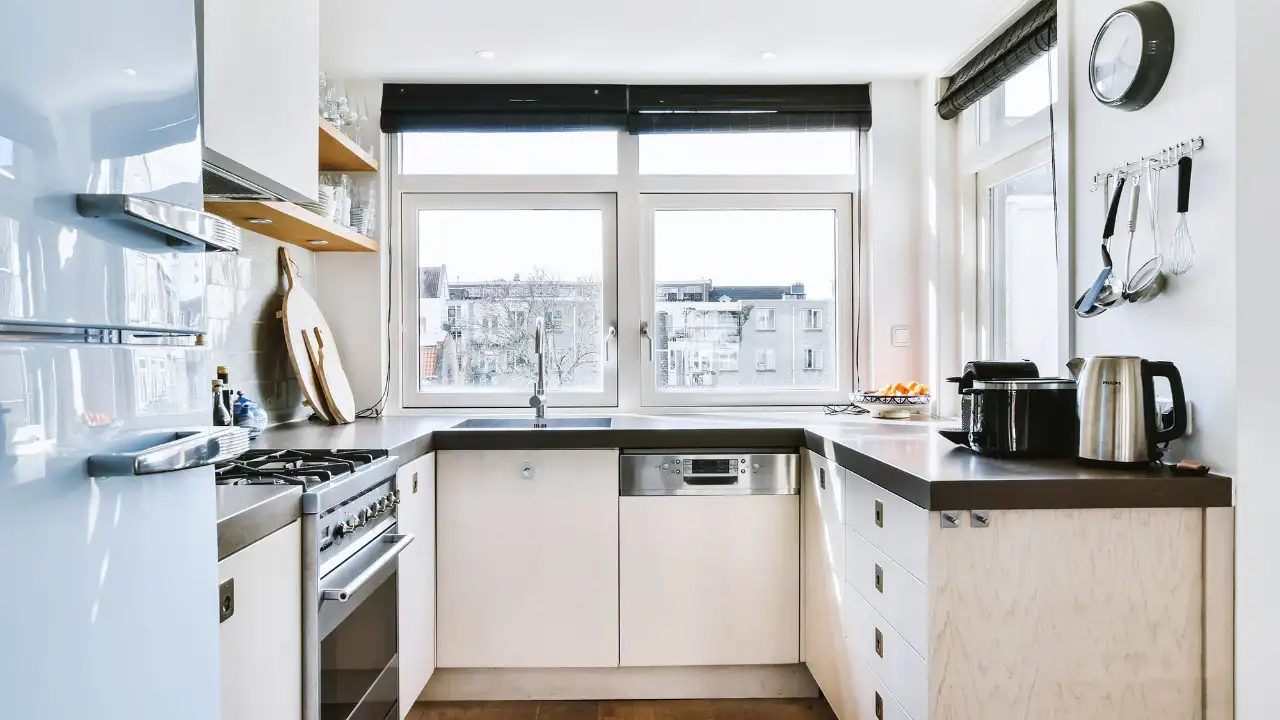
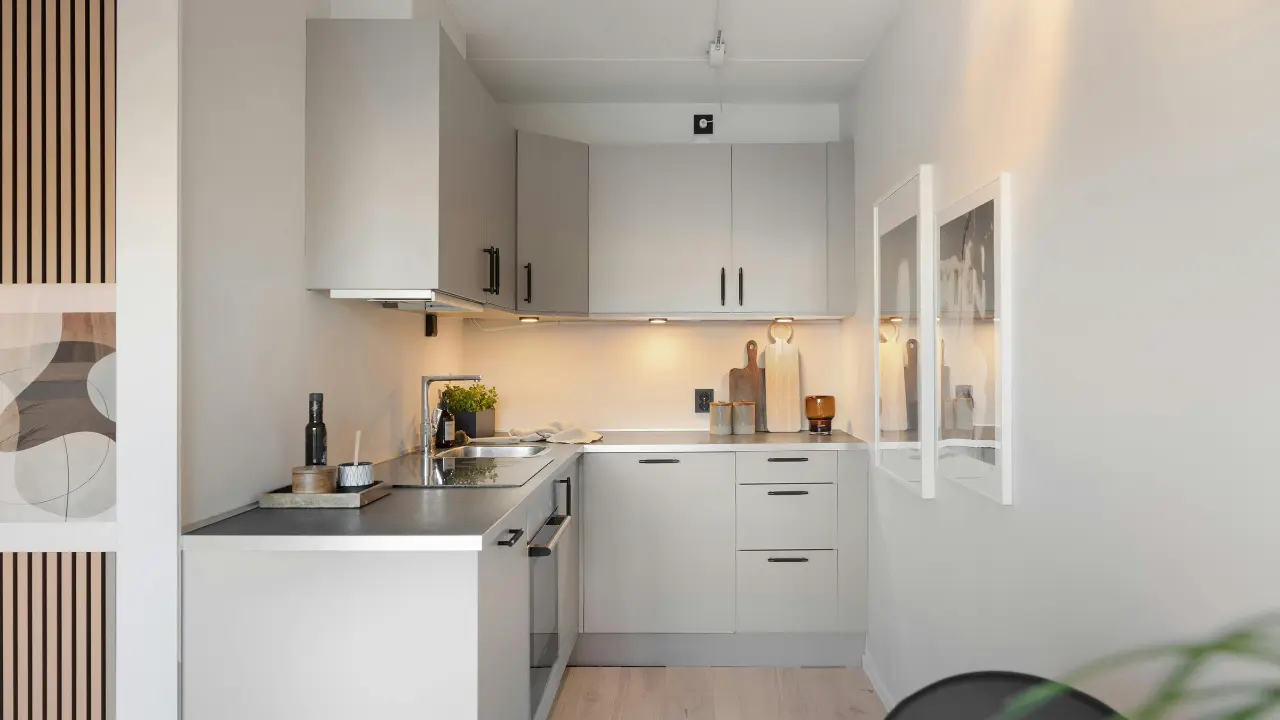
Best Kitchen Pantry Shelves for a More Organized Kitchen
A well-designed pantry can make cooking and grocery storage much easier, but the wrong shelving can have the opposite effect. Shelves that are too deep can hide food, poorly spaced shelves waste vertical room, and awkward corners can become difficult-to-use storage zones.
The best kitchen pantry shelves are not necessarily the biggest, most expensive, or most elaborate. They are the shelves that fit your pantry dimensions, support the items you actually store, and make everyday essentials easy to see and reach.
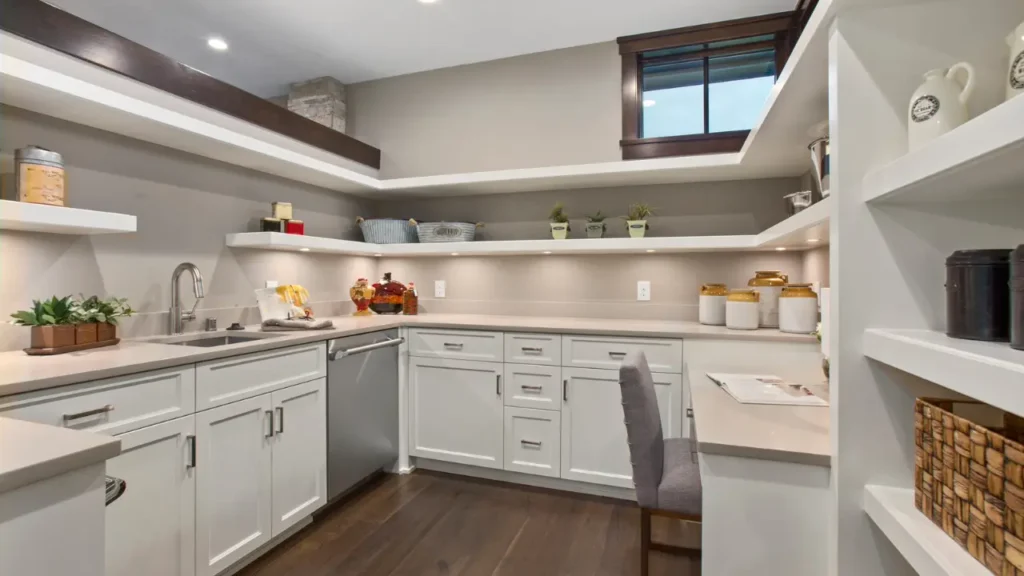
Whether you have a narrow cabinet pantry, a medium-sized storage closet, or a spacious walk-in pantry, choosing the right shelving system can make the entire kitchen feel more organized.
What Are the Best Kitchen Pantry Shelves?
The best shelves depend on your pantry layout, storage habits, and the types of items you need to store.
For most kitchens, adjustable shelving is the best overall choice because shelf heights can be changed as your storage needs evolve. Pull-out shelves are especially useful for deep cabinets, while narrow adjustable shelves can make a small pantry more accessible.
Consider these factors before choosing:
- Pantry width, depth, and height
- Shelf weight capacity
- Types of food and containers being stored
- Frequency of use
- Available budget
- Fixed versus adjustable installation
- Open versus enclosed pantry design
- Accessibility and ease of reaching items
Best Overall — Adjustable Shelving
Adjustable pantry shelves provide flexibility. You can create shorter spaces for cans and jars and taller spaces for cereal boxes, bottles, small appliances, or bulk containers.
They are particularly useful when your storage needs change throughout the year.
Best for Deep Pantries — Pull-Out Shelves
Pull-out pantry shelves allow the shelf itself to move toward you. Instead of reaching into a dark, deep cabinet, you can bring stored items forward.
They are especially helpful for deep cabinets where food tends to disappear behind other products.
Best for Small Pantries — Narrow Adjustable Shelves
Small pantry spaces benefit from shelves that are appropriately sized rather than simply maximizing depth.
Narrow or shallow shelving improves visibility and can make it easier to organize everyday ingredients without creating layers of forgotten items.
Best for a Custom Pantry — Built-In Wood Shelving
Built-in wooden pantry shelves provide a finished, furniture-like appearance. They can be designed around the exact dimensions of the room and customized for different storage zones.
Plywood, solid wood, and other finished wood products can all work well when properly selected and supported.
Best Budget Option — Wire Shelving
Wire shelving is a practical choice when affordability and ventilation matter. It works particularly well for packaged foods and larger containers.
However, small bags, spice jars, and narrow containers may require bins or shelf liners to prevent them from tipping or falling through the openings.
Types of Kitchen Pantry Shelves
Different shelving types solve different storage problems. Use this comparison to narrow down the right option for your kitchen.
| Shelf Type | Best For | Main Advantage | Potential Drawback |
|---|---|---|---|
| Adjustable shelves | Flexible storage | Easy to reconfigure | Hardware may be visible |
| Fixed shelves | Simple pantry layouts | Stable and straightforward | Less flexible |
| Pull-out shelves | Deep cabinets | Easy access | Usually costs more |
| Wood shelves | Custom pantries | Warm, built-in appearance | Can be heavier |
| Wire shelves | Budget storage | Affordable and ventilated | Small items may need bins |
| Floating shelves | Open pantries | Stylish appearance | Limited for heavy storage |
| Metal shelves | Heavy-duty storage | Strong and durable | More industrial look |
| Corner shelves | Awkward corners | Uses dead space | Access can be tricky |
There is no single shelf style that works for every pantry. A combination can often provide better results—for example, adjustable shelves on the back wall with pull-out storage in a deep cabinet.
Best Kitchen Pantry Shelves by Pantry Size
Small Pantry Shelves
Small pantries need careful planning because every inch matters. Instead of using extremely deep shelves, consider shallower storage that allows you to see everything more easily.
Useful options include:
- Narrow adjustable shelves
- Shallow pantry shelving
- Door-mounted organizers
- Pull-out shelves
- Shelf risers
- Vertical storage
- Stackable bins
Try to keep frequently used ingredients where they are easy to reach. Upper shelves can hold less frequently used items, while heavier products are generally easier to manage on lower shelves.
Medium Pantry Shelves
A medium pantry gives you more flexibility, but it can still become cluttered without a clear layout.
Balance:
- Shelf depth
- Shelf width
- Vertical clearance
- Accessibility
- Storage zones
Use different shelf heights instead of making every opening identical. Cereal boxes, cans, baking supplies, and bottles rarely need the same amount of vertical space.
Large or Walk-In Pantry Shelves
Large pantries can support more comprehensive shelving systems.
Popular layouts include:
- U-shaped shelving
- L-shaped shelving
- Floor-to-ceiling storage
- Multiple shelf heights
- Dedicated food zones
- Pantry islands
- Corner shelving
In a walk-in pantry, organize shelves according to how you move through the space. Frequently used foods should be easy to access, while bulk supplies and occasional-use items can occupy less convenient areas.
Best Pantry Shelves for Deep Cabinets
Deep shelves can provide plenty of storage space, but depth can become a problem when items at the back are difficult to see or reach.
Pull-Out Pantry Shelves
Pull-out shelves are one of the most practical solutions for deep cabinets. The shelf extends outward, giving you a clearer view of its contents.
They work especially well for:
- Canned foods
- Baking ingredients
- Bottles
- Packaged foods
- Kitchen supplies
Sliding Shelves
Sliding shelving can offer similar accessibility without requiring you to reach as far into the cabinet.
Check the hardware’s weight rating and installation requirements before choosing a system.
Adjustable Deep Shelves
Adjustable shelves can work well in deeper storage when the depth is appropriate for the items being stored.
Avoid filling the entire shelf from front to back simply because there is available space. Accessibility matters more than maximum theoretical capacity.
Using Bins on Deep Shelves
Storage bins can group similar products together and make deep shelves easier to manage.
For example, one bin can hold snack packages while another contains baking supplies. Pulling the entire bin forward can be easier than searching through individual packages.
Practical rule: Don’t maximize shelf depth simply because the cabinet allows it. A shelf is only useful if you can comfortably see and reach what is stored at the back.
Best Materials for Kitchen Pantry Shelves
The right shelf material depends on appearance, load requirements, maintenance, and budget.
Wood Pantry Shelves
Wood shelves provide a warm, finished appearance and work particularly well in custom pantry designs.
Common options include:
- Plywood
- Solid wood
- MDF
- Finished wood panels
Plywood can be useful for sturdy custom shelving when properly constructed and supported. Solid wood offers a natural appearance but can be heavier and more expensive.
MDF can provide a smooth surface and consistent finish, but it should be selected and finished appropriately for the pantry environment.
Wire Pantry Shelves
Wire shelving is popular for practical storage systems because it is relatively lightweight and allows air to circulate.
It can work well for:
- Packaged foods
- Larger containers
- Produce baskets
- Household supplies
The main limitation is that small containers may not sit securely without liners or bins.
Metal Pantry Shelves
Metal shelving is a strong option when you need substantial load capacity.
It can suit:
- Heavy appliances
- Bulk food containers
- Large cookware
- Utility-style pantries
Metal shelves can also create a clean modern or industrial look, although they may feel less traditional than finished wood.
Laminate or Melamine Shelves
Laminate and melamine shelving can provide a smooth, easy-to-clean surface and a consistent appearance.
They are often useful for built-in pantry systems where you want a clean finish without the appearance or cost of solid wood.
Pantry Shelf Material Comparison
| Material | Durability | Appearance | Cleaning | Best Use |
|---|---|---|---|---|
| Solid wood | High with proper construction | Warm and natural | Easy when finished | Custom pantries |
| Plywood | High when properly supported | Clean and versatile | Easy with suitable finish | Built-in shelving |
| MDF | Moderate to high depending on use | Smooth and uniform | Easy when properly finished | Budget custom shelving |
| Wire | Good | Practical | Easy | Open storage |
| Metal | High | Modern or industrial | Easy | Heavy-duty storage |
| Melamine | Good | Clean and consistent | Very easy | Cabinet-style pantries |
The construction and support system matter just as much as the shelf material. A strong material will still perform poorly if the shelf is improperly supported or overloaded.
Adjustable vs Fixed Pantry Shelves
Both options can work well, but they serve different needs.
Adjustable Shelves
Adjustable shelving is ideal when:
- Storage needs change
- You buy different package sizes
- You want flexible shelf spacing
- The pantry needs to serve multiple purposes
You can move shelves as your organization system evolves.
Fixed Shelves
Fixed shelving works well when you already know exactly what each storage zone will hold.
It can provide a clean, built-in appearance and straightforward construction.
Which Should You Choose?
Choose adjustable pantry shelves when flexibility is a priority.
Choose fixed shelves when the pantry has a predictable storage layout and you prefer a permanent configuration.
For many households, a combination of both can be the most practical approach.
Pull-Out Pantry Shelves: Are They Worth It?
Pull-out pantry shelves can be worth considering when accessibility is more important than keeping the initial installation simple.
Their biggest advantage is visibility. Instead of moving several containers to reach something at the back, you can pull the shelf toward you.
They are particularly useful in:
- Deep cabinets
- Narrow pantry cabinets
- Lower storage areas
- Hard-to-reach sections
- Pantries designed with accessibility in mind
Before installing them, check the hardware’s weight capacity, cabinet construction, available clearance, and installation requirements.
When Pull-Out Shelves Make the Most Sense
Pull-outs are especially valuable when a cabinet is deep enough that reaching the back is uncomfortable or when stored items are frequently forgotten.
They can also improve everyday usability for people who find deep shelves difficult to access.
When Fixed Shelves May Be Better
Fixed shelves may be preferable when:
- The cabinet is shallow
- Items are easy to reach
- You need a simpler installation
- The storage area is already highly accessible
- Budget is a major consideration
In those situations, a well-planned fixed shelf system may provide all the accessibility you need.
How Deep Should Kitchen Pantry Shelves Be?
There is no single ideal shelf depth for every pantry.
The right depth depends on what you store and how easily you can reach the back.
Shallower shelves can work well for cans, jars, spices, and frequently used packaged foods. Deeper shelves may be useful for larger containers, appliances, or bulk storage when the layout allows comfortable access.
For cabinet pantries, think carefully about whether the entire depth is actually usable. A shelf that is technically large but difficult to reach can create more clutter rather than better organization.
Walk-in pantries offer more flexibility because you can use different depths in different areas.
The goal is simple: make the storage capacity useful, not merely large.
How Far Apart Should Pantry Shelves Be?
Shelf spacing should reflect the items stored on each level.
Cans and Jars
Canned foods and jars usually need less vertical clearance than cereal boxes or appliances. Grouping them on appropriately spaced shelves reduces wasted space.
Cereal Boxes and Food Packages
Taller packaged foods need additional clearance. Leave enough room to remove an item without repeatedly bumping the shelf above it.
Small Appliances
Small appliances may need more vertical space and stronger shelving. Measure the appliance before finalizing the shelf height.
Bulk Storage
Large containers, paper products, and bulk food packages may need wider and taller storage zones.
Tall Bottles and Containers
Reserve taller shelf openings for oil bottles, vinegar, sauces, drink containers, or other tall products.
Adjustable shelving makes this process much easier because you can create storage zones around item height instead of wasting vertical space.
Best Kitchen Pantry Shelf Ideas for Organization
Good shelving is only part of an organized pantry. How you use the shelves matters just as much.
Create Food Zones
Divide the pantry into simple categories such as:
- Breakfast
- Baking
- Snacks
- Canned goods
- Pasta and grains
- Spices
- Beverages
- Bulk items
Food zones make it easier to return items to their proper location.
Use Bins for Small Packages
Small packages can quickly make shelves look messy.
Use bins to group:
- Snack bars
- Sauce packets
- Baking accessories
- Small bags
- Individual drink mixes
Instead of searching through an entire shelf, you can pull out one category.
Add Turntables to Corner Areas
Turntables can make corner storage easier to access.
They are particularly useful for bottles, sauces, oils, and other small containers that might otherwise disappear behind larger products.
Keep Everyday Items at Eye Level
Store frequently used ingredients where you can easily see them.
This reduces unnecessary reaching and makes the pantry faster to use during meal preparation.
Store Heavy Items Lower
Heavy containers, bulk ingredients, and appliances are generally easier to manage on lower shelves.
This also helps keep upper storage focused on lighter products.
Reserve Upper Shelves for Infrequently Used Items
Use higher shelves for items you do not need every day, such as seasonal baking supplies, specialty serving pieces, or backup ingredients.
Use Shelf Risers for Cans and Jars
Shelf risers create additional levels within a shelf opening.
They can make labels easier to see and prevent smaller items from being hidden behind taller ones.
Label Storage Bins Clearly
Labels are especially useful when multiple people use the pantry.
Keep labels simple and specific, such as:
- Snacks
- Baking
- Pasta
- Breakfast
- Canned Foods
- Backstock
Best Pantry Shelves for Small Kitchens
Small kitchens require storage solutions that improve accessibility without overwhelming the available space.
The best pantry shelves for small kitchens often include:
- Slim shelving
- Shallow cabinet shelves
- Door-mounted storage
- Vertical shelving
- Pull-out shelves
- Multi-level risers
- Narrow rolling pantry systems
Use vertical space whenever possible, but avoid creating shelves so high that everyday items become inconvenient to retrieve.
A small pantry does not necessarily need more shelf depth. It often needs better organization, clearer categories, and easier access.
Best Kitchen Pantry Shelves for a Walk-In Pantry
Walk-in pantries provide more room for dedicated storage zones and larger shelving systems.
U-Shaped Pantry Shelving
U-shaped shelving provides storage along three walls and can create substantial capacity.
Keep the most frequently used items on the easiest-to-reach sections.
L-Shaped Pantry Shelving
An L-shaped arrangement can work well when one wall needs to remain open for movement or when the pantry has an irregular layout.
Floor-to-Ceiling Shelves
Floor-to-ceiling shelves make use of vertical space.
Place everyday items at comfortable heights and reserve the highest shelves for less frequently used supplies.
Adjustable Shelves
Adjustable shelving allows a walk-in pantry to adapt to changing storage needs.
You can create taller areas for appliances and bottles and smaller areas for cans and jars.
Corner Storage Solutions
Corners can become wasted space in a walk-in pantry.
Use corner shelves, turntables, or carefully planned L-shaped storage to make these areas more functional.
Pantry Island + Wall Shelves
A larger walk-in pantry may have enough room for a center island.
The island can provide drawers, countertop workspace, or additional storage while wall shelving handles the majority of food organization.
Kitchen Pantry Shelf Ideas by Style
Pantry shelving can be functional without looking purely utilitarian.
Modern Pantry Shelves
Modern pantries often work well with:
- Simple wood finishes
- Clean lines
- Matte hardware
- Minimal visible clutter
- Consistent storage containers
Farmhouse Pantry Shelves
Farmhouse-style pantries can use:
- Natural wood
- Black or bronze hardware
- Woven baskets
- Glass jars
- Simple labels
The goal is to create warmth without sacrificing accessibility.
Minimalist Pantry Shelves
Minimalist shelving works best when storage is organized and unnecessary visual clutter is reduced.
Use a limited number of container styles and keep frequently used items easy to reach.
Traditional Pantry Shelves
Traditional pantries can combine finished wood shelving with classic hardware, baskets, and labeled containers.
Japandi-Inspired Pantry Shelves
Japandi-inspired storage typically benefits from:
- Natural wood
- Soft neutral colors
- Simple containers
- Clean lines
- Minimal visual clutter
The shelving should feel calm and functional rather than heavily decorated.
Luxury Pantry Shelving
A luxury pantry can combine custom cabinetry, finished wood shelving, integrated lighting, premium hardware, and carefully coordinated storage containers.
However, expensive materials do not automatically make a pantry more functional. Good planning should remain the priority.
How to Choose the Best Kitchen Pantry Shelves
Use this process before buying or installing a shelving system.
1. Measure the Pantry
Measure:
- Width
- Depth
- Height
- Door clearance
- Corner space
Also check for baseboards, trim, outlets, pipes, and other obstacles that could affect installation.
2. Identify What You Store
Make a rough inventory of the products and appliances that need space.
Think about both current storage and items you regularly buy in bulk.
3. Decide How Much Weight the Shelves Need to Hold
Heavy cans, appliances, bottles, and bulk containers require stronger shelving and appropriate support.
Never assume that every shelf can safely hold the same amount of weight.
4. Choose Adjustable or Fixed Shelving
Choose adjustable shelving when flexibility matters.
Choose fixed shelving when the layout is predictable and permanent.
5. Select the Right Shelf Material
Choose wood for a warm custom appearance, wire for practical open storage, metal for heavier-duty applications, or laminate/melamine for a clean, easy-to-maintain surface.
6. Choose an Appropriate Shelf Depth
Think about accessibility before maximizing storage volume.
A shallower shelf may be more useful than a deep shelf that hides items.
7. Plan Shelf Spacing
Measure the height of the items you actually store.
Avoid giving every shelf the same amount of empty vertical space.
8. Consider Accessibility
Frequently used items should be easy to reach.
Consider pull-out shelving where deep or low storage would otherwise be difficult to access.
9. Think About Cleaning and Maintenance
Choose surfaces that can be wiped easily and consider whether crumbs, spills, and dust could collect around shelf edges or wire openings.
10. Set a Realistic Budget
Compare the cost of shelving materials, brackets, slides, organizers, installation, and any custom work.
The most expensive shelving system is not necessarily the best fit for your pantry.
Common Kitchen Pantry Shelving Mistakes to Avoid
Making Every Shelf Too Deep
Deep shelves can create hidden storage layers and make forgotten food more likely.
Ignoring Vertical Space
Uniform shelf spacing can leave large unused areas above short containers.
Using Weak Shelves for Heavy Items
Heavy storage requires suitable shelf material, brackets, and installation.
Leaving Awkward Corner Space Unused
Plan corners instead of treating them as leftover storage.
Putting Frequently Used Items Too High
Daily-use products should be stored where they are easy to reach.
Creating Too Little Clearance Between Shelves
If there is barely enough space to remove a container, the shelf becomes frustrating to use.
Installing Shelves Without Checking Door Clearance
Cabinet doors and pantry doors need enough room to open without hitting shelving or stored items.
Forgetting About Small Containers Falling Through Wire Shelves
Use liners, bins, or appropriate organizers when wire spacing does not suit small products.
Designing for Appearance Instead of Daily Use
A beautiful pantry is still inconvenient if essential ingredients are difficult to access.
Overcrowding Every Shelf
Leaving a little breathing room makes it easier to see and remove items.
Pantry Shelf Features Worth Considering
Depending on your pantry, these features may improve usability:
- Adjustable shelf heights
- Pull-out mechanisms
- Heavy-duty brackets
- Soft-close slides
- Easy-clean surfaces
- Finished or rounded shelf edges
- Anti-slip liners
- Modular components
- Removable shelves
- Compatibility with pantry lighting
Prioritize features that solve a real storage problem rather than adding complexity for its own sake.
Pros and Cons of Different Pantry Shelf Types
| Shelf Type | Pros | Cons |
|---|---|---|
| Adjustable | Flexible and customizable | More hardware |
| Fixed | Simple and stable | Less flexible |
| Pull-out | Excellent accessibility | Higher cost |
| Wood | Attractive and customizable | Can be heavy |
| Wire | Affordable and ventilated | Small items may need support |
| Metal | Strong and durable | Can feel industrial |
| Floating | Stylish | Not ideal for heavy loads |
Kitchen Pantry Shelf Buying Checklist
Before purchasing or installing pantry shelving, review this checklist:
- Measure the pantry
- Check shelf depth
- Check shelf width
- Estimate load requirements
- Choose the shelf material
- Decide between fixed and adjustable shelving
- Consider pull-out access
- Plan shelf spacing
- Consider cleaning and maintenance
- Check installation requirements
- Leave room for bins and organizers
- Consider future storage needs
Taking measurements and planning your storage categories first can prevent expensive changes later.
Frequently Asked Questions About Kitchen Pantry Shelves
What type of shelving is best for a kitchen pantry?
Adjustable shelving is a versatile choice for many kitchens because shelf heights can be changed as storage needs evolve. Pull-out shelves can be particularly useful for deep cabinets.
Are adjustable pantry shelves better than fixed shelves?
Not always. Adjustable shelves are better when flexibility is important, while fixed shelves can be ideal for a carefully planned pantry with predictable storage needs.
What is the best material for pantry shelves?
Wood, plywood, wire, metal, and laminate or melamine can all work. The best material depends on the shelf’s expected load, appearance, budget, and maintenance requirements.
How deep should kitchen pantry shelves be?
The ideal depth depends on the items being stored and how easily you can reach the back. Avoid choosing maximum depth if it makes everyday items difficult to see or retrieve.
How far apart should pantry shelves be?
Shelf spacing should reflect the height of the products stored on each level. Cans and jars need less clearance than cereal boxes, bottles, or small appliances.
Are pull-out pantry shelves worth it?
They can be worthwhile for deep cabinets and hard-to-reach storage because they improve visibility and access. For shallow or easily accessible cabinets, fixed shelves may be sufficient.
What shelves are best for a small pantry?
Shallow or narrow adjustable shelves, pull-out organizers, door-mounted storage, and vertical shelving can work well in small pantries.
How do you organize deep pantry shelves?
Group similar products in labeled bins, keep everyday items toward the front, use turntables for suitable containers, and consider pull-out shelves when the cabinet is difficult to access.
How much weight can pantry shelves hold?
The safe load depends on the shelf material, thickness, span, brackets, hardware, and installation. Always follow the manufacturer’s stated capacity or have custom shelving properly engineered and supported.
Should pantry shelves be wood or wire?
Wood offers a finished, built-in appearance and can be customized, while wire shelving is practical, ventilated, and often more affordable. Choose based on your storage needs and preferred style.
Final Thoughts
The best pantry shelving is the shelving that makes your kitchen easier to use every day.
Adjustable shelves are a strong all-around option because they can adapt as your storage needs change. Pull-out shelves can make deep cabinets much more accessible, while wood shelving can create a polished custom appearance. Wire and metal shelving can be practical choices when ventilation, durability, or budget are priorities.
Before choosing a shelving system, measure the space, consider what you actually store, plan shelf spacing, and think about how easily you can reach everyday items.
A well-organized pantry does not need to be oversized or expensive. Good shelf depth, thoughtful spacing, accessible storage, and clear organization can make a much bigger difference than simply adding more shelves.