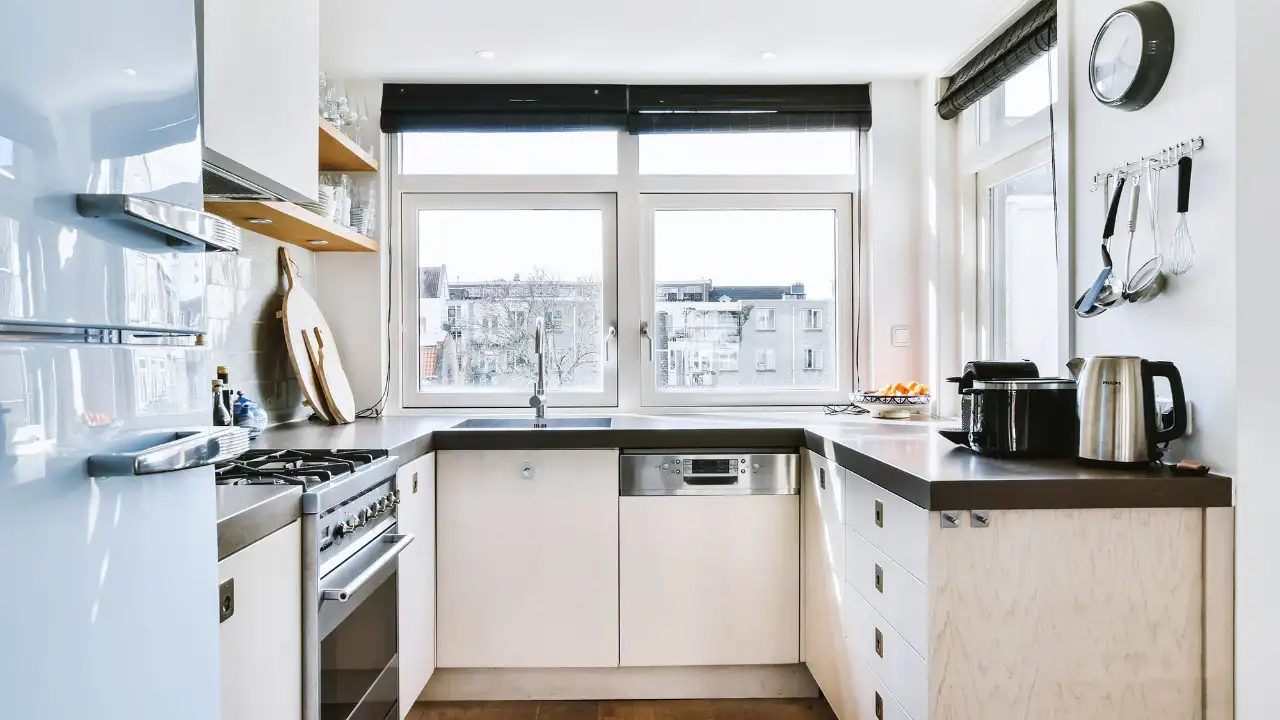
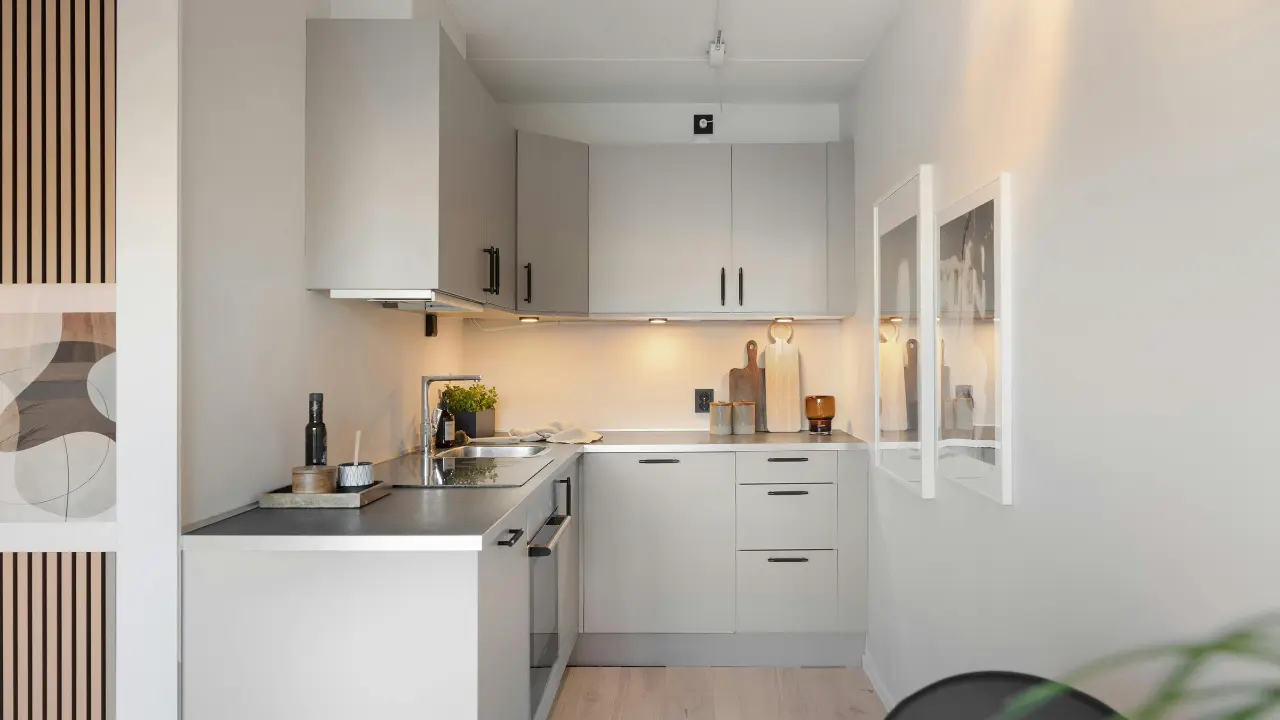
Farmhouse kitchens have a lasting appeal because they combine warmth, practicality, and a comfortable sense of togetherness. Natural wood, simple cabinetry, inviting lighting, classic hardware, and hardworking surfaces can make a kitchen feel welcoming without sacrificing everyday functionality.
The best farmhouse kitchen ideas are not necessarily the ones with the most rustic decorations. Instead, they balance traditional character with the way people actually use a kitchen today. Modern appliances, organized storage, durable countertops, thoughtful lighting, and comfortable seating can all fit naturally into a farmhouse-inspired space.
A modern farmhouse kitchen also does not need to look old-fashioned. You can combine shaker cabinets and a farmhouse sink with contemporary appliances, clean lighting, streamlined storage, and simple countertops. The result can feel timeless rather than overly themed.
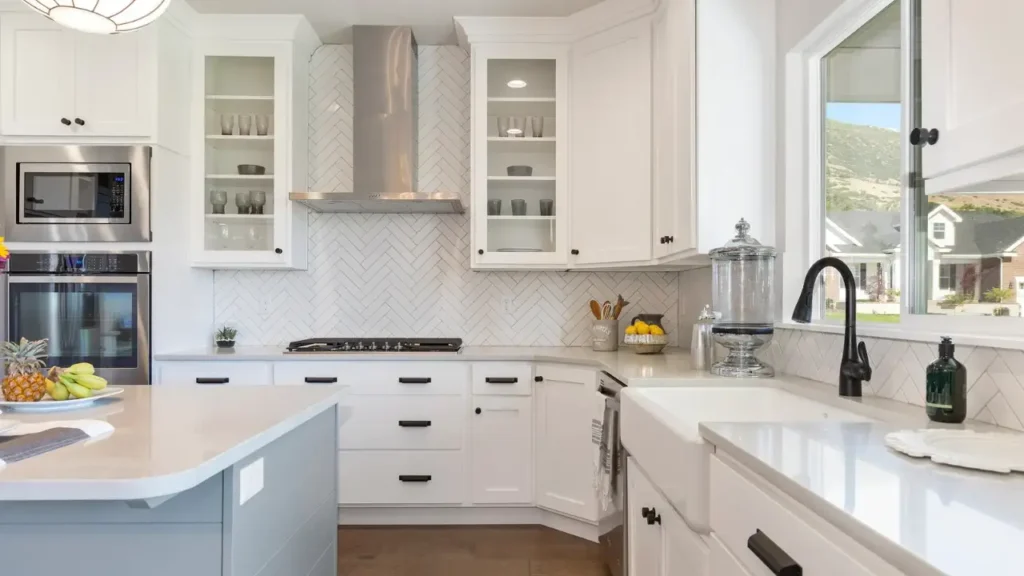
Whether you are planning a complete kitchen renovation, updating an outdated space, decorating a rental, or simply looking for ways to add more warmth, farmhouse style offers plenty of flexible options.
What Is a Farmhouse Kitchen?
A farmhouse kitchen traditionally emphasizes practical design, natural materials, comfortable gathering areas, and details that feel connected to everyday life.
Rather than relying entirely on decorative features, farmhouse design often starts with useful elements such as durable cabinetry, generous work surfaces, practical storage, and a welcoming dining or seating area.
Warm & Practical Design
A farmhouse kitchen should feel comfortable and usable. Warm neutrals, natural textures, classic cabinetry, and functional work zones can create an inviting atmosphere without making the room feel overly decorated.
Think about how the kitchen works during a normal day. Where are groceries unloaded? Where are frequently used dishes stored? Is there enough preparation space? Can several people move through the room comfortably?
These practical questions should influence the design just as much as appearance.
Natural Materials
Wood, stone, ceramic, metal, linen, and woven materials are especially useful for creating farmhouse character.
Natural materials add texture and visual variation without requiring elaborate decoration. Oak shelving, a stone countertop, ceramic backsplash tile, brass hardware, or a linen window treatment can each introduce farmhouse warmth.
The tradeoff is maintenance. Some natural materials require more care than manufactured alternatives, so choose finishes according to your household’s cooking habits and tolerance for upkeep.
Simple Cabinetry
Shaker cabinets are a common choice because their straightforward profiles work with both traditional and modern farmhouse designs.
Painted cabinets can create a lighter appearance, while natural wood introduces visible grain and warmth. Simple cabinetry also gives you more flexibility when changing hardware, lighting, or decorative accents later.
Comfortable Gathering Spaces
Farmhouse kitchens often function as more than cooking areas. Islands, breakfast nooks, dining tables, benches, and comfortable stools can turn the kitchen into a social space.
However, seating should not come at the expense of circulation. A beautiful island becomes less useful if it makes the main walkway too narrow.
Vintage-Inspired Details
Bridge faucets, cup pulls, ceramic accessories, traditional lighting, aged metals, and vintage-inspired furniture can provide character.
The key is moderation. A few carefully chosen details can establish the style more effectively than filling every surface with farmhouse-themed accessories.
Functional Storage
Farmhouse style works particularly well when practical storage is built into the design.
Deep drawers, pantry cabinets, appliance storage, pull-outs, plate racks, and organized shelving can help keep frequently used items accessible while allowing the kitchen to maintain a calm appearance.
Farmhouse Kitchen Styles to Consider
Farmhouse style is not a single look. Several variations can be adapted to different homes, budgets, and personal preferences.
Traditional Farmhouse Kitchen
A traditional farmhouse kitchen may combine shaker cabinetry, natural wood, a farmhouse sink, classic hardware, traditional lighting, and rustic details.
The overall look tends to emphasize timeless materials and familiar architectural features.
Modern Farmhouse Kitchen
Modern farmhouse design uses the warmth of traditional farmhouse style with cleaner lines and fewer decorative elements.
Typical combinations include neutral cabinets, natural wood, contemporary appliances, simple countertops, and modern lighting.
This approach can work particularly well for homeowners who want farmhouse character without a heavily rustic appearance.
Rustic Farmhouse Kitchen
Rustic farmhouse kitchens often feature reclaimed or distressed wood, stone, exposed architectural details, vintage elements, and textured materials.
Because rustic materials can become visually heavy, balance them with adequate lighting and practical modern storage.
Country Farmhouse Kitchen
Country farmhouse kitchens can use softer colors, patterned textiles, traditional details, decorative ceramics, and comfortable dining areas.
This version tends to feel softer and more decorative than a minimalist modern farmhouse kitchen.
Scandinavian Farmhouse
Scandinavian farmhouse design combines light wood, warm white, simple cabinetry, natural textures, and restrained decoration.
It can be particularly useful for smaller kitchens because the limited palette and simple forms help the room feel open.
Farmhouse Kitchen Cabinet Ideas
Cabinetry is one of the strongest visual foundations of a farmhouse kitchen. The cabinet color, door profile, wood species, and hardware all influence the overall character.
White Farmhouse Cabinets
White farmhouse cabinets can make a kitchen feel bright, clean, and welcoming.
Warm white and off-white shades are often more forgiving than stark, cool white when paired with natural wood, stone, brass, or warm flooring.
Shaker doors are a natural fit because their simple profile supports both traditional and modern interpretations.
Cream Farmhouse Cabinets
Cream cabinets offer a softer alternative to bright white.
They can create a warmer atmosphere and work especially well with walnut, oak, bronze, brass, marble, and natural stone.
Cream can also help a kitchen feel less visually stark when the room contains several warm materials.
Natural Wood Cabinets
Natural wood brings immediate warmth and texture to a farmhouse kitchen.
Common choices include:
- Oak
- Walnut
- Pine
- Ash
Oak emphasizes visible grain and has a naturally casual character. Walnut provides deeper color and a more refined appearance, while pine can create a relaxed rustic feeling.
When selecting wood cabinetry, consider how the grain and undertone will relate to flooring, furniture, countertops, and nearby rooms.
Green Farmhouse Cabinets
Muted green shades such as sage, olive, and soft forest green can work beautifully with natural wood and traditional hardware.
Sage creates a lighter, calmer appearance, while deeper greens can produce a richer and more dramatic kitchen.
Two-Tone Farmhouse Cabinets
Two-tone cabinetry can add contrast without requiring an elaborate color scheme.
Consider combinations such as:
- White cabinets with an oak island
- Cream cabinets with walnut accents
- Sage cabinets with natural wood
- White perimeter cabinets with a darker island
A two-tone approach works best when the finishes have a clear relationship rather than looking randomly combined.
Shaker Cabinets
Shaker cabinetry remains one of the most versatile choices for farmhouse kitchens.
Its simple construction and classic appearance can support traditional, country, modern, and transitional interpretations. Because the profile is relatively restrained, you can change hardware and accessories later without making the cabinets feel outdated.
Farmhouse Kitchen Color Ideas
There is no universally best farmhouse color palette. The right combination depends on natural light, room size, flooring, cabinet material, adjacent rooms, and the atmosphere you want to create.
| Color Combination | Overall Feel | Complementary Materials |
|---|---|---|
| Warm White + Oak | Bright & welcoming | Brass, stone |
| Cream + Walnut | Warm & refined | Bronze, marble |
| Sage Green + Wood | Natural & calming | Brass, ceramic |
| White + Black | Crisp & classic | Wood, aged metal |
| Taupe + Oak | Soft & understated | Bronze, stone |
| Navy + White | Traditional & fresh | Brass, wood |
| Beige + Natural Wood | Relaxed & earthy | Woven textures |
| Deep Green + Cream | Rich & cozy | Brass, natural stone |
Before committing to a color, view samples under both natural and artificial lighting. A shade that looks warm in a showroom can appear noticeably different in a kitchen with cooler light.
Farmhouse Kitchen Sink Ideas
The sink can become an important visual feature, especially when it is positioned prominently beneath a window or incorporated into a large island.
Apron-Front Farmhouse Sink
The apron-front sink is one of the most recognizable farmhouse features.
Options include:
- Fireclay
- Porcelain
- Stainless steel
- Composite materials
Fireclay and porcelain can provide a traditional appearance, while stainless steel offers a more contemporary interpretation.
Apron-front sinks also require appropriate cabinet planning, so confirm compatibility before selecting one.
Single-Bowl Farmhouse Sink
A single-bowl sink provides a large uninterrupted basin that can be convenient for washing oversized cookware.
It can be especially useful for households that regularly use large pots, baking trays, or serving dishes.
Double-Bowl Farmhouse Sink
A double-bowl design provides separate areas for different tasks.
It can be helpful for households that prefer dedicated washing and rinsing zones, although each basin may provide less space for oversized items.
Stainless Steel Farmhouse Sink
Stainless steel creates a more contemporary farmhouse appearance and can coordinate easily with modern appliances.
It may be a practical choice when you want the visual shape of an apron-front sink without relying on a traditional white finish.
How to Coordinate the Sink
Consider the relationship between the sink, faucet, countertop, cabinetry, and hardware.
For example, a white apron-front sink can work with warm white cabinets, natural stone, and brass hardware. A stainless-steel sink may coordinate naturally with stainless appliances and simpler modern hardware.
Farmhouse Kitchen Countertop Ideas
Countertops have a major influence on both appearance and daily maintenance.
Marble
Marble provides classic veining and a traditional, elevated appearance.
It can develop visible signs of use over time, so it suits homeowners who are comfortable with a surface that may change with age.
Quartz
Quartz offers a consistent appearance and is often considered for modern farmhouse kitchens that need a practical surface with a clean visual profile.
It can mimic the appearance of natural stone while providing a different maintenance experience.
Quartzite
Quartzite offers natural variation and dramatic stone patterns.
It can work well in elevated farmhouse kitchens where the countertop is intended to become a significant visual feature.
Granite
Granite provides substantial natural variation and can fit rustic or traditional farmhouse kitchens.
The appearance varies considerably between slabs, so viewing the actual slab is useful when possible.
Butcher Block
Butcher block brings natural warmth and strongly reinforces farmhouse character.
It can work particularly well on islands or smaller work areas. Because wood is susceptible to moisture, staining, and wear, it requires appropriate care.
Soapstone
Soapstone has a matte, organic appearance that pairs naturally with rustic and traditional farmhouse interiors.
Its darker tone can also provide contrast against light cabinetry.
Farmhouse Countertop Comparison
| Material | Visual Character | Maintenance Consideration | Farmhouse Fit |
|---|---|---|---|
| Marble | Classic & veined | Higher | Traditional |
| Quartz | Consistent & clean | Generally practical | Modern farmhouse |
| Quartzite | Natural & dramatic | Moderate | Elevated farmhouse |
| Granite | Varied & substantial | Moderate | Rustic/traditional |
| Butcher Block | Warm & natural | Requires care | Classic farmhouse |
| Soapstone | Matte & organic | Moderate | Rustic/traditional |
Rather than choosing a countertop solely for appearance, consider how you cook, how much maintenance you are willing to perform, and how the material will interact with the rest of the kitchen.
Farmhouse Kitchen Backsplash Ideas
A backsplash can reinforce farmhouse character without overwhelming the cabinetry.
White Subway Tile
White subway tile is a classic choice because it works with traditional and modern farmhouse cabinets.
Changing the grout color can significantly alter the appearance. A softer grout can create a subtle look, while darker grout emphasizes the tile pattern.
Handmade-Look Tile
Slight variation in shape, color, or surface texture can create a handcrafted appearance.
This works particularly well when the rest of the kitchen uses simple cabinetry and natural materials.
Zellige-Style Tile
Zellige-style tile can add irregular texture and light variation.
Because it already has visual interest, it is usually best paired with relatively restrained cabinets and countertops.
Brick Backsplash
Brick introduces stronger rustic character.
It can work especially well with natural wood, exposed beams, aged metal, and rustic lighting.
Natural Stone
Stone backsplashes can connect the kitchen visually to stone countertops or architectural elements.
Beadboard
Beadboard offers a distinctly cottage and farmhouse-inspired texture.
It should be selected with cleaning and moisture exposure in mind, particularly behind cooking areas.
Full-Height Backsplash
A full-height backsplash can create a stronger architectural focal point.
Use it carefully if the kitchen already contains prominent cabinetry, a dramatic range hood, patterned countertops, or statement lighting.
When choosing a backsplash, consider tile scale, grout, texture, cleaning requirements, and how the surface interacts with the countertop and cabinet colors.
Farmhouse Kitchen Island Ideas
A kitchen island can become the central gathering point of a farmhouse kitchen.
Large Farmhouse Island
A large island can provide preparation space, storage, seating, and a social area.
However, island size should be determined by the available room and circulation rather than by appearance alone.
Wood Kitchen Island
A wood island adds warmth and can create contrast against painted perimeter cabinets.
Oak is particularly useful when you want visible grain and a lighter natural appearance.
Contrasting Island Color
A darker or differently colored island can establish a focal point.
Sage, deep green, navy, natural wood, or walnut can work with neutral perimeter cabinets.
Furniture-Style Island
A furniture-style island can make the kitchen feel less built-in and more relaxed.
This approach can be especially effective in traditional or cottage-inspired farmhouse kitchens.
Island with Open Shelving
Open shelving can provide convenient access to frequently used items.
Keep the display selective so the island does not become visually cluttered.
Island Seating
When planning seating, consider:
- Countertop overhang
- Stool height
- Legroom
- Traffic flow
- Number of seats
The goal is comfortable seating without forcing people into the primary cooking or circulation path.
Small Farmhouse Island
Smaller kitchens can use:
- Compact islands
- Rolling islands
- Peninsula layouts
- Freestanding worktables
A movable or furniture-style piece may provide useful preparation and storage space without making the room feel crowded.
Farmhouse Kitchen Lighting Ideas
Lighting should provide farmhouse character while making food preparation and cleanup comfortable.
Pendant Lights
Pendant fixtures can be used above islands or dining areas.
Popular farmhouse-friendly finishes include:
- Aged metal
- Brass
- Black
- Glass
- Vintage-inspired finishes
Choose the fixture according to the island’s scale. Oversized fixtures can dominate a small room.
Farmhouse Chandeliers
A chandelier can provide a decorative focal point over a dining table or large island.
Wall Sconces
Sconces can add warmth and visual balance around windows, open shelving, or specific architectural features.
Under-Cabinet Lighting
Under-cabinet lighting provides useful task illumination and can reduce shadows on countertops.
Recessed Lighting
Recessed fixtures can provide general illumination without competing with decorative farmhouse fixtures.
Lantern-Style Fixtures
Lantern-style lighting can reinforce traditional or modern farmhouse character.
Layered Farmhouse Kitchen Lighting
A functional lighting plan typically combines:
- Ambient lighting for general illumination
- Task lighting for food preparation and cooking
- Accent lighting for architectural or decorative features
- Decorative lighting for visual character
Decorative fixtures should complement rather than replace adequate work lighting.
Farmhouse Kitchen Hardware Ideas
Hardware can change the appearance of otherwise simple cabinets.
Popular options include:
- Aged brass
- Antique brass
- Bronze
- Matte black
- Brushed nickel
- Iron
- Ceramic knobs
- Cup pulls
- Bin pulls
- Traditional latches
Cup pulls can reinforce a classic farmhouse appearance, while matte black can make the same cabinetry feel more contemporary.
Mixing Hardware Finishes
Multiple finishes can work together when they are introduced intentionally.
For example, warm brass cabinet hardware can be paired with another related warm metal elsewhere in the room, while black can be used as a smaller contrasting accent.
Avoid introducing numerous unrelated finishes simply because each looks attractive individually.
Farmhouse Kitchen Faucet Ideas
The faucet is both a functional tool and a visible design element.
Bridge Faucets
Bridge faucets can reinforce traditional farmhouse and country aesthetics.
Pull-Down Faucets
Pull-down faucets offer a practical contemporary option and can work well in modern farmhouse kitchens.
Vintage-Inspired Faucets
Traditional shapes can provide farmhouse character without requiring decorative accessories throughout the room.
Brass Faucets
Brass can add warmth, particularly when paired with cream, white, oak, or natural stone.
Black Faucets
Black creates contrast and can reinforce a more contemporary farmhouse look.
Nickel Faucets
Nickel provides a softer metallic appearance and can work with traditional and transitional designs.
Depending on the kitchen, you may also consider a pot filler, soap dispenser, or filtered-water faucet. These additions should solve real needs rather than being installed only for appearance.
Farmhouse Kitchen Open Shelving Ideas
Open shelving can reinforce the casual and practical character of farmhouse design.
Possible options include:
- Reclaimed wood shelves
- Oak shelves
- Floating shelves
- Bracket shelves
- Thick wood shelves
- Shelves near sinks
- Shelves beside range hoods
What to Display
Use open shelving for items that are both useful and visually appropriate, such as:
- Ceramic dishes
- Mugs
- Bowls
- Cookbooks
- Cutting boards
- Plants
- Everyday serving pieces
The main tradeoff is maintenance. Open shelves make items easy to reach, but they also expose dishes and surfaces to dust and kitchen residue.
Use them selectively if you prefer a low-maintenance kitchen.
Farmhouse Kitchen Range Hood Ideas
The range hood can become an architectural focal point.
Wood Range Hood
A wood hood can connect visually with a wood island, shelves, flooring, or ceiling beams.
Plaster-Style Hood
A plaster-style hood can provide a soft architectural appearance that works particularly well in modern or Mediterranean-influenced farmhouse kitchens.
Shiplap-Inspired Hood
Shiplap-style detailing can reinforce a cottage or traditional farmhouse look, although it should be used thoughtfully to avoid making the kitchen feel overly themed.
Metal Hood
Metal introduces a more industrial or rustic character.
Custom Built-In Hood
A custom hood can be designed to coordinate with the cabinetry and surrounding architecture.
Minimal Modern Farmhouse Hood
A simple hood with clean lines can help maintain a modern farmhouse appearance.
The hood should relate to the cabinetry, backsplash, countertop, and ceiling height. If the hood is already a major focal point, additional dramatic features may compete for attention.
Modern Farmhouse Kitchen Ideas
Modern farmhouse combines traditional warmth with contemporary simplicity.
Some effective combinations include:
- White shaker cabinets with natural wood
- Warm white cabinets with black hardware
- Oak island with painted cabinetry
- Quartz countertops with an apron-front sink
- Modern appliances with vintage-inspired lighting
- Simple backsplash with traditional hardware
- Integrated storage with rustic accessories
How to Keep Modern Farmhouse From Looking Too Trendy
Focus on elements that can remain useful even if decorative preferences change:
- Simple cabinetry
- Natural materials
- Restrained colors
- Functional storage
- Timeless hardware
- Limited decorative signage
A modern farmhouse kitchen generally feels more enduring when its permanent elements are simple and its trend-sensitive details are easy to replace.
Rustic Farmhouse Kitchen Ideas
Rustic farmhouse kitchens emphasize texture and visible signs of natural materials.
Consider:
- Reclaimed wood
- Exposed beams
- Natural stone
- Distressed wood
- Vintage hardware
- Brick
- Woven materials
- Rustic lighting
The challenge is balancing rustic character with modern functionality.
For example, reclaimed wood may provide excellent visual texture, while modern drawer storage, efficient appliances, and appropriate task lighting keep the kitchen practical.
Cozy Farmhouse Kitchen Ideas
A cozy farmhouse kitchen should feel lived-in rather than cluttered.
Useful elements include:
- Warm lighting
- Wood accents
- Soft textiles
- Comfortable stools
- Breakfast nooks
- Natural colors
- Ceramic accessories
- Plants
- Rugs or runners
- Personal artwork
A warm wood cutting board, ceramic pitcher, woven runner, and soft pendant lighting may create more atmosphere than dozens of decorative objects.
The Key Principle
A cozy farmhouse kitchen should feel lived-in, not cluttered.
Small Farmhouse Kitchen Ideas
Farmhouse character does not require a large kitchen.
In a small space, prioritize:
- Light cabinet colors
- Vertical storage
- Compact islands
- Peninsula layouts
- Selective open shelving
- Full-height cabinets
- Integrated appliances
- Small dining tables
- Under-cabinet lighting
- Minimal countertop decor
The goal is to introduce farmhouse character without reducing usable workspace.
Small Farmhouse Kitchen Layouts
One-Wall Kitchen
Use warm cabinetry, vertical storage, and carefully selected open shelving.
Galley Kitchen
Prioritize efficient storage and wood accents while keeping the walkway clear.
L-Shaped Kitchen
An L-shaped layout can create room for a compact dining area or small island depending on dimensions.
Peninsula Kitchen
A peninsula can provide additional preparation space and seating without requiring a freestanding island.
In a small kitchen, a few carefully selected farmhouse materials can communicate the style more effectively than large decorative features.
Farmhouse Kitchen Ideas for Apartments
Apartment kitchens can incorporate farmhouse character without major structural work.
Consider:
- Removable cabinet hardware
- Temporary backsplash options
- Wood accessories
- Freestanding islands
- Farmhouse-inspired lighting where permitted
- Textiles
- Artwork
- Ceramic accessories
- Portable storage
- Open shelving where appropriate
Renters should prioritize reversible changes and confirm lease restrictions before changing fixtures or lighting.
A wood cutting board, woven runner, ceramic dishes, artwork, and carefully selected hardware can introduce a farmhouse mood without replacing the kitchen itself.
Farmhouse Kitchen Pantry Ideas
Good pantry organization helps maintain the relaxed appearance associated with farmhouse kitchens.
Walk-In Farmhouse Pantry
A walk-in pantry can include adjustable shelves, baskets, countertop space, and dedicated storage for small appliances.
Hidden Pantry
A hidden pantry can place frequently used food and appliances behind a door that visually blends with the surrounding cabinetry.
Pantry Cabinet
A tall pantry cabinet can provide substantial food storage without requiring a separate room.
Open Pantry Shelving
Open shelves provide quick access and can look attractive when organized with baskets, jars, and everyday serving pieces.
Butler’s Pantry
A butler’s pantry can provide additional storage and preparation space between the kitchen and dining area.
Useful pantry features include:
- Adjustable shelves
- Food storage
- Small-appliance storage
- Baskets
- Jars
- Labels
- Easy-to-clean surfaces
The goal is not simply to make storage attractive. It should make everyday kitchen tasks easier.
Farmhouse Kitchen Dining Area Ideas
Farmhouse kitchens naturally lend themselves to gathering and shared meals.
Consider:
- Farmhouse dining tables
- Round wood tables
- Banquettes
- Breakfast nooks
- Built-in benches
- Island seating
- Windsor-style chairs
- Upholstered dining chairs
A round wood table can work well where circulation around corners is important. A built-in bench can make use of an awkward wall or window area.
Whatever furniture you choose, consider scale and circulation first. The dining area should feel comfortable without making it difficult to move between the refrigerator, sink, range, and other work zones.
Farmhouse Kitchen Materials
Materials provide much of the visual character in a farmhouse kitchen.
| Material | Common Uses | Visual Effect | Consideration |
|---|---|---|---|
| Oak | Cabinets/shelves | Natural & warm | Grain variation |
| Walnut | Islands/details | Rich & refined | Cost |
| Pine | Furniture/shelving | Casual & rustic | Surface durability |
| Stone | Counters/walls | Organic | Weight/installation |
| Ceramic | Backsplash/dishes | Handmade feel | Cleaning/grout |
| Brass | Hardware/lighting | Warm & classic | Finish coordination |
| Bronze | Hardware | Aged character | Patina |
| Linen | Curtains/textiles | Soft | Maintenance |
| Rattan | Accessories/seating | Natural texture | Moisture considerations |
| Iron | Hardware/fixtures | Rustic | Finish/maintenance |
Instead of using every material in one kitchen, choose a small group that creates a consistent palette.
Farmhouse Kitchen Decor Ideas
Farmhouse decor works best when it feels purposeful.
Consider:
- Ceramic pitchers
- Wooden cutting boards
- Vintage-inspired clocks
- Cookbooks
- Baskets
- Plants
- Artwork
- Woven textiles
- Pottery
- Fresh flowers
- Vintage-style containers
Avoiding Farmhouse Decor Overload
Too many signs, distressed objects, decorative words, and themed accessories can make a kitchen feel staged.
A few meaningful or authentic-looking pieces can communicate farmhouse character more effectively.
For example, a handmade ceramic bowl that you actually use may contribute more to the room than several decorative signs competing for attention.
Farmhouse Kitchen Storage Ideas
The practical side of farmhouse design is just as important as the visual side.
Useful storage features include:
- Deep drawers
- Pantry cabinets
- Pull-out storage
- Plate racks
- Tray dividers
- Corner cabinets
- Appliance storage
- Hidden trash and recycling
- Under-island storage
- Open shelving
- Vertical storage
Store frequently used cookware where it is easy to access. Place appliances according to how often they are used, and avoid filling open shelves with items that you rarely touch.
Farmhouse style should support everyday kitchen life, not sacrifice function for appearance.
Farmhouse Kitchen Ceiling & Architectural Details
Architectural details can make farmhouse design feel connected to the home rather than applied as a theme.
Consider:
- Exposed beams
- Wood ceilings
- Beadboard
- Shiplap accents
- Ceiling-height cabinets
- Arched openings
- Traditional trim
- Window details
- Built-in niches
- Decorative millwork
The right choice depends heavily on the home’s existing architecture.
For example, exposed beams may look natural in a house with appropriate structural character but can feel artificial when added without relationship to the rest of the building.
Farmhouse Kitchen Ideas on a Budget
A farmhouse-inspired kitchen does not require a complete renovation.
Low-Cost Updates
Consider:
- Cabinet hardware
- Lighting
- Runners
- Wood accessories
- Ceramic pieces
- Artwork
- Plants
- Organization
- Cabinet styling
These changes can alter the atmosphere without changing the kitchen’s basic structure.
Mid-Range Updates
Possible upgrades include:
- Cabinet refinishing
- New backsplash
- Faucet
- Sink
- Lighting upgrades
- Open shelving
- Countertop changes
These projects can have a larger visual impact but require more planning.
Larger Investments
Major investments may include:
- New cabinetry
- Island
- Countertops
- Flooring
- Appliances
- Structural renovation
These should be considered carefully because they are more difficult and expensive to change later.
Where to Spend More
Prioritize permanent or difficult-to-change elements when they solve real functional problems.
Good examples include cabinetry that improves storage, lighting that solves visibility issues, and durable surfaces suited to your lifestyle.
Where to Save
Accessories, textiles, artwork, and easily replaceable decorative details can usually be changed more easily as your preferences evolve.
Farmhouse Kitchen Design by Layout
Different kitchen layouts create different opportunities for farmhouse character.
| Kitchen Layout | Farmhouse Design Opportunity |
|---|---|
| One-Wall | Warm cabinets + open shelving |
| Galley | Wood accents + practical storage |
| L-Shaped | Dining nook or compact island |
| U-Shaped | Shaker cabinetry + layered lighting |
| Open-Plan | Large island + coordinated dining area |
| Island Kitchen | Farmhouse island + statement lighting |
| Peninsula | Compact seating + extra storage |
The right approach depends on room dimensions, household size, cooking habits, storage requirements, and circulation.
Farmhouse Kitchen Design by Color
Color can change the character of the same basic farmhouse layout.
| Cabinet Color | Best Pairings | Overall Mood |
|---|---|---|
| Warm White | Oak, brass, stone | Bright & welcoming |
| Cream | Walnut, bronze | Soft & traditional |
| Sage Green | Oak, brass | Organic & calm |
| Navy | White, wood | Classic & sophisticated |
| Taupe | Oak, bronze | Neutral & cozy |
| Deep Green | Cream, natural stone | Rich & dramatic |
| Natural Wood | White, black, brass | Warm & authentic |
When choosing a color, consider the entire room rather than cabinetry alone.
Farmhouse Kitchen Design by Style
| Style | Core Features | Farmhouse Details |
|---|---|---|
| Modern Farmhouse | Clean lines + natural materials | Shaker cabinets + wood |
| Traditional Farmhouse | Classic cabinetry | Farmhouse sink + brass |
| Rustic Farmhouse | Reclaimed materials | Beams + stone |
| Country Farmhouse | Soft colors | Ceramics + textiles |
| Scandinavian Farmhouse | Light wood | Simple storage |
| Cottage Farmhouse | Vintage character | Floral/textured accents |
| Organic Farmhouse | Natural materials | Stone + wood |
These styles can also overlap. A kitchen might combine modern farmhouse cabinetry with rustic wood and Scandinavian-inspired simplicity.
How to Make a Farmhouse Kitchen Feel Modern
If you like farmhouse warmth but do not want an overly rustic kitchen, focus on simplicity.
Use:
- Cleaner cabinet profiles
- Minimal hardware
- Integrated appliances
- Simple countertops
- Large-format backsplash tile
- Modern pendant lighting
- Limited decorative accessories
- Contemporary stools
- Natural wood
- Warm neutral colors
The goal is to retain the material warmth and comfortable atmosphere of farmhouse design while removing unnecessary visual clutter.
How to Make a Farmhouse Kitchen Feel More Authentic
Authenticity comes from consistency and context rather than simply adding rustic accessories.
Consider:
- Natural materials
- Practical storage
- Simple cabinetry
- Honest wood textures
- Traditional hardware
- Comfortable dining areas
- Functional workspaces
- Architecture that suits the home
- Personal pieces with genuine meaning
A farmhouse kitchen tends to feel more convincing when the materials and architectural details make sense together.
Instead of adding artificial distressing everywhere, allow natural materials, useful furniture, and personal objects to create character.
Common Farmhouse Kitchen Design Mistakes
Too Many Farmhouse Signs
Decorative signs can quickly make a kitchen feel themed.
Better approach: Use artwork or objects that have genuine personal or functional value.
Excessive Distressed Finishes
Distressed finishes can create texture, but using them throughout the kitchen may make the space feel intentionally aged rather than naturally lived-in.
Better approach: Choose one or two rustic elements and balance them with cleaner surfaces.
Mixing Too Many Wood Tones
Multiple wood species can compete visually.
Better approach: Establish one dominant wood tone and use additional woods as controlled accents.
Choosing Style Over Function
A beautiful kitchen is less successful if storage and workflow are poor.
Better approach: Solve circulation, storage, preparation, and appliance needs before adding decorative details.
Too Much Open Shelving
Open shelves can look attractive but expose dishes and surfaces to dust and kitchen residue.
Better approach: Combine open shelving with closed cabinetry.
Poor Lighting
A farmhouse chandelier alone cannot provide all the light a working kitchen needs.
Better approach: Layer ambient, task, accent, and decorative lighting.
Oversized Furniture in a Small Kitchen
Large islands and dining tables can make a small room difficult to navigate.
Better approach: Scale furniture to the room and consider compact or movable pieces.
Too Many Decorative Objects
Excessive accessories can eliminate the calm quality that makes farmhouse kitchens inviting.
Better approach: Leave useful negative space and display only selected pieces.
Overusing Black Accents
Black hardware and fixtures can provide useful contrast, but too much black can dominate a softer farmhouse palette.
Better approach: Use black intentionally and balance it with wood, cream, white, or other warm materials.
Ignoring Storage
Farmhouse kitchens are associated with practical living, so insufficient storage undermines the concept.
Better approach: Plan pantry, drawer, appliance, and everyday-item storage early.
Copying a Farmhouse Trend Without Considering the Home
A design may look attractive online but feel disconnected from the architecture of your house.
Better approach: Adapt farmhouse elements to existing windows, ceiling height, flooring, trim, and neighboring rooms.
Choosing High-Maintenance Materials Without Considering Lifestyle
A material that looks beautiful may require more maintenance than your household wants to provide.
Better approach: Evaluate cleaning, staining, sealing, moisture exposure, and everyday wear before committing.
How to Plan a Farmhouse Kitchen Step by Step
Step 1: Evaluate the Existing Space
Identify:
- Layout problems
- Storage problems
- Lighting issues
- Outdated finishes
- Circulation problems
Start with the problems that affect daily use.
Step 2: Choose Your Farmhouse Style
Decide whether you prefer modern, traditional, rustic, country, cottage, Scandinavian, or another interpretation.
Step 3: Select the Cabinet Direction
Choose:
- Color
- Door style
- Wood or painted finish
- Hardware
Step 4: Establish the Material Palette
Coordinate:
- Countertop
- Backsplash
- Flooring
- Wood tones
- Metals
Try to view samples together before making permanent decisions.
Step 5: Plan the Island or Dining Area
Prioritize circulation and comfortable movement around work zones.
Step 6: Design Lighting
Combine ambient, task, accent, and decorative lighting rather than relying on one type.
Step 7: Plan Storage
Think about cookware, pantry items, appliances, utensils, recycling, and countertop equipment.
Step 8: Choose Appliances
Balance farmhouse character with modern functionality.
There is no need to sacrifice appliance performance simply to make the kitchen look traditional.
Step 9: Add Decorative Details
Use ceramics, textiles, plants, artwork, and wood accessories selectively.
Step 10: Review the Design
Before finalizing, check:
- Function
- Storage
- Lighting
- Maintenance
- Budget
- Circulation
- Material coordination
- Long-term appeal
How to Make a Kitchen Look Farmhouse Without Remodeling
You can introduce farmhouse character without changing the basic architecture.
Try:
- Replacing cabinet hardware
- Adding wood accessories
- Introducing ceramic pieces
- Adding a farmhouse-style runner
- Using warmer lighting
- Adding artwork
- Introducing woven baskets
- Adding plants
- Improving countertop organization
- Updating practical lighting fixtures where possible
- Adding removable decor for renters
- Introducing a small freestanding furniture piece
These small changes can create a noticeably warmer atmosphere without the cost or disruption of a complete renovation.
Timeless Farmhouse Kitchen Ideas
A timeless farmhouse kitchen should have a foundation that can adapt as decorative preferences change.
Focus on:
- Simple cabinetry
- Natural materials
- Warm neutral colors
- Quality lighting
- Functional storage
- Classic hardware
- Durable countertops
- Natural wood
- Restrained decorative trends
- Flexible accessories
Use trends as accents rather than making every permanent element dependent on a short-lived style.
For example, replacing a runner, pendant, artwork, or cabinet hardware is generally easier than replacing cabinetry or countertops.
Farmhouse Kitchen Ideas by Design Goal
| Goal | Design Direction |
|---|---|
| Modern farmhouse | Shaker cabinets + clean lighting + wood |
| Rustic farmhouse | Reclaimed wood + stone + vintage details |
| Small farmhouse | Light colors + vertical storage |
| Cozy farmhouse | Warm lighting + textiles + wood |
| Budget farmhouse | Hardware + decor + lighting |
| Timeless farmhouse | Simple cabinetry + natural materials |
| Family farmhouse | Durable surfaces + accessible storage |
| Entertaining | Large island + comfortable seating |
| Rental farmhouse | Reversible decor + textiles + accessories |
| Elegant farmhouse | Cream + natural stone + refined hardware |
Use this table as a starting point rather than a strict formula. The same kitchen can satisfy several goals at once.
Farmhouse Kitchen FAQs
What makes a kitchen farmhouse style?
A farmhouse kitchen typically combines practical cabinetry, natural materials, comfortable gathering areas, simple finishes, functional storage, and vintage- or country-inspired details. The style can range from traditional and rustic to clean and modern.
What colors are best for a farmhouse kitchen?
Common farmhouse palettes include warm white, cream, beige, taupe, sage green, navy, deep green, and natural wood. The appropriate choice depends on natural light, room size, flooring, materials, and the atmosphere you want.
Are white cabinets good for a farmhouse kitchen?
Yes. White and warm-white cabinets work well with farmhouse design because they provide a clean foundation for natural wood, stone, traditional hardware, and warm lighting. Cream and off-white can create a softer appearance than very bright white.
What is the best countertop for a farmhouse kitchen?
There is no single best countertop for every farmhouse kitchen. Marble, quartz, quartzite, granite, butcher block, and soapstone can all work. Consider appearance, maintenance, budget, cooking habits, and how the countertop coordinates with the cabinets and backsplash.
Do farmhouse kitchens need a farmhouse sink?
No. An apron-front sink can reinforce farmhouse character, but it is not required. Stainless steel or other sink styles can also work, especially in modern farmhouse kitchens.
How can I make a modern kitchen look farmhouse?
Start with a few high-impact elements such as warm cabinet colors, natural wood, classic hardware, farmhouse-inspired lighting, ceramic accessories, a suitable backsplash, and a warmer overall material palette. You do not need to change every element.
How can I make a small kitchen farmhouse style?
Use light or warm cabinet colors, vertical storage, compact furniture, selective open shelving, natural wood accents, and layered lighting. Keep countertop decoration limited so the space remains functional and visually open.
What backsplash works best in a farmhouse kitchen?
White subway tile, handmade-look tile, zellige-style tile, natural stone, brick, and beadboard can all work depending on the style. Choose based on texture, grout, cleaning requirements, cabinet color, and countertop design.
What hardware looks best with farmhouse cabinets?
Aged brass, antique brass, bronze, iron, matte black, brushed nickel, ceramic knobs, cup pulls, and bin pulls can all suit farmhouse cabinetry. The best choice depends on whether you want traditional, rustic, country, or modern farmhouse character.
How do you make a farmhouse kitchen feel cozy?
Use warm lighting, natural wood, soft textiles, comfortable seating, ceramics, plants, artwork, and a restrained selection of personal accessories. Cozy does not have to mean crowded.
Can a farmhouse kitchen look luxurious?
Yes. A farmhouse kitchen can feel refined through carefully selected natural stone, quality cabinetry, sophisticated lighting, restrained hardware, warm colors, and well-coordinated materials.
Luxury does not require removing farmhouse character. The key is consistency and thoughtful material selection.
How can I create a farmhouse kitchen on a budget?
Start with lower-cost changes such as hardware, lighting, runners, wood accessories, ceramics, artwork, plants, and organization. If you have a larger budget, prioritize improvements that solve functional problems before adding decorative upgrades.
Is modern farmhouse style going out of style?
Style trends change over time, so it is difficult to make an absolute prediction. A more durable approach is to use simple cabinetry, natural materials, functional storage, warm neutrals, and flexible decorative elements. This makes the kitchen easier to update as preferences evolve.
Final Thoughts
The strongest farmhouse kitchens combine warmth with everyday practicality.
Natural wood, simple cabinetry, durable surfaces, comfortable seating, thoughtful lighting, organized storage, and carefully selected decorative details can create a kitchen that feels welcoming without becoming overly themed.
The style does not require distressed furniture, decorative signs, or rustic accessories covering every surface. In many cases, a few well-chosen materials can communicate farmhouse character more effectively.
Whether you prefer a modern farmhouse kitchen with clean lines, a rustic space with reclaimed wood, a cozy country kitchen with soft colors, or a small apartment kitchen with reversible updates, the same principle applies: design around how the space will actually be used.
The best farmhouse kitchen ideas create a room that feels warm, useful, comfortable, and connected to the architecture of the home. Start with function, build a consistent material palette, choose details that suit your lifestyle, and let the farmhouse character develop naturally.