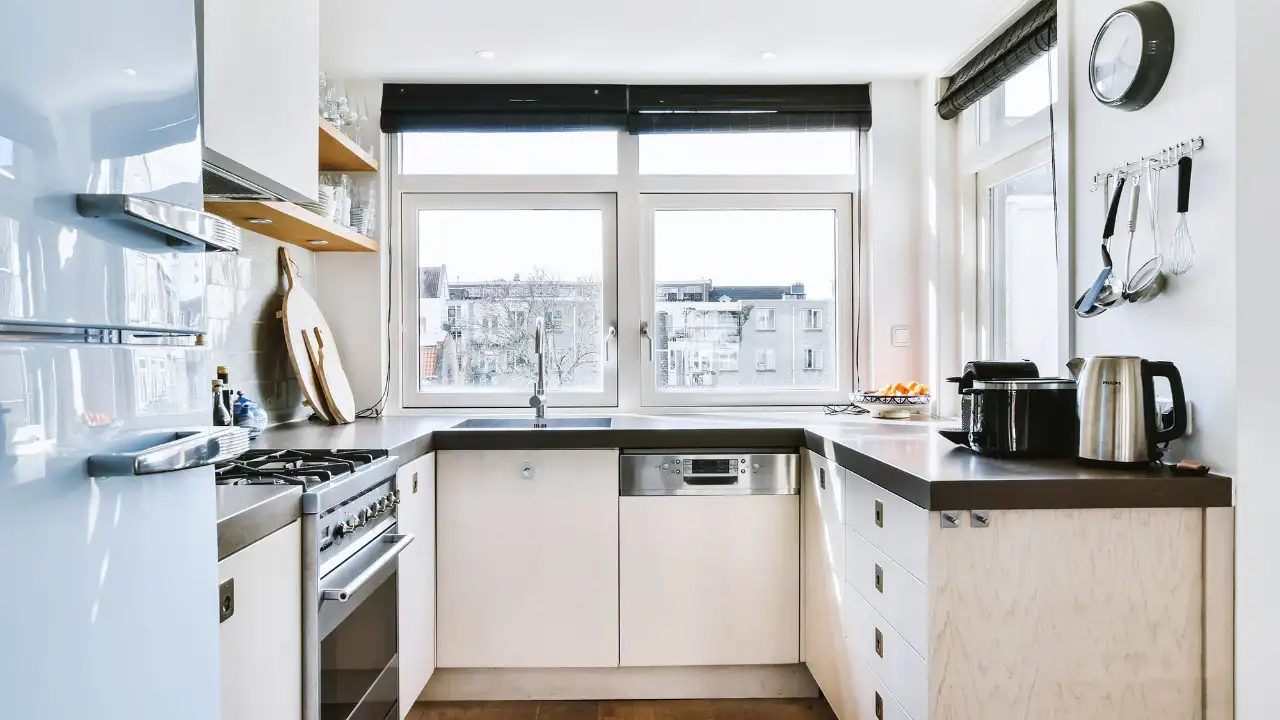
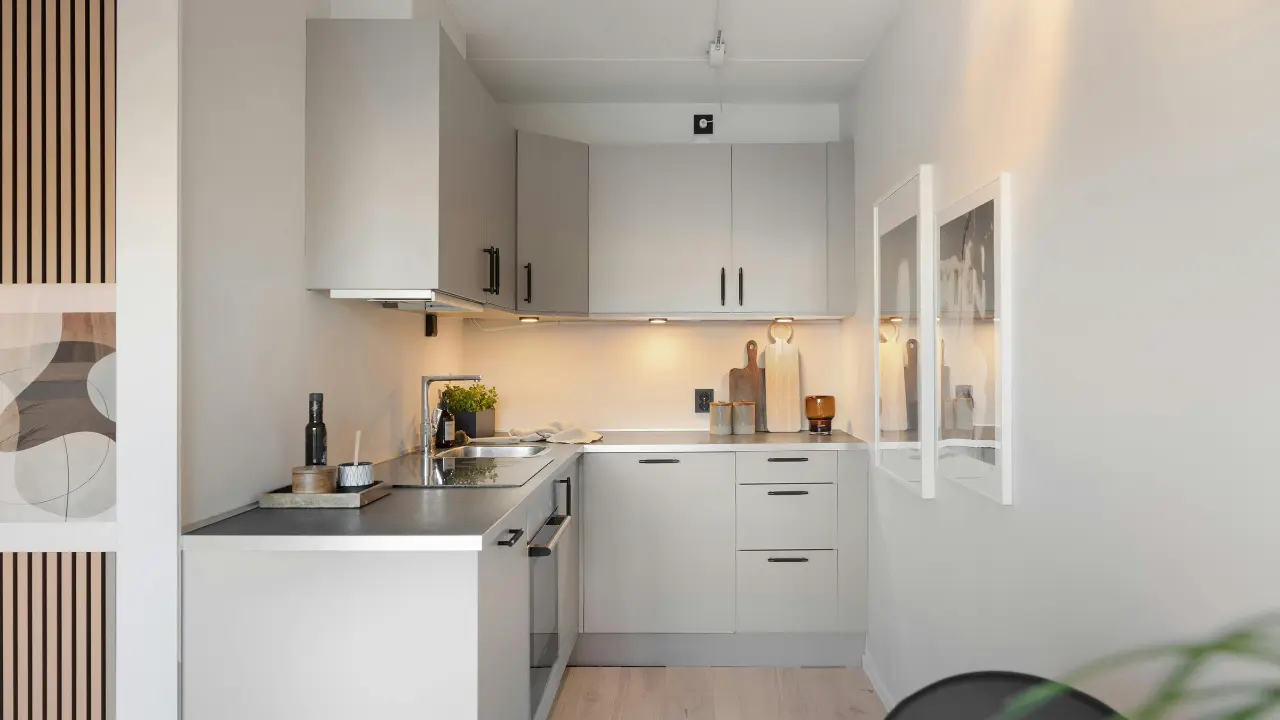
A kitchen can be beautiful without feeling cold or overly designed. The most inviting spaces usually combine practical layouts with warm colors, natural materials, comfortable lighting, and a few personal details.
The good news is that creating a cozy kitchen does not require a farmhouse or rustic style. A modern, minimalist, Scandinavian, Japandi, or contemporary kitchen can feel just as welcoming when warmth is intentionally built into the design.

Whether you are planning a full renovation or simply want to make your existing kitchen feel more comfortable, these cozy kitchen ideas can help you create a space that looks beautiful while still working for everyday life.
What Makes a Kitchen Feel Cozy?
A cozy kitchen is less about a particular decorating style and more about how different design elements work together. Color, lighting, texture, materials, storage, and personal touches all influence how a kitchen feels.
Warm Colors
Cool whites and gray-heavy palettes can sometimes make a kitchen feel stark, particularly when there is little natural light. Warmer shades such as cream, beige, taupe, warm white, muted green, and soft brown can create a more relaxed atmosphere.
You do not need to use warm colors everywhere. A warm neutral cabinet color paired with natural wood and a contrasting countertop can be enough to introduce visual warmth.
Natural Materials
Natural materials add texture and character that manufactured surfaces can sometimes lack.
Wood cabinetry, stone countertops, ceramic tile, linen textiles, woven accessories, and natural wood furniture can all make a kitchen feel more grounded.
The goal is not to use every natural material at once. Repeating one or two materials throughout the room often creates a more cohesive result.
Soft, Layered Lighting
Lighting has a major effect on kitchen ambiance. A single bright ceiling fixture may provide adequate visibility, but it does not necessarily create a comfortable atmosphere.
A better approach is to combine ambient, task, and accent lighting. Pendant lights can define an island, under-cabinet lights can illuminate work surfaces, and decorative fixtures can add character.
Comfortable Textures
Hard surfaces dominate most kitchens, so adding softer textures can make a noticeable difference.
A washable runner, upholstered seating, curtains, cushions, or woven accessories can soften the visual appearance without interfering with kitchen functionality.
Personal Details
A kitchen becomes more inviting when it reflects the people who use it.
Favorite ceramics, cookbooks, artwork, plants, cutting boards, and carefully selected accessories can give the room personality. The key is to display things intentionally rather than filling every available surface.
30 Best Cozy Kitchen Ideas for 2026
1. Choose Warm White Kitchen Cabinets
Warm white cabinets are one of the easiest ways to create a bright but comfortable kitchen.
Instead of an icy white, consider creamy white, ivory, or slightly beige-toned cabinetry. These shades work especially well with natural wood, warm stone, brass hardware, and soft lighting.
Best for: Small kitchens, traditional kitchens, transitional spaces, and modern interiors that need more warmth.
2. Add Natural Wood Cabinets
Natural wood immediately introduces texture and warmth.
Oak, walnut, maple, and other wood finishes can work across many styles. Light oak creates a relaxed Scandinavian or modern-organic feel, while walnut gives the room a deeper and more sophisticated character.
If full wood cabinetry feels too heavy, use wood on the island or lower cabinets instead.
3. Mix Wood With Cream or White
Combining wood with cream or white creates contrast without making the kitchen feel visually busy.
For example, white or cream upper cabinets can keep the room light while natural wood base cabinets or an island provide warmth.
This combination is particularly useful when you want a modern kitchen that still feels comfortable and lived-in.
4. Use Soft Earth-Tone Colors
Earth tones naturally support a warm kitchen aesthetic.
Consider shades such as:
- Beige
- Taupe
- Terracotta
- Muted olive
- Sage green
- Warm brown
- Soft clay
Rather than using several unrelated colors, choose one dominant neutral and one or two supporting shades.
5. Install Warm Pendant Lighting
Pendant lighting can make a kitchen island feel more intimate while providing useful task lighting.
Look for fixtures with warm finishes, natural materials, or softly diffused shades. A pair or trio of pendants can also create a stronger visual focal point over a large island.
Choose the size according to the island rather than simply selecting the largest fixture available.
6. Layer Kitchen Lighting
A cozy kitchen should still be practical.
Use ambient lighting for general visibility, task lighting for preparation areas, and accent lighting to highlight shelves, cabinets, artwork, or architectural details.
This layered approach allows the room to change from a bright cooking environment during the day to a softer gathering space in the evening.
7. Add Under-Cabinet Lighting
Under-cabinet lighting is both functional and atmospheric.
It illuminates countertops without requiring the entire kitchen to be brightly lit. When used in the evening, it can provide a gentle glow that makes the kitchen feel more relaxed.
It is particularly useful in small kitchens where additional decorative lighting may take up valuable space.
8. Create a Cozy Breakfast Nook
A breakfast nook can transform an unused corner into one of the most welcoming areas of the kitchen.
A small round table, built-in bench, comfortable chairs, and a pendant light can create a dedicated spot for morning coffee or casual meals.
Use washable cushions and durable upholstery if the area receives heavy everyday use.
9. Add Comfortable Kitchen Seating
Comfortable seating makes a kitchen feel more like a place to stay rather than simply a place to prepare food.
Consider upholstered counter stools, wooden chairs with cushions, or a built-in banquette.
For a small kitchen, choose seating that can tuck underneath the counter or table when it is not being used.
10. Use a Small Kitchen Runner
A runner can introduce color and softness without changing the entire kitchen.
Choose a low-profile, washable option that works with the cabinet and flooring colors. Avoid placing a rug where it creates a trip hazard or interferes with cabinet doors.
In busy kitchens, practicality matters just as much as appearance.
11. Add Natural Stone Countertops
Natural stone can bring subtle variation and texture to a kitchen.
Marble, quartzite, granite, soapstone, and other stones have different appearances and maintenance requirements. Some are more resistant to staining or scratching than others.
Choose a surface based on both appearance and how you actually use the kitchen.
12. Choose a Warm-Toned Backsplash
A backsplash is an opportunity to add warmth without overwhelming the room.
Cream tile, beige stone, soft green ceramic, warm gray, or earthy tones can complement wood and neutral cabinetry.
If the kitchen already has several strong materials, choose a quieter backsplash rather than introducing another competing pattern.
13. Use Handmade-Looking Tiles
Tiles with subtle variation can make a kitchen feel less sterile.
Handmade or handmade-inspired ceramic tiles often have irregular edges, gentle color variation, or a tactile surface that adds character.
They work particularly well in cottage, transitional, modern-organic, and warm minimalist kitchens.
14. Add Open Shelving Carefully
Open shelving can make a kitchen feel more relaxed, but it works best when used selectively.
Use shelves for attractive and frequently used items such as:
- Ceramic bowls
- Mugs
- Glassware
- Cookbooks
- Small plants
Avoid turning open shelving into extra storage for miscellaneous items. Too many visible objects can quickly make a cozy kitchen feel cluttered.
15. Display Favorite Ceramics
Ceramics can provide personality without requiring major renovation work.
Display a small collection of plates, bowls, mugs, or handmade pottery on an open shelf or inside a glass-front cabinet.
Choose pieces that share a similar color family or material so the collection feels intentional.
16. Bring in Indoor Plants
Plants add natural color and soften hard kitchen surfaces.
Depending on available light, consider herbs, trailing plants, compact potted plants, or larger floor plants.
Keep plants away from areas where heat, grease, or frequent splashing could damage them, and select varieties appropriate for your home’s lighting conditions.
17. Create a Dedicated Coffee Station
A coffee station can turn a small section of cabinetry or countertop into a useful daily ritual area.
Keep the coffee maker, mugs, beans, and necessary accessories together. If possible, add a shelf or cabinet for additional storage.
For a more integrated look, consider a built-in coffee bar or appliance area that can be concealed when not in use.
18. Add Warm Wood Accessories
You do not need wood cabinets to introduce natural warmth.
Wood cutting boards, serving trays, stools, shelves, utensil holders, and decorative bowls can bring in natural texture.
Use a consistent wood tone where possible. Mixing too many unrelated finishes can make the kitchen feel visually fragmented.
19. Use Soft Brass or Aged-Metal Hardware
Hardware is a small detail that can have a surprisingly large visual impact.
Soft brass, aged brass, bronze, and other warmer metal finishes can work beautifully with cream, green, brown, and wood cabinetry.
Choose a finish that complements the kitchen’s other fixtures rather than treating hardware as an isolated feature.
20. Add a Statement Range Hood
A range hood can become an architectural feature rather than something that simply disappears into the cabinetry.
Wood, plaster-look, painted, or custom-shaped hoods can provide a strong focal point.
However, make sure the hood’s ventilation requirements and dimensions are handled correctly before prioritizing its appearance.
21. Create a Cozy Kitchen Island
The island often becomes the social center of the kitchen.
A warm wood island, contrasting cabinet color, comfortable stools, and soft pendant lighting can create a welcoming gathering point.
If space allows, include enough clearance around the island for comfortable movement and cabinet access. A beautiful island that disrupts the kitchen workflow is not a successful design.
22. Add Layered Window Treatments
If the kitchen has windows, simple window treatments can make the space feel softer.
Roman shades, café curtains, linen-look fabrics, or woven shades can introduce texture while controlling sunlight.
Choose materials that are practical for the location, particularly around sinks, cooktops, and food-preparation areas.
23. Use Textured Kitchen Decor
Texture is often more effective than adding lots of color.
Consider:
- Woven baskets
- Ceramic pottery
- Wood trays
- Linen textiles
- Textured artwork
- Natural stone
- Ribbed or fluted surfaces
A combination of different textures can make a neutral kitchen feel rich without requiring bold patterns.
24. Add a Small Artwork Collection
Artwork can make a kitchen feel more connected to the rest of the home.
Instead of filling every wall, choose one or two pieces that complement the kitchen’s colors and materials.
Botanical prints, abstract artwork, food-related illustrations, vintage-inspired pieces, or personal photography can all work depending on the overall design.
25. Create a Warm Beverage Zone
A beverage zone is especially useful in kitchens designed for entertaining.
Coffee, tea, sparkling water, or other everyday drinks can have a dedicated area with nearby storage.
This keeps frequently used items organized and can prevent the main food-preparation area from becoming crowded.
26. Hide Clutter With Smart Storage
Visual clutter can quickly destroy the comfortable feeling of a kitchen.
Deep drawers, pull-out organizers, appliance garages, pantry systems, and vertical storage can keep everyday items accessible without leaving everything on display.
The goal is not to hide everything. It is to give frequently used items an appropriate home.
27. Use Glass-Front Cabinets Selectively
Glass-front cabinets provide some of the openness of shelving while protecting displayed items from everyday kitchen mess.
Use them for attractive dishes, glassware, cookbooks, or serving pieces.
A few carefully arranged glass doors usually look more sophisticated than making every cabinet front transparent.
28. Add a Cozy Pantry or Storage Zone
A well-organized pantry contributes to the overall feeling of calm in a kitchen.
Use labeled containers, adjustable shelves, pull-out drawers, and dedicated areas for frequently used ingredients.
If you are renovating, a concealed pantry can also keep small appliances and food supplies out of the main visual field.
29. Combine Modern and Traditional Elements
A kitchen does not have to follow one style strictly.
Modern flat-panel cabinets can work with traditional hardware. Contemporary lighting can complement classic tile. Natural wood can soften clean architectural lines.
This mix often creates a kitchen that feels personal rather than copied from a single design trend.
30. Make One Cozy Feature the Hero
One of the most effective design principles is intentional restraint.
Instead of making the cabinets, backsplash, lighting, island, countertops, artwork, and accessories all compete for attention, choose one primary feature.
It might be a beautiful wood island, a statement range hood, an unusual backsplash, or a distinctive pendant light.
Let the surrounding elements support that feature rather than compete with it.
Cozy Modern Kitchen Ideas
A modern kitchen can feel cozy without sacrificing its clean appearance. The key is to soften hard architectural lines with warmer materials and thoughtful details.
Warm Minimalist Cabinets
Flat-panel cabinets in oak, walnut, cream, beige, or warm gray can provide a minimalist foundation without making the room feel stark.
For additional inspiration, see our guide to Warm Minimalist Kitchen Cabinet Ideas.
Wood + Neutral Color Combinations
Pairing natural wood with cream, beige, or warm white creates a balanced modern palette.
This approach gives you the simplicity of a contemporary kitchen while retaining the visual warmth associated with traditional interiors.
Soft Lighting Instead of Harsh Lighting
Modern kitchens often contain large reflective surfaces. Very bright, cool lighting can make those surfaces feel even harder.
Layered lighting with warmer illumination can soften the atmosphere while preserving good visibility.
Minimal Countertop Styling
A modern cozy kitchen does not need a countertop filled with decorative objects.
Choose a few useful pieces—a wooden cutting board, ceramic vessel, small plant, or fruit bowl—and leave enough open space for food preparation.
Organic Textures
Natural wood grain, stone variation, woven materials, ceramics, and linen-look textiles can prevent a minimalist kitchen from feeling flat.
Comfortable Seating
A modern kitchen becomes more inviting when people can comfortably sit, talk, eat, or have coffee.
Choose seating based on ergonomics as well as appearance.
Cozy Kitchen Cabinet Ideas
Cabinet color and material have a major influence on the character of the room.
Warm White Cabinets
A warm white keeps the kitchen bright while avoiding an overly clinical appearance.
Cream Cabinets
Cream creates more visual softness and works particularly well with wood and natural stone.
Natural Oak
Oak adds visible grain and works well in Scandinavian, Japandi, transitional, and modern-organic kitchens.
Walnut
Walnut brings deeper color and a more dramatic sense of warmth.
Light Wood
Light wood can make a small kitchen feel natural without visually overwhelming the room.
Two-Tone Cabinetry
Use one finish on the perimeter cabinets and another on the island or lower cabinets.
Shaker Cabinets
Shaker cabinetry provides subtle architectural detail and works across traditional, transitional, farmhouse, and updated classic kitchens.
Flat-Panel Cabinets
Flat-panel doors are ideal when you want a cleaner modern look.
Glass-Front Cabinets
Use them selectively to display attractive items while keeping most storage concealed.
Remember that a cozy cabinet design does not necessarily mean choosing a dark color. Visual warmth comes from the combination of color, material, lighting, texture, and surrounding finishes.
For more cabinet inspiration, explore our Kitchen Cabinet Color Ideas guide.
Cozy Kitchen Color Ideas
Color should create warmth without making the kitchen feel visually heavy.
Warm White
Warm white is a versatile choice for bright kitchens. Pair it with wood, natural stone, or warm metal finishes.
Cream and Ivory
Cream and ivory create a softer alternative to pure white and can work particularly well in traditional or transitional spaces.
Beige and Taupe
Beige and taupe are excellent neutral backgrounds for wood, stone, and brass accents.
Sage Green
Sage green introduces color without becoming overly intense. Pair it with cream, natural wood, or soft brass.
Terracotta and Earth Tones
Terracotta can add warmth through a backsplash, accent wall, textiles, or accessories.
Warm Brown
Brown can create a rich, grounded kitchen, particularly when balanced with lighter walls, countertops, or cabinets.
Muted Blue
A dusty or muted blue can provide color while remaining calm. Warm wood and cream help keep it from feeling too cool.
Dark Colors for a Moody Cozy Kitchen
Deep green, charcoal, navy, and brown can create a dramatic atmosphere.
If you use dark cabinetry, consider the room’s natural light and balance the darker surfaces with appropriate lighting and lighter or reflective elements.
Cozy Kitchen Lighting Ideas
Lighting should support both everyday tasks and the atmosphere you want in the evening.
Ambient Lighting
Ambient lighting provides overall illumination. Recessed fixtures, ceiling fixtures, or architectural lighting can serve this purpose.
Task Lighting
Task lighting should illuminate areas where you chop, cook, wash dishes, or prepare food.
Under-cabinet lighting is particularly useful for countertops.
Accent Lighting
Accent lighting can highlight:
- Open shelves
- Glass-front cabinets
- Artwork
- Architectural features
- Decorative objects
Choose a Warm Color Temperature
Warm-toned lighting can make wood, cream, beige, and earth-tone finishes appear more inviting.
However, do not sacrifice visibility for atmosphere. Kitchen work areas still need sufficient illumination.
For a deeper guide, see Kitchen Lighting Ideas.
Cozy Small Kitchen Ideas
Small kitchens benefit from warmth, but they also require careful space planning.
Use Warm Light Colors
Cream, warm white, soft beige, and light wood can help a compact room feel visually open.
Choose Compact Seating
Select stools or chairs that fit comfortably without blocking pathways.
Use Vertical Storage
Take advantage of wall height with tall cabinets, shelves, rails, or narrow storage solutions.
Add Under-Cabinet Lighting
This provides useful countertop illumination without consuming physical space.
Use Open Shelving Selectively
One or two shelves can create openness, but too many exposed items can make a small kitchen feel crowded.
Keep Countertops Visually Clear
Store appliances and accessories that are not used daily.
Add One Statement Feature
A distinctive backsplash, pendant light, colorful cabinet section, or wood detail can create personality without overwhelming the room.
For more small-space inspiration, explore Small Kitchen Ideas, Small Kitchen Island Ideas, and Kitchen Storage Solutions.
Cozy Kitchen Ideas for Large Kitchens
Large kitchens can sometimes feel surprisingly cold because of their scale.
The solution is to create smaller visual zones within the larger room.
Consider:
- A generous kitchen island
- A dedicated dining area
- A breakfast nook
- Comfortable lounge-style seating
- Warm wood accents
- Oversized pendant lights
- Layered lighting
- A large washable rug where appropriate
- Carefully styled open shelving
- A dedicated beverage station
The goal is to make the room feel connected and usable rather than simply filling empty space with furniture.
Cozy Kitchen Ideas for Apartments
Apartment kitchens often require improvements that do not involve major construction.
Try:
- Replacing harsh lighting with warmer fixtures
- Adding a washable runner
- Displaying a few attractive countertop accessories
- Adding plants suited to the available light
- Hanging artwork
- Using removable backsplash products where appropriate and permitted
- Replacing cabinet hardware
- Adding freestanding storage
- Introducing soft textiles
If you rent, check your lease before making permanent changes.
Cozy Kitchen Ideas on a Budget
You do not need a complete renovation to make a kitchen feel more inviting.
Under $100
Focus on small visual changes:
- Kitchen textiles
- Plants
- Ceramics
- Artwork
- Wood accessories
- Small decorative lighting additions
$100–$500
Consider:
- Cabinet hardware
- A pendant fixture
- A quality runner
- Simple shelving
- A faucet upgrade
$500–$2,000
Depending on your kitchen, this budget could support:
- Improved lighting
- A backsplash update
- Selected fixture upgrades
- Cabinet refinishing
- Better storage components
Larger Renovation Budget
A larger budget may allow for:
- New cabinetry
- Island redesign
- New flooring
- Countertop replacement
- A comprehensive lighting plan
These figures are planning ranges rather than universal renovation prices. Labor rates, materials, kitchen size, location, permits, existing conditions, and project scope can change the final cost considerably.
Cozy Kitchen Styles to Consider
Different design styles can create a cozy kitchen as long as warmth and function remain central.
Cozy Scandinavian Kitchen
Think light wood, simple cabinetry, soft neutrals, functional furniture, and natural textures.
Warm Minimalist Kitchen
Use fewer elements, but choose materials with warmth and character.
Japandi Kitchen
Combine Japanese-inspired simplicity with Scandinavian warmth through wood, neutral colors, clean lines, and restrained decoration.
Modern Organic Kitchen
Mix contemporary architecture with natural wood, stone, earthy colors, and organic textures.
Cozy Farmhouse Kitchen
Use practical cabinetry, natural materials, comfortable seating, and understated vintage-inspired details.
Cottage Kitchen
Layer traditional details, warm colors, ceramics, wood, and personal accessories.
Transitional Kitchen
Combine classic architectural details with contemporary finishes for a balanced look.
Modern Rustic Kitchen
Use natural materials and strong texture while keeping the overall layout functional and relatively clean.
Across all these styles, the common thread is warmth + functionality + texture + visual comfort.
Cozy Kitchen Decor Ideas That Don’t Feel Cluttered
Cozy does not mean crowded.
One of the easiest mistakes is adding too many decorative objects in an attempt to make the kitchen feel more lived-in.
Instead:
- Use fewer, better accessories.
- Group related objects together.
- Leave portions of the countertop empty.
- Use functional items as decor.
- Repeat materials intentionally.
- Avoid filling every shelf.
- Keep frequently used items within easy reach.
- Remove anything that no longer serves a purpose.
A useful rule is to step back after styling and ask whether the kitchen still looks easy to clean and easy to use.
If the answer is no, remove a few things.
How to Make a Modern Kitchen Feel Cozy
If your kitchen already has a modern design, you do not necessarily need to remodel it.
Start with this simple formula:
Clean architecture + warm materials + soft lighting + natural textures + personal details
Add natural wood through stools, shelves, cutting boards, or cabinetry. Use warm whites or earthy neutrals instead of overly cool colors. Introduce soft lighting and a small amount of textile texture.
Finally, add personal details that make the kitchen feel connected to the rest of the home.
Cozy Kitchen Storage Ideas
Good organization contributes to a cozy feeling because fewer objects compete for visual attention.
Deep Drawer Storage
Large drawers can make pots, pans, dishes, and food-preparation tools easier to organize.
Pull-Out Pantry Storage
Pull-out shelves can make narrow cabinet spaces more accessible.
Appliance Garage
An appliance garage can keep small appliances accessible while reducing countertop clutter.
Vertical Cabinet Storage
Tall cabinets can make better use of vertical space.
Hidden Storage
Concealed storage is especially useful for appliances and less attractive everyday items.
Open Shelving for Selected Items
Use open shelves for items that add personality or are frequently used rather than as a replacement for all closed storage.
Explore Kitchen Storage Solutions, Kitchen Pantry Organization Ideas, and Hidden Pantry Cabinet Design Ideas for more organization strategies.
Cozy Kitchen Breakfast Nook Ideas
A breakfast nook can add comfort without requiring a large dining room.
Consider:
- A built-in bench
- A small round table
- Window-side seating
- Banquette seating
- A pendant light
- Washable cushions
- Small artwork
- Natural wood furniture
A breakfast nook can also give an awkward corner a clear purpose, making the kitchen feel more intentional.
Cozy Kitchen Coffee Station Ideas
Coffee areas are especially useful when you want the kitchen to support everyday rituals.
A simple setup might include:
- Coffee maker
- Mugs
- Coffee beans or grounds
- A small shelf
- Spoon storage
- Under-cabinet lighting
For a more permanent solution, a built-in coffee bar can integrate the station into the cabinetry.
You can also explore Aesthetic Built-In Coffee Bar Ideas for additional inspiration.
How to Make a Kitchen Feel Cozy Without Remodeling
If a full renovation is not practical, start with the changes that have the biggest visual impact.
- Change the lighting. Replace harsh or poorly positioned fixtures where appropriate.
- Add a runner. Introduce softness and color underfoot.
- Bring in plants. Use greenery suited to your kitchen’s natural light.
- Change cabinet hardware. A new finish can subtly change the character of the room.
- Add wood accessories. Cutting boards, trays, and bowls can introduce natural texture.
- Style open shelves. Remove unnecessary objects and group the remaining pieces.
- Add artwork. Treat the kitchen as part of the home rather than a purely functional room.
- Introduce warm textiles. Curtains, cushions, and washable fabrics can soften hard surfaces.
- Declutter countertops. Store items that are not used regularly.
- Add comfortable seating. Even one well-chosen stool or chair can make the room feel more welcoming.
Cozy Kitchen Design Mistakes to Avoid
Using Too Many Dark Colors
Dark colors can create a beautiful atmosphere, but covering every surface in a small or poorly lit kitchen may make it feel heavy.
Overdecorating Countertops
Too many accessories reduce workspace and make cleaning harder.
Relying on One Light Source
A single fixture often creates uneven illumination and limits the atmosphere of the room.
Ignoring Kitchen Workflow
A cozy kitchen still needs efficient movement between the refrigerator, sink, cooking area, storage, and preparation zones.
Choosing Style Over Function
Beautiful materials are not useful if they are difficult to maintain or unsuitable for everyday use.
Using Too Many Competing Materials
Wood, stone, metal, tile, glass, and multiple patterns can work together, but they need a visual hierarchy.
Making a Small Kitchen Feel Smaller
Oversized furniture, excessive open shelving, and too many dark surfaces can visually reduce an already compact room.
Following Trends Without Considering the Home
A cozy kitchen should feel connected to the architecture and the people living there. A trend that looks excellent in one home may feel out of place in another.
Where to Spend More and Where to Save
Not every kitchen component deserves the same level of investment.
Spend More On:
Cabinet Quality
Cabinetry is used constantly, so construction quality, hardware, storage design, and durability matter.
Countertops
Choose a countertop based on appearance, durability, maintenance, and your cooking habits.
Lighting Infrastructure
Good lighting planning can improve both functionality and atmosphere.
Plumbing Fixtures
A frequently used faucet and sink should be chosen for quality, usability, and maintenance.
Storage
Well-designed storage can improve the kitchen every day.
Durable Flooring
Kitchen floors experience heavy traffic, spills, and cleaning, so durability matters.
Save On:
Decorative Accessories
These can be changed later as your taste evolves.
Small Decor
Plants, ceramics, artwork, and textiles do not need to consume a large renovation budget.
Replaceable Hardware
Cabinet pulls and knobs can often be updated later.
Trend-Driven Accents
Avoid spending heavily on a style element you may want to replace in a few years.
Nonessential Styling Pieces
A kitchen can feel complete without filling every surface.
Cozy Kitchen Ideas by Budget
| Budget | Best Opportunities |
|---|---|
| Under $100 | Decor, textiles, plants |
| $100–$500 | Lighting, hardware, styling |
| $500–$2,000 | Backsplash, fixtures, cabinet updates |
| $2,000–$10,000 | Partial renovation |
| $10,000+ | Cabinets, countertops, layout, flooring |
| $30,000+ | Major kitchen renovation |
These ranges should be treated as planning guidelines, not fixed prices. Local labor costs, material selections, kitchen dimensions, permits, structural conditions, and renovation scope can significantly affect the final cost.
DIY vs. Professional Kitchen Updates
Some cozy kitchen improvements are straightforward DIY projects, while others should be handled by qualified professionals.
Good DIY Projects
Depending on your experience and local requirements:
- Painting
- Styling
- Replacing cabinet hardware
- Simple decorative shelving
- Adding decor
- Rearranging furniture
- Installing certain ready-to-install products according to manufacturer instructions
Consider a Professional For:
- Electrical work
- Plumbing
- Structural changes
- Major cabinet installation
- Countertop fabrication
- Gas appliance connections
- Significant layout changes
If a project involves electrical, gas, structural, or plumbing work, follow local codes and use the appropriate licensed professional where required.
How to Plan a Cozy Kitchen Makeover
A successful cozy kitchen makeover starts with identifying what the space actually needs.
Step 1: Identify What Feels Cold
Is the problem the cabinet color, lighting, lack of texture, empty walls, or excessive visual clutter?
Do not start buying decor until you know what you are trying to improve.
Step 2: Choose a Warm Color Palette
Select one primary color and a small group of supporting shades.
For example:
Warm white + natural oak + soft brass
or
Sage green + cream + walnut
Step 3: Select Materials
Choose materials that complement each other rather than competing for attention.
Step 4: Plan Lighting
Think about ambient, task, and accent lighting separately.
Step 5: Improve Storage
Identify what currently creates countertop or cabinet clutter and give those items a practical storage location.
Step 6: Add Comfortable Elements
Introduce seating, textiles, plants, artwork, or other details that make the space feel more inviting.
Step 7: Style Carefully
Add accessories gradually instead of decorating everything at once.
Step 8: Remove Anything That Creates Visual Noise
The final step is often subtraction.
If an item does not improve function, comfort, or appearance, consider removing it.
Cozy Kitchen Design Checklist
Before considering your kitchen makeover complete, check whether you have:
- A warm, cohesive color palette
- At least one natural material
- Layered lighting
- Comfortable seating where appropriate
- Functional storage
- A backsplash that complements the room
- Natural or tactile textures
- A few personal details
- Clear countertop workspace
- Easy-to-maintain surfaces
- A practical workflow
- One clear visual focal point
You do not need every item on this list. The checklist is simply a way to identify gaps without adding unnecessary decoration.
Frequently Asked Questions About Cozy Kitchen Ideas
What makes a kitchen feel cozy?
Warm colors, natural materials, layered lighting, comfortable seating, tactile textures, good organization, and personal details can make a kitchen feel more inviting. The combination matters more than any single feature.
What colors make a kitchen look cozy?
Warm white, cream, beige, taupe, sage green, muted earth tones, warm brown, and certain muted blues can create a comfortable atmosphere. The best choice depends on natural light, cabinetry, flooring, and the rest of the home’s palette.
How can I make a small kitchen cozy?
Use warm light colors, natural textures, compact seating, efficient vertical storage, under-cabinet lighting, and restrained decor. Keeping countertops visually clear is particularly important in small spaces.
How can I make a modern kitchen feel warmer?
Introduce natural wood, warm neutral colors, soft lighting, organic textures, comfortable seating, and a few personal accessories. You can create warmth without changing the clean lines of the modern design.
What type of lighting is best for a cozy kitchen?
A combination of ambient, task, and accent lighting usually works better than relying on one fixture. Warm-toned illumination can also create a softer atmosphere, while task lighting should remain bright enough for safe food preparation.
How can I make my kitchen cozy on a budget?
Start with inexpensive changes such as warmer lighting, a washable runner, plants, artwork, ceramics, wood accessories, and cabinet hardware. Decluttering can also make a significant visual difference without costing anything.
Are dark kitchens cozy?
Yes. Dark green, brown, charcoal, and navy kitchens can feel intimate and dramatic. However, they work best when balanced with appropriate lighting, contrasting materials, and enough visual variation for the space.
What materials make a kitchen feel warm?
Natural wood, stone, ceramic, linen, woven materials, and other tactile finishes can add warmth. You do not need to use all of them; choosing a few complementary materials is usually more effective.
Final Thoughts
The best cozy kitchen is not necessarily the kitchen with the most decoration, the darkest cabinets, or the most expensive materials.
It is a kitchen where warmth, comfort, function, and personality work together.
Start with the elements that are hardest to change—layout, cabinetry, countertops, flooring, and lighting infrastructure—then layer in easier updates such as hardware, textiles, artwork, plants, ceramics, and accessories.
Most importantly, choose ideas according to your kitchen’s size, natural light, existing architecture, budget, lifestyle, maintenance needs, and personal taste.
A truly inviting kitchen should not only look cozy in a photograph. It should feel comfortable when you are actually cooking, eating, talking, cleaning, and living in it every day.