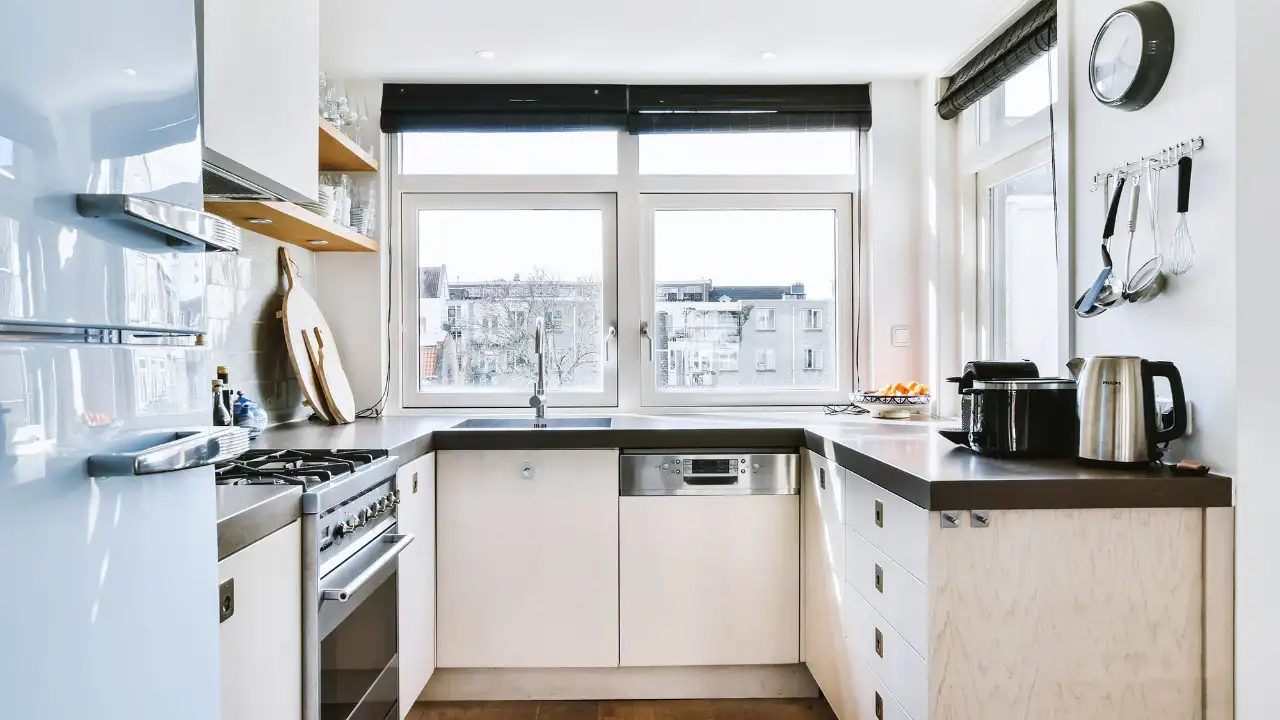
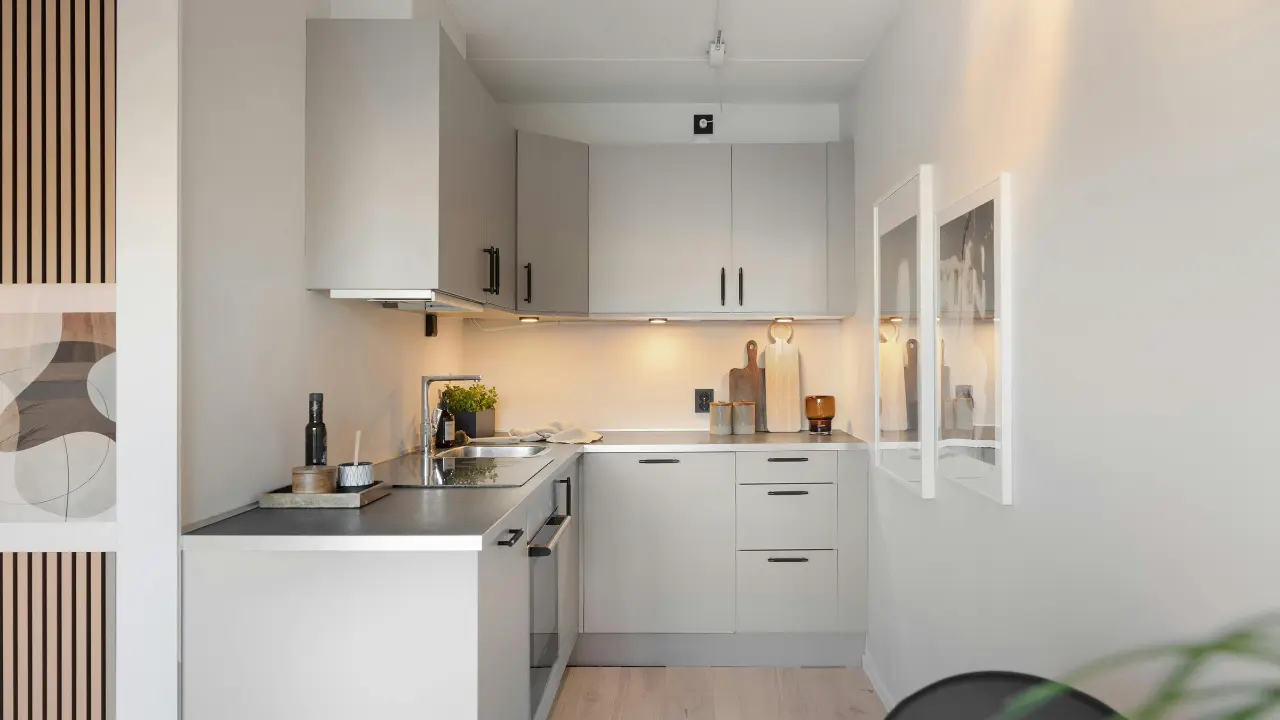
A kitchen can look beautifully modern and still feel cold if it relies too heavily on hard surfaces, cool colors, and bright, flat lighting. Natural wood is one of the easiest ways to bring back a sense of warmth without giving up a clean, contemporary look.
The appeal of warm wood kitchen ideas goes far beyond choosing brown cabinets. Wood can appear on cabinetry, islands, shelving, range hoods, flooring, ceilings, furniture, and small decorative details. When combined with cream, warm white, stone, soft green, brass, and layered lighting, it can create a kitchen that feels comfortable without looking cluttered.
Whether you prefer a modern organic kitchen, Japandi design, Scandinavian simplicity, warm minimalism, farmhouse character, or transitional style, the right wood finish can become the foundation of the room.

Here are practical ways to create a warm wood kitchen that looks inviting while still working for everyday life.
What Makes a Kitchen Feel Warm and Inviting?
A warm kitchen is not necessarily a rustic kitchen. The feeling comes from how materials, colors, lighting, texture, and function work together.
Natural Wood Grain
Visible wood grain adds variation and a natural quality that painted surfaces often cannot replicate. White oak, walnut, maple, ash, cherry, and other woods can all create warmth, but they produce different visual effects.
Light oak tends to feel airy and relaxed, while walnut creates a deeper, richer atmosphere. The finish matters just as much as the species because a heavily colored stain can completely change the appearance of the wood.
Warm Neutral Colors
Warm white, cream, beige, taupe, greige, and soft brown can complement wood beautifully. These shades soften the contrast between cabinetry, walls, countertops, and flooring.
If your kitchen receives limited natural light, a warm neutral palette can also help prevent the room from feeling overly dark.
Layered Lighting
One ceiling fixture rarely creates the most comfortable kitchen atmosphere. A better approach combines general illumination with task and accent lighting.
Pendant lights over an island, under-cabinet lighting, recessed fixtures, and cabinet lighting can each serve a different purpose. Warmer light can make wood surfaces look richer, although the exact appearance will depend on the wood and finish.
Natural Textures
Stone, ceramic, linen, rattan, woven materials, and matte finishes can make a wood kitchen feel more complete.
The goal is not to use every natural material at once. Instead, choose a few complementary textures and repeat them throughout the room.
Balance Between Warmth and Function
A beautiful kitchen still needs to work.
Prioritize:
- Practical storage
- Clear work zones
- Durable countertops
- Easy-to-clean surfaces
- Comfortable circulation
- Adequate task lighting
Warmth should support the kitchen’s function rather than compete with it.
25 Best Warm Wood Kitchen Ideas for 2026
1. Choose Natural Oak Kitchen Cabinets
Natural oak remains one of the most versatile choices for a warm kitchen. White oak can create a lighter, contemporary appearance, while red oak generally has a more pronounced traditional character.
A clear or lightly tinted finish allows the natural grain to remain visible.
For a modern kitchen, pair oak cabinets with simple hardware, warm white walls, stone countertops, and restrained decor.
Best for: Scandinavian, Japandi, modern organic, transitional, and warm minimalist kitchens.
2. Try Warm Walnut Kitchen Cabinets
Walnut brings a deeper brown tone and can give a kitchen a sophisticated, substantial appearance.
Instead of surrounding walnut with several dark finishes, balance it with lighter surfaces such as cream walls, pale stone, or warm white cabinetry.
Walnut can work particularly well when you want a kitchen to feel luxurious without relying on ornate decoration.
Best for: Contemporary, modern organic, transitional, and sophisticated kitchens.
3. Pair Wood Cabinets With Warm White
One of the easiest combinations to get right is natural wood with warm white.
The white provides visual breathing room while the wood prevents the space from feeling stark. This combination works especially well in kitchens where you want a clean appearance without a sterile atmosphere.
Try wood lower cabinets with warm white upper cabinets, or use a wood island as the main natural element in an otherwise light kitchen.
4. Create a Two-Tone Wood and Painted Cabinet Design
Two-tone cabinetry can give the kitchen more visual depth.
Consider:
- Wood lowers with cream uppers
- A wood island with painted perimeter cabinets
- A wood pantry cabinet against a lighter cabinet wall
- Natural wood base cabinets with warm white tall cabinets
The key is to give each finish a clear role rather than making every cabinet different.
5. Add a Warm Wood Kitchen Island
A wood island can become the visual anchor of the kitchen.
You could use natural oak, walnut, or another complementary wood finish for the island while keeping the surrounding cabinets painted.
For a practical and attractive island, consider combining:
- Comfortable seating
- Deep drawers
- Waste and recycling storage
- Pendant lighting
- Durable countertop material
- A finish that can handle daily use
A wood island can also add warmth without requiring the entire kitchen to have wood cabinetry.
If you’re working with a smaller footprint, a compact island can provide the same visual effect without overwhelming the room.
6. Use Wood Open Shelving
Wood shelves can introduce warmth while giving you space to display useful objects.
Try displaying:
- Favorite ceramics
- Everyday dishes
- Cookbooks
- Small plants
- Wooden serving boards
However, open shelving should be used selectively. Too many shelves filled with objects can make a kitchen look busy and increase cleaning.
One or two carefully styled shelves may create more impact than an entire wall of open storage.
7. Add a Wood Range Hood
A wood range hood can turn an otherwise ordinary kitchen into a more distinctive space.
A simple oak hood can soften a modern kitchen, while a darker wood hood can create a stronger focal point.
Because the range hood sits near the cooking area, choose materials and finishes that are appropriate for the environment and follow the manufacturer’s cleaning and care recommendations.
8. Combine Wood With Natural Stone Countertops
Wood and natural stone make a strong material pairing because the organic grain of the wood contrasts with the unique patterns of stone.
Possible combinations include:
- Oak with marble
- Walnut with quartz
- White oak with soapstone
- Light wood with limestone-inspired surfaces
The right choice depends on how much maintenance you are comfortable with.
For example, some natural stones require sealing or more careful cleaning than engineered surfaces. Consider daily cooking habits before choosing purely for appearance.
For more countertop styling inspiration, see Kitchen Countertop Decor Ideas.
9. Use a Warm-Toned Kitchen Backsplash
A backsplash can either reinforce or balance the warmth of your cabinets.
Good options include:
- Cream tile
- Warm white subway tile
- Beige stone
- Handmade-look tile
- Terracotta-inspired tile
- Warm neutral slab surfaces
If the cabinets already have strong grain and color, a quieter backsplash may be the better choice.
For more ideas, explore Kitchen Backsplash Ideas.
10. Add Wood Ceiling Details
Wood does not have to stop at the cabinets.
Depending on the architecture of your home, you could add:
- Wood beams
- Wood slats
- A partial wood ceiling
- A small wood ceiling accent
These details can create a cozy atmosphere, especially in larger kitchens with high ceilings.
In a small kitchen, however, extensive ceiling wood can make the room feel visually heavier. A smaller accent may provide the warmth without reducing the sense of openness.
11. Choose Warm Wood Flooring
Warm wood flooring can connect the kitchen with the surrounding rooms and create a more continuous visual flow.
Options include:
- Hardwood
- Engineered wood
- Wood-look flooring
- Other durable flooring products with wood-inspired finishes
You do not necessarily need your floor and cabinets to match exactly. A subtle difference in tone can make the kitchen feel more layered.
Pay attention to undertones so that the flooring does not clash with the cabinetry.
12. Mix Wood With Soft Sage Green
Sage green and natural wood make a naturally calming combination.
You can introduce sage through:
- Lower cabinets
- A kitchen island
- Walls
- Tile
- Window treatments
- Small accessories
For a softer look, combine light oak with muted sage. For more contrast, use medium or darker wood with a deeper green.
This combination works particularly well in modern organic and transitional kitchens.
13. Create a Japandi Warm Wood Kitchen
Japandi design is a natural match for warm wood because both Japanese-inspired and Scandinavian interiors often emphasize simplicity and natural materials.
A Japandi kitchen might include:
- Light oak cabinets
- Simple hardware
- Warm neutral walls
- Natural stone
- Minimal countertop decor
- Soft lighting
- Hidden storage
The secret is restraint. You do not need many decorative objects to make the room feel welcoming.
14. Design a Warm Minimalist Wood Kitchen
Warm minimalism combines clean lines with materials that prevent the room from feeling empty.
Consider:
- Flat-panel wood cabinets
- Minimal hardware
- Integrated appliances
- Hidden storage
- Warm lighting
- Simple countertops
- A limited material palette
The goal is not to remove personality. Instead, it is to make every visible element intentional.
If you like this approach, Warm Minimalist Kitchen Cabinet Ideas can provide additional inspiration.
15. Try a Modern Organic Wood Kitchen
A modern organic kitchen combines contemporary architecture with natural materials.
Think:
- Natural oak
- Stone countertops
- Soft neutral colors
- Curved details
- Organic textures
- Indoor plants
- Simple lighting
This style is useful if you want something warmer than a strict minimalist kitchen but cleaner than a traditional rustic kitchen.
16. Add Brass or Aged-Metal Hardware
Hardware can dramatically change the personality of wood cabinets.
Consider:
- Brushed brass for a polished warm look
- Aged brass for more character
- Bronze for a grounded appearance
- Matte black for stronger contrast
You do not need every metal finish in the kitchen. Choose one dominant hardware finish and repeat it in a few places for visual consistency.
17. Combine Wood With Cream Cabinets
Cream cabinetry can soften the appearance of natural wood without creating the sharp contrast that bright white sometimes produces.
This combination is particularly useful for:
- Small kitchens
- Transitional homes
- Traditional-modern kitchens
- Warm minimalist spaces
Try cream perimeter cabinets with a natural wood island for a balanced focal point.
18. Add a Wood Breakfast Nook
A breakfast nook can make a kitchen feel more like a comfortable living space.
Ideas include:
- A built-in bench
- Round wood table
- Window seating
- Upholstered cushions
- A small pendant light
- Simple artwork
A round table can be especially useful where circulation space is limited because it eliminates sharp corners.
19. Create a Warm Wood Coffee Station
A coffee station is an easy opportunity to introduce wood without redesigning the whole kitchen.
A simple setup could include:
- Wood shelving
- Coffee machine
- Mug storage
- Small drawers
- Coffee bean containers
- Under-shelf lighting
For a more permanent solution, consider an integrated coffee bar within your cabinetry.
You can also explore Aesthetic Built-In Coffee Bar Ideas for additional planning and styling inspiration.
20. Use Wood Accents Instead of Full Wood Cabinetry
You do not need an entirely wood kitchen to achieve a warm look.
Try adding wood through:
- Shelves
- An island
- Bar stools
- Cutting boards
- Cabinet inserts
- Range hood details
- Decorative beams
This is particularly useful if your existing kitchen already has painted cabinets that you like.
21. Add Glass-Front Cabinets With Wood Frames
Glass-front cabinets can break up a long wall of solid cabinetry.
Wood frames add warmth while the glass creates a lighter visual effect.
Use them for items worth displaying, such as:
- Glassware
- Ceramics
- Everyday dishes
- Cookbooks
Avoid turning them into storage for random clutter. Glass-front cabinets work best when their contents are intentionally arranged.
22. Use Warm Wood With Black Accents
Black can provide useful contrast against warm wood.
Consider black for:
- Cabinet hardware
- Pendant lights
- Faucets
- Window frames
- Small appliances
- Furniture
The key is proportion. A few black elements can sharpen the design, while excessive black can overpower lighter wood.
23. Mix Different Wood Tones Carefully
Mixing wood tones can make a kitchen feel collected rather than overly coordinated, but the combinations should still have a visual relationship.
Pay attention to:
- Undertones
- Grain direction
- Finish
- Warmth
- Lightness or darkness
Instead of trying to make every wood surface identical, repeat a wood tone in at least two meaningful places.
For example, a natural oak cabinet finish could be echoed through shelving or stools.
There is no universal rule that says a kitchen must contain a specific number of wood tones. The right amount depends on the room’s size, architecture, and overall palette.
24. Add Warm Textiles and Natural Decor
Small details can make a major difference when the larger renovation is already complete.
Consider:
- A washable kitchen runner
- Linen curtains
- Woven baskets
- Ceramic pieces
- Indoor plants
- Wooden stools
- Natural-fiber accessories
Use these details sparingly. The goal is to make the room feel lived-in, not crowded.
25. Make One Wood Feature the Hero
If you are unsure how much wood to use, choose one dominant feature.
That could be:
- A large island
- Range hood
- Cabinet wall
- Ceiling detail
- Pantry
- Dining table
Once you have a hero feature, keep surrounding materials relatively calm.
This approach creates a stronger focal point and makes it easier to control the overall design.
Warm Wood Kitchen Cabinet Ideas
Cabinetry usually has the greatest influence on the appearance of a wood kitchen, so choosing the right material and finish deserves careful consideration.
Best Wood Types for a Warm Kitchen
White Oak
White oak has a relatively light appearance and visible grain. It works especially well in contemporary, Scandinavian, Japandi, and organic interiors.
Walnut
Walnut provides deeper color and a more luxurious appearance. It can work beautifully in modern and transitional kitchens when balanced with lighter surfaces.
Maple
Maple can offer a relatively clean and versatile appearance and can work with both contemporary and traditional designs.
Cherry
Cherry has a naturally warm appearance that can become richer over time. It can suit traditional and transitional kitchens particularly well.
Ash
Ash can provide visible grain with a lighter overall look, making it useful when you want warmth without a heavy appearance.
Hickory
Hickory can have stronger grain variation and a more rustic character. It is useful when you want the wood itself to be a prominent visual feature.
Light vs. Medium vs. Dark Wood
Light Wood
Light wood can make a kitchen feel:
- Airy
- Relaxed
- Contemporary
- Scandinavian-inspired
It is often a good choice for smaller or darker kitchens.
Medium Wood
Medium wood offers a balance between brightness and richness. It can work across many styles and is relatively easy to combine with warm neutrals.
Dark Wood
Dark wood creates a more dramatic and sophisticated atmosphere.
It can look excellent in larger or well-lit kitchens, but too much dark wood can make a poorly lit room feel smaller.
Natural vs. Stained Wood Cabinets
A natural or clear finish lets the underlying character of the wood remain visible.
A stain can alter:
- Color
- Warmth
- Contrast
- Grain appearance
Before committing to a cabinet finish, test samples under both daylight and your planned artificial lighting.
Shaker vs. Flat-Panel Wood Cabinets
Shaker cabinets introduce subtle traditional detailing and can work well in transitional or farmhouse-inspired spaces.
Flat-panel cabinets create a cleaner, more contemporary appearance and are particularly effective in minimalist and modern kitchens.
Neither is automatically better. The choice should fit the architecture and overall style of your home.
Warm Wood Kitchen Color Ideas
Wood works with a surprisingly wide range of colors, but the undertone of the wood should guide your choices.
Warm White and Wood
Warm white keeps the room bright while avoiding an overly stark contrast.
Cream and Natural Oak
Cream and oak create a soft, relaxed palette that works well in cozy and transitional kitchens.
Beige and Walnut
Beige can soften the visual weight of walnut and create a sophisticated neutral backdrop.
Sage Green and Wood
Sage adds gentle color while maintaining the natural feeling of the room.
Taupe and Wood
Taupe works especially well when you want something more sophisticated than beige but softer than gray.
Terracotta and Wood
Terracotta introduces earthy warmth and can work beautifully with natural oak, walnut, and other warm finishes.
Use it as an accent if you do not want the entire room to feel heavily colored.
Soft Blue and Warm Wood
Muted blue can provide a cool counterpoint to warm wood. Choose softened or gray-influenced blues if you want a relaxed rather than high-contrast look.
Charcoal or Black and Wood
Dark colors can create a sophisticated kitchen, but natural light becomes particularly important.
Before selecting a dark wall, cabinet, or backsplash color, test samples in the actual kitchen throughout the day.
Warm Wood Kitchen Ideas for Small Spaces
Small kitchens can benefit from wood, but the proportions need to be carefully controlled.
Use Light Wood Finishes
Light oak and similar finishes can provide warmth without making the room feel visually dense.
Combine Wood With Light Walls
Warm white, cream, or pale neutral walls can help balance wood cabinetry.
Use Vertical Storage
Tall cabinets and vertical shelving can increase storage without consuming additional floor space.
Add a Compact Wood Island
If the layout permits, a narrow wood island or peninsula can add warmth and useful work space.
Do not force an island into a kitchen where it blocks the primary circulation path.
Use Open Shelving Selectively
One small wood shelf can create a focal point without adding the visual weight of another cabinet wall.
Add Under-Cabinet Lighting
Under-cabinet lighting can make work surfaces easier to use while highlighting the grain and texture of the cabinetry.
Keep Countertops Visually Clear
In a small kitchen, excessive countertop decor can quickly make the room feel cramped.
Keep only the items you regularly use or genuinely enjoy seeing.
For more space-saving inspiration, see Small Kitchen Ideas.
Modern Warm Wood Kitchen Ideas
A warm wood kitchen can be highly modern without looking rustic.
Flat-Panel Wood Cabinets
Flat doors emphasize the natural material while maintaining clean architecture.
Minimal Hardware
Small pulls, integrated handles, or carefully selected knobs can keep the cabinetry visually simple.
Warm White Walls
Warm white creates contrast without producing the starkness that can sometimes occur with cooler whites.
Natural Stone
Stone introduces variation and texture while balancing the warmth of the wood.
Integrated Appliances
Panel-ready or integrated appliances can create a more continuous cabinetry wall where appropriate.
Layered Lighting
Use ambient, task, and accent lighting instead of relying on a single ceiling fixture.
Minimal Countertop Styling
A few useful objects usually look better than covering every available surface.
For broader inspiration, explore Modern Kitchen Ideas and Modern Kitchen Design Ideas.
Warm Wood Kitchen Ideas for Different Design Styles
Japandi
Use light wood, simple cabinetry, natural stone, warm neutrals, and minimal decoration.
The emphasis should be on calmness and intentional simplicity.
Scandinavian
Choose lighter wood, warm whites, simple furniture, practical storage, and plenty of natural light.
Warm Minimalist
Focus on clean cabinetry, hidden storage, limited materials, and warm lighting.
Modern Organic
Combine wood with stone, curved shapes, neutral colors, plants, and tactile materials.
Transitional
Mix traditional cabinet details with modern lighting, contemporary hardware, and natural wood.
Modern Farmhouse
Wood can be combined with painted cabinetry, simple lighting, practical furniture, and restrained rustic details.
Avoid turning every surface into a distressed or reclaimed finish unless that is genuinely the look you want.
Cottage
Natural wood can work with cream cabinets, handmade-looking tile, open shelving, vintage-inspired hardware, and soft textiles.
Contemporary
Use larger wood surfaces, flat-panel cabinetry, streamlined appliances, stone, and carefully controlled contrast.
Warm Wood Kitchen Lighting Ideas
Lighting can change how warm wood looks throughout the day.
Pendant Lighting
Pendant lights over an island or dining area provide both function and a visual focal point.
Under-Cabinet Lighting
This is useful for illuminating work surfaces and adding a soft layer of light after dark.
Recessed Lighting
Recessed fixtures can provide general illumination when appropriately positioned.
Cabinet Interior Lighting
Glass-front cabinets can benefit from subtle interior lighting that highlights displayed items.
Dining or Breakfast-Nook Lighting
A pendant or decorative fixture above a dining table can visually connect the kitchen to the eating area.
The most comfortable kitchens usually use layered lighting rather than simply increasing the number of fixtures.
For a broader lighting guide, see Kitchen Lighting Ideas.
Warm Wood Kitchen Countertop Ideas
The countertop should complement the wood rather than compete with it.
| Countertop | Look | Maintenance | Best For |
|---|---|---|---|
| Quartz | Clean and versatile | Generally lower | Busy kitchens |
| Marble | Luxurious and distinctive | Higher | Statement kitchens |
| Soapstone | Soft and natural | Moderate | Organic designs |
| Butcher block | Warm and casual | Higher | Cozy or rustic kitchens |
| Natural stone | Organic and unique | Varies | Custom designs |
Maintenance varies by the exact material, finish, installation, and care products recommended by the manufacturer.
If your kitchen is heavily used, consider maintenance requirements alongside appearance.
Warm Wood Kitchen Backsplash Ideas
A backsplash is an opportunity to connect cabinetry with countertops and walls.
Popular directions include:
- Cream subway tile
- Handmade-look tile
- Natural stone
- Beige tile
- Zellige-style tile
- Warm neutral slab backsplash
- Terracotta-inspired tile
If your wood has dramatic grain, consider a quieter backsplash.
If the cabinetry is visually simple, a more textured backsplash can become an attractive focal point.
For more inspiration, see Kitchen Backsplash Ideas.
Warm Wood Kitchen Decor Ideas
Decor should add personality without interfering with the kitchen’s function.
Ceramic Dishes
Handmade-looking ceramics can reinforce the natural character of wood.
Indoor Plants
Plants add color and organic texture, but choose varieties suited to the kitchen’s light and humidity.
Wooden Cutting Boards
Cutting boards can function as both useful kitchen tools and simple decorative elements when stored neatly.
Woven Baskets
Use baskets for practical storage rather than filling them with unnecessary decorative items.
Kitchen Artwork
A small artwork collection can personalize the kitchen without taking up valuable work space.
Linen Textiles
Linen curtains, towels, and other textiles can soften hard surfaces.
Decorative Lighting
A distinctive pendant or wall light can provide personality while serving a functional purpose.
Warm Wood Kitchen Storage Ideas
Warmth should never come at the expense of organization.
Useful storage solutions include:
- Deep drawers
- Pull-out pantry cabinets
- Appliance garages
- Tall cabinets
- Hidden storage
- Built-in organizers
- Glass-front cabinets
- Selective open shelving
Deep drawers are particularly useful for cookware and everyday kitchen items, while tall cabinets can make better use of vertical space.
For more ideas, explore Kitchen Storage Solutions, Kitchen Pantry Organization Ideas, and Hidden Pantry Cabinet Design Ideas.
Warm Wood Kitchen Ideas on a Budget
You do not need a complete renovation to introduce warmth.
Under $100
Possible updates include:
- New cabinet hardware
- Wooden cutting boards
- Small ceramic accessories
- Kitchen textiles
- Small plants
$100–$500
Consider:
- New lighting
- Simple wood shelving
- A kitchen runner
- Small furniture changes
- Warm wall paint
$500–$2,000
Depending on the kitchen and local costs, this range could support:
- Partial cabinet updates
- Improved lighting
- A small island upgrade
- Selected countertop changes
- More substantial shelving or storage improvements
$2,000–$10,000+
Larger projects might include:
- Cabinet refinishing
- New flooring
- Countertop replacement
- More extensive lighting work
- Partial kitchen remodeling
Actual costs vary significantly by location, labor, materials, kitchen size, permits, existing conditions, and project scope.
If you are planning a complete renovation, compare several quotes and confirm exactly what each quote includes.
How to Make a Kitchen Feel Warmer Without Replacing the Cabinets
A complete cabinet replacement is not always necessary.
Change Cabinet Hardware
Warm brass, aged metal, bronze, or even contrasting black hardware can change the character of existing cabinets.
Add Warm Lighting
Replacing harsh or poorly positioned lighting can have a surprisingly noticeable effect.
Introduce Wood Accessories
Use cutting boards, trays, stools, shelves, or other functional wood elements.
Add a Runner
A washable runner can introduce color and texture while making standing areas more comfortable.
Add Plants
Greenery adds life without requiring a structural renovation.
Use Warm Countertop Decor
Choose a small number of useful objects in wood, ceramic, or natural materials.
Add Artwork
Artwork can make an otherwise purely functional kitchen feel more personal.
Declutter the Countertops
Sometimes the kitchen does not need more decor. It needs less visual noise.
Remove items that are rarely used and create dedicated homes for frequently used appliances.
Warm Wood Kitchen Design Mistakes to Avoid
1. Using Too Many Wood Tones
Multiple wood finishes can work, but they need a visual relationship.
2. Choosing Wood Without Considering Undertones
A yellow, red, neutral, or brown undertone can affect how the wood interacts with flooring, walls, countertops, and furniture.
3. Making Everything Brown
A kitchen full of brown cabinetry, brown flooring, brown walls, and brown accessories can feel heavy.
Balance wood with lighter colors and contrasting textures.
4. Using Only One Light Source
A single ceiling fixture rarely provides the most flexible kitchen lighting.
5. Overdecorating Open Shelves
Open shelves are attractive until every inch is filled with objects.
Leave some empty space.
6. Ignoring Maintenance
Different woods, finishes, countertops, and flooring products have different care requirements.
Choose materials based on how you actually use the kitchen.
7. Sacrificing Kitchen Workflow for Appearance
A beautiful island is not useful if it blocks circulation or makes the work triangle—or your preferred work zones—awkward.
8. Choosing Dark Wood in a Poorly Lit Space
Dark finishes can absorb visual light and make a small room feel heavier.
Test samples before making a final decision.
9. Matching Every Material Too Precisely
A kitchen can look more natural when materials complement rather than perfectly match each other.
10. Following Trends Without Considering the Home
A trendy kitchen can still feel wrong if it conflicts with the home’s architecture or your daily habits.
Choose a design you can comfortably live with.
How to Choose the Right Wood for Your Kitchen
Before choosing cabinets or other wood features, consider the whole room.
1. Natural Light
Observe how much daylight the kitchen receives throughout the day.
2. Kitchen Size
Lighter wood may be easier to balance in a small kitchen, while larger rooms can accommodate richer finishes.
3. Existing Flooring
Compare the undertones of your existing floor with the proposed cabinetry.
4. Countertop Color
Take actual material samples into the kitchen whenever possible.
5. Backsplash
The backsplash should complement the wood grain rather than create unnecessary competition.
6. Wall Color
Warm neutrals often pair easily with wood, but the best choice depends on the specific wood finish and lighting.
7. Hardware
Hardware is a small detail with a significant visual effect.
8. Maintenance
Consider how much cleaning and maintenance you are willing to perform.
9. Budget
Set a realistic budget before becoming attached to a specific material.
10. Overall Design Style
The same wood species can look completely different depending on the cabinet profile, finish, hardware, lighting, and surrounding materials.
Where to Spend More and Where to Save
A useful kitchen budget prioritizes the elements you interact with every day.
Spend More On
- Cabinet construction
- Quality hardware
- Durable countertops
- Good lighting
- Professional electrical work
- High-use plumbing fixtures
- Storage systems
Save On
- Decorative accessories
- Replaceable hardware
- Small styling pieces
- Trend-driven accents
- Nonessential decor
Spend more where replacement would be difficult or expensive. Save on items that are easy to change later.
DIY vs. Professional Warm Wood Kitchen Updates
Some warm wood updates are straightforward DIY projects, while others require qualified professionals.
Good DIY Projects
Depending on your skills and the product instructions, these can include:
- Replacing cabinet hardware
- Painting walls
- Styling shelves
- Adding decor
- Installing some simple shelving
- Adding textiles and runners
Hire a Professional For
Consider qualified professionals for:
- Electrical work
- Plumbing
- Gas connections
- Structural changes
- Major cabinet installation
- Countertop fabrication
- Major layout changes
Do not take on electrical, gas, structural, or other specialized work simply to reduce the project budget.
How to Plan a Warm Wood Kitchen Makeover
Step 1: Define Your Kitchen Style
Decide whether you want modern organic, Japandi, Scandinavian, warm minimalist, transitional, farmhouse, cottage, or another direction.
Step 2: Choose Your Main Wood Tone
Select light, medium, or dark wood based on the room’s size, natural light, and existing finishes.
Step 3: Select Cabinet Colors
Decide whether wood will cover all cabinetry or serve as an accent.
Step 4: Choose Countertops
Compare color, durability, maintenance, and cost—not just appearance.
Step 5: Plan the Backsplash
Choose a surface that connects the cabinetry and countertop.
Step 6: Design the Lighting
Plan ambient, task, and accent lighting together.
Step 7: Plan Storage
Identify where cookware, appliances, food, cleaning products, and everyday items will live.
Step 8: Add Decor and Personal Details
Introduce ceramics, plants, textiles, artwork, or other details that make the room feel like yours.
Step 9: Review the Whole Palette Before Buying
Put samples of wood, paint, countertop, backsplash, flooring, and hardware together.
Check them in daylight and artificial light.
Step 10: Prioritize Function Over Trends
If a beautiful design makes cooking, cleaning, or storage harder, rethink the design.
Warm Wood Kitchen Design Checklist
Before finalizing your design, ask:
- Have I chosen a dominant wood tone?
- Have I checked the wood’s undertones?
- Does the wood work with the existing floor?
- Have I balanced the wood with a lighter or contrasting material?
- Have I selected a practical countertop?
- Is the backsplash compatible with the wood grain?
- Have I planned layered lighting?
- Is there enough task lighting?
- Is storage practical?
- Am I using too many different wood finishes?
- Is the kitchen easy to clean?
- Does the layout support comfortable movement?
- Have I left enough visual breathing room?
- Does the design fit my home’s architecture?
- Does the budget match the actual scope of work?
Frequently Asked Questions About Warm Wood Kitchen Ideas
What wood color makes a kitchen feel warm?
Light to medium natural wood finishes often create a warm and approachable appearance, while darker woods can create a richer and more dramatic mood. The surrounding colors and lighting also have a major effect.
Are warm wood kitchens still modern?
Yes. Warm wood can look highly modern when paired with flat-panel cabinets, simple hardware, integrated appliances, natural stone, clean lines, and layered lighting.
What colors go best with warm wood kitchen cabinets?
Warm white, cream, beige, taupe, sage green, muted blue, terracotta, and selected dark accents can all work with warm wood. The best choice depends on the wood’s undertone and the amount of natural light.
Is oak or walnut better for a warm kitchen?
Neither is universally better. Oak usually creates a lighter and more casual appearance, while walnut tends to feel richer and more dramatic. Choose based on the kitchen’s size, lighting, style, and budget.
How do you make a wood kitchen look less dated?
Use a current cabinet profile, restrained hardware, balanced colors, contemporary lighting, and a limited material palette. Avoid combining too many heavy traditional details simply because the cabinets are wood.
How can I add warm wood to a kitchen without replacing cabinets?
Try wood shelving, a small island, stools, cutting boards, range hood details, furniture, or decorative accents. Warm lighting and natural textiles can reinforce the effect.
What countertop looks best with warm wood cabinets?
There is no single best option. Quartz, natural stone, marble, soapstone, and butcher block can all work depending on the desired appearance and maintenance requirements.
What backsplash works with natural wood cabinets?
Warm white, cream, beige, handmade-look tile, natural stone, and other warm neutral surfaces are versatile choices. A simple backsplash can be especially effective when the wood grain is visually strong.
Are warm wood kitchens good for small kitchens?
Yes. Light wood, warm white walls, vertical storage, selective open shelving, under-cabinet lighting, and uncluttered countertops can help a small kitchen feel comfortable without visually overwhelming it.
How do you mix different wood tones in a kitchen?
Look at undertones, grain, finish, and overall contrast. Repeat important wood tones in more than one place when possible, and avoid introducing multiple unrelated finishes without a clear reason.
Final Thoughts
The best warm wood kitchen ideas are not about covering every surface in wood. They are about creating a thoughtful relationship between natural materials, color, lighting, storage, and everyday function.
Natural oak can make a kitchen feel light and relaxed. Walnut can create depth and sophistication. Wood shelving, islands, range hoods, flooring, and accessories can introduce warmth without requiring a completely wood-clad room.
The most successful design is the one that fits your kitchen rather than simply copying a photograph. Consider your natural light, room size, architecture, maintenance preferences, budget, storage needs, and personal style before choosing materials.
A warm wood kitchen can be minimalist, modern, traditional, Japandi, Scandinavian, farmhouse, or organic. What makes it inviting is the balance: warm materials, comfortable lighting, practical function, controlled contrast, and details that make the space feel genuinely lived in.