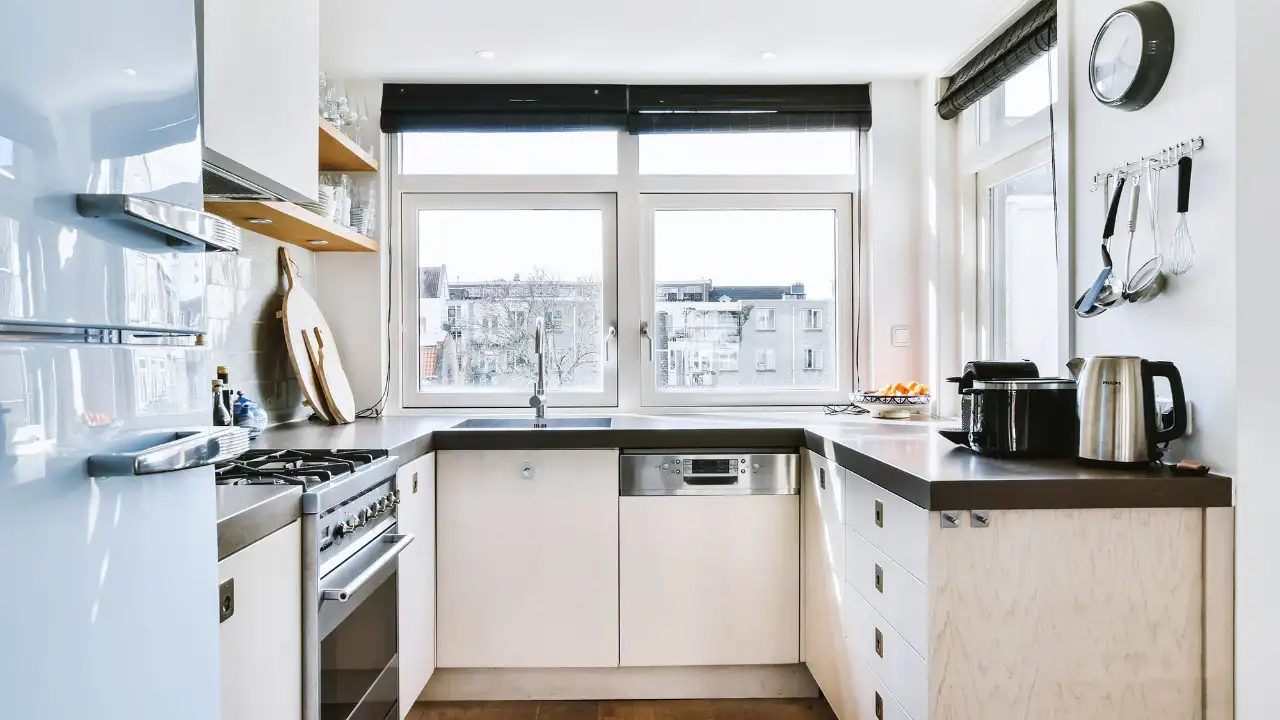
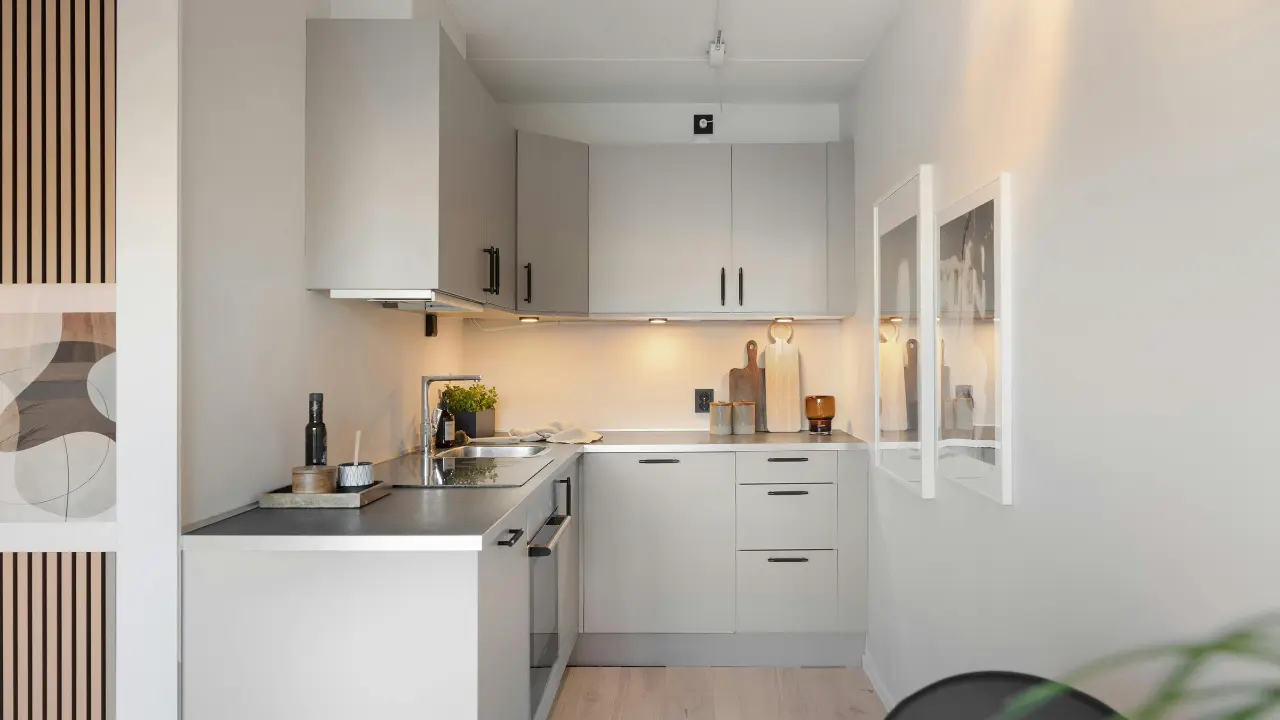
A modern kitchen can look beautifully polished and still feel a little cold. Sleek cabinets, hard surfaces, stainless steel, and minimal decoration create a clean appearance, but without warmth and texture, the room can sometimes feel more like a showroom than a comfortable part of the home.
That is where organic modern kitchen ideas can make a difference.
Organic modern design combines clean contemporary forms with natural materials, warm colors, tactile textures, and restrained decoration. Think natural wood cabinetry, warm white walls, stone countertops, earthy greens, handmade-look tile, soft lighting, ceramics, linen, and carefully selected greenery.
The goal is not to make the kitchen rustic or fill it with decorative objects. Instead, the style creates a thoughtful balance between modern simplicity and natural warmth.
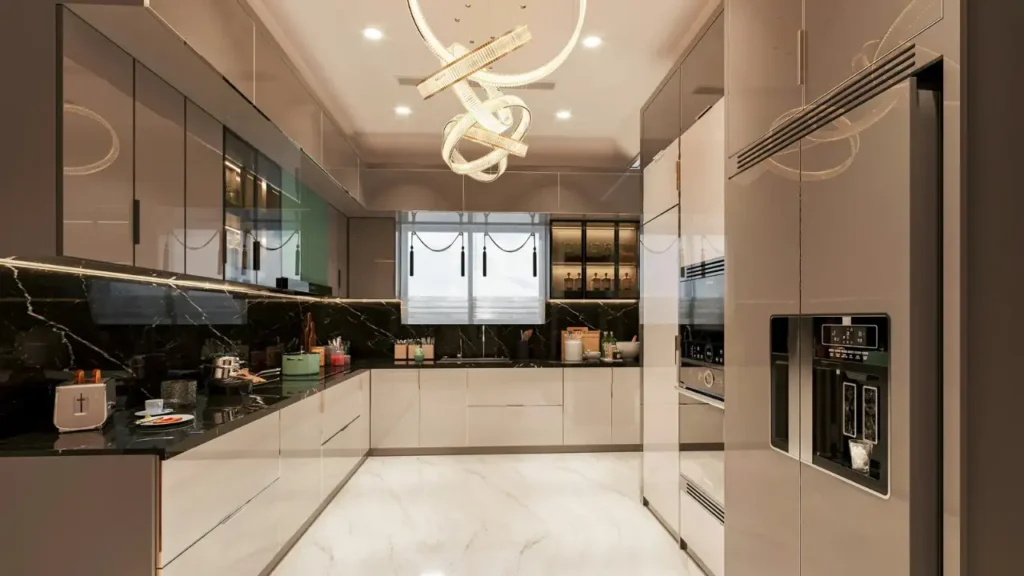
Whether you are planning a complete remodel or simply want to make an existing kitchen feel more inviting, these organic modern kitchen ideas can help you choose cabinets, colors, countertops, backsplashes, lighting, islands, flooring, storage, and decor that work together.
What Is an Organic Modern Kitchen?
An organic modern kitchen combines contemporary simplicity with natural materials and earthy visual elements.
The modern side comes from features such as:
- Clean cabinet lines
- Simple hardware
- Streamlined appliances
- Minimal visual clutter
- Functional layouts
- Contemporary lighting
- Simple architectural forms
The organic side comes from:
- Natural wood
- Stone
- Ceramic
- Warm neutral colors
- Earthy greens
- Linen and woven textures
- Natural variations in materials
- Indoor plants
- Handmade-looking surfaces
The result is a kitchen that feels modern without becoming overly sterile and natural without looking rustic.
Organic Modern vs. Traditional Modern
| Traditional Modern | Organic Modern |
|---|---|
| Sleek surfaces | Sleek surfaces with natural textures |
| Cooler neutrals are common | Warm whites, beige, taupe and earthy colors |
| Metal and glass | Wood, stone, ceramic and metal |
| Minimal decoration | Restrained natural decoration |
| Strong visual contrast | Softer transitions between materials |
| Highly polished appearance | Tactile, relaxed appearance |
| Clean architectural forms | Clean forms softened by organic materials |
There is no requirement to follow every characteristic. A kitchen can borrow elements from several design styles while still creating an organic modern feeling.
Key Characteristics of Organic Modern Kitchens
The most recognizable characteristics include:
- Natural wood
- Warm whites
- Beige and taupe
- Earthy greens
- Natural stone
- Simple cabinetry
- Clean lines
- Organic textures
- Minimal decoration
- Soft, layered lighting
- Functional storage
- Indoor greenery
- Intentional repetition of materials
The most successful designs usually use a limited material palette rather than trying to include every natural material available.
25 Organic Modern Kitchen Ideas for 2026
1. Combine Natural Wood With Warm White Cabinets
One of the easiest ways to create an organic modern kitchen is to pair warm white cabinetry with natural wood.
For example, use warm-white perimeter cabinets with a natural oak island. Add matching wood stools, a few wood shelves, and warm flooring to connect the materials visually.
This combination works because the white cabinetry provides a clean modern foundation while the wood introduces grain, color variation, and warmth.
If an all-white kitchen feels too sterile, you may not need to replace everything. Introducing wood through an island, shelving, stools, flooring, or accessories can create a noticeably warmer atmosphere.
2. Choose Natural Wood Kitchen Cabinets
Natural wood cabinets can become the defining feature of an organic modern kitchen.
Popular choices include:
- White oak
- Rift-sawn oak
- Walnut
- Ash
- Maple
White oak creates a lighter, relaxed appearance, while walnut produces a deeper and richer visual effect. Ash can provide subtle grain and a pale appearance, while maple offers a relatively uniform look.
When choosing wood cabinetry, consider more than the sample itself. Look at the finish, natural lighting, flooring, countertop, and surrounding furniture.
A wood sample that looks perfect in a showroom may appear significantly different under warm artificial lighting or strong daylight.
3. Create a Warm Neutral Kitchen
Warm neutral colors provide an excellent foundation for organic modern kitchen design.
Consider:
- Cream
- Beige
- Taupe
- Greige
- Warm white
- Sand
- Mushroom
These colors create a calm background that allows wood, stone, ceramics, and greenery to become visual accents.
Instead of choosing several nearly identical beige shades, create contrast through differences in texture. A warm painted cabinet can look much more interesting beside oak, stone, ceramic tile, and woven materials.
4. Add a Natural Stone Kitchen Island
A natural stone island can serve as the visual centerpiece of the kitchen.
Potential materials include:
- Marble
- Quartzite
- Granite
- Soapstone
- Other natural stone slabs
Natural stone has inherent variation, so no two slabs necessarily look exactly alike. Veining, color shifts, and mineral patterns can provide the organic character that balances simple modern cabinetry.
However, natural stone properties differ significantly by material and finish. Before purchasing, review care requirements, sealing recommendations, stain resistance, heat considerations, and the fabricator’s installation guidance.
5. Use a Waterfall Island With Organic Materials
A waterfall island provides a contemporary architectural shape while natural materials prevent it from looking too severe.
A simple combination could include:
Modern foundation:
Slab-front cabinets + simple hardware + waterfall edge
Organic elements:
Oak + natural stone + warm neutral colors + ceramic accessories
The waterfall profile can make the island look sculptural, while the natural material introduces variation and warmth.
This approach is particularly effective when the rest of the kitchen is relatively restrained.
6. Try a Soft Earth-Tone Color Palette
Earth tones are a natural fit for organic modern kitchens.
Consider incorporating:
- Clay
- Sand
- Beige
- Terracotta
- Olive
- Taupe
- Warm gray
You do not need to paint the entire kitchen terracotta or olive. Small amounts can be introduced through a backsplash, artwork, textiles, stools, ceramics, or lower cabinets.
A neutral kitchen with one earthy accent color often feels more balanced than a room filled with multiple competing colors.
7. Add Sage or Olive Green Cabinets
Green cabinetry can connect the kitchen visually with natural materials and plants.
Popular options include:
- Sage green
- Olive green
- Muted eucalyptus
- Moss-inspired tones
For a subtle effect, use green on the island or lower cabinets while keeping upper cabinets warm white or natural wood.
For a stronger statement, use a muted green throughout the cabinetry and balance it with warm wood, stone, and simple hardware.
The key is to choose a green that works with the room’s natural light rather than relying solely on a digital color image.
8. Use Slab-Front Cabinets for a Minimalist Foundation
Flat-panel or slab-front cabinets provide a clean contemporary foundation.
Possible hardware approaches include:
- Handleless doors
- Integrated pulls
- Simple bar pulls
- Small knobs
The simpler the cabinet profile, the more attention naturally shifts toward the materials.
This makes slab-front cabinetry particularly useful when you want wood grain, stone, tile, or lighting to become the main visual features.
9. Mix Wood Tones Carefully
Multiple wood tones can work, but they need a visual hierarchy.
A practical approach is to select one dominant wood tone and use secondary wood tones sparingly.
For example:
- Dominant: natural white oak cabinets
- Secondary: walnut stools
- Accent: darker wood cutting boards
Avoid introducing a different wood color on every surface.
Consider the relationship between:
- Cabinetry
- Island
- Flooring
- Shelving
- Dining furniture
- Bar stools
- Decorative wood accessories
The goal is coordination rather than perfect matching.
10. Choose a Natural Stone or Stone-Look Backsplash
A natural stone or stone-look backsplash can add substantial visual character without requiring decorative patterns.
Options include:
- Marble
- Quartzite
- Limestone-inspired tile
- Travertine-inspired surfaces
- Porcelain
- Stone-look slabs
A large-format or continuous backsplash can reduce visual interruptions and create a calm architectural appearance.
When choosing a backsplash, consider how its pattern interacts with the countertop. If the countertop has dramatic veining, a quieter backsplash may create better balance.
11. Try Handmade-Look or Textured Tile
A perfectly uniform kitchen can sometimes feel overly manufactured.
Handmade-look ceramic tile, zellige-style tile, and subtly textured neutral tiles can introduce small variations that make the room feel more tactile.
These tiles work especially well with:
- Warm white cabinets
- Natural oak
- Brass hardware
- Stone countertops
- Soft beige walls
The objective is subtle imperfection, not visual chaos.
12. Use Full-Height Backsplash Material
Extending backsplash material upward can create a strong architectural effect.
Depending on the kitchen, the material can continue from the countertop toward the upper cabinets or even toward the ceiling.
Potential advantages include:
- Strong visual continuity
- Fewer visual breaks
- Greater architectural impact
- A more finished appearance
Full-height applications can also increase material and installation costs. Consider cleaning requirements, wall conditions, electrical outlets, appliance clearances, and installation details before committing.
13. Add Warm Brass or Bronze Hardware
Warm metals can soften contemporary cabinetry.
Consider:
- Aged brass
- Brushed brass
- Bronze
- Warm bronze-toned finishes
Brass hardware works particularly well with oak, walnut, cream, beige, and green cabinetry.
You do not need brass everywhere. Repeating the finish across a few important elements can create cohesion.
14. Use Matte Black for Controlled Contrast
Matte black can provide definition in an otherwise soft palette.
Use it selectively on:
- Faucets
- Cabinet pulls
- Pendant lights
- Window frames
- Shelving brackets
The key is repetition without overuse.
If every fixture is black, the contrast can become one of the dominant visual features. A few carefully repeated black elements usually provide enough definition.
15. Install Organic Modern Pendant Lighting
Pendant lighting is both functional and decorative.
Organic modern options include:
- Linen pendants
- Ceramic pendants
- Paper-inspired fixtures
- Wood-accented lighting
- Warm metal pendants
- Simple sculptural fixtures
Choose fixtures according to the scale of the island and ceiling height.
A large island may need multiple pendants, while a compact kitchen may benefit from a single appropriately scaled fixture.
Lighting should look attractive but still provide useful illumination for everyday activities.
16. Add Layered Kitchen Lighting
A well-designed organic modern kitchen needs more than one source of light.
Ambient Lighting
Ambient lighting provides general illumination throughout the room.
Examples include:
- Ceiling fixtures
- Recessed lighting
- Large central fixtures
Task Lighting
Task lighting illuminates areas where detailed work takes place.
Examples include:
- Under-cabinet lighting
- Work-surface lighting
- Sink lighting
- Island lighting
Accent Lighting
Accent lighting highlights selected architectural or decorative features.
Examples include:
- Shelf lighting
- Cabinet lighting
- Artwork lighting
- Display lighting
Warm lighting can complement wood and earthy colors, but the actual light source should still provide sufficient visibility for cooking and cleaning.
17. Choose Organic Modern Kitchen Flooring
Flooring can influence the entire feeling of the kitchen.
Consider:
- Natural hardwood
- Engineered wood
- Limestone
- Natural stone
- Porcelain tile
- Wood-look tile
Natural wood creates continuity and warmth, while stone and porcelain can provide a more mineral, architectural appearance.
Consider moisture exposure, household traffic, cleaning habits, installation requirements, and manufacturer recommendations before choosing flooring.
A beautiful floor is only successful if it also suits how the kitchen is actually used.
18. Add a Minimalist Wood Kitchen Island
A wood island can become a warm architectural anchor without being highly decorative.
Consider:
- Simple cabinetry
- Natural wood
- Clean countertop
- Integrated storage
- Minimal hardware
The island can also include practical features such as drawers, seating, waste storage, or a prep area.
Keeping its exterior simple allows the wood grain and countertop material to provide most of the visual interest.
19. Bring in Indoor Plants and Natural Greenery
Greenery adds life and color without requiring another major finish.
Options include:
- Small herbs
- Potted greenery
- Hanging plants
- A larger statement plant
- Fresh branches
Place plants where they do not interfere with cooking, heat sources, appliance ventilation, or walkways.
Herbs near a suitable window can also combine decoration with everyday usefulness.
20. Use Open Shelving Sparingly
A few open shelves can make an organic modern kitchen feel more personal.
Display items such as:
- Handmade ceramics
- Wooden bowls
- Glassware
- Plants
- Cookbooks
However, open shelves require ongoing visual organization.
Closed cabinets remain valuable for appliances, food packages, cleaning supplies, and frequently handled objects that do not contribute to the room’s appearance.
21. Add Organic Textures Through Decor
Organic modern decor works best when texture does more work than decoration.
Introduce:
- Linen
- Woven baskets
- Ceramic
- Wood
- Stone
- Cotton
- Natural-fiber rugs
For example, a simple oak kitchen with stone countertops can become more inviting with linen window treatments, a woven basket, handmade ceramics, and a small plant.
The goal is variation without overload.
22. Design a Small Organic Modern Kitchen
Small kitchens can benefit significantly from organic modern principles because visual simplicity helps prevent the space from feeling crowded.
Try:
- Light warm colors
- One dominant wood finish
- Simple cabinet fronts
- Vertical storage
- A compact island where space permits
- Reflective surfaces used strategically
- Minimal countertop decoration
- Slim lighting fixtures
- Integrated or visually quiet appliances
For more practical small-space solutions, combine these design choices with dedicated storage and organization strategies.
See also: Small Kitchen Ideas, Small Kitchen Storage Ideas, and Small Kitchen Organization Ideas.
23. Create a Minimalist Organic Modern Kitchen
Minimalism does not have to mean an empty or personality-free kitchen.
A minimalist organic kitchen can use:
- Simple cabinetry
- Hidden or integrated appliances
- Limited open shelving
- Neutral colors
- Natural textures
- Clear countertops
- Warm lighting
- Carefully selected ceramics
Wood, stone, handmade ceramics, and greenery can provide character without creating clutter.
The distinction is important: minimalist design reduces unnecessary visual elements, while organic modern design adds warmth through natural materials and texture.
24. Combine Modern Appliances With Natural Materials
Appliances can easily become visual focal points in a kitchen.
Possible approaches include:
- Panel-ready refrigerators
- Integrated dishwashers
- Stainless steel appliances
- Black appliances
- Modern ranges
Panel-ready appliances can visually blend into cabinetry, while stainless steel can provide useful contemporary contrast.
The best choice depends on the layout, budget, appliance requirements, and overall material palette.
25. Mix Modern and Organic Materials With Intention
The strongest organic modern kitchens do not simply combine as many natural materials as possible.
Instead, create a deliberate relationship between modern and organic elements.
Modern:
- Quartz
- Slab cabinets
- Integrated appliances
- Simple hardware
Organic:
- Oak
- Natural stone
- Ceramic
- Linen
- Greenery
For example, slab-front oak cabinets with a simple stone countertop and handmade-look ceramic backsplash can create enough contrast without requiring numerous additional finishes.
Best Organic Modern Kitchen Color Ideas
Color plays an important role in making contemporary spaces feel warmer.
Warm White
Warm white works well for:
- Cabinets
- Walls
- Ceilings
It creates a bright foundation without the starkness that can sometimes come from cooler whites.
Beige and Sand
Beige and sand tones work well on:
- Walls
- Cabinets
- Backsplashes
- Flooring
They create a relaxed, earthy background for wood and stone.
Greige
Greige combines gray and beige influences.
It can work particularly well for:
- Cabinets
- Islands
- Walls
The exact appearance depends heavily on lighting and surrounding colors.
Taupe and Mushroom
Taupe and mushroom shades provide a grounded alternative to white.
They can work on:
- Cabinetry
- Walls
- Accent areas
They pair naturally with oak, walnut, brass, stone, and muted greens.
Sage Green
Sage creates a soft connection with natural surroundings.
Use it on:
- Islands
- Lower cabinets
- Full cabinetry
Olive Green
Olive provides deeper contrast than sage.
It works particularly well on:
- Accent cabinetry
- Islands
- Pantry walls
Terracotta and Clay
Terracotta and clay can be introduced through:
- Decorative tile
- Artwork
- Textiles
- Ceramic accessories
Small amounts can add warmth without overwhelming a neutral kitchen.
Natural Wood Tones
Oak, walnut, ash, and maple provide color and texture at the same time.
Organic Modern Kitchen Color Table
| Color | Best Used For | Overall Effect |
|---|---|---|
| Warm white | Cabinets, walls | Soft and bright |
| Beige | Walls, cabinets | Warm and earthy |
| Greige | Cabinets, island | Subtle and sophisticated |
| Sage | Cabinets, island | Natural and calming |
| Olive | Accent cabinetry | Rich and organic |
| Clay | Tile, accessories | Warm and grounded |
| Natural oak | Island, shelving | Light and textured |
| Walnut | Island, cabinetry | Rich and sophisticated |
Organic Modern Kitchen Cabinet Ideas
Cabinetry establishes much of the kitchen’s visual character.
Popular options include:
- Natural oak cabinets
- Walnut cabinets
- Warm-white cabinets
- Cream cabinets
- Slab-front cabinets
- Shaker cabinets
- Two-tone cabinetry
- Green cabinetry
- Handleless cabinets
- Integrated storage
Natural oak is particularly useful when you want the grain itself to provide visual texture.
Warm white and cream cabinetry create a quieter foundation, while sage or olive can add color without losing the natural feeling.
Two-tone cabinetry can also work well. A common combination is warm-white perimeter cabinetry with a wood island.
How to Choose Organic Modern Cabinet Colors
Before selecting a cabinet finish, consider:
- Natural light
- Kitchen size
- Ceiling height
- Flooring
- Countertop
- Backsplash
- Appliance finish
- Existing furniture
Always test physical samples when possible.
Look at them during daylight and under the kitchen’s artificial lighting. A color can shift noticeably throughout the day.
Organic Modern Kitchen Backsplash Ideas
The backsplash provides an opportunity to introduce texture without filling the room with decoration.
Natural Stone Slabs
A stone slab backsplash can create a continuous, architectural appearance.
Marble and Quartzite
These materials can introduce natural veining and variation.
Review the specific material’s maintenance requirements before choosing it.
Warm Neutral Ceramic Tile
Cream, beige, sand, and taupe tiles provide subtle texture while maintaining a quiet palette.
Zellige-Style Tile
Zellige-style surfaces can add handmade character through variation in color and texture.
Textured Tile
Subtle relief or irregular surfaces can provide interest without requiring bold patterns.
Limestone-Inspired Tile
Limestone-inspired porcelain or ceramic can create a natural appearance while offering another material option to compare.
Full-Height Backsplash
Extending the backsplash higher can emphasize the kitchen’s architecture and create visual continuity.
When choosing a backsplash, evaluate:
- Grout maintenance
- Cleaning
- Heat exposure
- Visual scale
- Installation
- Countertop coordination
- Outlet locations
Organic Modern Kitchen Countertop Ideas
The countertop should balance appearance, maintenance, durability, and budget.
| Material | Visual Character | Maintenance Considerations |
|---|---|---|
| Quartz | Consistent, contemporary | Follow manufacturer care guidance |
| Quartzite | Natural stone variation | Care and sealing depend on material |
| Marble | Distinctive veining | Can require more care and may develop signs of use |
| Granite | Natural variation | Maintenance varies by stone and finish |
| Soapstone | Soft, natural appearance | Develops character with use; care varies |
| Porcelain | Versatile, modern | Installation and edge details matter |
| Butcher block | Warm wood appearance | Requires appropriate cleaning and maintenance |
Avoid describing any countertop as completely maintenance-free or indestructible.
Natural stone can have unique characteristics from slab to slab, while manufactured surfaces have their own care and installation requirements.
Choose according to how your household actually uses the kitchen.
Organic Modern Kitchen Island Ideas
The island can combine visual warmth with practical functionality.
Consider:
- Natural wood islands
- Stone islands
- Two-tone islands
- Waterfall islands
- Minimalist islands
- Seating islands
- Storage-focused islands
- Compact islands
- Islands with prep sinks
How to Plan an Island for Everyday Use
Before ordering an island, consider:
- Walkway clearance
- Appliance doors
- Seating space
- Prep zones
- Storage
- Electrical outlets
- Sink placement
- Dishwasher location
- Refrigerator access
A beautiful island can become frustrating if doors collide, walkways become narrow, or seating blocks an important work zone.
Measure the room carefully and follow applicable local requirements and manufacturer specifications.
Organic Modern Kitchen Lighting Ideas
Lighting should support both atmosphere and everyday work.
Ambient Lighting
Use general lighting to illuminate the entire kitchen.
Task Lighting
Under-cabinet lighting is particularly useful for countertops and food-preparation areas.
Accent Lighting
Use accent lighting to emphasize shelves, cabinetry, artwork, or architectural features.
Other suitable options include:
- Linen pendants
- Ceramic pendants
- Natural-material fixtures
- Recessed lighting
- Under-cabinet lighting
- Wall sconces
- Simple sculptural fixtures
Light quality matters because warm woods and earthy colors can look dramatically different under different bulbs and color temperatures.
Organic Modern Kitchen Decor Ideas
Decor should feel intentional rather than excessive.
Consider:
- Ceramic pottery
- Wooden cutting boards
- Woven baskets
- Linen textiles
- Greenery
- Natural stone objects
- Handmade bowls
- Neutral artwork
- Natural-fiber rugs
A few meaningful pieces usually create more impact than a countertop covered with accessories.
Avoid Overdecorating an Organic Modern Kitchen
Avoid:
- Excessive accessories
- Too many decorative signs
- Fake rustic elements
- Too many competing colors
- Cluttered open shelves
- Excessive patterns
Organic modern design should feel collected, not crowded.
Organic Modern Kitchen Ideas for Small Spaces
Small kitchens can still have a strong design identity.
Start with warm light colors and one dominant wood tone. Keep cabinet fronts simple and use vertical storage where practical.
Other useful strategies include:
- Choosing a compact island when the layout permits
- Using reflective surfaces strategically
- Keeping countertops relatively clear
- Limiting open shelving
- Selecting appropriately scaled lighting
- Using visually quiet appliances
- Extending cabinetry vertically where appropriate
- Choosing multifunctional storage
For renters or homeowners working with an existing layout, cosmetic changes such as hardware, lighting, paint, shelving, and decor can sometimes produce a significant visual shift without structural remodeling.
Organic Modern Kitchen Ideas for Open-Concept Homes
An open-concept kitchen should work visually with the rooms around it.
Consider repeating:
- Wood tones
- Flooring
- Wall colors
- Metal finishes
- Textile colors
- Accent materials
For example, if the kitchen uses natural oak, that same wood tone could appear in nearby furniture or shelving.
The goal is not to make every room identical. Instead, use a few shared elements to create a visual transition between the kitchen, dining area, and living room.
An open kitchen should feel connected to the home rather than like a completely separate design universe.
How to Make a Modern Kitchen Feel More Organic
A useful transformation formula is:
Clean modern foundation + natural materials + warm colors + tactile textures + restrained decor
Step 1: Warm Up the Color Palette
If the existing kitchen relies heavily on cool white or gray, consider warmer alternatives such as cream, beige, taupe, mushroom, or warm greige.
Step 2: Introduce Natural Wood
Add wood through:
- Island cabinetry
- Shelves
- Flooring
- Bar stools
- Cutting boards
- Furniture
You do not necessarily need to replace the entire kitchen.
Step 3: Add Natural Stone or Stone-Look Materials
Use stone for the countertop, backsplash, or selected architectural elements.
Step 4: Soften the Lighting
Layer ambient, task, and accent lighting to prevent the room from feeling harsh.
Step 5: Reduce Visual Clutter
Remove objects that do not serve a practical or meaningful purpose.
Step 6: Add Organic Texture
Introduce ceramics, linen, woven materials, wood, and greenery.
These small layers can make a contemporary kitchen feel substantially warmer.
Organic Modern Kitchen Design Mistakes to Avoid
Using Too Many Materials
Too many different materials can make the room visually chaotic.
Choose a small group of materials and repeat them throughout the kitchen.
Mixing Too Many Wood Tones
Multiple wood tones can work, but there should be a clear dominant tone.
Making Everything Beige
Organic modern does not mean every surface must be beige.
Create contrast with:
- Wood
- Stone
- Green
- Black
- Warm metal
Adding Too Much Open Shelving
Open shelving can look beautiful in photographs but requires regular visual organization.
Use it selectively.
Ignoring Kitchen Workflow
A beautiful kitchen still needs practical zones for:
- Preparation
- Cooking
- Cleaning
- Storage
- Movement
Design should support everyday life rather than simply look attractive.
Choosing Materials Only for Appearance
Research:
- Cleaning requirements
- Durability
- Sealing
- Installation
- Heat exposure
- Moisture exposure
- Manufacturer recommendations
before purchasing.
Making the Kitchen Too Minimal
A completely empty kitchen can lose the warmth that makes organic modern design appealing.
A few natural materials and meaningful accessories can provide personality without clutter.
Overusing Rustic Details
Organic modern is not the same as rustic farmhouse.
Avoid making every element distressed, reclaimed-looking, or heavily textured.
Keep the main forms contemporary and let natural materials provide the warmth.
Ignoring Natural Light
Always evaluate paint, cabinet, tile, and countertop samples in the actual room.
Look at them in morning, afternoon, and evening lighting when possible.
How to Plan an Organic Modern Kitchen Remodel
A thoughtful remodeling process can prevent expensive design changes later.
Step 1: Measure the Existing Kitchen
Document:
- Room dimensions
- Doors
- Windows
- Ceiling height
- Plumbing
- Electrical locations
- Appliance locations
Step 2: Decide on the Layout
Prioritize:
- Cooking
- Preparation
- Cleaning
- Storage
- Movement
Do not select finishes before understanding whether the layout supports your daily routine.
Step 3: Establish the Material Palette
Choose a limited combination of:
- Cabinet material
- Countertop
- Backsplash
- Flooring
- Hardware
This gives the design direction before individual accessories are purchased.
Step 4: Select Cabinetry
Decide between:
- Natural wood
- Painted cabinetry
- Slab-front
- Shaker
- Two-tone
- Handleless designs
Step 5: Choose Countertops and Backsplash Together
Look at physical samples side by side.
A countertop that looks attractive alone may compete with a highly patterned backsplash.
Step 6: Plan Lighting
Use ambient, task, and accent lighting.
Do not leave lighting until the final stage of the remodel.
Step 7: Plan Storage
Prioritize practical storage such as:
- Drawers
- Pantry storage
- Pull-outs
- Appliance storage
- Frequently used-item zones
Step 8: Select Appliances
Consider both performance and visual integration.
For a minimalist appearance, panel-ready appliances may blend with cabinetry. Stainless steel can instead provide deliberate contemporary contrast.
Step 9: Add Decorative Layers
Once the permanent elements are complete, introduce:
- Ceramics
- Textiles
- Greenery
- Artwork
- Wood accessories
Step 10: Review Everything Under Actual Lighting
Natural daylight and artificial lighting can change the appearance of materials dramatically.
For structural changes, electrical work, plumbing, ventilation, and appliance installation, follow applicable local requirements and manufacturer specifications and use qualified professionals where appropriate.
Organic Modern Kitchen Materials Guide
| Material | Where to Use It | Why It Works |
|---|---|---|
| Natural oak | Cabinets, island, shelving | Warm and lightly textured |
| Walnut | Island, cabinetry | Rich and sophisticated |
| Quartz | Countertops | Clean contemporary appearance |
| Natural stone | Countertops, backsplash | Organic variation |
| Ceramic tile | Backsplash | Tactile character |
| Brass | Hardware, fixtures | Warm metallic accent |
| Matte black | Hardware, lighting | Provides definition |
| Hardwood | Flooring | Natural warmth |
| Linen | Window treatments, textiles | Softens hard surfaces |
| Woven materials | Baskets, rugs | Adds organic texture |
The most effective palette often contains only a few of these materials.
For example:
Oak + warm white + natural stone + brass + ceramic
can be enough to establish an organic modern aesthetic without adding unnecessary finishes.
Organic Modern Kitchen Ideas on a Budget
A complete kitchen remodel is not always necessary.
Affordable or less invasive updates can include:
- Repainting cabinets
- Replacing cabinet hardware
- Adding wood shelves
- Changing pendant lights
- Installing under-cabinet lighting
- Replacing the faucet
- Adding a natural-fiber runner
- Introducing ceramic accessories
- Adding greenery
- Restyling existing countertops
- Adding a small wood accent
The important distinction is between cosmetic improvements and structural remodeling.
Painting cabinets is fundamentally different from replacing cabinetry.
Likewise, changing pendant lights is different from rewiring an entire kitchen, and replacing hardware is different from moving plumbing.
Understanding this distinction helps you select projects based on your available budget, time, and skill level.
For a broader renovation starting point, explore these related guides:
Organic Modern Kitchen vs. Other Popular Kitchen Styles
Organic modern design can overlap with several other kitchen styles.
| Style | Main Characteristics |
|---|---|
| Organic Modern | Clean, warm, natural, tactile |
| Modern | Streamlined, minimal, contemporary |
| Modern Farmhouse | Warm, practical, rustic-contemporary |
| Japandi | Minimal, natural, calm |
| Scandinavian | Light, functional, simple |
| Contemporary | Current, flexible, refined |
| Traditional | Detailed, classic, decorative |
| Rustic | Heavily natural, textured, informal |
These categories are not strict rules.
An organic modern kitchen may incorporate Scandinavian simplicity, Japandi restraint, contemporary cabinetry, or even selected farmhouse elements while maintaining its emphasis on natural materials and warmth.
The most useful approach is to identify which characteristics you actually want rather than trying to reproduce a label perfectly.
Organic Modern Kitchen Style Checklist
Before finalizing your design, review this checklist:
- Warm neutral foundation
- One dominant wood tone
- Natural or natural-looking stone
- Simple cabinet profile
- Limited metal finishes
- Layered lighting
- Practical storage
- Controlled open shelving
- Natural textures
- Minimal but meaningful decor
- Materials tested under actual lighting
- Layout checked for everyday workflow
- Countertop and backsplash considered together
- Appliance placement reviewed
- Maintenance requirements understood
If most of these elements work together naturally, the kitchen will likely feel cohesive without needing excessive decoration.
Frequently Asked Questions About Organic Modern Kitchens
What is an organic modern kitchen?
An organic modern kitchen combines contemporary forms with natural materials, warm neutral colors, earthy tones, tactile textures, and restrained decoration. It aims to balance modern simplicity with a warmer, more relaxed atmosphere.
What colors are best for an organic modern kitchen?
Warm white, beige, cream, greige, taupe, sage, olive, clay, and natural wood tones are common choices. The best palette depends on the room’s natural light, flooring, countertops, and surrounding finishes.
What wood looks best in an organic modern kitchen?
Oak, walnut, ash, and maple can all work well. Oak is useful for a lighter appearance, while walnut can provide deeper contrast. The best choice depends on the overall palette and existing materials.
Are organic modern kitchens minimalist?
They can be, but organic modern design does not require extreme minimalism. The style generally favors visual simplicity and intentional decoration while retaining warmth through wood, stone, ceramics, textiles, and greenery.
What countertops work with organic modern cabinets?
Quartz, quartzite, marble, granite, soapstone, porcelain, and butcher block can all work. The decision should consider appearance, maintenance, durability, budget, natural variation, and how the kitchen is used.
What backsplash works with an organic modern kitchen?
Natural stone, marble, quartzite, warm neutral ceramic tile, handmade-look tile, textured tile, and limestone-inspired surfaces can all complement the style.
Can an organic modern kitchen have white cabinets?
Yes. Warm-white cabinets can create an excellent foundation when combined with natural wood, stone, earthy colors, and warm lighting.
Can organic modern kitchens use black?
Yes. Black can provide useful contrast through hardware, lighting, window frames, faucets, or selected cabinetry. Using it selectively usually keeps the palette balanced.
How can I make my modern kitchen look more organic?
Introduce natural wood, warmer colors, stone, ceramics, greenery, soft lighting, and natural textures while keeping the major architectural forms relatively simple.
Is organic modern the same as modern farmhouse?
No. The styles overlap in their use of warmth and natural materials, but modern farmhouse generally has more recognizable farmhouse influences. Organic modern design focuses more broadly on contemporary simplicity, natural textures, and restrained decoration.
Final Thoughts
Organic modern kitchen design is ultimately about balance.
The clean lines of contemporary cabinetry can feel warmer when paired with natural wood. Stone surfaces can introduce variation and texture. Earthy colors can soften a minimalist layout, while ceramics, greenery, linen, and woven materials can make the room feel lived-in without creating unnecessary clutter.
The best organic modern kitchen ideas should also work in real life.
Before choosing a finish simply because it looks attractive in a photograph, consider how the kitchen will be used, how much maintenance the material requires, how much natural light the room receives, and whether the layout supports everyday cooking, cleaning, movement, and storage.
A thoughtful combination of modern forms, natural materials, warm colors, practical storage, layered lighting, and restrained decoration can create a kitchen that feels current in 2026 while remaining comfortable and adaptable for years to come.
The most important principle is simple: keep the modern structure clean, then use natural materials and thoughtful textures to bring warmth into the room.
That balance is what makes an organic modern kitchen feel both contemporary and genuinely welcoming.