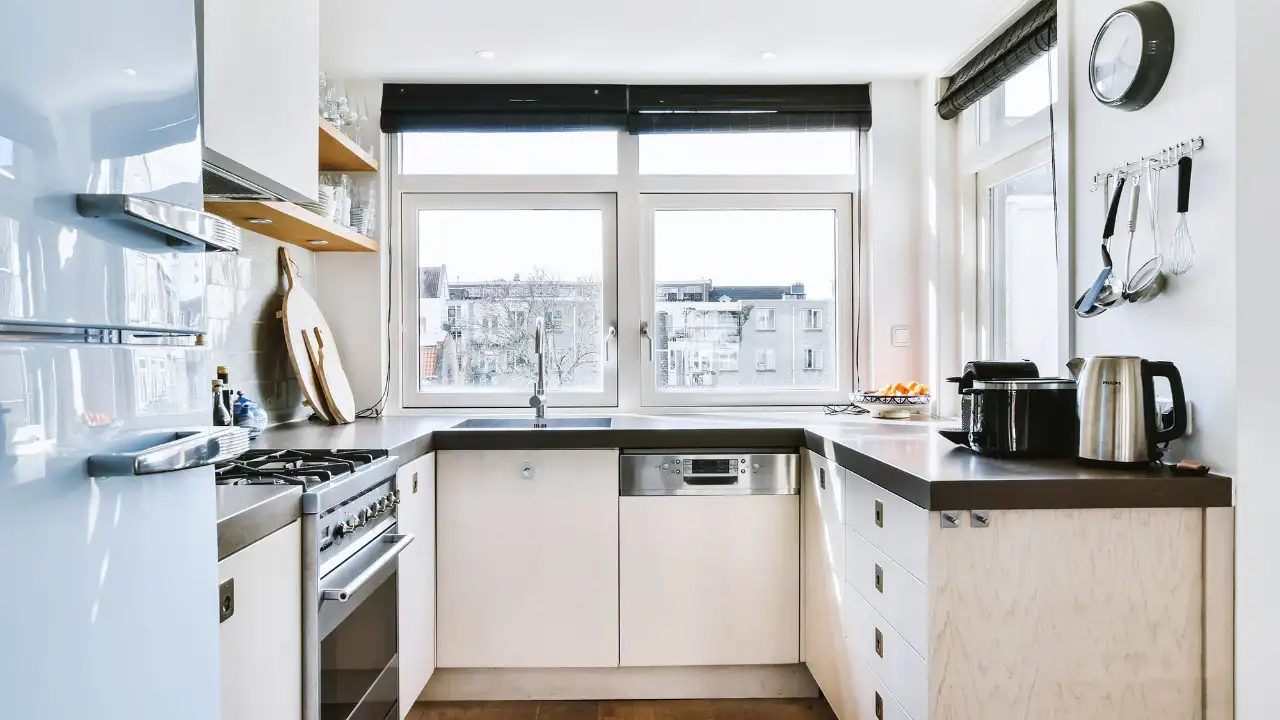
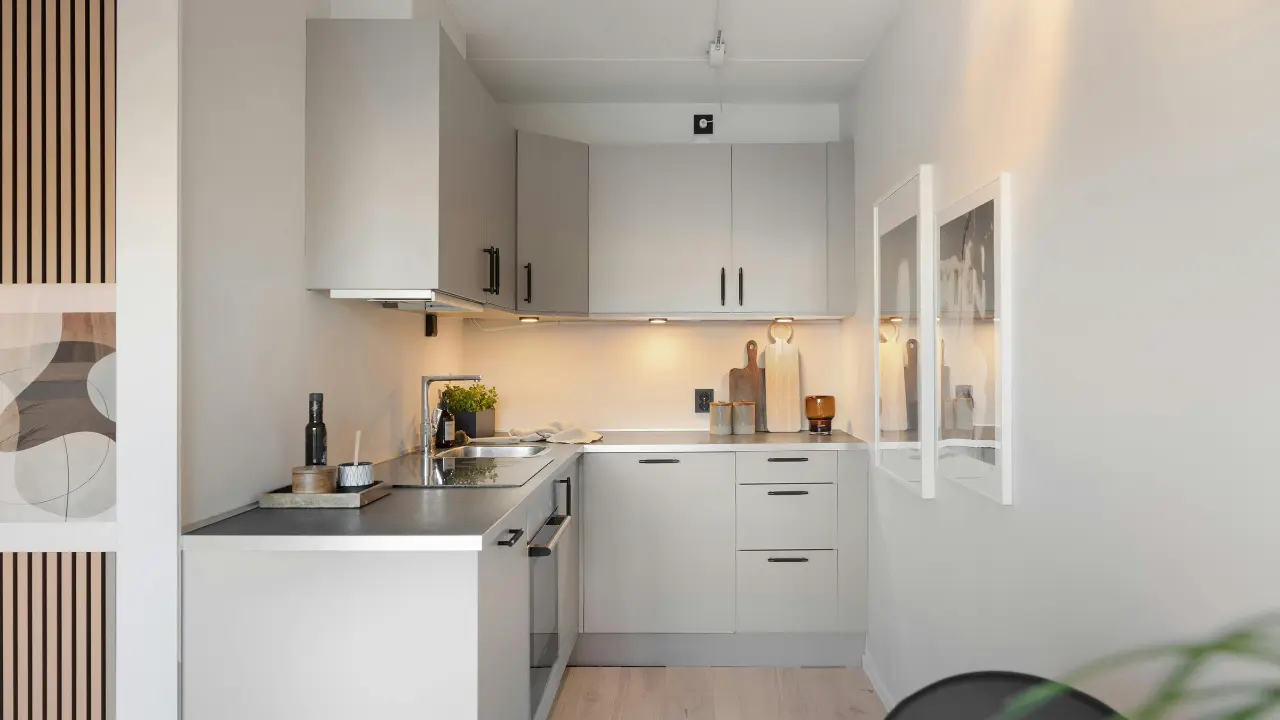
Vintage Kitchen Ideas That Blend Character With Modern Function
A beautiful vintage kitchen does not need to look like it was frozen in another decade. The most successful designs borrow the colors, materials, shapes, and craftsmanship of earlier kitchens while keeping the storage, lighting, appliances, and everyday functionality that modern homes need.
That balance is what makes vintage kitchen ideas so appealing. You can create a nostalgic atmosphere with cream cabinets, sage green paint, classic tile, brass hardware, farmhouse sinks, natural wood, retro lighting, or even a vintage-inspired refrigerator without turning the entire room into a themed space.
There are also many ways to interpret vintage style. You might prefer a soft cottage kitchen, a colorful 1950s-inspired space, a traditional farmhouse kitchen, a mid-century-inspired room, or a contemporary kitchen with only a few vintage accents.
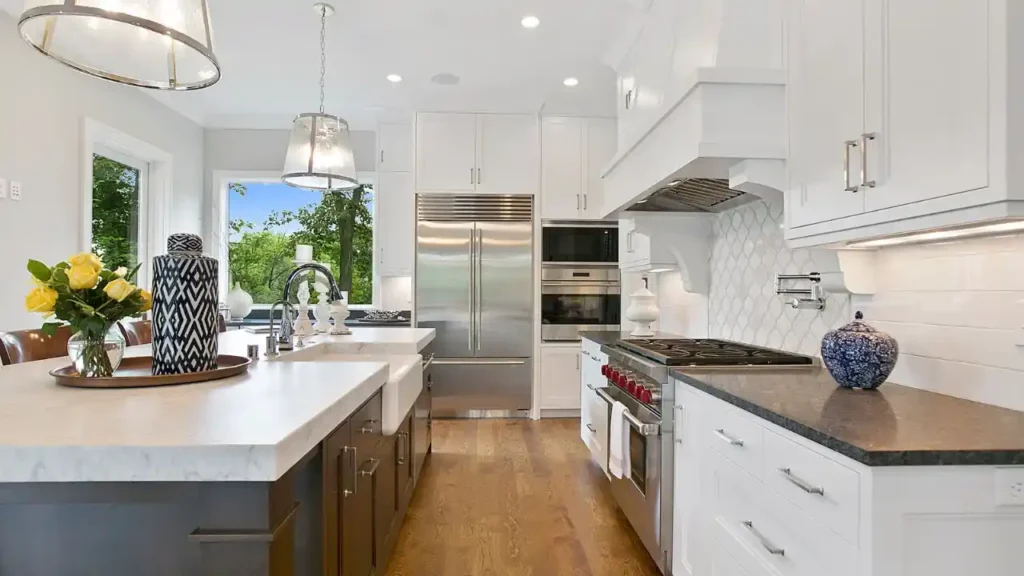
In this guide, you’ll find 25 vintage kitchen ideas, plus practical advice on colors, cabinets, backsplashes, flooring, appliances, lighting, small kitchens, budget updates, and combining vintage character with modern function.
What Makes a Kitchen Look Vintage?
A vintage kitchen uses design details associated with an earlier period or recreates those qualities through modern materials.
Vintage character can come from almost every part of a kitchen, including:
- Cabinet profiles
- Paint colors
- Hardware
- Backsplash tile
- Flooring
- Appliances
- Lighting
- Sinks and faucets
- Wood furniture
- Architectural details
- Decorative ceramics
- Artwork and textiles
The important thing is not simply adding old-looking objects. Instead, the room should have a consistent visual language.
For example, cream cabinets paired with brass hardware, natural wood, ceramic tile, and a traditional pendant light can create a vintage atmosphere without requiring every item to be genuinely old.
Vintage vs. Retro vs. Antique
These terms are often used interchangeably, but they can describe different approaches.
Vintage-inspired design uses characteristics associated with an earlier period. The cabinets, colors, fixtures, or furniture may be completely new.
Retro design often makes a stronger visual reference to a particular period through bold colors, patterns, shapes, or appliances.
Antique generally refers to a genuinely old object or piece of furniture rather than a modern reproduction.
Understanding this distinction helps you decide whether you want authentic materials, reproduction pieces, or simply the warmth and nostalgia associated with an older kitchen.
Choosing a Vintage Kitchen Era
Before selecting cabinets and finishes, it can help to decide which general period or design direction inspires you.
You do not need to recreate a historical kitchen exactly. Think of these eras as visual references.
1930s-Inspired Kitchen
A 1930s-inspired kitchen can feature:
- Soft colors
- Simple cabinetry
- Ceramic tile
- Traditional hardware
- Streamlined details
- Classic proportions
This direction works particularly well when you want vintage character without extremely bold retro colors.
1940s-Inspired Kitchen
A 1940s-inspired kitchen can emphasize practicality and warmth with:
- Functional cabinetry
- Soft vintage colors
- Metal accents
- Traditional appliances
- Simple decorative details
The result can feel nostalgic without becoming overly decorative.
1950s Retro Kitchen
For stronger retro character, consider:
- Pastel colors
- Checkerboard floors
- Chrome accents
- Rounded appliance forms
- Retro lighting
- Colorful cabinetry
This is one of the most recognizable interpretations of vintage kitchen design.
1960s-Inspired Kitchen
A 1960s direction can introduce:
- Olive or avocado green
- Mustard tones
- Natural wood
- Geometric patterns
- Warm earthy colors
- Simpler modernist forms
Use these elements selectively if you want a contemporary interpretation rather than a literal period recreation.
Cottage Vintage Kitchen
A cottage-inspired vintage kitchen often combines:
- Cream
- Sage
- Soft blue
- Natural wood
- Open shelving
- Traditional tile
- Furniture-like pieces
This approach is softer and more relaxed than a bold retro kitchen.
Farmhouse Vintage Kitchen
For a farmhouse interpretation, consider:
- Apron-front sink
- Shaker cabinets
- Natural wood
- Classic hardware
- Neutral colors
- Traditional lighting
The architecture of the home should help guide how traditional or rustic you make the design.
25 Vintage Kitchen Ideas to Try in 2026
1. Choose Creamy Vintage Kitchen Cabinets
Warm cream cabinets are an easy foundation for a timeless vintage kitchen.
Instead of an extremely bright white, choose a cream or ivory tone with a subtle warm undertone. This can soften the room and work beautifully with traditional materials.
Pair cream cabinetry with:
- Brass hardware
- Aged bronze
- Natural wood
- Ceramic tile
- Warm stone
- Vintage-style lighting
Cream cabinets also give you flexibility. If you later change the lighting, furniture, or decorative accessories, the cabinetry can continue to work with the new elements.
For a stronger period-inspired appearance, combine cream cabinets with classic profiles and furniture-style details.
2. Try Sage Green Vintage Cabinets
Sage green is particularly useful when you want vintage character without an overly colorful kitchen.
A muted green can work with:
- Cream
- Oak
- Brass
- White ceramic tile
- Natural stone
- Warm wood
Use sage across the main cabinetry for a cohesive appearance, or introduce it only on an island or lower cabinets.
Traditional hardware and simple cabinet profiles can make the green feel more vintage, while contemporary countertops and appliances can keep the overall room current.
3. Create a Retro Blue Kitchen
Blue offers many directions for vintage kitchen design.
Depending on the atmosphere you want, consider:
- Powder blue
- Dusty blue
- Blue-gray
- Deep vintage blue
Lighter blues can create a soft cottage or retro feeling, while darker blue can give a more traditional interpretation.
Blue pairs naturally with:
- Cream
- White
- Chrome
- Natural wood
- Brass
You can use blue on cabinets, walls, tile, furniture, or even a vintage-inspired appliance.
If the room receives limited natural light, test the color in the actual kitchen before committing. Blue can look considerably different under daylight and artificial lighting.
4. Add Butter Yellow for a Cheerful Vintage Look
Soft butter yellow can introduce warmth and nostalgia without overwhelming the room.
You could use yellow on:
- Cabinets
- Walls
- Tile
- Curtains
- Furniture
- Small accessories
For a balanced palette, combine it with cream, white, natural wood, or muted green.
If yellow is used on cabinetry, keep the surrounding finishes relatively restrained so the color remains a deliberate feature rather than competing with every other element.
5. Install a Vintage Checkerboard Floor
A checkerboard floor is one of the strongest visual references for retro kitchen design.
The traditional black-and-white combination is striking, but softer combinations can create a more relaxed vintage appearance.
Consider:
- Black and white
- Cream and brown
- Green and cream
- Blue and white
A muted checkerboard can be particularly effective in a cottage or traditional kitchen.
Before choosing flooring, consider slip resistance, cleaning, grout maintenance, moisture exposure, and whether the material is suitable for your kitchen’s traffic level.
If the floor has a strong checkerboard pattern, a simpler backsplash may help keep the room visually balanced.
6. Update Cabinets With Vintage-Inspired Hardware
Hardware is one of the simplest ways to change the character of existing cabinetry.
Consider:
- Cup pulls
- Bin pulls
- Ceramic knobs
- Glass-style knobs
- Brass knobs
- Aged bronze
- Chrome
- Traditional nickel
For example, simple modern cabinets can take on a more traditional appearance when paired with appropriately proportioned cup pulls.
Hardware also gives you an opportunity to experiment before committing to larger renovations.
Measure existing holes carefully before ordering replacement hardware, particularly if you are replacing pulls rather than knobs.
7. Add Retro Appliances
A vintage-style appliance can become a major visual feature.
Look for designs with:
- Rounded profiles
- Colored finishes
- Chrome details
- Retro handles
- Classic proportions
Modern appliances with vintage-inspired styling can provide nostalgic visual character while retaining contemporary features.
If you are considering an authentic older appliance, however, appearance should not be the only consideration. Check its condition, dimensions, serviceability, parts availability, electrical requirements, ventilation needs, and installation requirements.
A beautiful appliance that cannot be safely or practically integrated into the kitchen can create more problems than character.
8. Install a Farmhouse Apron-Front Sink
An apron-front sink can reinforce farmhouse, cottage, and traditional vintage aesthetics.
Potential materials include:
- Fireclay
- Porcelain
- Stainless steel
- Other manufacturer-specific materials
The sink should be selected alongside the cabinetry and countertop rather than treated as an isolated purchase.
Check:
- Sink base cabinet compatibility
- Overall sink dimensions
- Sink depth
- Faucet placement
- Countertop configuration
- Plumbing requirements
- Installation method
A deep farmhouse sink can also change how the surrounding cabinetry is constructed, so confirm dimensions before ordering cabinets or countertops.
9. Use Classic Subway Tile
Subway tile provides a simple historical reference without overwhelming a vintage kitchen.
White is the most familiar choice, but you can also consider:
- Cream
- Pale green
- Pale blue
- Handcrafted-look tile
The final effect depends heavily on the tile size, finish, layout, and grout.
For example, bright white tile with dark grout can feel more graphic, while cream tile with a related warm grout can create a softer appearance.
Before installation, view tile and grout samples beside your cabinets and countertop.
10. Add Penny or Small Hexagon Tile
Small-format tile can bring a nostalgic quality to a backsplash or floor.
Options include:
- White penny tile
- Black-and-white patterns
- Colored penny tile
- Hexagon tile
These smaller patterns work particularly well when the rest of the kitchen has relatively simple surfaces.
If you already have patterned flooring, colorful cabinets, and decorative wallpaper, adding another strong tile pattern may make the room feel unnecessarily busy.
Choose one or two visual focal points rather than giving every surface a pattern.
11. Add Vintage Open Shelving
Open shelving can reinforce a cottage or collected vintage kitchen.
Use shelves to display:
- Ceramic plates
- Glassware
- Cookbooks
- Vintage-inspired containers
- Decorative pottery
- Everyday dishes
Natural wood shelves can soften painted cabinetry and introduce warmth.
However, open shelving should not replace necessary closed storage simply for appearance. If your household needs substantial storage for cookware, food, or appliances, maintain enough enclosed cabinetry to keep the kitchen functional.
12. Introduce Beadboard Cabinet Details
Beadboard can add texture and cottage character without requiring every cabinet to have an elaborate profile.
Use it on:
- Island panels
- Cabinet ends
- Pantry doors
- Furniture-style cabinetry
- Selected backsplash areas where appropriate
Beadboard works particularly well with cream, sage, soft blue, and natural wood.
For a more contemporary vintage kitchen, use beadboard selectively rather than covering every available surface.
13. Choose a Furniture-Style Kitchen Island
A kitchen island does not have to look like a large contemporary cabinet block.
A furniture-style island can include:
- Turned legs
- Decorative panels
- Painted finishes
- Wood countertops
- Vintage-style hardware
- Furniture-like proportions
This approach can help connect the kitchen to a nearby dining area or living space.
A freestanding or furniture-inspired island can also be useful when you want vintage character without replacing the entire kitchen.
Always check the available circulation space before choosing the island dimensions.
14. Install Vintage Pendant Lighting
Lighting has a major effect on the atmosphere of a kitchen.
Consider:
- Schoolhouse-style fixtures
- Milk-glass pendants
- Dome lights
- Brass fixtures
- Opal glass
- Vintage-inspired sconces
A vintage-looking fixture should still provide appropriate illumination for the space.
Use decorative fixtures as part of a broader lighting plan rather than expecting one pendant to illuminate the entire kitchen.
15. Use Schoolhouse-Style Lighting
Schoolhouse-style fixtures are another way to add vintage character without making the kitchen feel like a historical recreation.
They can work above:
- Kitchen islands
- Sinks
- Breakfast tables
- Work areas
Combine decorative lighting with adequate ambient and task lighting.
Modern electrical components can be used where appropriate while the visible fixture provides the desired vintage appearance. Electrical work should follow applicable local requirements.
16. Add Wood Countertops
Wood can bring warmth to a vintage kitchen, particularly in cottage and farmhouse interpretations.
Potential options include:
- Oak
- Maple
- Walnut
- Butcher block
Wood can work particularly well with cream, sage, blue, and muted yellow cabinetry.
However, a wood countertop needs practical consideration. Moisture, heat, scratches, sealing, and cleaning requirements vary by product and finish.
Follow the manufacturer’s care instructions rather than assuming every wood countertop should be maintained in exactly the same way.
17. Choose Marble or Stone Countertops
Natural stone can connect vintage character with contemporary kitchen functionality.
Possible choices include:
- Marble
- Soapstone
- Granite
- Other stone or stone-inspired surfaces
Marble can complement traditional cabinetry and classic tile, while soapstone can create a deeper, more substantial appearance.
When choosing a countertop, examine the actual material rather than relying entirely on digital photographs. Consider its color, pattern, maintenance requirements, edge profile, and relationship to the cabinet finish.
Modern stone and quartz surfaces can also provide a traditional visual appearance while fitting contemporary kitchen requirements.
18. Add Natural Wood Accents
Natural wood helps balance painted cabinetry and gives a vintage kitchen a more collected appearance.
Use wood for:
- Flooring
- Shelves
- Island tops
- Furniture
- Ceiling details
- Selected cabinet sections
You do not need to use wood everywhere.
A cream kitchen with oak shelves and a wooden dining table, for example, can feel warmer without becoming visually heavy.
Pay attention to undertones when combining multiple wood finishes. Similar warmth can help different pieces feel connected even when their grain and color are not identical.
19. Introduce Brass Fixtures
Brass can add warmth and visual richness to a vintage kitchen.
Use it for:
- Cabinet hardware
- Faucets
- Pendant lights
- Shelf brackets
- Decorative details
Brass works especially well with cream, sage, deep green, warm wood, and traditional tile.
However, do not add brass simply because it is associated with vintage design. The finish should make sense with the chosen era and the other materials.
A kitchen can also combine different metals when the relationship is intentional. The goal is coordination rather than making every fixture identical.
20. Add Vintage Kitchen Wallpaper
Wallpaper can introduce a strong vintage character through:
- Botanical patterns
- Small-scale florals
- Geometric motifs
- Vintage-inspired prints
Use wallpaper selectively, particularly around areas exposed to moisture, steam, or heat.
A small breakfast area, pantry wall, or accent wall can provide enough pattern without covering the entire kitchen.
Choose a product appropriate for the intended environment and follow the manufacturer’s installation and care instructions.
21. Create a Cozy Vintage Breakfast Nook
A breakfast nook can make an ordinary corner feel more intentional.
Combine:
- Built-in bench seating
- A small round table
- Vintage-style chairs
- Patterned cushions
- Pendant lighting
- Natural wood
A breakfast nook can also make productive use of a corner that might otherwise remain unused.
In a small kitchen, carefully measure the seating area and table before purchasing furniture. The nook should remain comfortable to enter and leave rather than becoming an obstacle in the main circulation path.
22. Install Glass-Front Cabinets
Glass-front cabinets can add vintage character while providing a display area for attractive kitchenware.
Use them to display:
- Ceramic dishes
- Vintage-inspired glassware
- Cookbooks
- Decorative plates
- Everyday pieces that deserve to remain visible
Glass fronts are particularly useful when you want a furniture-like appearance.
Use them selectively, however. Too many visible objects can make a kitchen look cluttered.
23. Add a Freestanding Pantry or Vintage Hutch
A freestanding cabinet, pantry, or hutch can make a modern kitchen feel more collected.
Consider:
- Painted hutches
- Glass doors
- Open shelves
- Vintage-style latches
- Furniture-style storage
This can be an effective strategy when you want vintage character without replacing the primary cabinetry.
A freestanding piece can also introduce a different material or color without requiring a permanent renovation.
Before bringing in an antique or secondhand cabinet, check its condition, stability, finish, dimensions, and suitability for the intended location.
24. Use Colorful Vintage Accessories
Accessories provide one of the easiest ways to experiment with vintage style.
Consider:
- Ceramic canisters
- Vintage-style clocks
- Patterned textiles
- Cutting boards
- Artwork
- Pottery
- Enamelware
- Decorative trays
Because these items are relatively easy to change, they are useful when you are still deciding how strongly you want to commit to a vintage aesthetic.
Start with a few pieces that repeat the kitchen’s existing colors instead of filling every surface with collectibles.
25. Mix a Modern Kitchen With Vintage Accents
You do not need a completely period-authentic kitchen to enjoy vintage design.
A modern kitchen can combine:
- Modern appliances
- Efficient storage
- Contemporary countertops
- Traditional cabinet hardware
- Vintage lighting
- Retro colors
- Classic tile
- Natural wood
- Vintage-inspired furniture
This is often one of the most practical approaches because the kitchen can maintain modern performance while gaining personality from carefully selected vintage details.
The key is deciding which elements should provide the nostalgia and which should quietly perform the modern functions.
Vintage Kitchen Color Combinations
Color is one of the fastest ways to establish a vintage mood, but there is no single vintage palette that works for every kitchen.
| Color Palette | Character | Good Materials | Design Direction |
|---|---|---|---|
| Cream + Sage | Soft and natural | Oak, brass, ceramic | Cottage |
| Powder Blue + White | Light and nostalgic | Chrome, tile, wood | Retro |
| Butter Yellow + Cream | Warm and cheerful | Oak, brass | Cottage |
| Mint + White | Fresh and playful | Chrome, ceramic | Mid-century-inspired |
| Olive + Cream | Earthy and mature | Walnut, bronze | Vintage traditional |
| Burgundy + Cream | Rich and dramatic | Wood, brass | Traditional |
| Dusty Blue + Walnut | Calm and warm | Wood, stone | Transitional |
| Terracotta + Cream | Earthy and warm | Oak, stone | Mediterranean-inspired |
| Black + Cream | Graphic and classic | Chrome, marble | Retro |
Rather than asking which palette is “best,” consider what atmosphere you want.
A small cottage kitchen may benefit from cream and sage, while a more dramatic traditional kitchen could support olive, burgundy, or deep blue.
How to Choose Vintage Kitchen Cabinet Colors
Sage Green
Sage is soft, natural, and adaptable. It works particularly well with cream, oak, brass, and ceramic tile.
Mint Green
Mint creates a more playful and distinctly retro feeling. Pair it with white, chrome, or natural wood if you want to emphasize the nostalgic character.
Cream
Cream is a versatile alternative to bright white and works across cottage, farmhouse, traditional, and vintage-inspired kitchens.
Powder Blue
Powder blue provides a light, nostalgic appearance and pairs naturally with white, cream, wood, and chrome.
Navy
Navy provides a deeper interpretation of vintage blue. Use it when you want more visual weight.
Butter Yellow
Butter yellow introduces warmth and cheerfulness. Keep surrounding materials relatively restrained if the yellow is used prominently.
Olive Green
Olive can create an earthy, mature vintage kitchen, particularly when combined with walnut, cream, or bronze.
Dusty Pink
Dusty pink can produce a softer and more distinctive interpretation of vintage style. Warm whites and natural wood can prevent it from feeling overly sweet.
Burgundy
Burgundy creates a rich, traditional appearance and works best when balanced with cream, wood, stone, or restrained metallic accents.
Warm Wood
Wood is not a paint color, but it is an important vintage material direction. Warm wood can bring depth and texture to otherwise painted kitchens.
Vintage Kitchen Cabinet Styles
Shaker Cabinets
Shaker cabinets have simple proportions that can work across cottage, farmhouse, and transitional vintage kitchens.
Their simplicity also makes them easy to combine with modern appliances and storage.
Inset-Style Cabinets
Inset-style cabinetry can create a more furniture-like appearance, particularly when paired with traditional hardware.
Beadboard Cabinets
Beadboard introduces texture and works naturally with cottage-inspired kitchens.
Glass-Front Cabinets
Glass-front doors are useful for displaying dishes and decorative pieces while breaking up a wall of solid cabinetry.
Furniture-Style Cabinets
Furniture-style cabinetry is particularly useful for islands, hutches, and pantry storage.
Painted Cabinets
Painted cabinets allow you to introduce vintage colors without replacing the basic cabinet style.
Muted colors are often easier to integrate into a contemporary home than extremely saturated shades.
Vintage Backsplash Ideas for a Charming Kitchen
A backsplash can reinforce the period-inspired character of a kitchen without dominating the entire room.
Consider:
- Subway tile
- Penny tile
- Hexagon tile
- Checkerboard tile
- Ceramic tile
- Handcrafted-look tile
- Floral or patterned tile
- Beadboard-style treatments where suitable
- Marble
- Cream tile
Should a Vintage Kitchen Have Patterned Tile?
Not necessarily.
If your floor already contains a strong checkerboard pattern, a simple subway or ceramic backsplash may provide better visual balance.
Conversely, if the rest of the kitchen is relatively quiet, a decorative backsplash can become the room’s focal point.
The goal is to create relationships between the surfaces rather than making every surface compete for attention.
Vintage Kitchen Flooring Ideas
Flooring can have a major influence on the overall character of the kitchen.
Options include:
- Checkerboard tile
- Penny tile
- Hexagon tile
- Natural wood
- Painted wood
- Brick
- Stone
- Terrazzo
- Patterned ceramic tile
Checkerboard Flooring
Checkerboard tile is a classic choice for retro-inspired kitchens.
Black and white creates strong contrast, while cream and brown or green and cream can feel softer.
Natural Wood Flooring
Natural wood works especially well with cottage and farmhouse interpretations.
Its warmth can balance cream, sage, blue, and other painted cabinetry.
Terrazzo Flooring
Terrazzo can bridge vintage references with a more contemporary material palette.
When selecting flooring, consider maintenance, moisture, slip resistance, cleaning, transitions, and the visual relationship between the floor and other patterned surfaces.
Hardware for Vintage Kitchen Cabinets
Hardware is small, but it can strongly influence the character of cabinetry.
Common choices include:
- Ceramic knobs
- Glass knobs
- Cup pulls
- Brass
- Bronze
- Chrome
- Nickel
- Black hardware
Chrome for Retro Kitchens
Chrome can work particularly well with mid-century and classic retro references.
It creates a cleaner, brighter appearance than many aged metallic finishes.
Brass for Traditional Vintage Kitchens
Brass adds warmth and can complement cream cabinetry, natural wood, marble, and traditional tile.
Ceramic Knobs for Cottage Kitchens
Ceramic knobs can introduce color and handmade character, especially in cottage-inspired kitchens.
Always check the scale and mounting dimensions before purchasing replacement hardware.
How to Choose Appliances for a Vintage Kitchen
There are two broad approaches to vintage appliances.
Authentic vintage appliances provide genuine period character but can require additional attention to condition, safety, serviceability, parts, and electrical compatibility.
Modern vintage-inspired appliances recreate an older visual style while offering contemporary functionality.
A third option is to use conventional modern appliances and let the cabinetry, tile, hardware, and lighting provide the vintage character.
Retro Refrigerator
A retro refrigerator can become a major focal point because of its color, shape, and hardware.
Before purchasing one, verify that its dimensions fit the planned opening and that its door swing works with the surrounding cabinetry.
Vintage-Style Range
A vintage-style range can provide another strong visual focal point.
Consider how it relates to the hood, backsplash, cabinetry, and countertop.
Modern Integrated Appliances
Panel-ready or integrated appliances can be useful when you want the kitchen to emphasize cabinetry and architecture rather than appliance styling.
Practical Appliance Considerations
Before choosing an appliance, evaluate:
- Energy use
- Warranty
- Replacement parts
- Service availability
- Dimensions
- Ventilation
- Electrical requirements
- Installation requirements
Never assume that a vintage appearance means an appliance is automatically practical.
Vintage Kitchen Lighting Ideas
Lighting should support both the design and the work that happens in the kitchen.
Consider:
- Schoolhouse lights
- Milk-glass fixtures
- Brass pendants
- Dome fixtures
- Sconces
- Lantern-style lights
- Vintage-inspired chandeliers
A useful approach is to think about three layers.
Ambient Lighting
Ambient lighting provides general illumination throughout the room.
Task Lighting
Task lighting helps illuminate areas where you prepare food, cook, clean, and perform other detailed work.
Accent Lighting
Accent lighting can highlight open shelves, artwork, architectural features, or display cabinets.
A beautiful vintage fixture should not replace the practical lighting the kitchen needs.
Vintage Kitchen Sink and Faucet Combinations
A sink and faucet can reinforce the overall design direction.
Apron-Front Sink
An apron-front sink works naturally with farmhouse and cottage kitchens.
Porcelain Sink
Porcelain can reinforce a traditional appearance and pair well with cream, white, and soft-colored cabinetry.
Bridge-Style Faucet
A bridge-style faucet provides a strong traditional visual reference.
High-Arc Traditional Faucet
A high-arc faucet can combine classic styling with contemporary usability.
Before selecting a sink or faucet, check:
- Countertop compatibility
- Cabinet construction
- Sink base dimensions
- Faucet-hole configuration
- Plumbing requirements
- Installation requirements
A sink that looks perfect in a photograph may require significant cabinet modifications in a real kitchen.
How to Make a Modern Kitchen Look Vintage
You do not necessarily need a complete renovation to introduce vintage character.
Step 1: Keep the Existing Layout
If the current kitchen functions well, avoid changing the layout solely for appearance.
Keeping the existing footprint can allow you to focus your budget on visual changes.
Step 2: Replace or Add Hardware
Vintage-inspired knobs and pulls can immediately change the appearance of cabinetry.
Step 3: Introduce a Vintage Color
Paint an island, lower cabinets, or another selected area in a muted vintage-inspired shade.
Step 4: Add Classic Lighting
Replace a generic pendant or ceiling fixture with a vintage-inspired design.
Step 5: Introduce Traditional Materials
Consider:
- Ceramic tile
- Natural wood
- Stone
- Brass
- Traditional hardware
Step 6: Add Vintage Accessories
Use ceramics, artwork, textiles, furniture, and other changeable pieces to complete the look.
This layered approach can create a vintage atmosphere without requiring a complete kitchen replacement.
How to Blend Vintage Style With Modern Function
The most practical vintage kitchens often hide their modern functionality behind a classic visual language.
Consider using:
- Efficient cabinet storage
- Modern drawer systems
- Contemporary appliances
- Good task lighting
- Durable countertops
- Modern ventilation
- Easy-to-clean surfaces
- Practical workflow
- Well-planned electrical outlets
There is no need to sacrifice convenience simply because you prefer vintage aesthetics.
A kitchen can have traditional hardware and classic tile while still containing modern storage systems and contemporary appliances.
The goal is period-inspired appearance with modern performance.
Vintage Kitchen Ideas for Small Spaces
Small kitchens can work especially well with carefully selected vintage details.
Try:
- Cream cabinetry
- One accent color
- Open shelving
- Compact retro-style appliances
- Vertical storage
- Glass-front cabinets
- Small-format tile
- A narrow island or movable cart
- Wall-mounted storage
- Vintage lighting
How to Keep a Small Vintage Kitchen From Feeling Cluttered
Vintage design can become visually busy when every surface contains patterns, accessories, or collectibles.
Choose a controlled palette and limit decorative objects.
For example, cream cabinets, sage accents, natural wood, and a small amount of brass may create enough vintage character without filling the kitchen with decorative pieces.
Prioritize functional storage first.
Vintage Kitchen Ideas for Large Spaces
Large kitchens provide more room for architectural and decorative features.
Consider:
- Large islands
- Furniture-style cabinetry
- Pantry cabinets
- Freestanding hutches
- Statement range hoods
- Breakfast nooks
- Large pendant fixtures
- Patterned flooring
- Glass-front storage
A large kitchen can support several vintage elements, but the palette should still feel connected.
A consistent relationship between cabinet colors, wood tones, metals, and tile can keep the room from looking like a collection of unrelated objects.
Budget-Friendly Vintage Kitchen Updates
You do not need to remodel the entire kitchen to change its personality.
Easy Updates
Start with relatively simple changes such as:
- Replacing hardware
- Painting walls
- Adding vintage-style lighting
- Installing appropriate open shelving
- Changing textiles
- Adding artwork
- Introducing ceramics
- Adding a vintage-style clock
- Bringing in a freestanding furniture piece
Medium-Cost Updates
Depending on the existing kitchen, consider:
- Painting cabinets
- Replacing a backsplash
- Changing the faucet
- Replacing lighting
- Adding a butcher-block island top
Larger Projects
More substantial changes include:
- New cabinetry
- New countertops
- New flooring
- Appliance replacement
- Layout changes
Before spending on major work, identify which elements actually create the vintage character you want.
You may discover that changing the hardware, lighting, paint, and one piece of furniture creates much of the desired effect without replacing the entire kitchen.
Authentic Vintage vs. Vintage-Inspired Design
You have several ways to bring older character into a kitchen.
| Approach | Advantages | Considerations |
|---|---|---|
| Authentic vintage | Unique character | Condition and compatibility |
| Vintage reproduction | Easier to coordinate | May lack genuine patina |
| Modern vintage-inspired | Modern performance | Less authentic appearance |
| Mix of old and new | Flexible and practical | Requires careful coordination |
Where Authentic Pieces Can Work Well
Consider authentic vintage pieces for:
- Chairs
- Tables
- Clocks
- Artwork
- Ceramics
- Small furniture
- Decorative storage
These items can add personality without becoming critical components of the kitchen’s infrastructure.
Where Modern Replacements May Be Practical
Modern products may be more appropriate for:
- Appliances
- Plumbing
- Electrical components
- Lighting systems
- Cabinet hardware
- Countertops
Safety, compatibility, maintenance, and applicable local requirements should take priority over appearance.
Vintage Kitchen Mistakes to Avoid
Vintage design becomes less successful when every possible retro element is used at the same time.
Avoid these common mistakes:
- Mixing too many historical eras
- Using every retro feature at once
- Choosing colors without testing them
- Overusing checkerboard patterns
- Adding too many decorative objects
- Ignoring modern storage needs
- Sacrificing lighting for appearance
- Choosing appliances based only on looks
- Ignoring countertop undertones
- Using too many competing metal finishes
- Making every cabinet highly decorative
- Forgetting ventilation
- Ignoring workflow
- Making the room feel like a theme set
- Choosing permanent features solely because they are trendy
The guiding principle is simple:
Vintage character should feel integrated into the kitchen, not pasted onto it.
How to Coordinate Vintage Kitchen Colors
A simple color structure can make vintage kitchens easier to design.
Dominant Color
Choose the color that occupies the largest visual area.
Examples include:
- Cream
- Sage
- Blue
- Green
- Yellow
Supporting Color
Use a second shade in a smaller role through an island, backsplash, furniture, or accessories.
Neutral
Cream, white, beige, or another restrained shade can give the stronger colors room to breathe.
Natural Material
Wood or stone introduces texture and prevents the palette from feeling flat.
Metal Accent
Brass, chrome, bronze, or another suitable finish can complete the material palette.
For example:
Sage + cream + oak + brass
Or:
Powder blue + white + wood + chrome
This approach is more useful than simply collecting a list of vintage colors because it shows how those colors interact.
Test Vintage Colors Under Real Lighting
Vintage-inspired colors can change significantly depending on the surrounding light.
Test paint and material samples:
- In morning daylight
- In afternoon daylight
- Under warm bulbs
- Under brighter task lighting
- Beside the countertop
- Beside the flooring
- Near existing cabinets
This is particularly important with:
- Sage
- Mint
- Cream
- Yellow
- Pink
- Blue-gray
- Olive
A digital photograph should be treated as inspiration rather than a guarantee of the actual finish.
A cream that looks warm online may appear much cooler beside your countertop. Likewise, a muted green can shift noticeably depending on the lighting and surrounding colors.
Which Vintage Kitchen Projects Can You DIY?
Not every kitchen project has the same level of complexity.
| Project | DIY Potential | Professional Consideration |
|---|---|---|
| Wall painting | High | Usually optional |
| Hardware replacement | High | Usually unnecessary |
| Styling | High | Usually unnecessary |
| Open shelving | Medium | Wall structure matters |
| Cabinet painting | Medium | Preparation and finish quality matter |
| Backsplash | Medium | Depends on material |
| Flooring | Medium/Low | Installation complexity varies |
| Lighting fixture | Medium/Low | Electrical requirements vary |
| Cabinet installation | Low/Medium | Professional installation may help |
| Countertops | Low | Professional installation |
| Plumbing | Low | Qualified professional |
| Electrical | Low | Qualified professional |
| Structural changes | Low | Professional involvement may be required |
Electrical, plumbing, gas, ventilation, and structural work should follow applicable local requirements and be completed by appropriately qualified professionals where required.
How to Maintain a Vintage-Style Kitchen
Maintenance should be based on the actual material rather than whether it looks vintage.
Painted Cabinets
Consider:
- Regular cleaning
- Touch-ups
- Finish durability
- Moisture exposure
Follow the paint and cabinet manufacturer’s cleaning recommendations.
Wood
Pay attention to:
- Water
- Heat
- Scratches
- Surface finish
Different wood products and finishes have different maintenance requirements.
Tile
Consider:
- Grout cleaning
- Staining
- Moisture
- Suitable cleaning products
Brass
Different brass finishes age differently. Some are designed to develop a patina, while others are intended to maintain a more consistent appearance.
Follow the manufacturer’s care instructions.
Vintage Appliances
For authentic older appliances, evaluate:
- Condition
- Replacement parts
- Servicing
- Electrical compatibility
- Safety
An appliance should not remain in service simply because it contributes to the desired appearance.
Which Vintage Kitchen Features Should You Prioritize?
When planning a renovation, separate visual character from functional importance.
| Feature | Character Impact | Functional Importance | Planning Consideration |
|---|---|---|---|
| Cabinet layout | High | High | High |
| Storage | Medium | High | High |
| Lighting | High | High | High |
| Flooring | High | Medium | Medium |
| Backsplash | High | Medium | Medium |
| Hardware | Medium | Medium | Medium |
| Appliances | High | High | Medium–High |
| Decorative accessories | Medium | Low | Low |
These are planning considerations rather than a universal ranking.
Someone restoring an older home may prioritize historical consistency differently from someone adding a few nostalgic accents to a contemporary kitchen.
Vintage Kitchen Ideas by Design Style
Vintage Farmhouse Kitchen
A vintage farmhouse kitchen can combine:
- Cream
- Sage
- Wood
- Apron-front sink
- Shaker cabinets
- Traditional hardware
The result can feel warm and practical without relying on excessive rustic decoration.
Vintage Cottage Kitchen
Consider:
- Soft colors
- Open shelving
- Floral details
- Ceramic tile
- Wood
- Small-scale patterns
Keep patterns coordinated so the room remains relaxed.
Retro 1950s Kitchen
A stronger 1950s-inspired interpretation can include:
- Pastels
- Chrome
- Checkerboard flooring
- Rounded appliance forms
- Retro lighting
This style can be playful and colorful, particularly when the architecture allows the kitchen to embrace a stronger visual identity.
Mid-Century-Inspired Kitchen
Focus on:
- Natural wood
- Warm colors
- Simple cabinetry
- Geometric details
- Minimal ornamentation
This direction can be especially useful when you want vintage character with a cleaner visual language.
Vintage Traditional Kitchen
Consider:
- Deep colors
- Detailed cabinetry
- Marble
- Brass
- Classic lighting
This approach creates a richer and more formal atmosphere.
Vintage Eclectic Kitchen
A vintage eclectic kitchen can combine pieces from different periods, but the colors, materials, and proportions should provide a visual connection between them.
How to Create a Refined Vintage Kitchen
Vintage does not have to mean cluttered.
To create a more refined appearance, focus on:
- Good proportions
- Consistent finishes
- Well-chosen hardware
- Natural materials
- Appropriate lighting
- Coordinated colors
- Controlled patterns
- Clean countertops
- Well-maintained surfaces
Instead of filling the room with decorative objects, select a smaller number of pieces that genuinely contribute to the design.
A vintage clock, ceramic collection, wooden stool, or carefully chosen light fixture can have more impact than a countertop covered with unrelated accessories.
How to Avoid a Theme-Kitchen Look
One of the biggest challenges with vintage design is knowing when to stop.
You do not need all of these at once:
- Retro appliances
- Checkerboard floors
- Vintage wallpaper
- Pastel cabinets
- Chrome everywhere
- Multiple signs
- Collectibles
- Reproduction decor
Instead, select a few defining elements.
For example:
Cream cabinets + brass hardware + checkerboard floor + modern appliances
can create vintage character without making every surface look historically themed.
Another approach could be:
Sage cabinets + natural wood + classic tile + contemporary appliances
The vintage feeling comes from the relationship between the elements rather than from any single decorative object.
Vintage Kitchen Ideas FAQs
What Makes a Kitchen Look Vintage?
A vintage kitchen uses design details associated with an earlier period, such as classic cabinet profiles, retro colors, traditional hardware, ceramic tile, vintage-style lighting, natural wood, and period-inspired appliances.
What Colors Are Common in Vintage Kitchens?
Common vintage-inspired colors include:
- Cream
- Sage
- Mint
- Powder blue
- Butter yellow
- Olive
- Dusty pink
- Burgundy
- Warm wood tones
The appropriate palette depends on the era and overall design direction.
How Can I Make My Kitchen Look Vintage Without Remodeling?
Start with changeable elements such as hardware, lighting, wall paint, artwork, ceramics, textiles, furniture, and open shelving.
If you like the direction, you can gradually introduce larger changes such as cabinet paint, tile, flooring, or appliances.
Are Vintage Kitchens Outdated?
Vintage design and outdated functionality are not the same thing.
A kitchen can use vintage-inspired colors, materials, and details while still incorporating contemporary storage, appliances, lighting, ventilation, and workflow.
The visual style can reference the past while the underlying functionality remains current.
What Flooring Looks Best in a Vintage Kitchen?
Potential options include:
- Checkerboard tile
- Penny tile
- Hexagon tile
- Natural wood
- Brick
- Terrazzo
- Patterned ceramic tile
Choose flooring based on the overall palette, maintenance requirements, moisture exposure, and practical use of the kitchen.
What Cabinets Work Best for a Vintage Kitchen?
Potential choices include:
- Shaker cabinets
- Inset-style cabinets
- Beadboard cabinets
- Glass-front cabinets
- Furniture-style cabinetry
- Painted wood cabinets
The appropriate style depends on the particular vintage era you want to reference.
Can a Modern Kitchen Have Vintage Decor?
Yes. Modern cabinetry and appliances can be combined with vintage-inspired lighting, furniture, hardware, artwork, ceramics, and textiles.
This can be one of the easiest ways to introduce vintage character without undertaking a complete renovation.
What Hardware Looks Vintage?
Depending on the desired era, consider:
- Ceramic knobs
- Glass-style knobs
- Cup pulls
- Brass
- Bronze
- Chrome
- Traditional nickel hardware
The hardware should complement the cabinet profile and other finishes rather than being selected in isolation.
How Do I Make a Small Kitchen Look Vintage?
Use a controlled palette and a few strong vintage details.
Consider:
- Cream or muted cabinets
- One accent color
- Small-format tile
- Open shelving
- Vintage-style lighting
- Compact furniture
- Vertical storage
Avoid excessive decorative objects that reduce usable space or make the kitchen feel visually crowded.
Are Vintage Appliances Worth It?
It depends on whether you value authentic appearance, modern performance, maintenance convenience, or historical character.
Before choosing an appliance, consider:
- Condition
- Warranty
- Parts availability
- Servicing
- Energy use
- Electrical requirements
- Dimensions
- Ventilation
A modern vintage-inspired appliance may provide a different balance of appearance and practical performance than an authentic older appliance.
How Do You Mix Vintage and Modern Kitchen Design?
Use vintage elements for visual character and modern elements for functionality.
For example:
Vintage-inspired cabinets + modern appliances + classic tile + contemporary storage + traditional hardware
This combination allows the kitchen to feel nostalgic without requiring every component to be historically styled.
Final Thoughts
The best vintage kitchen ideas do more than make a room look old. They create a sense of character through carefully selected colors, cabinet profiles, hardware, tile, lighting, furniture, and materials while preserving the functionality needed for everyday life.
Start by deciding which vintage direction suits your home. You might prefer soft cottage colors, a farmhouse-inspired kitchen, a colorful retro space, a mid-century interpretation, or a modern kitchen with only a few vintage accents.
Then build the design gradually.
Choose a dominant color, introduce a supporting shade, add natural wood or stone, select a metal finish, and identify one or two focal elements. Test permanent materials under your actual lighting and consider practical requirements before purchasing appliances, sinks, countertops, or cabinetry.
Most importantly, do not feel pressured to make every element vintage.
A modern appliance can sit comfortably beside traditional cabinets. Contemporary storage can hide behind classic-looking doors. Modern lighting technology can exist inside a vintage-inspired fixture. And a new kitchen can still feel personal, warm, and full of character.
The strongest vintage kitchen is one where the nostalgic details feel intentional—and the kitchen still works beautifully for the people who use it every day.